There is a persistent myth in the music industry that you need a million-dollar studio to make a hit record. Robert Hill is a producer and artist who dismantled this myth by proving that raw, home-recorded energy can often outperform polished but sterile commercial releases. For years, artists felt pressured to rent expensive rooms with top-tier gear, believing that the acoustics alone defined quality. Hill took a different path. He started in his bedroom, relying on intuition rather than expensive microphones. This approach didn't just save money; it changed how he interacted with sound. The result? A unique sonic signature that listeners recognize instantly because it feels human, not manufactured.
The Bedroom Era: Why Constraints Create Creativity
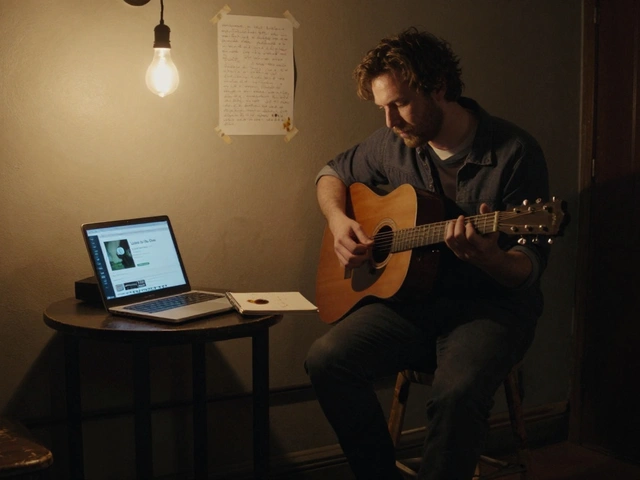
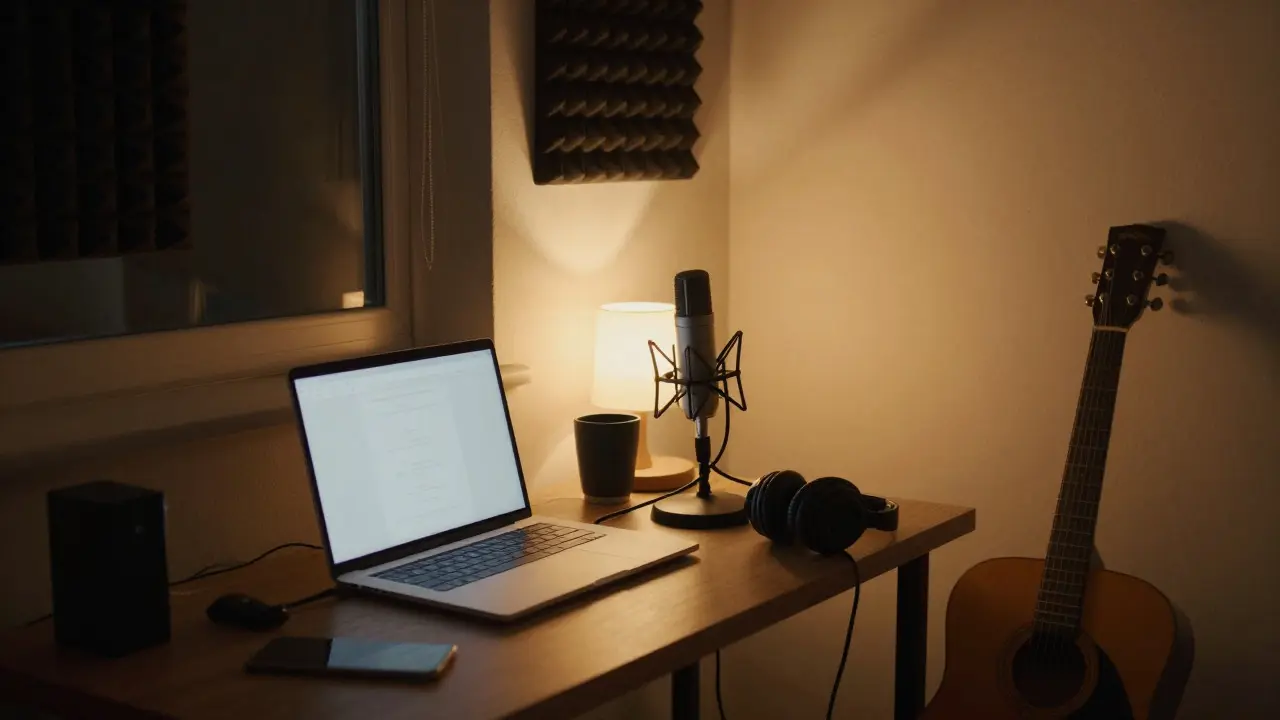
Hill’s early work was defined by limitation. When you don’t have a massive drum kit or a treated vocal booth, you get creative. You learn to play quietly so you don’t bleed into the mic. You learn to fix mistakes in your head before hitting record. This period established the core of his self-recording philosophy: capture the vibe first, perfect the details later. Many modern producers still use this method. They record rough demos at home to check if a song actually works emotionally before spending thousands on a pro session. If the demo makes you feel something, the song is good. If it doesn’t, no amount of reverb will save it.
- Low Latency Monitoring: Hill learned to trust his ears over visual meters, reducing the temptation to over-process tracks.
- Organic Imperfections: Slight timing errors and room noise added character that digital plugins struggle to replicate authentically.
- Rapid Iteration: Recording at home allowed him to try twenty variations of a chorus in one afternoon, a pace impossible in a paid studio.
The Shift to Professional Spaces
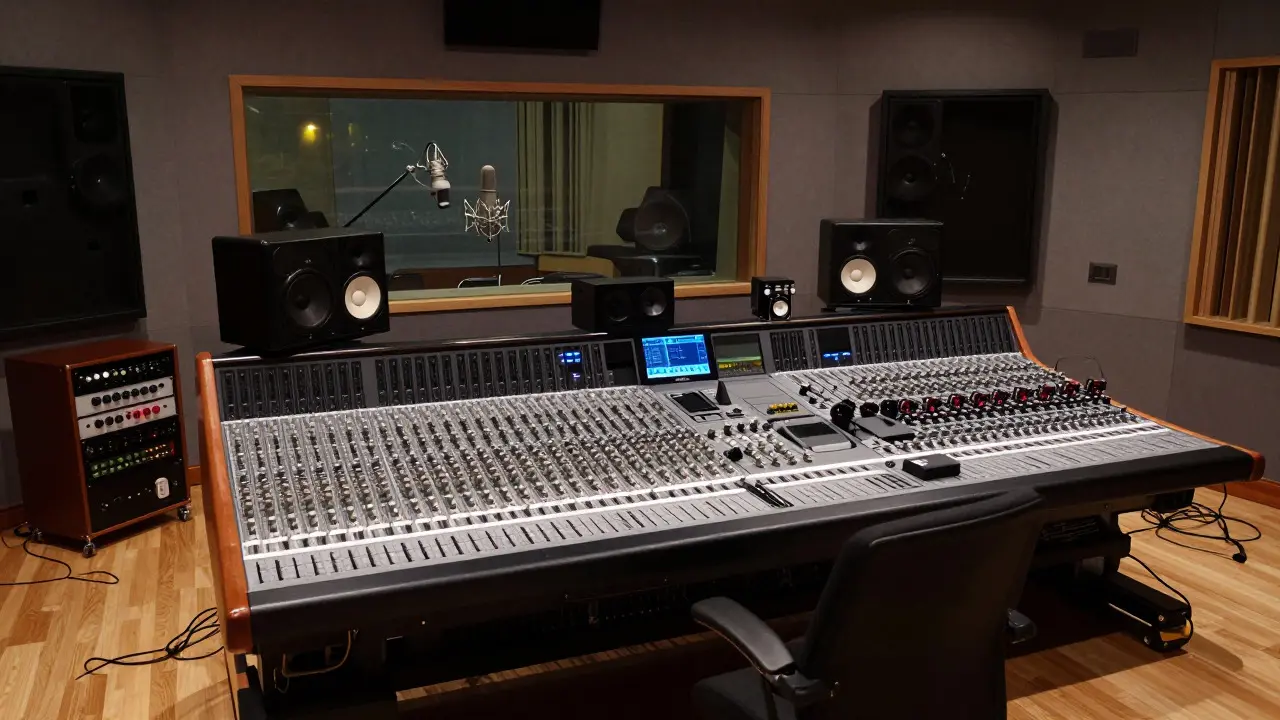
As his audience grew, the limitations of home recording became apparent. Not for lack of talent, but for lack of space. Large ensembles, specific acoustic treatments, and high-end analog consoles required a professional environment. Hill transitioned to working with established engineers in dedicated facilities. This wasn't an abandonment of his roots; it was an evolution. He brought his home-recorded sensibility into the big room. Instead of chasing perfection, he used the studio’s resources to enhance the organic feel he had developed alone. The key difference? In a pro studio, you have control over the source material. You can change the guitar amp, swap the microphone, or adjust the room treatment without waiting for the band to leave.
| Feature | Self-Recording (Home) | Professional Studio |
|---|---|---|
| Cost per Hour | Negligible (Electricity only) | $50 - $300+ |
| Acoustic Treatment | Variable / DIY | Engineered for specific frequencies |
| Gear Availability | Limited to personal inventory | Extensive library of vintage/modern hardware |
| Creative Freedom | High (No time pressure) | Moderate (Budget/time constraints) |
| Sound Character | Intimate, raw, direct | Polished, expansive, controlled |
Blending the Two Worlds: The Hybrid Method
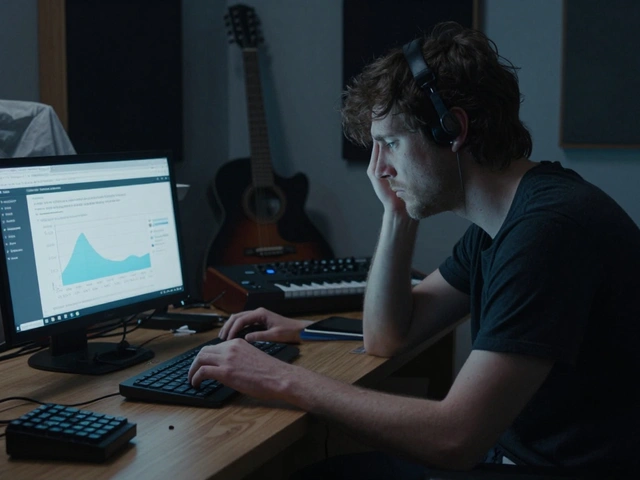
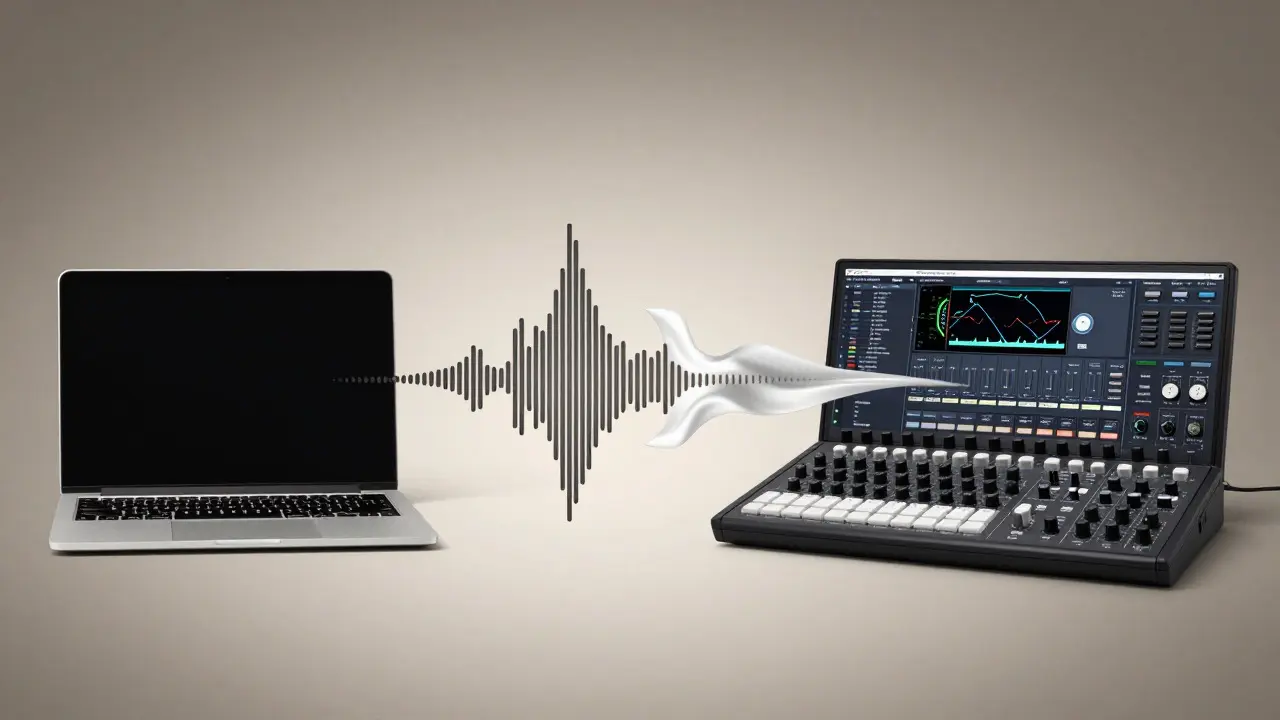
The most effective part of Hill’s career came when he stopped viewing these two environments as opposites. He began using a hybrid workflow. Pre-production happens at home. Songs are written, arranged, and roughly recorded on a laptop or portable recorder. This ensures the arrangement is solid before entering a professional facility. Then, the final tracking happens in a studio, but with a specific goal: to capture the performance, not to create it from scratch. This saves money because the studio time is spent capturing great takes, not figuring out what the song should be. It also preserves the emotional immediacy of the home recordings. The engineer knows exactly what sounds are needed because they’ve already heard the vision in the demo. This reduces guesswork and speeds up the mixing process significantly.
Technical Considerations for Modern Producers
You don’t need to replicate Hill’s exact setup, but you can adopt his mindset. The technology has changed dramatically since his early days. Now, a decent interface and a software instrument pack can mimic many studio sounds. However, the principle remains: know your strengths. If your home setup excels at vocals, record vocals at home. If your drums sound thin, take them to a studio with a large drum room. Don’t try to do everything in one place. Also, consider the psychological aspect. Some artists perform better in isolation; others thrive in a collaborative studio environment. Identify which type you are. If you freeze under pressure, the home environment might yield more honest performances. If you need external motivation, a studio deadline can push you to finish tracks faster.
Another critical factor is file management. Hill emphasizes keeping separate stems for home and studio recordings. This allows you to compare the raw energy of the home take with the technical precision of the studio take during the mix. Often, the final track ends up being a blend: the vocal from the home session because it sounded more intimate, combined with the guitar from the studio because it had better clarity. This layering technique adds depth that neither environment could achieve alone.
Common Pitfalls to Avoid
Many new producers fall into the trap of thinking one method is superior. They either become stuck in their bedroom forever, producing records that sound small and muddy, or they rush into expensive studios without proper preparation, wasting hours on basic arrangement decisions. The solution is balance. Use the home studio for creativity and experimentation. Use the professional studio for execution and final polish. Never let the gear dictate the art. The best records aren’t made by the people with the most expensive microphones; they’re made by the people who know exactly what they want to hear and have the right environment to capture it. Whether that’s a closet or a cathedral-sized hall, the intent matters more than the square footage.
Frequently Asked Questions
Is self-recording better for indie artists?
Not necessarily better, but often more cost-effective and creatively liberating. Indie artists benefit from the speed and intimacy of home recording. However, if budget allows, combining home pre-production with professional tracking usually yields the highest quality results without breaking the bank.
What equipment does Robert Hill recommend for starting out?
He suggests starting with a reliable audio interface, a dynamic microphone for vocals and instruments, and a comfortable monitoring environment. Expensive gear isn't required initially. Focus on learning your DAW (Digital Audio Workstation) and developing your ear for balance and tone before investing in high-end hardware.
How much does it cost to rent a professional studio?
Rates vary widely by location and facility tier. Budget studios might charge $30-$50 per hour, while high-end facilities can range from $100 to $300+ per hour. Always ask about package deals for full-day sessions, which often provide better value than hourly rates.
Can I mix a professional-sounding album at home?
Yes, provided you have accurate monitors or headphones and some basic acoustic treatment. Mixing is largely a skill-based discipline. While a professional control room offers consistent frequency response, many successful albums are mixed in home environments using reference tracks to ensure consistency across different playback systems.
What is the biggest mistake beginners make in music production?
Over-processing. Beginners often rely too heavily on plugins to fix bad performances or poor sound sources. As Hill demonstrates, capturing a good performance is far more important than applying complex effects. Invest time in getting the right sound at the source, whether that means adjusting your playing style or changing your microphone position.