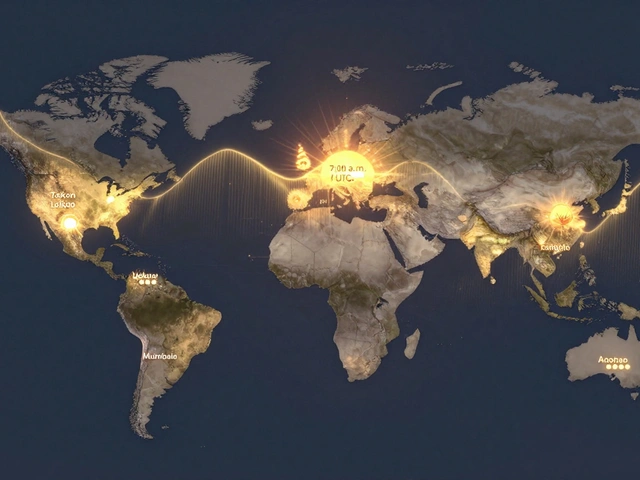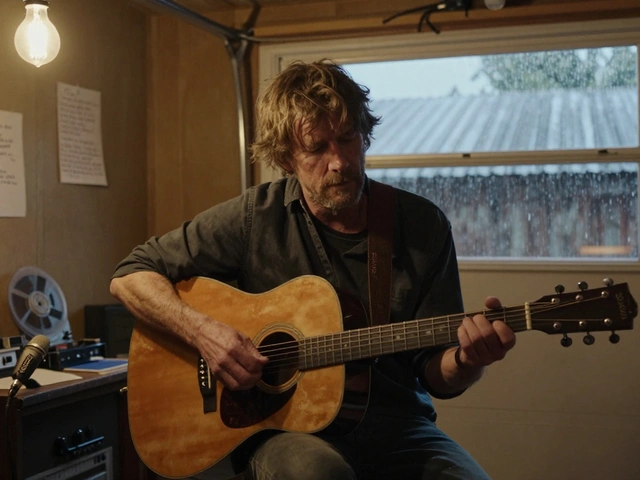
When you hear blues music on the radio in Berlin, Toronto, or Tokyo, chances are you’re listening to something from Australia. Not just any blues - the raw, soulful, dirt-under-the-fingernails kind that’s been brewing in the outback, coastal pubs, and remote Aboriginal communities for decades. But getting that sound heard overseas isn’t just about having a good song. It’s about strategy, timing, and knowing who actually plays what on the other side of the world.
Why Australian Blues Is Quietly Dominating Global Airwaves
Australia didn’t invent the blues, but it’s redefined it. Artists like Kasey Chambers, Xavier Rudd, and The Teskey Brothers aren’t just covering American classics - they’re blending Delta grit with Aboriginal rhythms, country twang with swamp rock, and folk storytelling with electric soul. The result? A sound that’s unmistakably Australian and wildly appealing abroad.
According to the 2025 Global Blues Radio Report, Australian artists accounted for 22% of all blues and roots airplay outside the U.S. - more than any other non-American country. That’s not luck. It’s because these acts built their reputation the hard way: touring relentlessly in Europe, releasing albums through independent labels with global distribution, and getting noticed by radio programmers who were tired of the same 10 American blues bands.
What International Blues Radio Stations Actually Play
Not every station that calls itself "blues" plays the same thing. In the U.S., you’ll hear a lot of Chicago-style electric blues. In the UK, it’s more British R&B and acoustic singer-songwriters. In Germany and the Netherlands? They love rootsy, organic sounds - the kind that sound like they were recorded live in a barn with a single mic.
Australian acts thrive there because their music often skips the polished studio sheen. Think of The Panics’ haunting harmonies, or Ruby Boots’ smoky, reverb-drenched vocals. These aren’t radio edits. They’re real. And that’s what international blues DJs crave.
Here’s what top international stations look for:
- Authenticity over polish - If it sounds like it was made in a garage or on a front porch, you’re in.
- Storytelling lyrics - Songs about drought, loss, travel, or cultural identity resonate more than generic love songs.
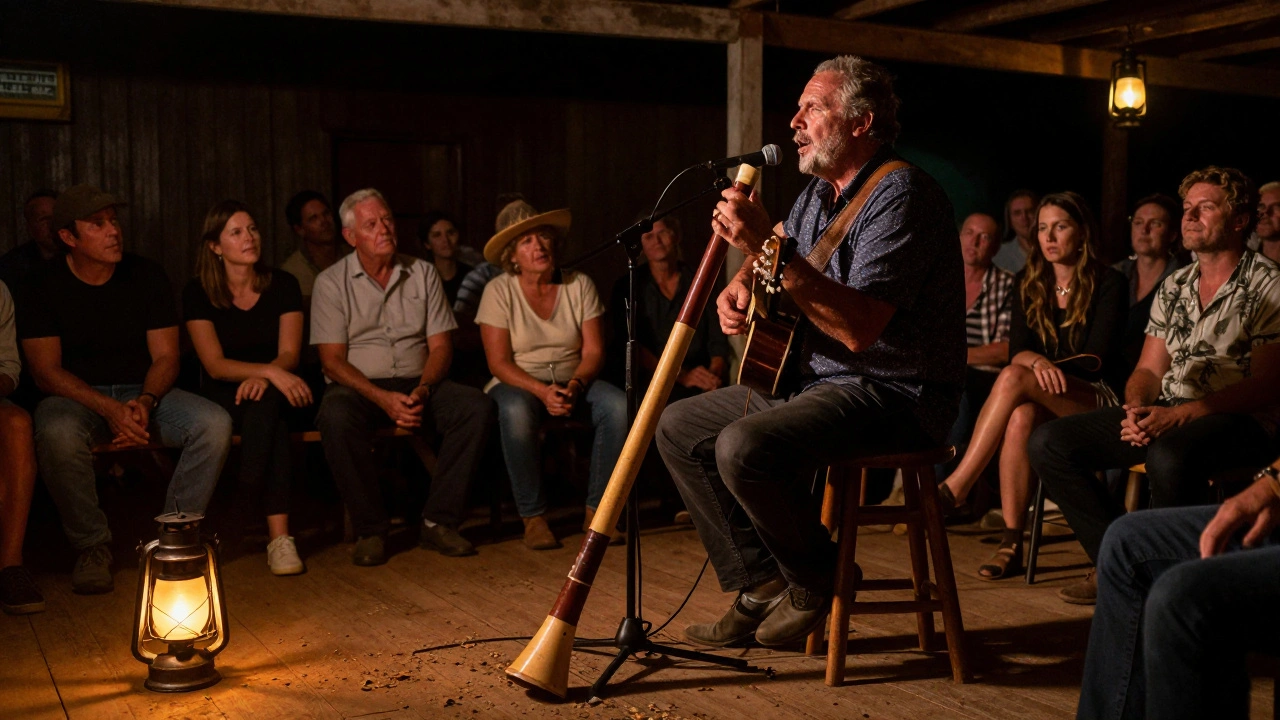
- Instrumental texture - Did you use a didgeridoo? A lap steel? A banjo? These aren’t gimmicks - they’re signature sounds that make your track stand out.
- Consistent output - Stations don’t play one song and forget you. They look for artists who release EPs, tour, and stay visible.
The Three-Step Path to Getting Played Overseas
You can’t just email a radio station and hope for the best. You need a system. Here’s how the most successful Australian blues artists broke through:
- Target the right stations first - Don’t blast your music to every blues station on the planet. Start with 10-15 that have a proven track record of playing non-U.S. artists. Examples: Blues Matters (UK), Blues Radio Berlin, Radio Roots (Netherlands), Blues du Monde (France), and Blues Highway (Canada). These stations have public submission guidelines - follow them exactly.
- Package your submission like a pro - Send a single high-quality WAV file (not MP3), a one-paragraph bio in English (no fluff), and a link to a private SoundCloud or Bandcamp with 2-3 tracks. Include your tour dates if you’re playing near their region. No PDFs. No videos. No 10-page press kits. Just the music and the essentials.
- Follow up - once - Wait 6 weeks. If you haven’t heard back, send one polite email: "Just checking in - I know you get hundreds of submissions. I’d be grateful for any feedback." Then stop. If they like it, they’ll play it. If they don’t, move on.
Why Your Music Might Be Getting Ignored
Most Australian artists fail at international airplay because they make one of three mistakes:
- They think "blues" means slow, minor-key guitar solos. - If your song is upbeat, features percussion, or has a country feel, you’re still in the blues family. Stations like Blues & Roots Radio (Sweden) play everything from zydeco to swamp pop.
- They release music without a plan. - Sending one single and hoping it goes viral doesn’t work. International radio thrives on consistency. Release a new track every 3-4 months. Tour when you can. Keep the momentum.
- They don’t speak the language of radio programmers. - DJs don’t care that you won a local award. They care if your song gets played again. If you’ve been played on 3-4 stations already, mention it. "Currently airing on [Station X] and [Station Y]" is more persuasive than "I’m an award-winning artist."
Real Examples: Who’s Doing It Right
Take The Teskey Brothers. They didn’t start with a record deal. They recorded their first album in a 1970s-style studio with one mic, no headphones, and no overdubs. They sent it to 12 European stations. Five played it. One - Blues Radio Berlin - put it on heavy rotation. Within 18 months, they sold out venues from Amsterdam to Oslo.
Or look at Emma Donovan. Her album When the Rain Comes blends gospel, soul, and Aboriginal language. She didn’t chase U.S. labels. She partnered with a small Australian distributor that already had ties to Canadian and Australian radio networks. That network then pitched her to European stations. Result? Airplay in 17 countries, including Japan’s only blues-focused FM station.
Tools That Actually Work
You don’t need a PR firm. You need these five tools:
- Blues Radio Directory - A free, community-run list of over 300 international blues stations with submission rules. Updated monthly.
- Music Promotion Hub - A simple dashboard that tracks where your music is played, how often, and who played it. Free tier available.
- SoundCloud Pro - Lets you set up private links, track listens, and embed player stats. Essential for sending clean, trackable links.
- Bandcamp - Still the best place to sell digital albums directly to fans overseas. Many radio DJs buy from here to support artists.
- Spotify for Artists - Not for airplay, but for visibility. If your song gets 500+ monthly listeners from Europe, it catches the attention of radio curators.
The Long Game: Building a Global Blues Presence
Getting played once isn’t enough. The goal is to become a regular. That means:
- Always include your website and social handles in your submission.
- Send a thank-you note if you get played - even if it’s just one song. DJs remember that.
- Collaborate with artists from other countries. A joint track with a German blues harmonica player? That’s a ticket to two markets.
- Don’t ignore the smaller stations. A show on a 500-watt station in rural Sweden can lead to a feature on a national network.
There’s no magic formula. Just good music, smart outreach, and patience. The world is hungry for fresh blues - and Australia has more of it than most people realize.
Can I send my Australian blues music to U.S. radio stations?
Yes, but it’s harder. U.S. blues radio is saturated with local talent and has tighter playlists. Focus on stations that specifically highlight international artists - like "Blues from Around the World" on KFAI (Minneapolis) or "Global Blues" on KCRW (Los Angeles). Even then, your music needs to stand out with a unique sound - something distinctly Australian.
Do I need to be signed to a label to get airplay?
No. In fact, most international blues stations prefer independent artists. Labels often come with too much commercial pressure - stations want music that feels real, not manufactured. Independent releases with strong production and authentic storytelling have a better shot than major-label albums that sound too polished.
How long does it take to get played on international radio?
It varies. Some artists get played within 3 weeks. Others wait 6 months. The average is 8-12 weeks. The key isn’t speed - it’s consistency. If you submit regularly, build relationships with DJs, and keep releasing new material, you’ll eventually break through. Many successful Australian artists had their first airplay after 4-6 submissions over a year.
Should I pay for playlist promotion services?
Avoid them. Most "radio promotion" services that charge hundreds of dollars are scams. They send your music to fake stations or spam lists. Real blues radio programmers don’t accept paid placements. They choose music based on quality and fit. Spend your money on recording, distribution, and touring instead.
What if my music has Aboriginal languages or instruments?
That’s your biggest advantage. International audiences are fascinated by cultural depth. Stations in Europe and Canada actively seek out music that reflects unique traditions. Just make sure your lyrics are translated in your submission notes - many DJs don’t speak Aboriginal languages but still want to understand the story behind the song.