Key Takeaways
- Use "Name Your Price" to capture both casual fans and super-fans.
- Bundle digital tracks with physical merchandise to increase average order value.
- Coordinate release dates with social media hype cycles rather than random drops.
- Leverage Bandcamp Fridays to maximize artist earnings during high-traffic windows.
Setting the Right Price Point
Pricing your music is less about the length of the song and more about the perceived value of the experience. Many artists make the mistake of underpricing their work because they feel guilty charging for digital files. Stop that. You aren't selling a file; you're selling your art.
The most effective tool in your arsenal is Bandcamp is an online record store and community for artists and fans to share, promote, and sell music. It allows for a flexible pricing model that traditional streaming services can't touch.
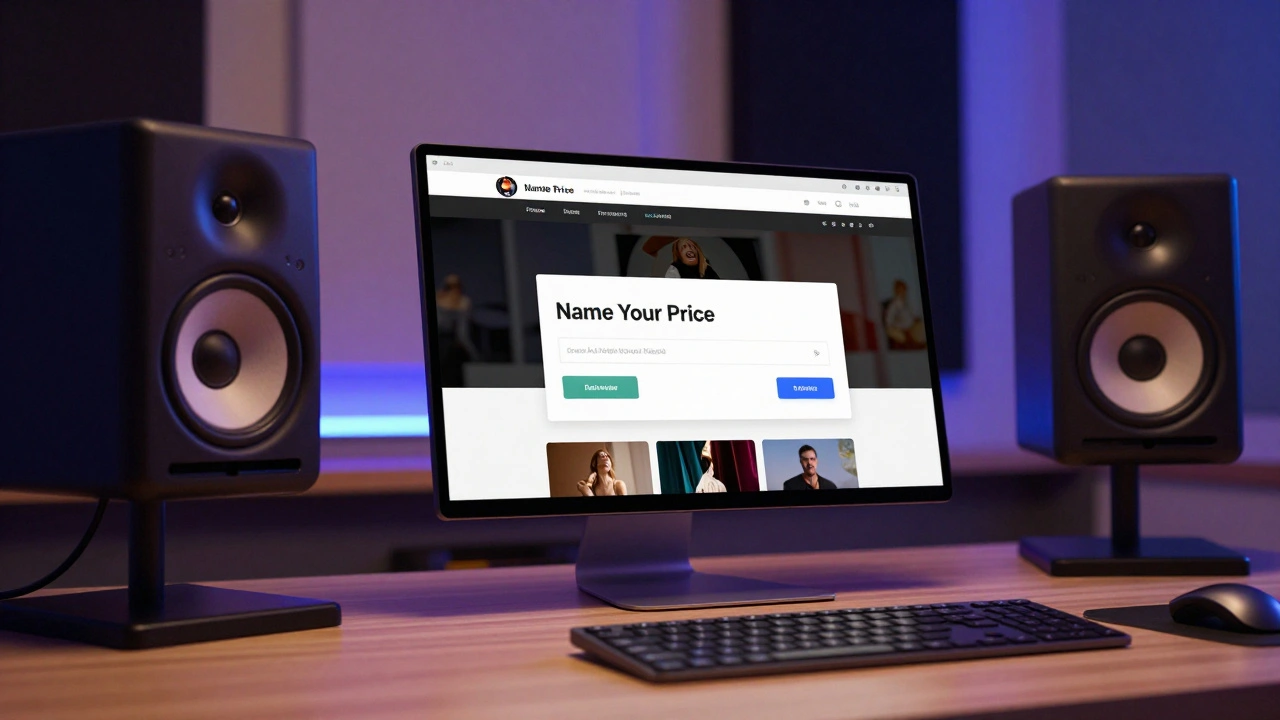
Consider the "Name Your Price" (NYP) model. By setting a minimum price-say $7 for an EP-and allowing fans to pay more, you create a psychological opening for super-fans to support you with $20 or $50. This isn't just about charity; it's about letting the market decide your value. According to data from independent label consultants, releases with a minimum price and an open ceiling often see a 15-25% increase in total revenue compared to fixed pricing.
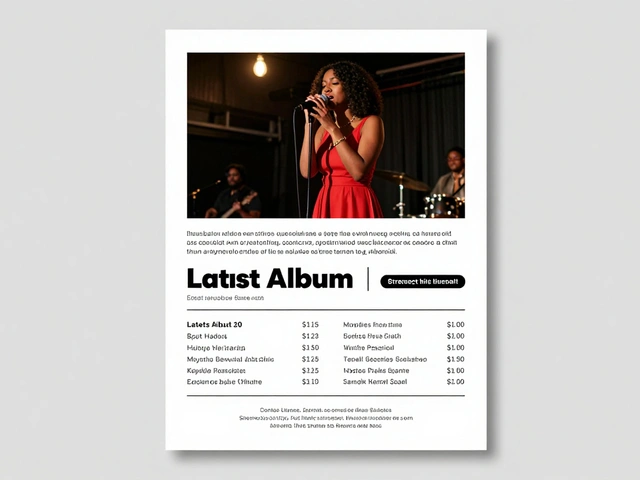
If you're releasing a single, a price point of $1 to $3 is standard. For a full-length album, $10 to $15 is the sweet spot for digital-only versions. If you price too low, you signal that the work is disposable. If you price too high without a physical component, you create a barrier to entry for new listeners.
The Power of Bundles and Merch
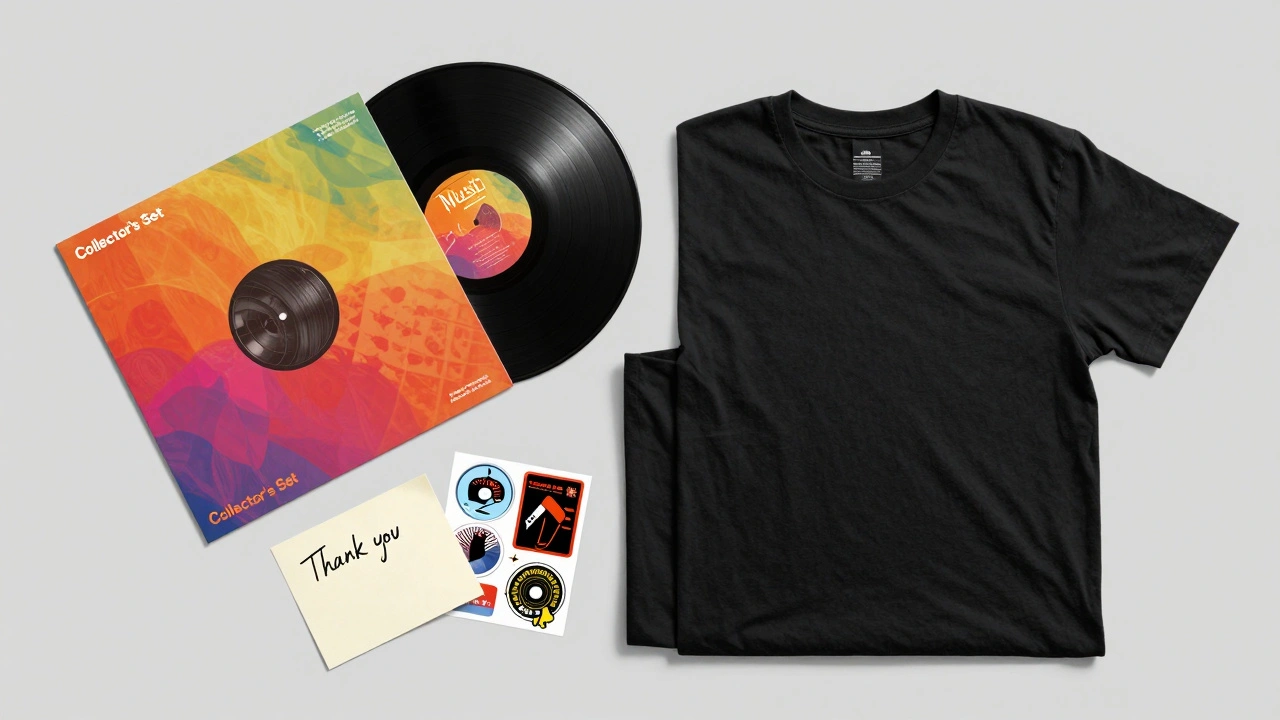
Digital music is a gateway, but physical goods are where the real profit lives. A Bundle is a curated package combining multiple products, typically digital music and physical merchandise, sold as a single unit allows you to move a lot more inventory by offering a perceived discount.
Imagine you have a new album. Instead of just selling the digital download, create three distinct tiers:
- The Digital Basic: The album download only ($10).
- The Fan Pack: Digital album + a limited edition sticker and a digital lyric booklet ($15).
- The Collector's Set: Digital album + Vinyl is a durable analog sound storage medium, typically 12 inches in diameter, prized by audiophiles for its warmth or CD + a handwritten thank-you note and a t-shirt ($45).
By offering these choices, you guide the customer toward the middle or high tier. Most people don't want the cheapest option if it feels "bare bones," and they don't want to overspend if they aren't die-hard fans. The mid-tier bundle becomes the most attractive option, effectively raising your average order value without you having to "hard sell" anyone.
| Strategy | Pros | Cons | Best For |
|---|---|---|---|
| Digital Only | Zero overhead, instant delivery | Lower profit margins | Singles / Demo tapes |
| Physical Only | High perceived value, collectible | Shipping costs, inventory risk | Established fanbases |
| Hybrid Bundle | Highest revenue, appeals to all tiers | More complex to manage | Full-length album launches |
Timing Your Release for Maximum Impact
Dropping music on a random Tuesday at 3 AM is a great way to ensure no one hears it. Timing is about aligning your release with when your audience is most likely to spend money. You need to think in terms of a "campaign" rather than a "drop."
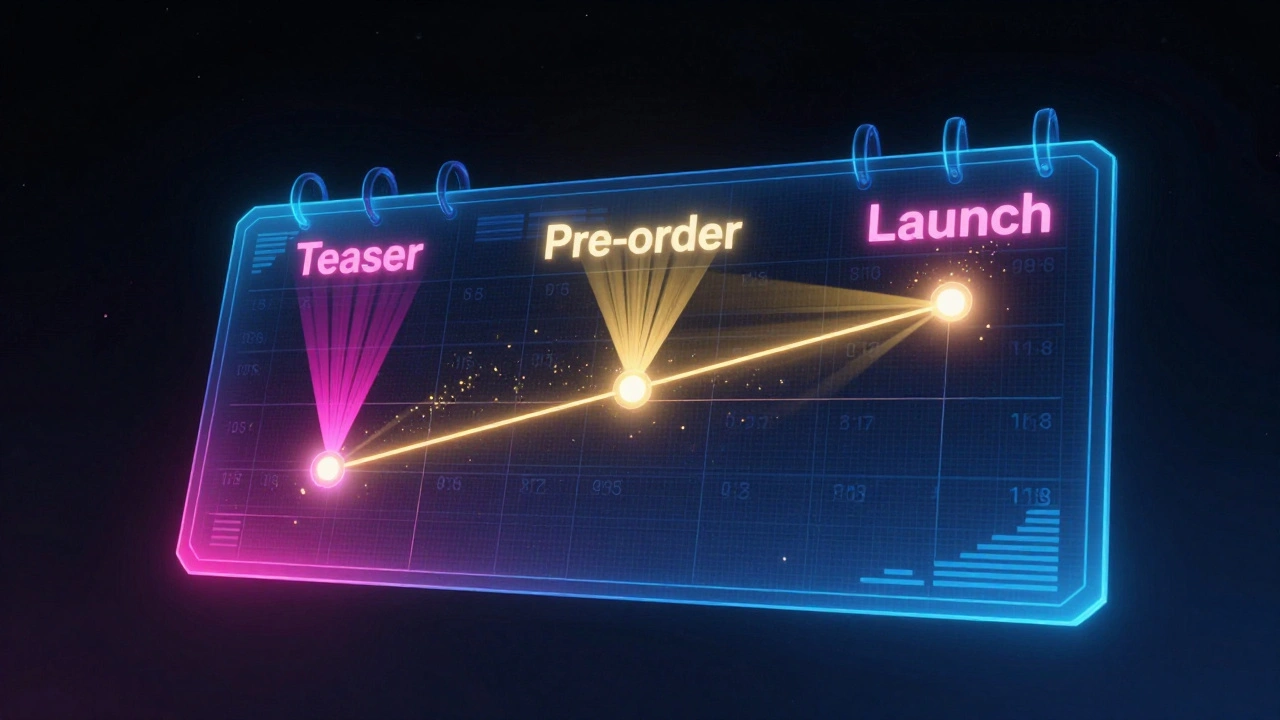
The gold standard for timing is the three-week window. Week one is for the announcement and a "teaser" track. Week two is for the pre-order phase. Week three is the official launch. This creates a sense of anticipation. If you just upload and post, the excitement lasts for about six hours. If you build a pre-order campaign, the excitement builds for twenty-one days.
You also need to be aware of Bandcamp Friday is A recurring event where Bandcamp waives its revenue share for 24 hours, allowing artists to keep 100% of their sales . These days are effectively holidays for indie musicians. If your release date falls near a Bandcamp Friday, align your main push with that date. People are conditioned to shop on these days, meaning your conversion rate will naturally be higher than on a standard Friday.
Consider the time of day. Most music consumption peaks in the evening. Schedule your release for 10 AM or 12 PM EST. This ensures that by the time people in Europe are finishing their day and people in the US are on their lunch breaks or heading home, the link is live and the notifications have hit their phones.
Driving Traffic to the Storefront
Bandcamp is not a discovery engine like Spotify; it's a destination. People won't just stumble upon your page; you have to lead them there. The most common mistake is posting a link on Instagram and expecting a miracle. Instagram hates outbound links, and the friction of leaving the app kills your conversion rate.
Instead, use a "bridge" strategy. Use your Social Media is Interactive technologies that facilitate the creation and sharing of information, ideas, and interests via virtual communities to showcase the *feeling* of the music. Post a 15-second clip of the best part of the song. Tell them *why* the song exists. Then, place the link in your bio and use a clear call to action: "Grab the limited vinyl at the link in my bio."
Email lists are still the strongest tool for Bandcamp strategy. A direct email to a fan who has bought from you before is ten times more likely to result in a sale than a post to 1,000 random followers. When you launch a bundle, email your previous customers first. Give them a "heads up" 24 hours before the public announcement. This makes them feel like insiders and rewards their previous loyalty.
Avoiding Common Pitfalls
One of the biggest mistakes is ignoring the "Artist Bio" and "Tags" sections. Bandcamp's internal search relies heavily on these. If you just put "Indie Rock," you're competing with a million other artists. Be specific. Use tags like "Portland Indie Rock" or "Lo-fi Bedroom Pop." This helps the algorithm place your music in the right Genre is A category of artistic composition characterized by a particular style, form, or content categories, which is how new fans actually discover music on the platform.
Another trap is the "infinite discount." Giving away your music for free is great for growth, but if you do it too often, you train your audience to never pay. If you want to offer a free download, do it for a specific period or as a reward for signing up for your newsletter. Keep the value of your work high by limiting the availability of free versions.
Finally, don't forget the post-release phase. Many artists stop promoting the moment the album is out. The "long tail" of sales happens in the months following the launch. Keep updated by adding new photos of fans with your vinyl or sharing a "making of" story. This keeps the release relevant long after the initial hype dies down.
Should I put my music on Spotify and Bandcamp at the same time?
Yes, but use them for different goals. Use Spotify for discovery and reaching a massive audience. Use Bandcamp as your "premium" store where fans go to actually support you financially. Many artists release on Bandcamp a week early as a perk for paying supporters before it hits the streaming platforms.
How do I handle shipping for physical bundles?
Bandcamp allows you to set shipping costs by country. To avoid losing money, research your local postal rates for the most common destinations. It is often better to slightly overcharge for shipping and refund the difference than to undercharge and pay for the postage out of your own pocket.
Is "Name Your Price" really better than a fixed price?
In most cases, yes. It removes the barrier for people who can only afford a small amount while allowing wealthier fans to contribute significantly more. It transforms a transaction into a gesture of support.
What is the best way to announce a pre-order?
Start with a "Coming Soon" announcement with a blurred image of the cover art. Then, open pre-orders with a limited "Early Bird" bundle. Once those are gone, move to the standard bundles. This creates a sense of urgency and reward for those who act fast.
How many tags should I use on my release?
Aim for 5 to 10. Use a mix of broad genres (e.g., Electronic), specific sub-genres (e.g., Synthwave), and contextual tags (e.g., Instrumental, 80s Influence). This maximizes your visibility across different search paths.
Next Steps for Your Release
If you're preparing a release right now, start by mapping out your calendar. Mark the next Bandcamp Friday and work backward to set your pre-order date. If you don't have physical merch yet, start with a "Digital Deluxe" bundle that includes high-res PDF art or a digital commentary track. This adds value without requiring a trip to the post office.
For those who have already released music, don't let it sit idle. Go back to your oldest albums and experiment with a new bundle or a updated "Name Your Price" minimum. You'll be surprised how many new fans will find your old work if you give them a fresh reason to buy it.