Getting your song played on the radio on release day isn’t luck. It’s strategy. And if you’re waiting for a DJ to stumble across your track on Spotify, you’re already behind. Radio stations don’t just play songs because they sound good-they play what they’re told to play. And the people telling them? Radio promoters. Not the flashy ones on Instagram, but the quiet, consistent ones who know the playlist managers by name.
Start 60 Days Before Release
Most artists think radio servicing starts the week before release. That’s too late. Radio stations plan their weekly playlists four to six weeks out. By the time your song hits their inbox, they’ve already locked in their rotation. You need to be in their hands at least two months before release day.
Send a clean, high-quality WAV file-no MP3s, no YouTube links-with clear metadata: artist name, track title, album, release date. Include a one-paragraph bio that answers: Who is this artist? What makes this song different? Why should a listener care? Don’t write a novel. Don’t mention your 100K Spotify followers. Talk about the story behind the song. Did you record it in your garage during a snowstorm? Did your grandma sing the chorus? That’s what sticks.
Target the Right Stations
Not every station is worth your time. A Top 40 station in New York won’t touch your indie folk track. A college radio station in Portland might. Start by finding stations that have played artists like yours. Look at playlists from the last three months. If they’ve spun Phoebe Bridgers, Hozier, or Snail Mail, they’re in your lane.
Use tools like RadioInsight is a database that tracks radio airplay across the U.S., including format-specific playlists and station contact info. It shows you who’s playing what, and who to email. Don’t blast 50 emails. Find 8-10 stations that actually fit. Personalize each one. Mention a recent show you heard. Say, “I loved your segment on Tuesday about DIY recordings-I think you’ll connect with this one.”
Build Relationships, Not Just Requests
Radio programmers are people. They get 300 emails a day. If yours looks like every other one, it gets deleted. If you’ve sent them a physical CD with a handwritten note? They might keep it. If you’ve followed up with a short, thoughtful message two weeks later? They might play it.
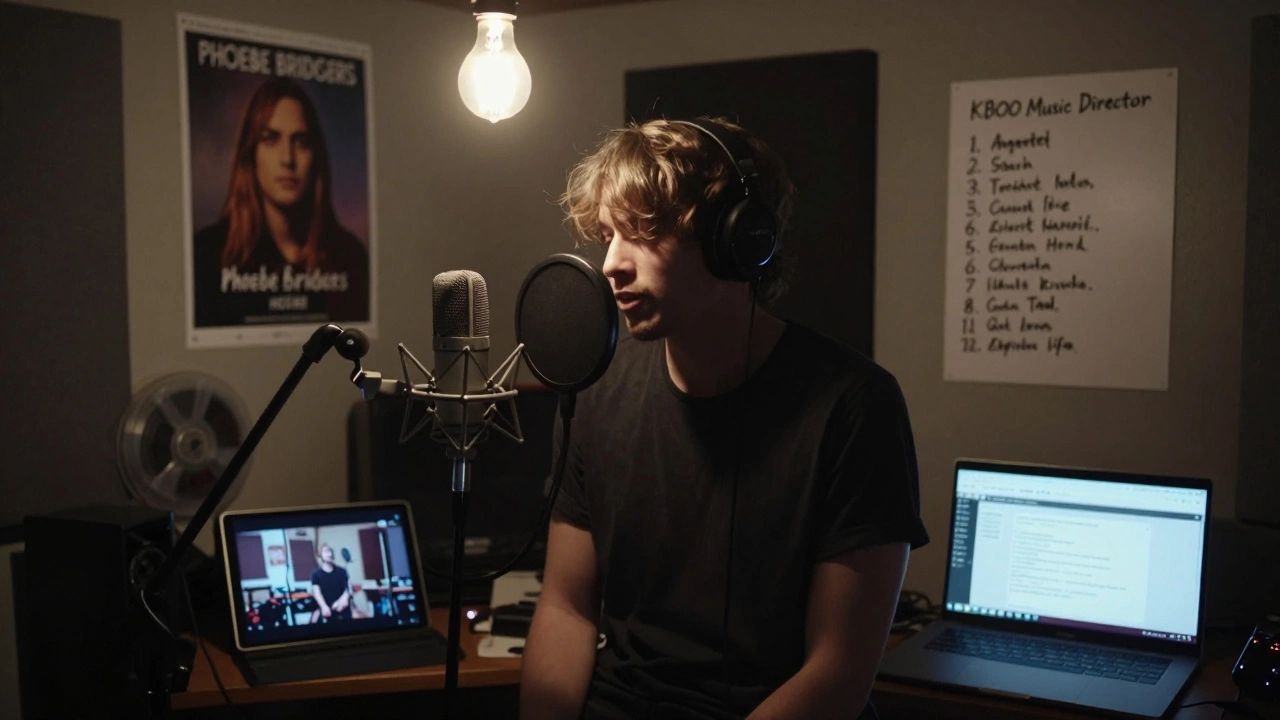
Don’t just send a song. Send context. A 15-second video clip of you recording the vocal take. A quote from your producer about the track’s vibe. A link to a local show you played last month. These aren’t extras-they’re proof you’re serious. And they make your song feel real, not just another file.
Use Release Day as a Trigger, Not the Goal
Release day isn’t when you start pushing. It’s when you activate. By then, you should already have:
- At least 3 stations that confirmed they’re adding the track
- 2 college stations that scheduled it for their weekend show
- 1 community station that’s doing a listener vote for the song
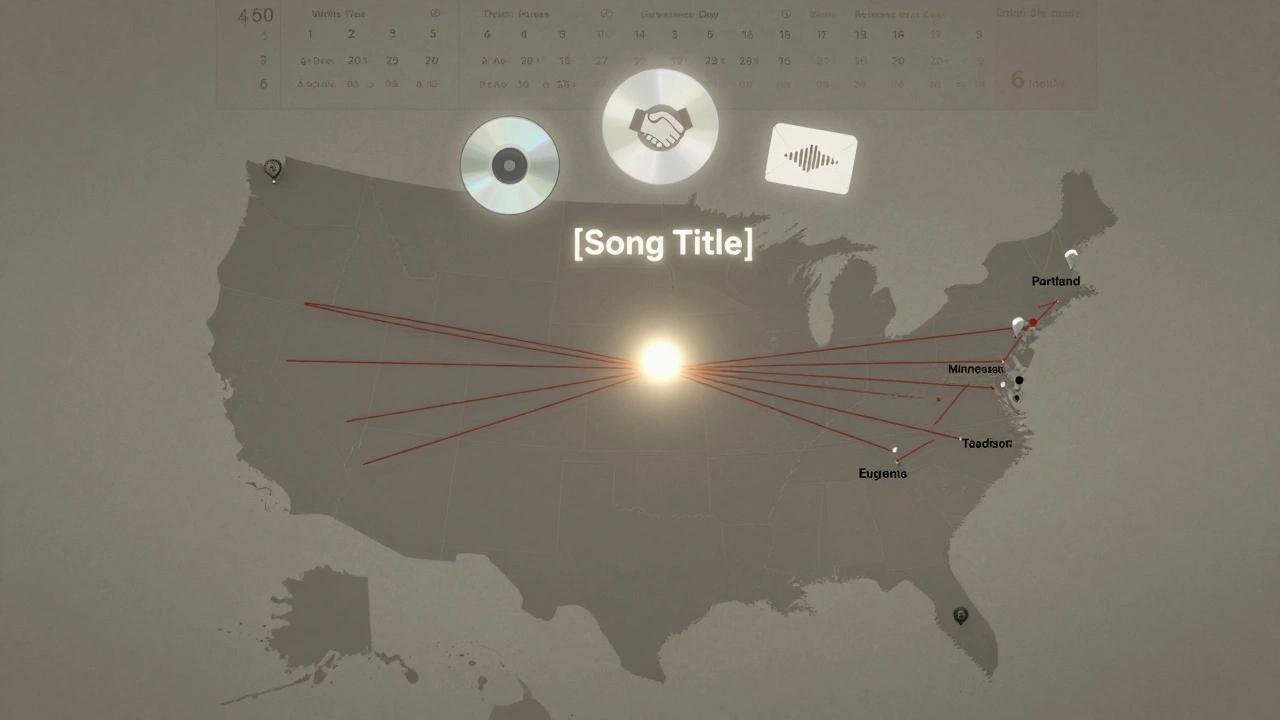
On release day, send a simple email: “Thanks for supporting ‘[Song Title]’-it drops today. Here’s the official link: [link]. Let me know if you’d like a behind-the-scenes clip or interview.” Then, track the airplay. If it spins on KBOO in Portland or KXRY in Eugene, celebrate. That’s your win. Not the number of Spotify plays.
Don’t Ignore Non-Mainstream Stations
College radio still matters. Community stations still matter. Even if they don’t have big audiences, they have influence. A song that spins on KFAI in Minneapolis might get picked up by a podcast that reaches 200K listeners. A track that plays on a campus station in Madison might end up on a national indie playlist curated by a DJ who got their start there.
These stations also have fewer rules. They’ll play a 7-minute ambient track. They’ll feature an artist who doesn’t have a label. They’ll give you an interview slot because you showed up at their open mic night last year. Don’t overlook them because they’re not on the Billboard charts. They’re the pipeline.
Track What Actually Happens
Don’t guess if your song got played. Know. Use SoundExchange is a non-profit that tracks radio airplay and pays royalties to artists and labels in the U.S.. It doesn’t just report spins-it shows you which stations, at what time, and how often. If you’re not signed to a label, you can still sign up for free. It’s the only way to prove your song got airplay.
Also, check AirPlay Direct is a platform used by radio promoters and stations to distribute and track music submissions. If you sent your track there, you’ll see exactly when it was downloaded, who listened, and if it made it to a playlist.
Don’t just count spins. Look for patterns. Did the same station play it twice in one week? That’s a signal. Did a DJ mention your name on air? That’s gold. Save those clips. Use them later.
Follow Up Without Being Annoying
One follow-up email, 10 days after release, is fine. Two is pushing it. Three? You’re spamming. If they haven’t responded, move on. But if they did? Keep the conversation alive. Send them a new track in 3 months. Tag them when you play a local show. Send a thank-you note after they spin your song. Radio people remember who shows up consistently.
And here’s the truth: You don’t need to get played on 100 stations to make it. You just need to get played on the right five. One station that believes in you can open doors no algorithm can.
What If You Don’t Have a Budget?
You don’t need to hire a radio promoter. You don’t need to pay for a service. You just need to be smart. Start small. Find one station in your city. Email the music director. Call them. Ask when they take submissions. Show up at their open house. Bring cookies. Talk to the interns. They’re the ones who filter the pile.
Use free tools: Free Music Archive is a public library of royalty-free music that many college stations use as a source. Upload your track there. It’s not a promotion tool-it’s a way to get your music into the hands of stations that already use it.
And if you’re in Portland, hit up KBOO. They take local submissions every Tuesday. No fee. Just a clean file and a short story. I’ve seen local artists get their first spin there and end up on NPR’s All Songs Considered six months later.
Release Day Isn’t the Finish Line
It’s the starting line. The real work starts after the song drops. If you want lasting radio play, you need to keep feeding the machine. New songs. Live sessions. Local interviews. A single spin won’t change your career. But 12 spins over six months? That’s momentum. That’s credibility. That’s how you go from unknown to artist someone’s willing to book.
Radio isn’t dead. It’s just quieter. And the people who still listen? They’re loyal. They’ll tell their friends. They’ll remember your name. That’s more valuable than a viral TikTok trend.