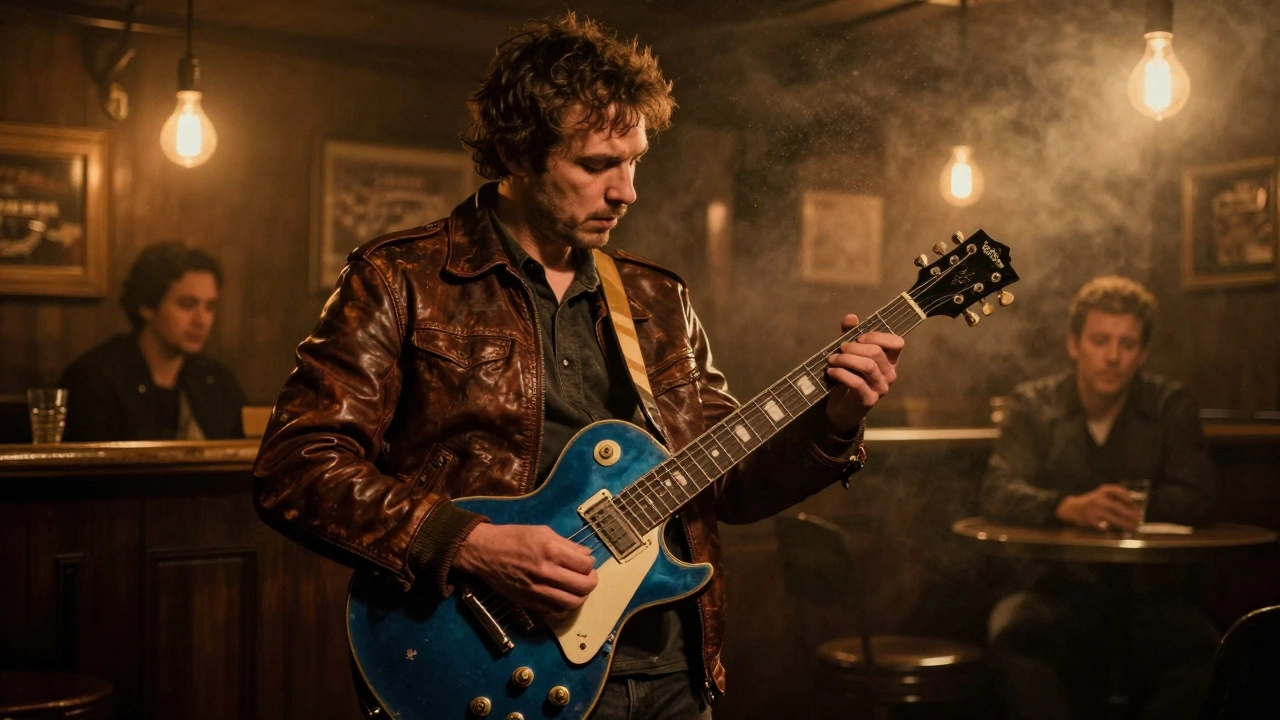
When you’re a blues guitarist or bandleader, your music speaks louder than words. But when the mic is turned toward you-whether it’s for a radio interview, a podcast, or a magazine feature-you need to say something that matches the depth of your sound. Talking about blues isn’t just about chords and scales. It’s about stories, struggles, and the people who kept the music alive when no one else was listening.
Know Your Roots Before You Speak
You don’t need to name every blues legend from Memphis to Chicago, but you should be able to explain how they shaped your playing. If you say you learned from Robert Johnson, be ready to say how-was it the slide technique, the vocal phrasing, the way he left space between notes? If you grew up listening to B.B. King, explain what you took from his vibrato, not just that you "loved his tone."
Blues isn’t a genre you pick up-it’s a lineage you inherit. When asked where your sound comes from, name one or two artists who changed the way you approached the guitar. Mention how their influence shows up in your own playing. For example: "I play with a lot of space because Freddie King taught me that silence can be as heavy as a bent note."
Be Specific About Your Band’s Sound
Every bandleader gets asked: "What makes your band different?" Don’t say "We’re authentic" or "We play real blues." Those phrases mean nothing. Instead, describe the ingredients:
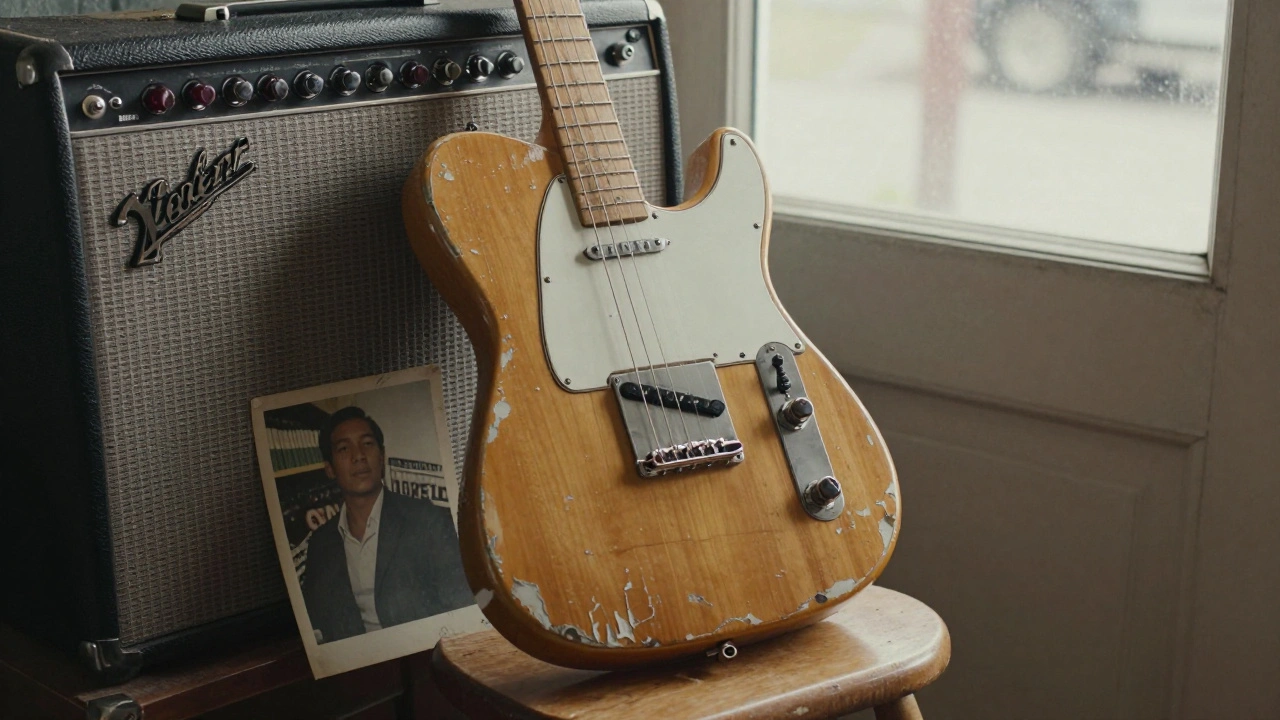
- Do you use a Fender Telecaster with a 1960s amp and no pedals? Say so.
- Is your drummer playing a snare with no muffling, just a raw, snappy backbeat? That’s a choice.
- Do you feature a harmonica player who learned from Sonny Boy Williamson II? That’s a connection.
One Portland band I heard last year described their sound as "Chicago blues meets Louisiana swamp, played on gear from the 1970s." That’s specific. That’s memorable. That’s what interviewers remember.
Share One Real Moment
People don’t want to hear about your gear collection. They want to hear about the night you played for 17 people in a bar that didn’t even have a working lightbulb-and how one man stood in the back, silent, and just nodded when you finished your solo. That’s the moment that matters.
Think of one time your music made someone feel something. Maybe it was a veteran who came up after a show and said, "You played the same song my brother used to play in Vietnam." Maybe it was a kid who asked if he could borrow your guitar to try a bend. Those stories are your currency.
Blues is about truth. Don’t make up a story. But don’t hide the real ones either. A single honest moment will carry more weight than ten rehearsed answers.
Explain Why You Still Do This
Why do you keep playing blues in 2026? Streaming doesn’t pay much. Venues are closing. Younger audiences don’t know the names. So why?
Don’t say "I love the music." That’s too vague. Say: "I play because the blues still holds space for people who feel broken. I’ve seen it-women in their 60s crying when I play a slow 12-bar. Men who don’t speak to anyone else in the room will tap their foot like they’re remembering something they lost. That’s not entertainment. That’s medicine."
One bandleader from Jackson, Mississippi told a journalist: "I don’t play to be famous. I play because I owe it to the ones who didn’t make it out."
That’s the kind of answer that sticks.
Know Your Gear Like a Storyteller
You don’t need to name every model of amp you’ve owned. But if you’ve got a 1968 Fender Bassman that you got from a guy in a pawn shop in New Orleans, and it’s the one that taught you how to control feedback, then tell that story. Gear matters because of the memories attached to it.
Blues players don’t collect gear-they collect history. A worn-out Stratocaster with the neck repaired with duct tape? That’s not junk. That’s a witness. Say so.
When asked about your guitar, don’t say "It’s a Gibson." Say: "It’s a 1972 Les Paul Custom I bought for $300 in 1999. The bridge was cracked. I fixed it with a piece of a broom handle. It still sings like my old uncle used to sing in church."
What Do You Want People to Take Away?
Most interviews end with: "What message do you want listeners to get?" Your answer shouldn’t be generic. Don’t say "Stay true to yourself." That’s on a coffee mug.
Instead, say: "I want people to know that blues isn’t about being sad. It’s about being honest. You don’t have to be perfect to play it. You just have to show up."
Or: "I want the next generation to know that you don’t need a record deal to make something real. You just need a room, a guitar, and the courage to play the same chord progression for 30 minutes until it starts to breathe."
Those are messages. They’re not slogans. They’re truths.
Prepare for the Tough Questions
Interviewers will ask: "Is blues still relevant?" Don’t get defensive. Say: "It’s not about relevance. It’s about resonance. People still feel lonely. Still get passed over. Still need to scream without yelling. Blues still answers that.
Or: "What’s the biggest misconception about blues?" Answer: "That it’s old music. It’s not. It’s the oldest new music. Every generation rewrites it. We’re just the latest ones holding the pen."
Don’t rehearse these answers like lines. Let them live in you. When you believe them, they’ll come out right.
End With a Question of Your Own
Most musicians let interviews end with "Thanks for having me." That’s polite. But it’s forgettable.
Try this: "I’d love to ask you-what’s a song you’ve never forgotten?" Or: "If you could sit in with one blues player from the past, who would it be, and why?"
It flips the script. It turns the interview into a conversation. And it shows you’re not just here to promote-you’re here to connect.
What if I’m not a great speaker? Can I still do interviews?
Absolutely. Many of the best blues musicians are quiet. But they don’t need to be loud to be powerful. Focus on telling one real story. Let your silence speak too. It’s okay to pause. It’s okay to say, "I’m still figuring that out." Authenticity matters more than polish. People hear the truth in your voice-even if you stumble.
Should I mention my influences even if they’re not famous?
Yes. The blues is built on personal connections, not just legends. If your uncle played in a juke joint in Alabama and taught you how to bend a note just right, name him. If a local radio DJ in your town played Muddy Waters every Sunday and you learned from that, say so. Those are the roots that give your music soul. Fame doesn’t equal truth.
How do I talk about my band without sounding boastful?
Talk about the music, not the accolades. Instead of saying "We’ve won awards," say "We play every Friday at the same dive bar because the regulars keep coming back-even when it rains." Let the loyalty of your audience speak for you. The best bands aren’t the loudest-they’re the ones people keep coming to because they feel seen.
What if I’m asked about streaming and money?
Be honest. Say: "I don’t make a living from streaming. I make it from showing up-live shows, teaching kids, selling a few records at the door. The music isn’t about the numbers. It’s about the moments. If someone hears my song and remembers their dad, that’s worth more than a million streams." That answer doesn’t sound bitter. It sounds real.
Is it okay to say I’m still learning?
It’s not just okay-it’s necessary. The blues is a lifelong conversation. Even Albert King said he was still learning at 70. Say: "I’ve been playing for 25 years, and I still hear something new every time I pick up the guitar." That humility is what makes your music trustworthy. No one expects perfection. They expect honesty.