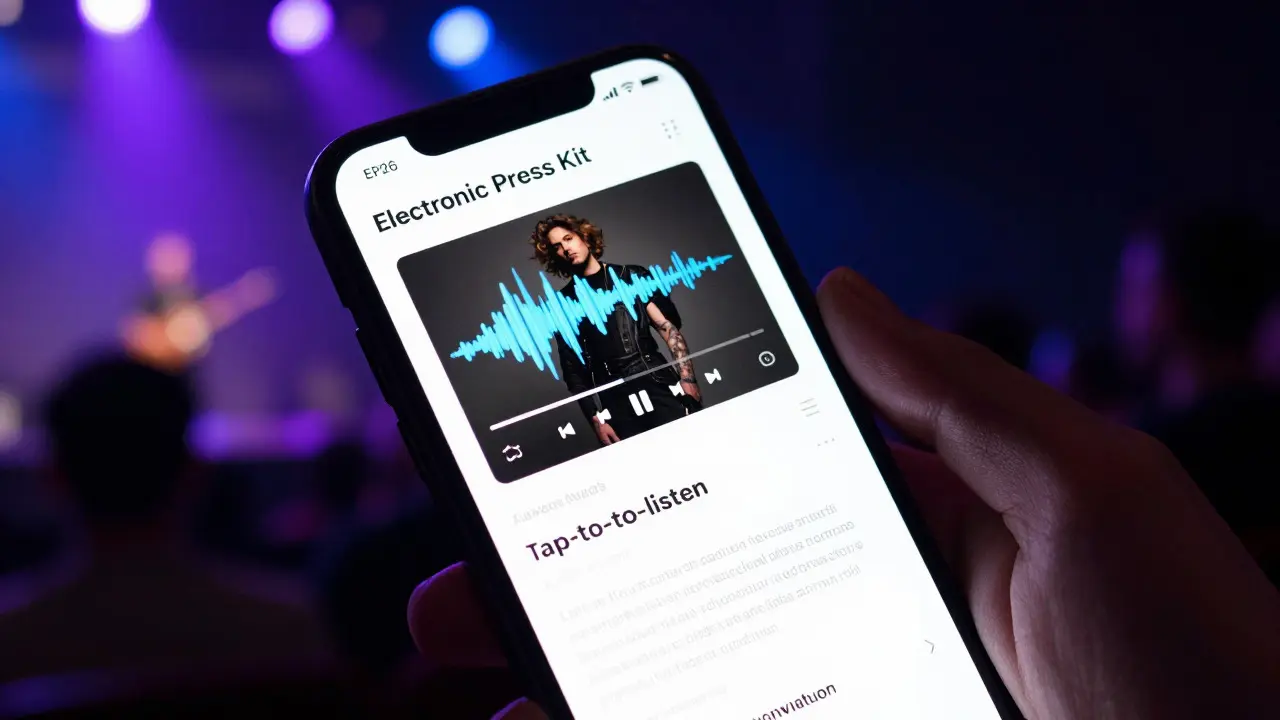
Bookers and A&R reps don't have time to dig through your email attachments. In 2026, the standard for professional music promotion is a live, mobile-friendly Electronic Press Kit (EPK) that loads in under three seconds on any device. If you are still sending PDFs via Dropbox links, you are likely losing out to artists who use dedicated EPK website builders. These platforms turn your raw assets-audio, video, bios, and photos-into a polished, searchable hub that acts as your digital business card.
The market has shifted away from generic page builders toward niche-specific tools designed specifically for creatives. You need a solution that handles high-resolution media without bloating load times, integrates seamlessly with streaming services, and looks good on a phone screen during a quick scan at a venue. This review breaks down the top contenders, comparing their ease of use, pricing structures, and specific features that matter for getting booked.
Key Takeaways
- Sonicbids remains the industry leader for direct booking integration, connecting artists directly with event organizers.
- Bandzapp offers the best all-in-one value for independent artists who want a website, store, and EPK in one package.
- Carrd is the budget-friendly choice for simple, single-page EPKs but lacks built-in audio hosting.
- WordPress + Jetpack provides maximum customization for established bands willing to manage technical maintenance.
- Mobile responsiveness is non-negotiable; 70% of EPK views happen on smartphones.
Why You Need a Dedicated EPK Platform
An Electronic Press Kit is more than just a resume. It is a dynamic presentation tool that allows promoters to instantly verify your professionalism. Unlike a static PDF, a web-based EPK can include embedded videos, interactive maps, and clickable social profiles. The primary benefit is accessibility. When a promoter sees your name in a lineup, they can tap a link and hear your latest track within seconds. Friction kills deals. Every extra step required to access your content reduces the likelihood of a booking.
Furthermore, these platforms often come with analytics. You can see which tracks people listen to most, where your traffic comes from, and how long visitors stay on your page. This data helps you tailor your pitch. If you notice that a specific cover song gets the most plays, mention it in your follow-up email. This level of insight is impossible to get from a static document.
Top EPK Website Builders Compared
| Platform | Starting Price (Monthly) | Best For | Audio Hosting | Booking Integration |
|---|---|---|---|---|
| Sonicbids | $15.99 | Professional booking & discovery | Yes (Unlimited) | Native Marketplace |
| Bandzapp | $9.99 | All-in-one site & merch store | Yes (Limited by plan) | Contact Form Only |
| Carrd | $9 (Yearly) | Simple, fast single-page sites | No (External embeds) | None |
| Wix | $16 | Visual drag-and-drop design | Yes (Storage limits) | Third-party Apps |
| WordPress | $5-15 (Hosting) | Full control & SEO depth | Plugin Dependent | Plugin Dependent |
Detailed Breakdown of Top Contenders
Sonicbids: The Booking Powerhouse
If your primary goal is to get hired, Sonicbids is the heavyweight champion. It doesn't just host your EPK; it puts it in front of potential clients. The platform connects artists with event organizers, festivals, and corporate clients. Your profile serves as both your portfolio and your application form. When you apply to a gig, your EPK is automatically attached. This saves hours of copy-pasting bios and attaching files.
The interface is clean and focused. You upload your audio once, and it’s available across all applications. The downside? It’s not a full website builder. You won’t be designing a complex multi-page blog here. But for pure utility in the booking process, nothing beats its efficiency. It’s ideal for touring musicians who need consistent, low-effort exposure to decision-makers.
Bandzapp: The Independent Artist’s Best Friend
Bandzapp targets the DIY crowd. It combines an EPK, a website, and an e-commerce store for selling merch and tickets. If you are trying to sell vinyl or T-shirts alongside promoting your next show, this is the most cost-effective option. The templates are modern and mobile-first, ensuring your content looks sharp on any device.
One standout feature is the integrated newsletter tool. You can grow your email list directly from your EPK page. This is crucial for building a direct line to fans, reducing your reliance on algorithm-driven social media. While it lacks the native booking marketplace of Sonicbids, its flexibility makes it a strong choice for artists who want to control their entire digital presence in one place.
Carrd: Minimalism Done Right
Sometimes, less is more. Carrd specializes in single-page websites. It’s incredibly fast, affordable, and easy to set up. You can have a live EPK in under 15 minutes. However, because it’s a single page, you must curate your content carefully. There’s no room for clutter.
The main limitation is audio. Carrd doesn’t host audio files natively. You’ll need to embed players from Spotify, SoundCloud, or Bandcamp. For many indie artists, this is perfectly fine since those platforms already host their masters. If you want a sleek, minimalist link-in-bio style EPK that directs traffic to your streaming profiles, Carrd is unbeatable for its price point.
Wix and WordPress: The Customization Kings
For artists with larger budgets or technical skills, Wix and WordPress offer the highest ceiling for customization. Wix provides a drag-and-drop editor that allows for pixel-perfect design control. You can create immersive experiences with parallax scrolling, custom animations, and integrated video backgrounds. It’s visually stunning but can become slow if overloaded with heavy media.
WordPress, on the other hand, is the engine behind millions of professional sites. With the right plugins (like Jetpack or specific music themes), you can build a robust EPK with advanced SEO capabilities. The trade-off is complexity. You have to manage updates, security, and performance yourself. If you have a web developer or significant technical patience, WordPress offers the most longevity and scalability for your online presence.
Critical Features to Look For
When evaluating any EPK builder, focus on these four pillars:
- Audio Quality & Speed: Ensure the platform supports high-quality MP3 or WAV uploads without compressing them excessively. Check the load speed. If your first track takes more than 5 seconds to start playing, you’ve lost the listener.
- Mobile Optimization: Test your site on a smartphone. Text should be readable without zooming. Buttons should be tappable. Video players should be responsive.
- SEO Basics: Can you edit meta titles and descriptions? Do images have alt text? Basic SEO ensures that when someone searches "[Your Band Name] live," your EPK appears at the top of the results.
- Analytics: You need to know who is visiting. Look for dashboards that show traffic sources, bounce rates, and time on page. This data informs your marketing strategy.

Common Mistakes to Avoid
Even with the best builder, you can sabotage your efforts with poor execution. Here are the most frequent pitfalls:
- Outdated Content: Nothing screams "unprofessional" like a tour date from two years ago or a photo from your previous lineup. Update your EPK quarterly.
- Too Much Text: Bookers skim. Keep your bio under 150 words. Use bullet points for achievements. Let the music do the talking.
- Broken Links: Check every link monthly. A broken Spotify link or a dead YouTube video undermines your credibility instantly.
- Ignoring Mobile: If your site isn’t mobile-friendly, you’re invisible to half your audience. Always preview in mobile view before publishing.
Choosing the Right Tool for Your Stage
Your choice depends on where you are in your career. If you are just starting out and need a quick, cheap presence, go with Carrd. If you are actively touring and need to maximize bookings, invest in Sonicbids. If you are building a brand that includes merch sales and fan engagement, Bandzapp offers the best balance of features and cost. For established acts with unique branding needs, Wix or WordPress gives you the canvas to paint exactly what you envision.
Remember, the platform is just the container. The content inside-your sound, your story, your professionalism-is what wins the deal. Choose a builder that fits your workflow, keep your content fresh, and make sure it’s accessible on any device. That’s how you turn a click into a contract.
Is an EPK still necessary in 2026?
Yes. While social media is important for fan engagement, bookers and A&R reps still prefer a centralized, professional hub for verifying an artist's legitimacy. An EPK consolidates all key information in one place, saving stakeholders time and demonstrating professionalism.
Can I use my regular website as an EPK?
You can, but it’s not ideal. Regular websites often have too much navigation, unrelated content, or slow load speeds. A dedicated EPK page (or subdomain) keeps the focus tight on the essential information: bio, music, photos, and contact details.
How much does it cost to build an EPK website?
Costs vary widely. Simple builders like Carrd start around $9/year. All-in-one platforms like Bandzapp range from $9.99 to $24.99/month. Professional booking platforms like Sonicbids start at $15.99/month. Custom WordPress builds may cost $500+ upfront plus hosting fees.
What format should my audio files be in?
MP3 is the standard for web playback due to its small file size and universal compatibility. Aim for a bitrate of 320kbps for high quality. Some platforms accept WAV, but MP3 is recommended for faster loading times on mobile devices.
Do I need a custom domain for my EPK?
It’s highly recommended. A custom domain (e.g., www.yourband.com/epk) looks more professional and is easier to remember than a subdomain provided by the builder (e.g., yourband.sonicbids.com). Most builders allow you to connect a custom domain for an additional annual fee of $10-$15.