Most people think gospel music is all about hymns and church choirs. But if you listen closely to the modern scene, you'll hear something different: grit, sweat, and raw emotion. This is where gospel blues lives. It’s a genre that takes the spiritual weight of traditional gospel and crashes it into the rhythmic, soulful pain of the blues. The result? Music that feels like it was born in a midnight session, not a Sunday service.
Let’s look at how a song like "Run On" captures this vibe. We aren't just analyzing chords; we are dissecting the human experience behind the notes. Why does a simple four-chord progression make you cry? How do you write lyrics that feel both ancient and brand new? This case study breaks down the anatomy of modern gospel blues songwriting, using "Run On" as our blueprint.
The Sound Palette: Where Gospel Meets Blues
To write effectively in this genre, you first need to understand its sonic DNA. Traditional gospel relies heavily on major keys, bright brass sections, and call-and-response structures. Classic blues, conversely, often uses minor pentatonic scales, bent notes, and a slower, dragging tempo. Modern gospel blues blends these two worlds.
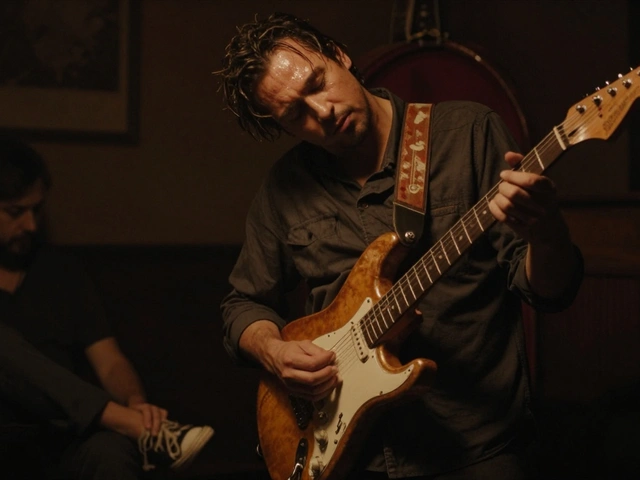
In a track like "Run On," you’ll typically hear an electric guitar with a clean but warm tone, perhaps with a slight overdrive. The rhythm section is crucial here. Instead of the tight, quantized beats of pop music, the drums should breathe. Think of a kick drum that hits slightly behind the beat, creating a laid-back, shuffling feel. The bass line shouldn't just follow the root notes; it should walk, sliding between positions to create tension.
- Key Selection: Major keys (like C or G) provide hope, while mixing in minor vamps introduces doubt. This duality is the heart of the genre.
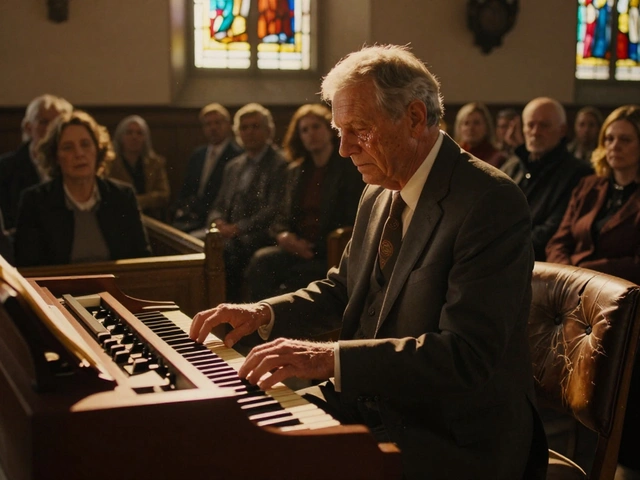
- Instrumentation: Electric piano (Rhodes or Wurlitzer) adds warmth without overpowering the vocals. A Hammond organ can be used for swells during climaxes.
- Dynamics: Start sparse. Let the vocal carry the first verse. Bring in the band gradually, building to a full, chaotic wall of sound by the final chorus.
Lyric Craft: Vulnerability Over Preaching
Here is where many writers stumble. They try to preach from the page. In modern gospel blues, you don’t preach; you confess. The listener doesn't want to be told what to believe; they want to feel understood in their struggle.
Look at the title "Run On." It implies exhaustion, persistence, and a refusal to stop despite fatigue. These are universal themes. When writing lyrics for this style, focus on specific, tangible details rather than abstract concepts.
- Avoid clichés: Instead of saying "my spirit is heavy," say "my shoes are soaked through." Concrete imagery grounds the spiritual metaphor in physical reality.
- Use repetition strategically: Blues thrives on repetition, but it must evolve. Repeat a phrase, but change one word each time to show progress or deepening pain.
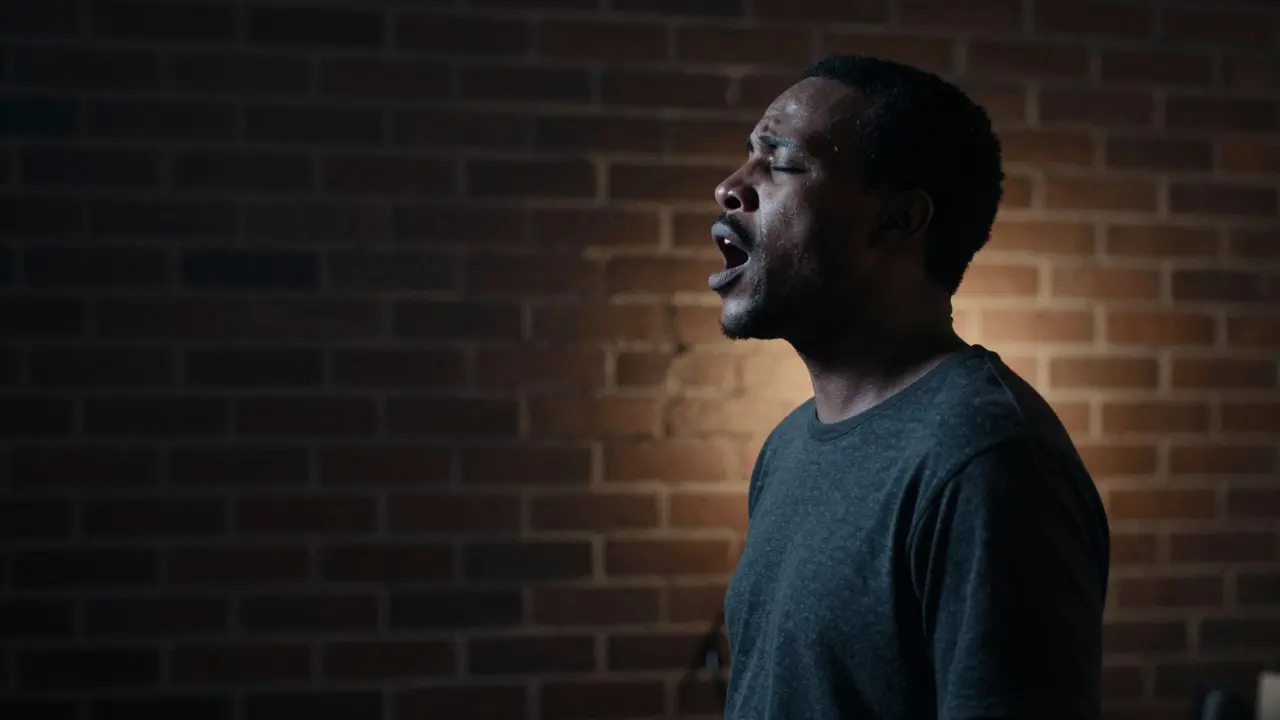
- Embrace imperfection: A shaky voice in the recording is not a flaw; it’s a feature. It signals authenticity. Write lyrics that allow for vocal cracks and breaths.
The narrative arc of "Run On" likely follows a journey from despair to determination. Verse one sets the scene of hardship. The pre-chorus builds the tension. The chorus releases the emotion with the hook. The bridge offers a moment of reflection before the final, explosive release.
Structural Framework: The Blueprint
Structure in gospel blues is less rigid than in pop, but it still needs a spine. Without structure, the song can meander and lose the listener. Here is a standard framework that works well for tracks like "Run On":
| Section | Function | Typical Length | Vocal Approach |
|---|---|---|---|
| Intro | Set the mood, establish key | 4-8 bars | Instrumental or hummed melody |
| Verse 1 | Introduce the problem/struggle | 8-16 bars | Conversational, low energy |
| Chorus | State the central theme/hook | 8 bars | Fuller, melodic, memorable |
| Verse 2 | Deepen the story, add detail | 8-16 bars | Slightly more intensity |
| Bridge | Perspective shift or climax build | 8 bars | High pitch, sustained notes |
| Outro | Resolution or fade out | Variable | Ad-libbing, group singing |
Notice the flexibility in the outro. In gospel traditions, the ending is often communal. Even in a studio setting, layering multiple vocal lines or allowing for improvisation creates a sense of shared experience. This is a key differentiator from secular blues, which might end with a sharp guitar riff. Gospel blues ends with a sigh of relief or a shout of victory.
Emotional Dynamics: The Art of Tension and Release
Why does this genre hit so hard? It’s because of the dynamic contrast. If everything is loud, nothing is loud. If everything is quiet, nothing is quiet. You need to manage the energy curve of the song carefully.
Consider the concept of "space." In the early verses, leave gaps in the arrangement. Let the silence between the words hang in the air. This forces the listener to lean in. As the song progresses, fill those spaces with instrumentation. By the final chorus, the song should feel like it’s bursting at the seams.
Vocal dynamics play a huge role here. Start with a chest voice, grounded and stable. As the emotion rises, move up into the head voice, adding vibrato and bends. The transition from controlled speech-like singing to full-throated belting is the emotional peak of the piece. This technique, often called "vocal pushing," requires practice but delivers immense payoff.
Common Pitfalls to Avoid
Even experienced writers can fall into traps when crossing genres. Here are three common mistakes to watch out for:
- Over-production: Too many effects kill the intimacy. Keep the vocal dry and close-mic’d. Let the rawness shine through.
- Mismatched Tempo: Gospel blues needs room to breathe. If your BPM is above 90, you’re likely drifting into R&B or Soul territory. Aim for 70-85 BPM for that authentic shuffle.
- Lyrical Abstraction: If you can’t visualize the scene you’re describing, neither can the listener. Ground your metaphors in physical reality.
Practical Exercise: Writing Your Own "Run On"
Ready to try it? Follow these steps to draft a basic gospel blues track:
- Choose a Struggle: Pick a specific personal challenge (e.g., financial stress, relationship doubt, health issues).
- Find the Hook: What is the one phrase that sums up your reaction? Is it "Keep Going," "Don't Stop," or "Hold On"? Make it simple.
- Map the Emotions: Assign an emotion to each section. Verse 1: Confusion. Chorus: Determination. Bridge: Hope.
- Write the Lyrics: Use concrete images. Don't say "I am sad." Say "The coffee cup is empty and cold."
- Compose the Melody: Hum over a simple I-IV-V chord progression. Let the melody dip and rise with the natural cadence of your speech.
Remember, the goal isn't perfection. It’s connection. If your listener feels seen, you’ve done your job.
What is the difference between gospel blues and traditional gospel?
Traditional gospel focuses on praise, joy, and structured choruses, often using major keys and brass instruments. Gospel blues incorporates elements of the blues genre, such as minor keys, bent notes, slower tempos, and themes of struggle or sorrow, blending spiritual faith with earthly pain.
What tempo is best for gospel blues songs?
The ideal tempo range is typically between 70 and 85 BPM. This allows for a shuffling, laid-back feel that gives space for vocal expression and instrumental breaks. Faster tempos tend to push the genre toward R&B or Soul.
How important is vocal improvisation in this genre?
Vocal improvisation, or ad-libbing, is crucial. It demonstrates spontaneity and emotional depth. While the main lyrics should be written, leaving space for improvised lines during the bridge or outro adds authenticity and engages the listener more deeply.
Can I use electronic instruments in gospel blues?
Yes, but sparingly. Electronic pads or synths can add texture, but the core sound should remain organic. Acoustic guitars, live drums, and analog keyboards (like Rhodes or Wurlitzer) are preferred to maintain the gritty, human feel of the genre.
What are some key lyrical themes in modern gospel blues?
Common themes include perseverance through hardship, finding strength in faith during crisis, gratitude after suffering, and the duality of human weakness and divine support. Specific, personal anecdotes work better than general theological statements.