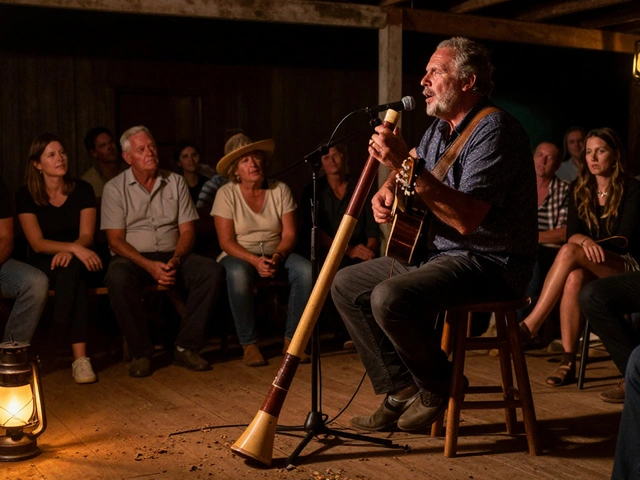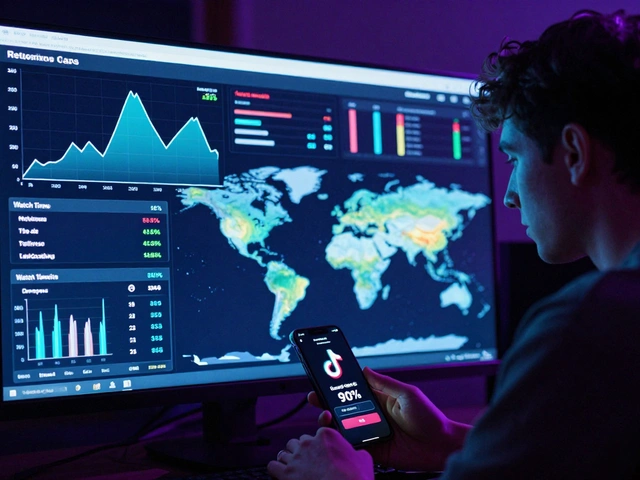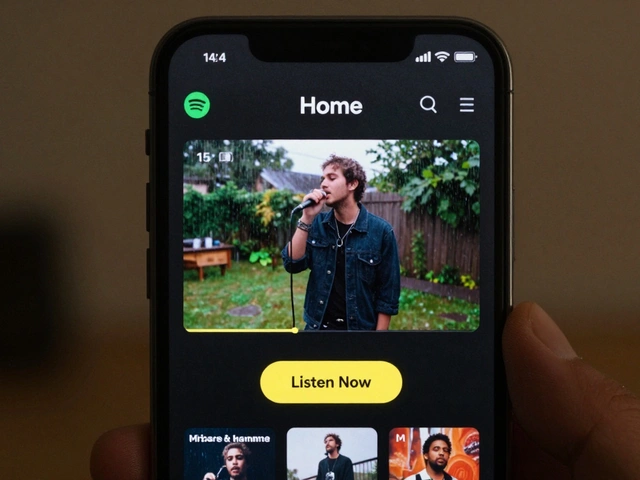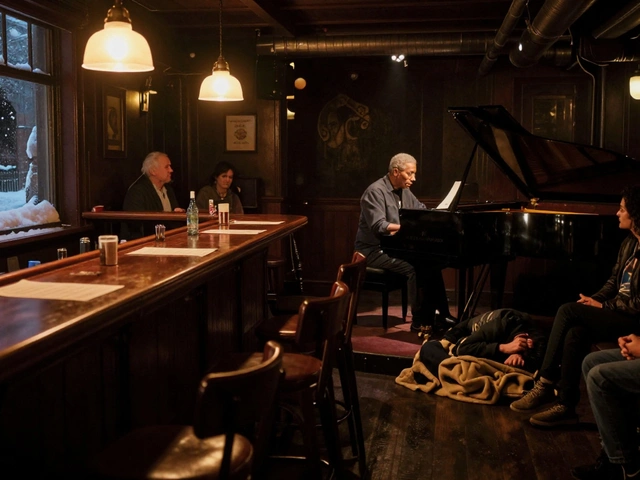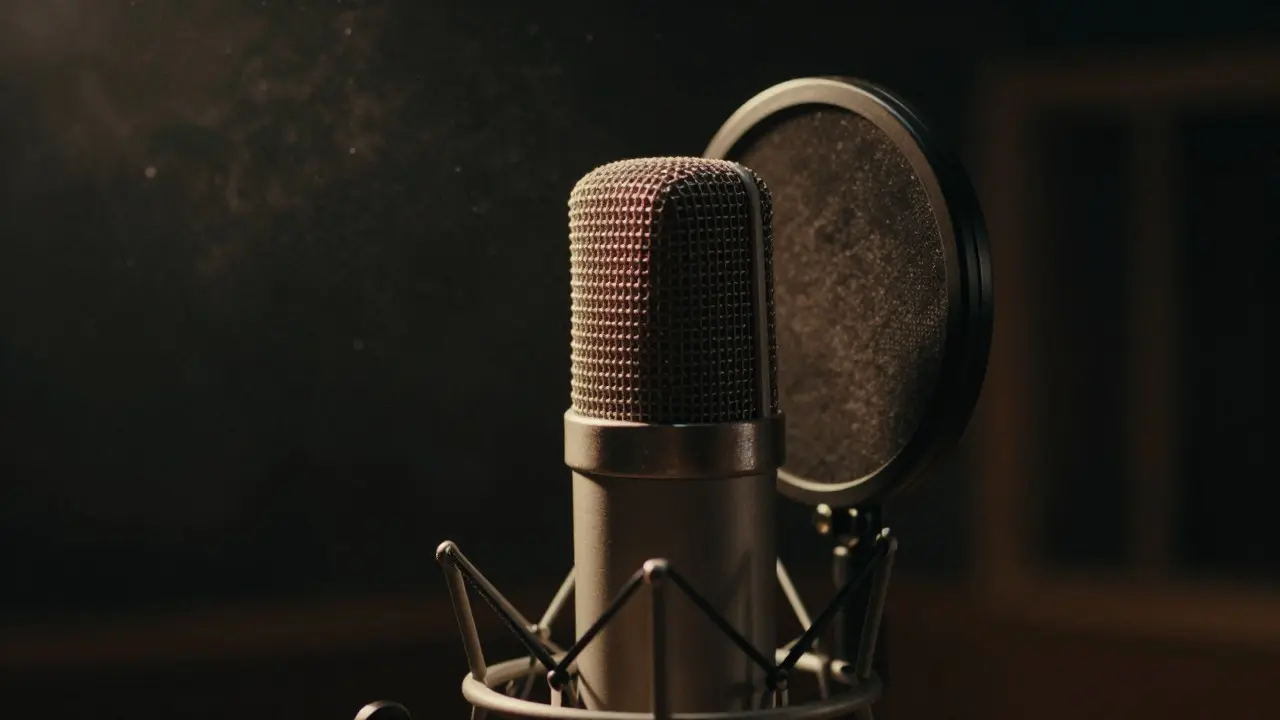
Imagine this: it’s 11:58 PM on a Tuesday. Your fans are scrolling through their feeds, bored and distracted. Then, they see your post. A single frame of a studio mic. No text. Just the sound of a deep breath before the first note. They stop. They share. By morning, the anticipation is palpable.
This isn't magic; it's countdown content. It is the strategic sequence of posts, videos, and interactions designed to build hype leading up to a music drop. If you are an independent artist or a label manager, treating the two weeks before a release as just "waiting time" is a mistake. This period is where you convert casual listeners into dedicated fans who will stream your new track on day one.
Why the Pre-Release Phase Matters More Than Launch Day
Most artists focus all their energy on the day the song goes live. But the algorithm doesn't care about your feelings; it cares about engagement velocity. If you post a link to a brand-new song with zero prior context, the platform might treat it as spam or low-interest content. However, if you have spent ten days building a narrative around that song, your audience is primed to engage.
The goal here is not just to announce the date. It is to create an emotional arc. You want your audience to feel like they are part of an exclusive event. When the actual release happens, it feels less like a download and more like a culmination of a story they helped write. This psychological investment leads to higher save rates, shares, and comments, which signals to Spotify, Apple Music, and Instagram that your content is worth pushing further.
The Anatomy of a Successful Countdown Sequence
A strong countdown isn't random. It follows a specific rhythm. Think of it in three distinct phases: The Mystery, The Context, and The Proof.
- The Mystery (Days 10-7): Keep it vague. Use visual snippets, audio loops, or cryptic captions. The goal is curiosity. Don't reveal the title or the cover art yet. Let them guess. Ask questions like "What do you hear?" or "Guess the vibe."
- The Context (Days 6-3): Start revealing the story behind the song. Who did you collaborate with? What inspired the lyrics? Show the studio session. Humanize the process. This builds a connection between the fan and the creator.
- The Proof (Days 2-1): Give them a taste. Post a 15-second clip of the chorus. Reveal the official cover art. Confirm the exact time and platform. Remove any ambiguity. The only question left should be "When can I listen to the full version?"
Consistency is key here. Posting every other day is better than posting daily but inconsistently. Pick a schedule you can sustain without burning out, and stick to it.
Crafting Teasers That Actually Stop the Scroll
Your teaser needs to work hard because attention spans are short. On platforms like TikTok and Instagram Reels, you have about three seconds to hook someone. Here is how to make those seconds count:
- Use Audio Hooks: Take the most catchy four bars of your new track. Loop it. Add a visual that matches the energy. If the song is sad, show rain or a dimly lit room. If it's upbeat, show movement and bright colors.
- Leverage Visual Contrast: If your usual aesthetic is bright and colorful, go monochrome for the teaser. The change in pattern interrupts the scroll. The brain notices what is different.
- Create Interactive Elements: Use polls, quizzes, or "this or that" features. For example, show two potential cover art designs and ask followers to vote. This guarantees engagement metrics that boost your reach.
Don't forget the caption. Avoid generic phrases like "New music soon." Instead, use specific details. "Wrote this at 3 AM after a long drive. Who else has ever driven until the city lights blurred?" Specificity invites connection.
Hints vs. Reveals: Balancing Information Disclosure
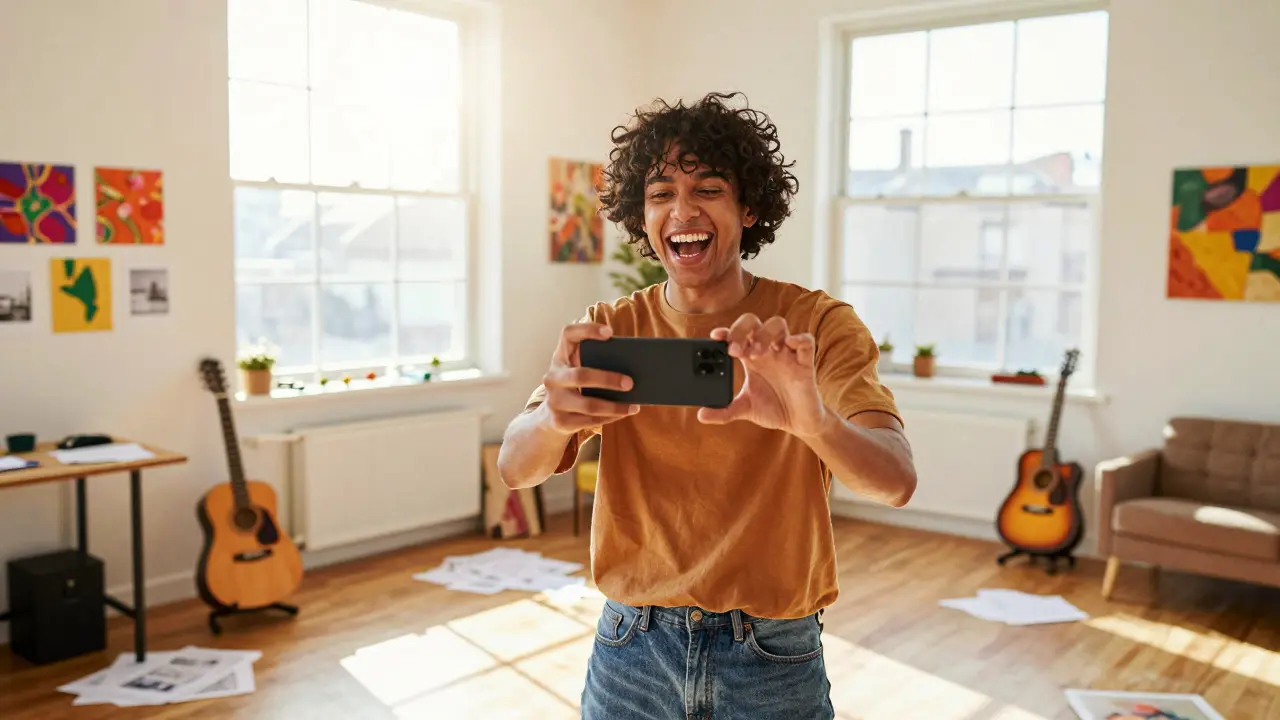
There is a fine line between teasing and confusing. If you hide too much, fans get frustrated. If you reveal too much too early, you lose the element of surprise. The best approach is to reveal facts, not feelings, early on.
Tell them the genre shift. Tell them the feature artist. These are concrete facts that help listeners decide if the song fits their taste. But keep the emotional impact for the final reveal. Save the high-energy chorus or the surprising bridge for the last few days. This ensures that when they finally press play, they experience the full dynamic range of the track for the first time.
Also, consider the medium. A hint works well in a static image on Instagram. A reveal works best in a video on YouTube or TikTok. Match the format to the information. Static images are good for announcements. Videos are good for emotional storytelling.
Platform-Specific Strategies for Maximum Reach
Not all platforms serve the same purpose in your countdown. Understanding their unique strengths helps you allocate your effort effectively.
| Platform | Best For | Content Format | Engagement Goal |
|---|---|---|---|
| TikTok | Viral Potential & Discovery | Short-form video (15-60s) | Shares & Saves |
| Aesthetic Branding & Community | Reels, Stories, Carousels | Comments & DMs | |
| YouTube | Long-form Storytelling | Vlogs, Behind-the-Scenes | Watch Time & Subscriptions |
| Twitter/X | Real-time Updates & Industry Network | Text, Threads, Short Video | Retweets & Quote Tweets |
For example, use TikTok to challenge users to dance to your hook. Use Instagram Stories to poll your audience on cover art choices. Use YouTube to post a five-minute vlog about the recording process. Each platform serves a different role in the ecosystem. Don't just cross-post the same content everywhere. Adapt the message to the medium.
Common Mistakes That Kill Hype
Even with a great song, poor execution can ruin the launch. Here are the pitfalls to avoid:
- Inconsistent Timing: If you say the song drops Friday at 12 PM, make sure it is live exactly then. Delays frustrate fans and look unprofessional.
- Over-Saturation: Posting five times a day for two weeks can annoy your core audience. Quality over quantity always wins.
- Ignoring Feedback: If fans comment asking for more details, reply. Engagement is a two-way street. Silence makes you seem distant.
- Neglecting Email: Social media algorithms change. Your email list is the only channel you truly own. Send a simple reminder two days before the drop.
Remember, the countdown is a marathon, not a sprint. Pace yourself. Keep the energy steady, not erratic.
Measuring Success Beyond Stream Counts
How do you know if your countdown worked? Don't just look at the number of streams on day one. Look at the behavior changes.
Check your follower growth during the pre-release week. Did you gain new followers? Check your engagement rate on teaser posts compared to your average. Was it higher? Check your email open rates. Did people click the link to pre-save the song?
If your pre-save numbers are high, your countdown was effective. Pre-saves are the strongest predictor of first-day streaming success. They tell you that people intend to listen. Aim for at least 10-15% of your current monthly listeners to pre-save your new track. If you are below that, adjust your strategy for the next release. Maybe your teasers were too vague. Maybe your timing was off. Data tells you what to fix.
Frequently Asked Questions
How long should a music release countdown last?
The ideal length is typically 7 to 14 days. Less than seven days may not give enough time to build momentum, while more than fourteen days risks losing interest. For major releases, 14 days is standard. For singles, 7 days is often sufficient.
What is the best time of day to post countdown content?
Generally, late afternoon (3 PM - 6 PM) and evening (7 PM - 9 PM) perform best for music audiences. These are times when people are winding down from work or school and looking for entertainment. However, check your own analytics to see when your specific followers are most active.
Should I reveal the song title before the release?
Yes, usually within the last 3-5 days. Keeping the title secret for too long can confuse fans who want to search for the song. Revealing it early enough allows them to add it to their pre-save lists and discuss it with friends.
How many pieces of content should I post during the countdown?
Aim for 5 to 10 high-quality pieces of content across all platforms combined. This includes feed posts, stories, reels, and emails. Consistency is more important than volume. Better to post three excellent teasers than seven mediocre ones.
Does countdown content matter for established artists?
Yes. Even with a large existing fanbase, established artists benefit from countdowns. It re-engages passive followers and creates a sense of exclusivity. It also gives radio stations and playlist curators a reason to pay attention to the upcoming release.