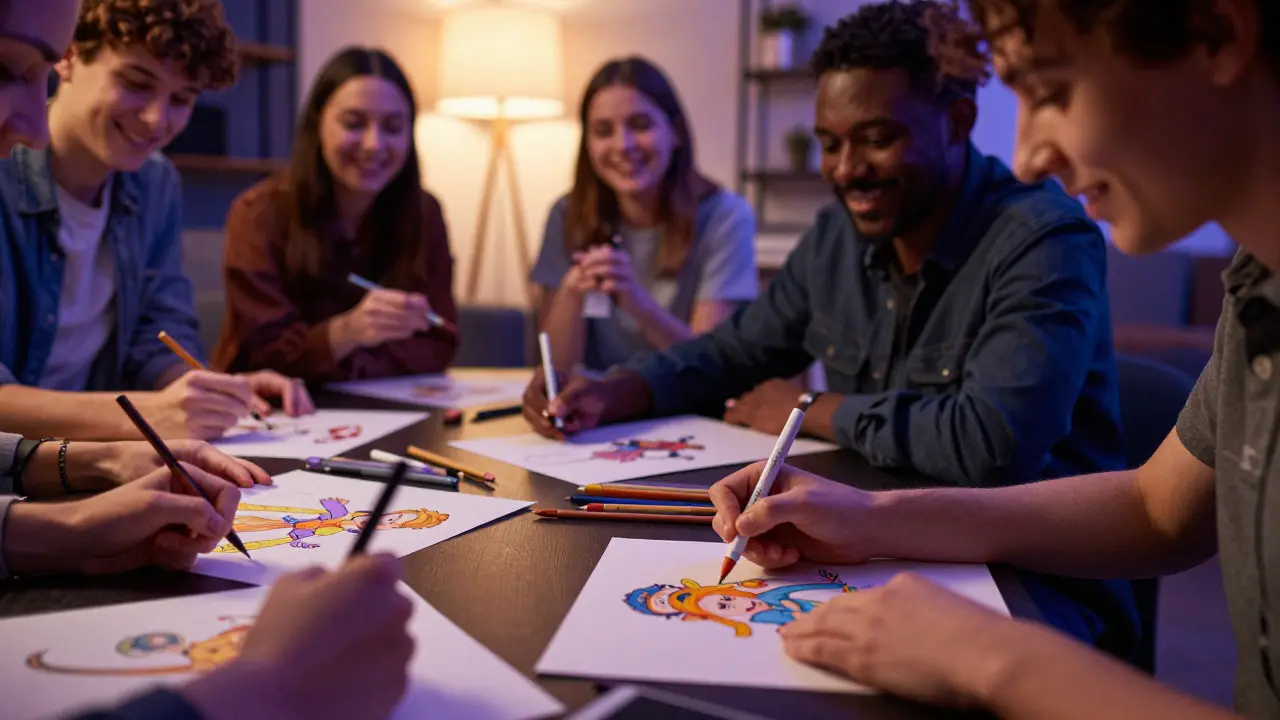
Imagine your new single drops on a Friday, and by Sunday, half the internet is sharing hand-drawn portraits of your album cover. That’s not just luck; that’s a well-oiled fan art contest doing its job. For artists and labels, these contests are more than just fun-they’re strategic tools to turn passive listeners into active creators. But here’s the catch: if your rules are vague or your prizes feel like an afterthought, you’ll get crickets instead of a flood of creativity. This guide breaks down exactly how to structure rules that protect your IP while inspiring fans, and how to pick prizes that actually motivate people to draw, paint, or animate.
Why Fan Art Works for Music Marketing
Fan art transforms a listener’s emotional connection into a tangible asset. When a fan spends three hours painting your character from the lyric video, they’ve invested time and emotion. That investment makes them far more likely to share the work with their own social circles. According to recent engagement data in the music industry, user-generated content (UGC) drives up to 30% higher conversion rates for merchandise and tickets compared to standard promotional posts. The key is making the creation process easy and the reward worth it.
Unlike generic social media campaigns, fan art contests create a community around a specific creative prompt. You aren’t just asking for likes; you’re asking for labor. That means the barrier to entry needs to be low enough for casual doodlers but high enough to challenge skilled artists. Balancing this is where most campaigns fail. If the prompt is too broad, like “draw anything,” you get clutter. If it’s too narrow, you limit participation. Specificity is your friend. Ask for a specific scene, a specific color palette, or a specific mood tied to the track’s theme.
Crafting Clear and Fair Contest Rules
Vague rules lead to disputes. Disputes kill momentum. Your rule set should answer every possible question a participant might have before they even ask it. Start with the eligibility criteria. Are you limiting entries to residents of specific countries? Do you require participants to be 18+? Be explicit. Ambiguity here causes legal headaches later, especially when it comes to prize shipping or digital delivery.
Next, define the submission format. This is critical for judging efficiency. If you accept JPEGs, PNGs, and GIFs, specify the maximum file size. A common pitfall is receiving 50MB files that crash the email inbox or upload portal. Standardize this: "Submit one image, max 10MB, in JPG or PNG format." Also, clarify whether multiple entries are allowed per person. Usually, limiting it to one entry per artist keeps the quality high and the judging process manageable.
Copyright is the elephant in the room. Fans often worry about losing ownership of their work. In most commercial contexts, you want a license, not full copyright transfer. Use simple language: "By entering, you grant [Artist Name] a non-exclusive, royalty-free license to use the winning artwork for promotional purposes for 12 months." This protects your ability to use the art on posters or social media without paying royalties, while reassuring fans that they still own the original piece. Always include a deadline with a clear time zone reference, such as "11:59 PM PST," to avoid timezone confusion among global fans.
Selecting Prizes That Actually Motivate
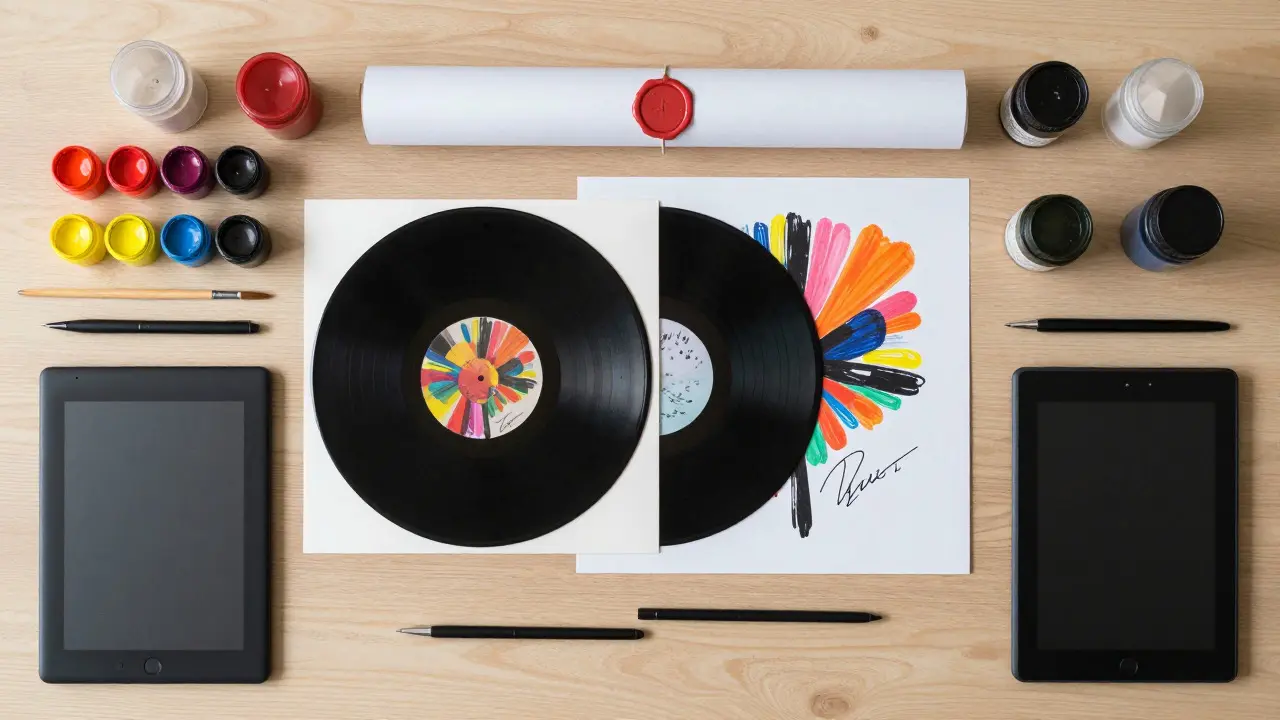
The best prize isn’t always the most expensive. It’s the one that feels personal and exclusive. Cash prizes are great, but they can attract professional freelancers who view the contest as gig work rather than fandom. To keep the vibe authentic, lean into experiential or exclusive physical rewards. Consider these categories:
- Exclusive Merch: Limited edition vinyl, signed posters, or custom t-shirts featuring the winning art. This validates the artist’s contribution directly.
- Experience Access: Backstage passes, meet-and-greets, or a video call with the band. These memories last longer than cash.
- Digital Perks: Early access to tickets, a month of premium streaming service, or a custom wallpaper pack.
- Cash/Hybrid: A modest cash prize ($100-$500) combined with the above items works well for broader appeal.
Avoid generic gift cards unless they’re for highly relevant platforms, like Adobe Creative Cloud credits for digital artists. Specificity shows you understand the craft. If you’re targeting tattoo artists, a session credit at a local studio is infinitely more valuable than a $50 Amazon card.
Step-by-Step Execution Guide
Running a contest sounds simple until you’re managing hundreds of submissions. Here is a streamlined workflow to keep things organized:
- Define the Prompt: Create a visual brief. Include reference images, color codes, and thematic keywords. Post this alongside the announcement.
- Set the Timeline: Give fans at least 7-10 days. Less than that feels rushed; more than two weeks loses momentum. Set a hard deadline.
- Choose the Platform: Use Instagram hashtags for reach, but collect entries via a dedicated form (like Typeform or Tally) to avoid inbox chaos. Ensure the form asks for name, contact info, and a link to the source file if necessary.
- Promote Strategically: Don’t just post once. Remind followers at day 1, day 4 (mid-point), and day 7 (last call). Feature top early entries to spark competition.
- Judge Transparently: Form a small panel (you, a manager, and maybe a trusted fan representative) to score entries based on creativity, technical skill, and adherence to the prompt. Avoid letting popularity votes decide the winner unless you have a massive, verified follower base.
- Announce and Deliver: Announce the winner publicly within 48 hours of the deadline. Send the prize immediately. Delayed rewards sour the experience.
Common Pitfalls to Avoid
Even experienced marketers stumble on these issues. Watch out for:
- Unclear Judging Criteria: If fans don’t know what you’re looking for, they’ll guess. Define "best" in terms of technique, storytelling, or originality.
- Ignoring Legal Nuances: If you plan to sell merch featuring the fan art, you need a clearer licensing agreement. Consult a lawyer for high-stakes commercial uses.
- Poor Communication: If you change rules mid-contest, announce it clearly. Silence breeds suspicion.
- Neglecting Runners-Up: Recognizing second and third place keeps morale high. Even a shoutout or a small digital badge helps.
Measuring Success Beyond Likes
How do you know if the contest worked? Look beyond vanity metrics. Track the following:
- Entry Volume: How many unique submissions did you receive?
- Social Reach: Did the hashtag trend? What was the total impression count?
- Merch Sales: Did sales spike in the week following the announcement?
- Follower Growth: Did new accounts follow during the campaign period?
If you got 50 high-quality entries and 500 new followers, that’s a win, even if the hashtag didn’t hit the front page. The goal is deepening the relationship with your core audience, not just chasing viral moments.
Do I need to pay taxes on fan art contest prizes?
In many jurisdictions, including the US, prizes over a certain value (often $600) may be considered taxable income for the recipient. However, for small, non-cash prizes like merchandise, tax obligations are usually minimal or handled by the organizer issuing a 1099 form. Always check local laws or consult a tax professional for large-scale contests.
Can I use the winning fan art for commercial merchandise?
Yes, but only if the rules explicitly state that the winner grants a commercial license. A standard "promotional use" license allows you to use the art for ads and social media, but selling it on t-shirts requires a broader commercial rights clause. Make sure this distinction is clear in your entry form.
What is the ideal duration for a fan art contest?
Seven to ten days is the sweet spot. It gives casual fans enough time to create something decent without dragging on so long that interest fades. Shorter windows (3-4 days) work for simple doodles, while complex animations might need two weeks.
How do I handle copyright infringement in submitted art?
Require entrants to certify that the work is original and created specifically for the contest. Include a line in the entry form stating, "I certify this work is my original creation." If a dispute arises, the certification serves as evidence of good faith, though it doesn’t fully shield you from liability.
Should I allow AI-generated art in music fan contests?
This depends on your brand values. Some fans resent AI art, viewing it as lazy. Others embrace it as a new medium. If you allow it, specify that prompts used must be shared. If you prefer traditional human-made art, state "No AI-generated works" clearly in the rules to avoid controversy.