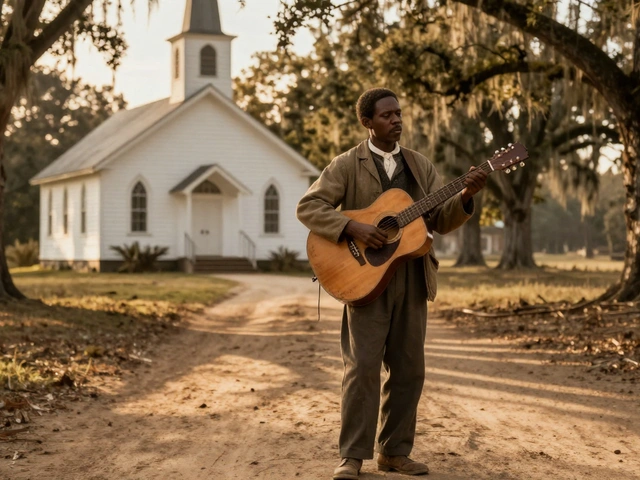
There is a specific kind of magic that happens when you strip away the digital noise and let instruments breathe. For The Muskogee Few, an independent musical collective known for blending traditional folk roots with modern indie sensibilities, the recording session isn't just about capturing notes. It is about capturing a moment in time, complete with the creak of a chair, the intake of breath before a chorus, and the subtle interplay between musicians who have played together for years.
If you have ever wondered how bands maintain that raw, organic feel in an era dominated by polished auto-tune and grid-perfect editing, looking behind the curtain of The Muskogee Few’s latest sessions offers some serious lessons. They don’t rely on heavy processing to fix mistakes. Instead, they rely on preparation, chemistry, and smart microphone placement. Let’s look at exactly how they build their sound, from the room choice to the final mix.
The Room Is the First Instrument
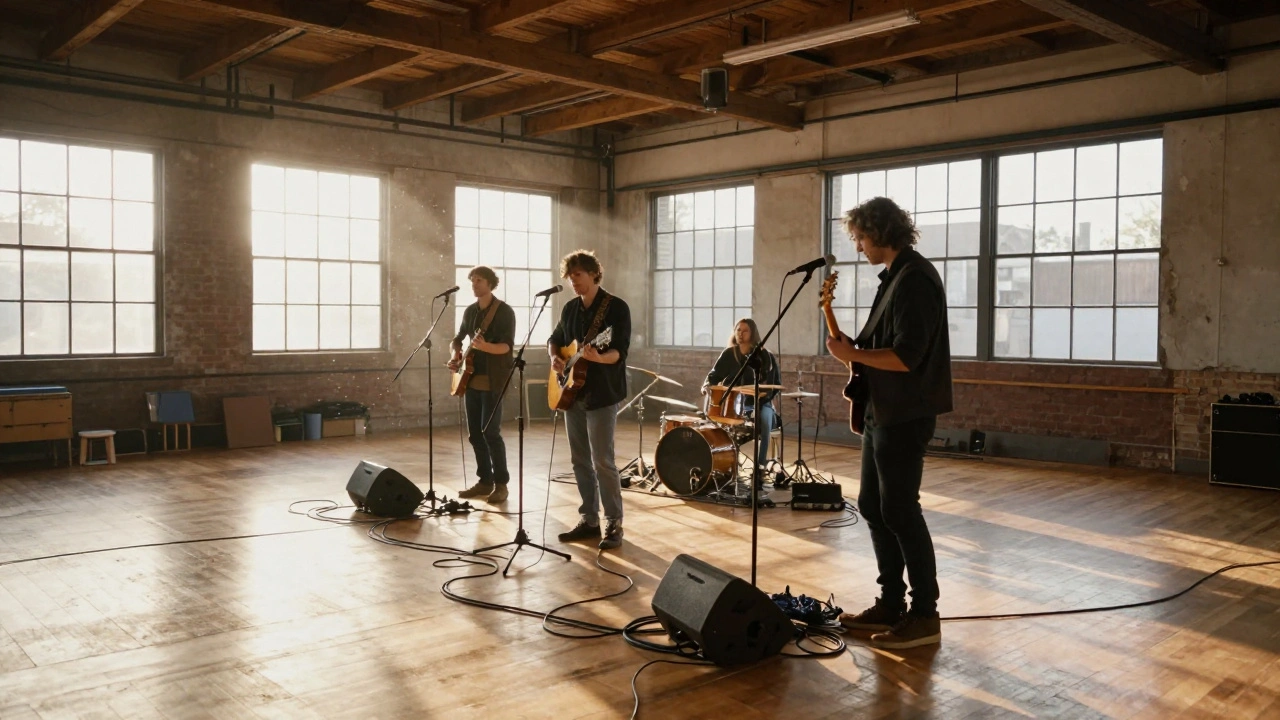
Before any cables are plugged in, The Muskogee Few spend time selecting the right environment. You cannot fake a great room tone. If the space sounds dead or boxy, no amount of reverb plugins will save it later. For their recent EP, the band chose a converted warehouse in Portland, Oregon, with high wooden ceilings and hardwood floors. This space provided natural warmth and a slight slap-back echo that added depth to their acoustic guitars and vocals without needing artificial effects.
The engineer sets up microphones to capture this ambient sound intentionally. They use stereo pairs of large-diaphragm condenser mics placed several feet back from the band. These "room mics" pick up the energy of the performance as a whole. When you listen closely to their tracks, you hear that sense of space. It feels like you are sitting in the room with them. This approach contrasts sharply with the isolation-heavy methods used in pop production, where every instrument is recorded separately in soundproof booths. The Muskogee Few prefer bleed-when the drums leak into the vocal mic-as a feature, not a bug. It glues the track together naturally.
- Avoid dead spaces: Carpeted rooms absorb too much high frequency, making recordings sound dull.
- Seek natural reverb: Hard surfaces reflect sound, adding character and size.
- Test the acoustics: Clap your hands and listen to how the sound decays. A smooth decay indicates a balanced room.
Capturing Performance Over Perfection
The core philosophy of The Muskogee Few’s recording process is prioritizing emotion over technical perfection. In many modern studios, artists record dozens of takes, piecing together the best phrases-a technique called comping. While useful, this can kill the spontaneity of a song. The Muskogee Few aim to capture full takes, start to finish. If a singer hits a wrong note but delivers an incredible emotional peak, they keep it. If the timing is slightly rushed but the groove feels infectious, they leave it alone.
This requires intense preparation before hitting the record button. The band rehearses extensively until the songs are second nature. This allows them to focus on expression during the session rather than worrying about hitting the right chords. The producer acts more like a coach than a technician, encouraging risk-taking and improvisation. Often, the best moments come from unplanned deviations-a guitarist adding a spontaneous flourish or a vocalist changing a lyric mid-song because it felt right in that instant.
Consider the track "Dust and Rain." The final version includes a moment where the drummer drops out for two bars unexpectedly. It wasn't in the arrangement beforehand. It happened live, and everyone reacted instinctively. That surprise element gives the song its dynamic lift. You simply cannot replicate that kind of human reaction through programmed beats or edited-in silence.
Microphone Selection and Placement
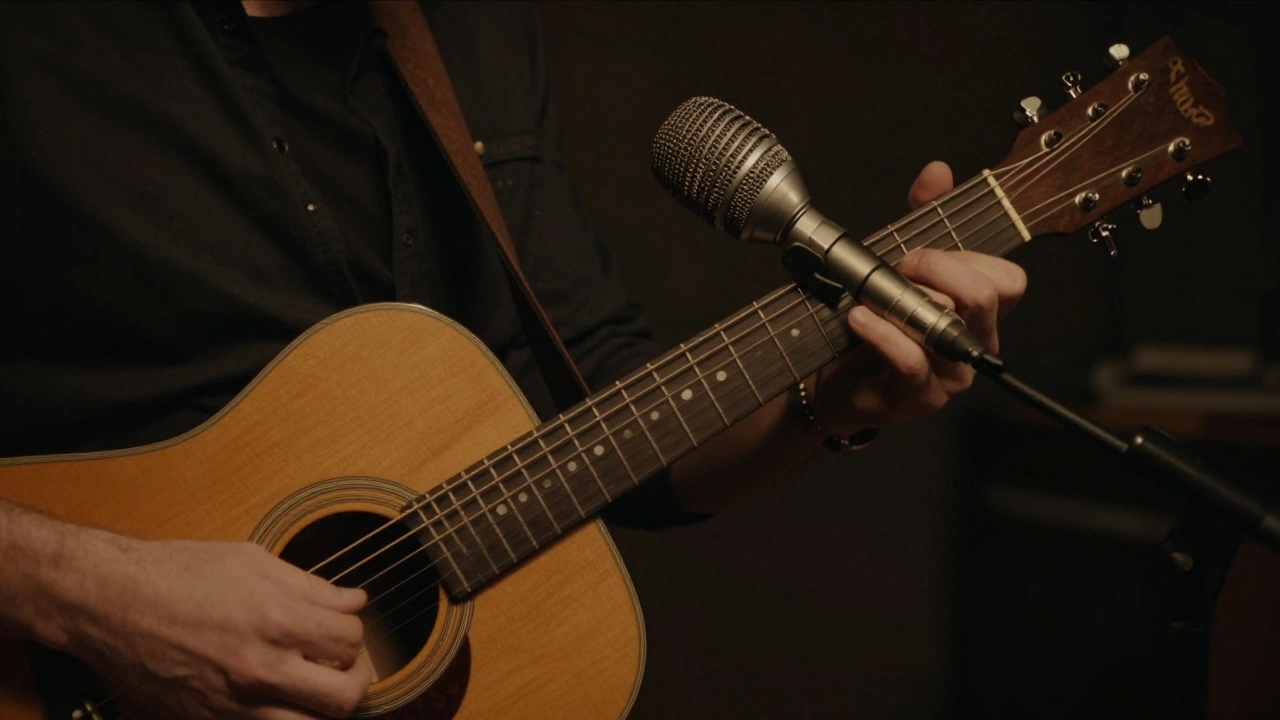
Choosing the right microphones is critical for achieving their signature warm, vintage-inspired tone. The Muskogee Few favor dynamic microphones for vocals and electric guitars because these mics handle high sound pressure levels well and add a pleasing compression characteristic. Specifically, they often use ribbon microphones for acoustic instruments. Ribbon mics have a smoother high-end response compared to condensers, which can sometimes sound harsh or brittle. This smoothness helps blend multiple instruments without creating frequency clashes.
Placement is equally important. For lead vocals, the mic is positioned close to the mouth but slightly off-axis to reduce plosives (hard 'P' and 'B' sounds) and sibilance ('S' sounds). For acoustic guitars, they place the mic near the 12th fret, pointing towards the headstock. This position captures the brightness of the strings while minimizing the booming low end from the body. Drums are miked minimally-often just one overhead pair and a kick drum mic-to preserve the natural balance of the kit.
| Instrument | Mic Type | Placement Strategy | Sonic Characteristic |
|---|---|---|---|
| Vocals | Dynamic / Ribbon | Close proximity, off-axis | Warm, intimate, controlled |
| Acoustic Guitar | Ribbon / Condenser | 12th fret, toward headstock | Bright, detailed, less boom |
| Drums | Dynamic / Condenser | Minimal setup, overheads wide | Natural balance, spacious |
| Room Ambience | Large Diaphragm Condenser | Stereo pair, far field | Depth, width, realism |
Analog Gear and Signal Chain
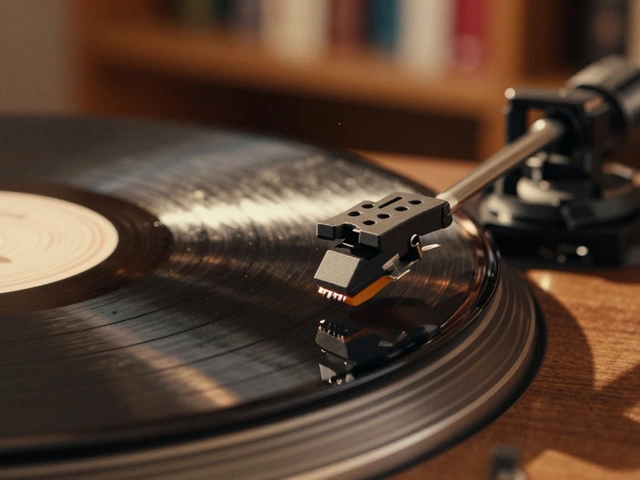
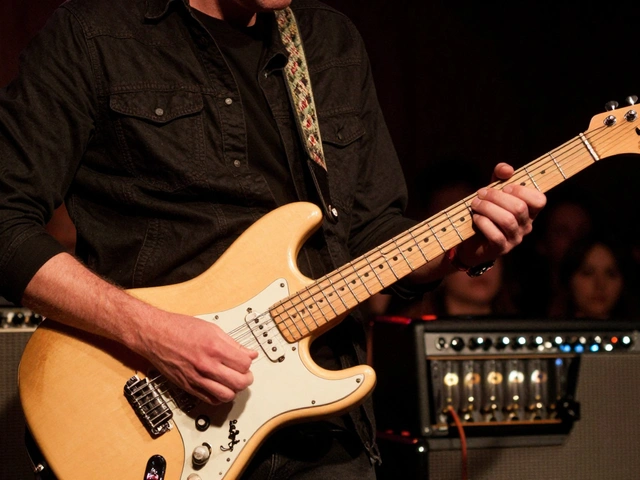
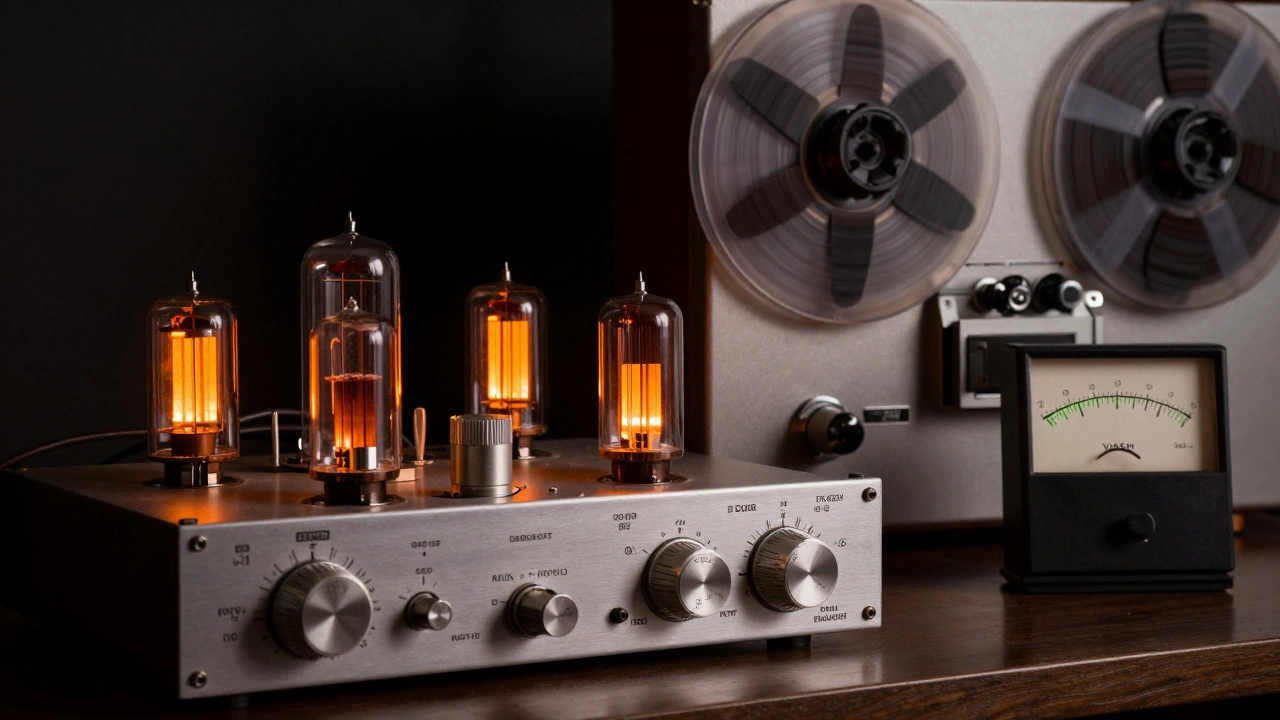
While digital audio workstations (DAWs) offer convenience, The Muskogee Few insist on using analog hardware for the initial signal path. They route microphones through vintage preamplifiers and tube compressors before converting the signal to digital. This analog saturation adds harmonic distortion-specifically even-order harmonics-which makes the sound richer and fuller. Digital signals can sound sterile; analog gear introduces subtle imperfections that our ears perceive as warmth.
They also record directly to tape machines when possible. Tape has a natural compression curve that evens out dynamics without sounding squashed. It also rolls off extreme highs and lows gently, preventing harshness. Even when not using tape, they emulate this behavior using plugin emulations that model the electrical characteristics of magnetic tape. This step ensures that the foundation of the recording feels cohesive and vintage, regardless of the final distribution format.
The signal chain typically looks like this: Microphone → Cable → Preamp → Compressor/EQ → Analog-to-Digital Converter → DAW. Each stage adds color. The preamp boosts the signal while adding gain structure texture. The compressor controls dynamics, ensuring quiet parts aren’t lost and loud parts don’t clip. The EQ shapes the tonal balance, cutting mud and boosting clarity. By committing to these decisions early, they avoid the temptation to "fix it in the mix" later, which often leads to muddy, over-processed results.
Collaborative Mixing Process
Mixing is not a solitary task for The Muskogee Few. The entire band participates in the mixing stage. They gather around the speakers, listening critically to each element. The producer facilitates the discussion, asking questions like, "Does the bass sit right here?" or "Is the vocal too forward?" This collaborative approach ensures that the mix serves the song, not just individual egos. Sometimes, a musician might want their part louder, but the group agrees that pulling it back creates better space for the melody.
They prioritize simplicity in the mix. Instead of layering dozens of effects, they use a few key tools strategically. Reverb is used sparingly to create depth, not to wash everything out. Delay is employed to double vocals subtly, adding width without clutter. Panning is used to separate instruments horizontally, giving each one its own space in the stereo field. Acoustic guitar might be hard left, vocals center, and percussion hard right. This separation prevents frequency masking, where similar frequencies compete for attention.
Reference tracks play a crucial role. They compare their mix against professionally released songs they admire, checking levels and tonal balance. However, they never copy these references blindly. They use them as benchmarks for loudness and clarity, ensuring their track competes commercially while retaining its unique identity. The goal is transparency-letting the performance shine through without drawing attention to the production itself.
Troubleshooting Common Studio Issues
Even experienced bands encounter challenges during recording. Hum from electrical interference is a common problem. To combat this, The Muskogee Few check cable integrity, ensure proper grounding, and use DI boxes for electric instruments to isolate the signal from ground loops. Phase issues can thin out the sound if multiple mics capture the same source. They solve this by flipping the phase switch on the preamp and listening for thickness. If the sound gets bigger, the phase was reversed.
Loudness wars are another pitfall. Many producers push volumes too high, causing distortion and listener fatigue. The Muskogee Few resist this pressure. They master their tracks to competitive levels but prioritize dynamic range. A song that breathes-with quiet verses and explosive choruses-is more engaging than one that screams at maximum volume throughout. Listeners appreciate contrast. It keeps them emotionally invested in the journey of the song.
Why do The Muskogee Few prefer recording live instead of tracking individually?
Recording live captures the natural interaction and energy between musicians. Individual tracking can feel isolated and sterile. Live recording preserves spontaneous moments, rhythmic nuances, and the emotional connection that defines their sound. It also saves time in post-production since there is less editing required.
What type of microphones do they use for vocals?
They primarily use dynamic and ribbon microphones for vocals. These mics provide a warm, smooth tone that handles high sound pressure levels well. They are positioned close to the mouth but slightly off-axis to reduce plosives and sibilance, ensuring a clean yet intimate vocal presence.
How does analog gear affect their sound?
Analog gear adds harmonic saturation and natural compression, which enriches the sound and reduces harshness. Tube preamps and compressors introduce warmth and character that digital plugins struggle to replicate perfectly. This contributes to their vintage-inspired, organic aesthetic.
Can I achieve a similar sound in a home studio?
Yes, but you need to focus on room acoustics and performance quality. Use affordable dynamic mics, invest in good headphones, and treat your room with absorption panels. Prioritize capturing great takes over fixing mistakes later. Embrace simplicity in your signal chain and mix.
What is the biggest mistake new producers make?
Over-processing is the most common error. Adding too many effects, compressing excessively, and chasing loudness kills dynamics and emotion. New producers should learn to trust the source material and use effects sparingly to enhance, not mask, the performance.