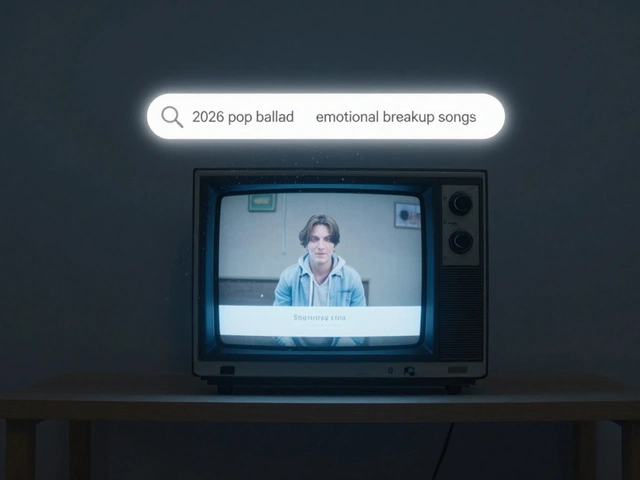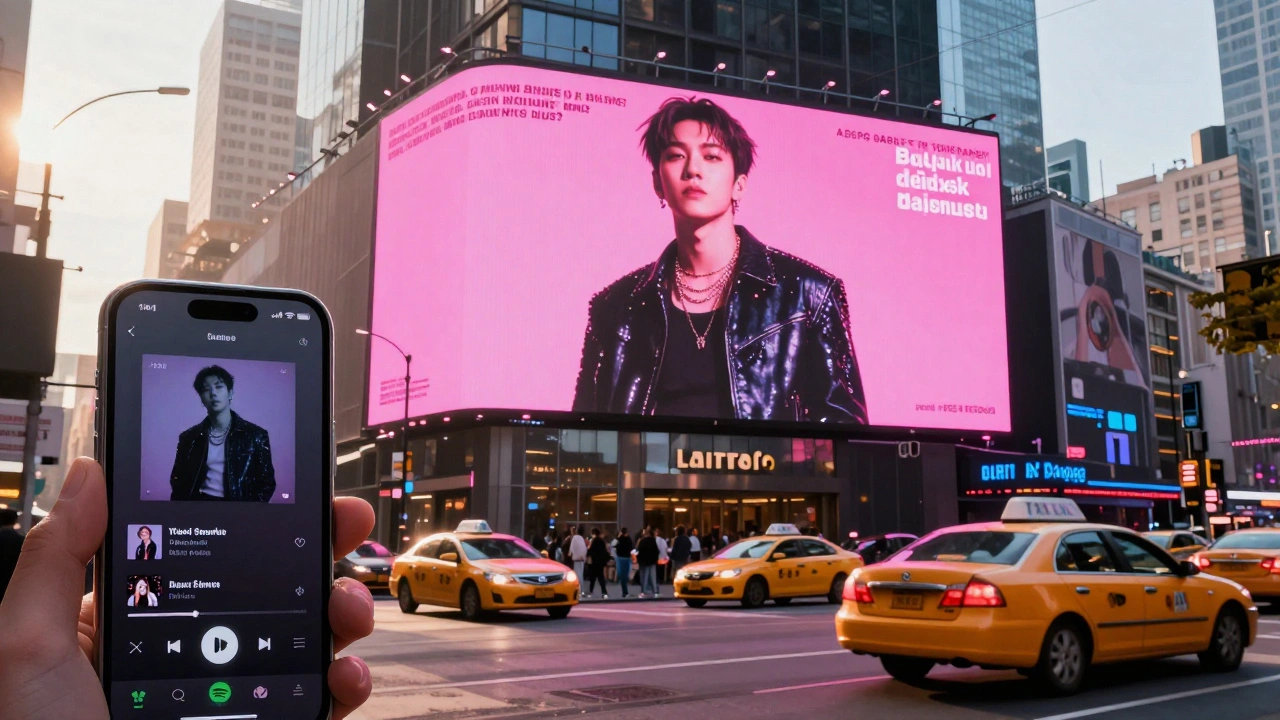
When a new pop single drops on a Friday, the media machine kicks into overdrive. Spotify playlists get updated before sunrise. TikTok challenges launch by noon. Morning shows play it during breakfast. Radio stations rotate it hourly. Critics write reviews before lunch. Meanwhile, a blues album released the same week? It might get a quiet mention in a niche blog, maybe a local newspaper feature, and if you’re lucky, a 300-word piece in a magazine that prints on recycled paper. The difference isn’t just volume-it’s meaning.
What Gets Covered, and Who Decides
Mainstream pop releases are built for mass attention. Labels spend millions on pre-release campaigns. They hire influencers, buy ad space, secure TV placements, and coordinate release dates with holidays or major events. The media doesn’t just cover these releases-they’re invited to them. Press kits arrive with branded USB drives, exclusive listening parties, and scheduled interviews with artists who’ve been coached on what to say. The coverage is predictable: "This song is the anthem of summer," "The artist reinvents pop," "A chart-topping phenomenon." Blues, on the other hand, rarely gets that treatment. There’s no corporate machinery behind most blues releases. Artists often self-fund recordings. They tour small clubs, not arenas. Their labels-if they have one-are tiny, independent operations with budgets smaller than a pop artist’s tour wardrobe. Media outlets don’t get invited to blues album launches. They have to find them. And most don’t bother. The gatekeepers are different, too. Pop gets covered by Rolling Stone, Billboard, Pitchfork, and MTV. Blues gets covered by DownBeat, Blues Magazine, and regional arts blogs. A pop release might land on the cover of Time. A blues album might get a paragraph in a local paper in Memphis or Chicago. The scale isn’t just smaller-it’s almost invisible to the mainstream.How the Language Changes
When a pop artist drops a new track, reviewers talk about "vibes," "aesthetic," "cultural moments," and "streaming dominance." They compare it to other pop stars. "It’s like if Taylor Swift teamed up with Beyoncé and produced a song for a Netflix series." The language is about trend, relevance, and virality. Blues reviews? They talk about tone. They talk about phrasing. They talk about who the artist learned from. "This guitarist channels B.B. King’s late-night vibrato," one review might say. "The lyrics echo Muddy Waters’ raw honesty." There’s no mention of chart positions. No talk of TikTok trends. Instead, there’s deep reference to history-names like Howlin’ Wolf, Son House, or Koko Taylor appear as touchstones. Pop gets judged on how well it fits the moment. Blues gets judged on how well it carries the past.Why the Gap Exists
It’s not that blues is less important. It’s that the media system is built for speed and scale. Pop thrives on repetition. One hit song can fuel 100 million streams. One viral dance can make a career. The algorithm rewards novelty that’s easy to digest. Blues doesn’t work that way. It’s slow. It’s subtle. It doesn’t explode-it evolves. A great blues song might take three listens to reveal its depth. It doesn’t have a chorus you can shout in a crowd. It has a groove you feel in your chest. That’s not easy to market. And media outlets, especially digital ones, need metrics: clicks, shares, watch time. There’s also a generational blind spot. Most music editors under 35 grew up with streaming. They know pop, hip-hop, indie rock. They might not have heard Sonny Boy Williamson II. They don’t know the difference between Delta blues and Chicago blues. So they don’t cover it-not because they’re biased, but because they don’t know what to look for.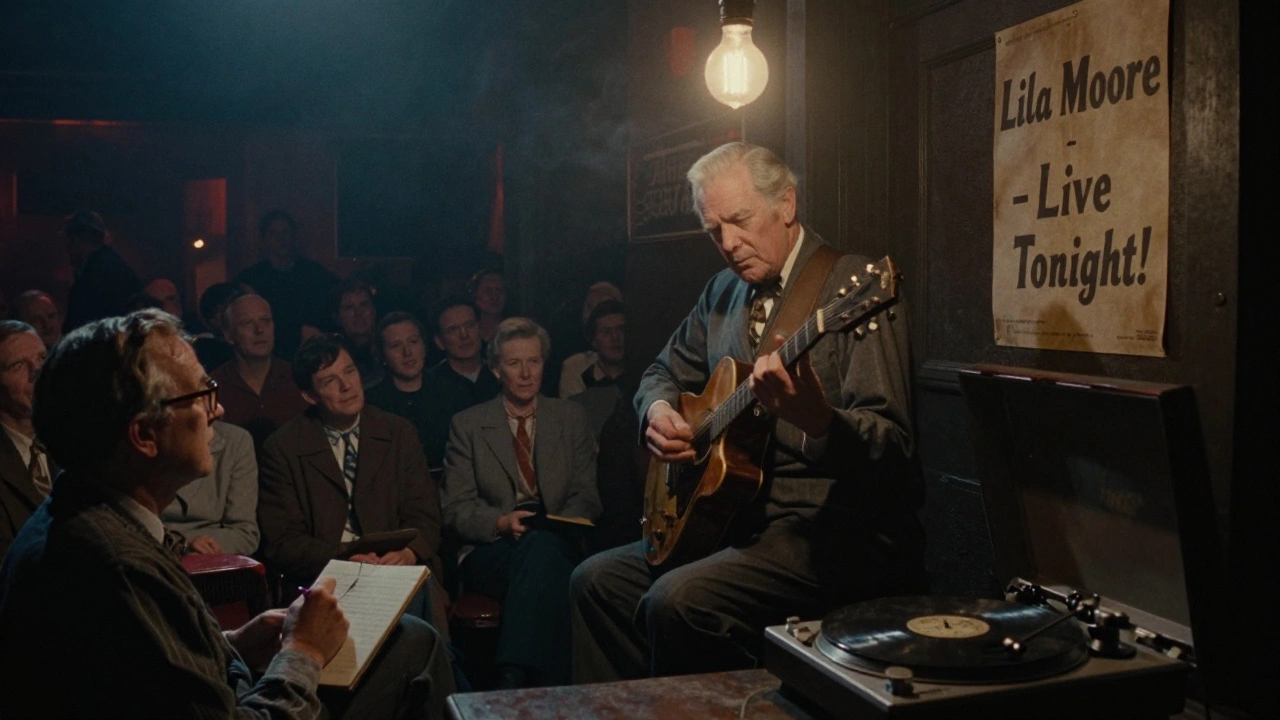
Who Still Covers Blues
You won’t find blues on Apple Music’s "Today’s Top Hits." But you’ll find it in places like:- Blues Foundation Newsletter-a weekly digest sent to 12,000 subscribers, mostly musicians and collectors.
- Living Blues magazine-published since 1970, with reviews written by historians who’ve spent decades in juke joints.
- WFMU’s Blues Hour-a radio show in New Jersey that plays obscure 1950s singles and interviews aging bluesmen.
- Local public radio stations-like Oregon Public Broadcasting, which occasionally features Pacific Northwest blues artists.
- YouTube channels like "Blues Archives" or "Vintage Blues Tapes," which have tens of thousands of loyal followers.
The Hidden Influence
Here’s the twist: pop music is built on blues. Every time a pop singer bends a note, every time a beat syncopates, every time a bassline grooves-that’s blues DNA. But the media never connects the dots. When Billie Eilish sings with a whispery, soulful tone, critics call it "ethereal." They don’t say, "This is a direct descendant of Nina Simone’s phrasing." When Post Malone’s guitar solo on "Circles" slides into a minor pentatonic run, they don’t mention that it’s a direct lift from Freddie King’s 1961 recording. Blues is the root. Pop is the branch. But the media only talks about the branch. They don’t dig into the soil.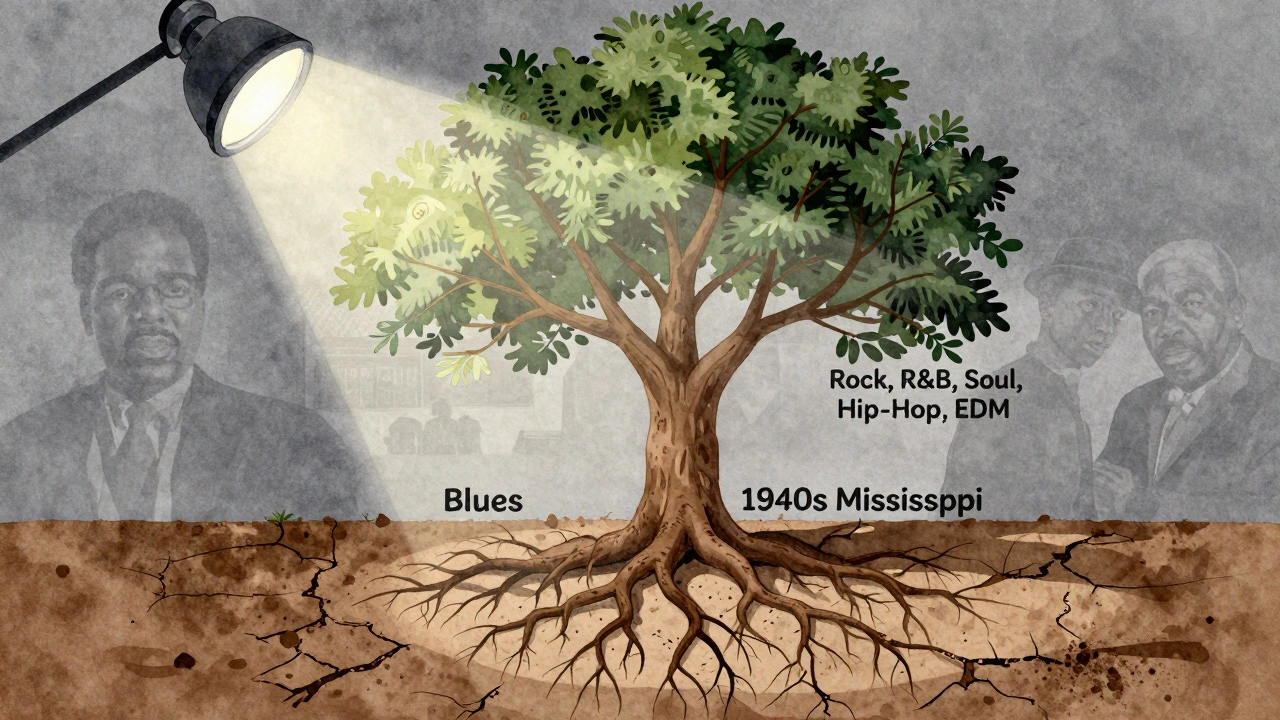
What Changes When Blues Gets Real Coverage
There are exceptions. In 2023, the album Blue Light by 72-year-old guitarist Lila Moore got a feature in The New Yorker. It wasn’t because she had a viral TikTok. It was because the writer spent three weeks traveling with her across Mississippi, listening to her play in backyards and church halls. The piece didn’t mention streams. It didn’t talk about sales. It talked about how she learned to play from her grandfather, who was born into sharecropping. That story didn’t trend. But it changed something. After it ran, three small blues festivals in the Midwest saw 40% more attendance. Two college music programs added blues history to their curriculum. A nonprofit started funding recording grants for elderly blues artists. Real coverage doesn’t need millions of views. It just needs to be seen by the right people.Why This Matters
When media ignores blues, it doesn’t just silence a genre. It erases a cultural lineage. Blues gave us rock, R&B, soul, hip-hop, and even electronic dance music. Without it, pop music loses its soul. And when we only celebrate what’s loud and new, we forget that music doesn’t have to be trending to matter. Sometimes, the deepest sounds are the quietest ones.There’s no shortage of blues artists working today-people like Samantha James, who blends Delta blues with spoken word, or Javier Ruiz, who records in a converted Texas train depot using only a 1948 Gibson and a single mic. But without media that understands their work, they’ll keep playing to rooms of 30 people who already know their names. The system isn’t broken. It’s just designed for a different kind of music.