Key Takeaways for Artists
- Chart wins prove market demand, making you a "safe bet" for talent buyers.
- Use data from Billboard or niche charts to prove you can move tickets.
- Combine chart success with a high-energy electronic press kit (EPK) for maximum impact.
- Target festivals that specifically program "roots" or "spiritual" music.
Turning Numbers into Leverage
When a festival booker looks at an application, they aren't looking for the "best" music-they're looking for the least amount of risk. A chart win tells them that a specific group of people already loves what you do. If you've climbed the Gospel Blues charts, you've effectively done the market research for the festival. You aren't just a musician; you're a proven product. To make this work, stop saying "I hit number one." Instead, say "My latest single reached number one on the Gospel Blues charts, driving 50,000 unique streams in the Midwest region alone." This shift in language moves the conversation from vanity to viability. You're telling the buyer that you have a portable fan base. If they book you for a Saturday afternoon slot, there's a statistically higher chance that the crowd will actually show up.The Anatomy of a Chart-Backed Pitch
Your pitch needs to be tight. Most bookers spend about 30 seconds on an initial email. If they have to hunt for the evidence of your success, they'll just move to the next artist. Your goal is to create a direct line from the chart win to the festival stage. Start with the lead. Mention the chart position in the first two sentences. Then, immediately pivot to the "why it matters" part. For example, if you dominated the Airplay charts, emphasize that your music is already familiar to radio listeners in the festival's geographic area. This is a huge win because it means the festival doesn't have to spend as much on marketing to get people to come see you-the listeners already know your voice.| The Chart Win (Vanity) | The Booking Pitch (Value) | What the Booker Hears |
|---|---|---|
| "Reached #1 on the Gospel Blues Chart" | "Chart success drove a 40% increase in regional streaming" | "This artist has an active, growing fan base." |
| "Stayed in the Top 10 for 5 weeks" | "Consistent chart presence indicates long-term listener retention" | "This isn't a one-hit wonder; they have staying power." |
| "Highest selling Gospel Blues album of the month" | "Strong merchandise and physical media demand in the target region" | "This artist can generate secondary revenue at the fest." |
Identifying the Right Festivals
Not all stages are created equal. If you're playing Gospel Blues, you need to look for "Roots" festivals, "Heritage" events, or specialized spiritual gatherings. Sending a chart-winning Gospel Blues track to a pure EDM festival is a waste of your time. Look for festivals that have a history of booking artists like B.B. King or contemporary gospel stars. These festivals have an audience that appreciates the intersection of faith and the blues. When you approach them, mention other artists on their past lineups who share your sonic profile. For instance, if a festival booked a soulful blues act last year, your pitch should be: "Since you had [Artist Name] last year, my current #1 chart run with [Song Title] would fit perfectly with that audience's appetite for authentic, spirit-filled blues." You are positioning yourself as the logical next step in their programming evolution.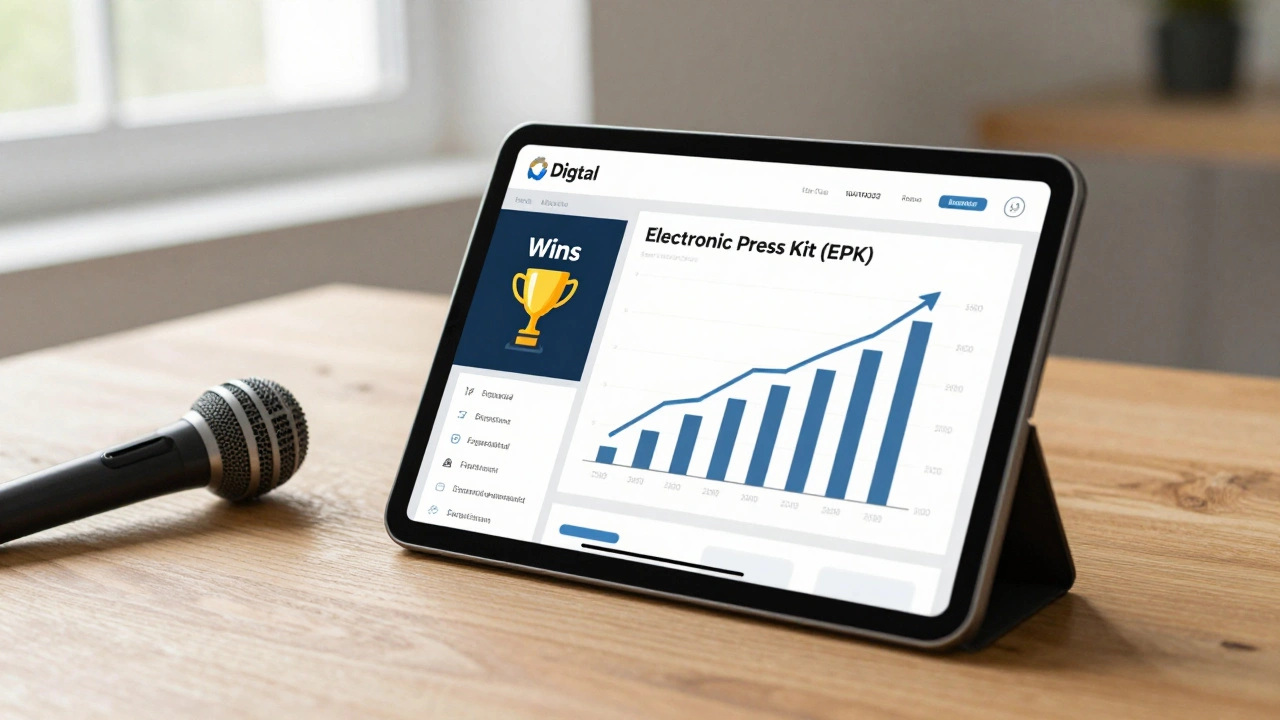
Building the Proof-of-Concept EPK
Your Electronic Press Kit (EPK) is where the chart win becomes a visual reality. A PDF is fine, but a dedicated page on your website is better. The first thing the booker should see isn't your bio-it's your "Wins" section. Include a screenshot of the chart position. It sounds simple, but a visual confirmation of a Billboard or niche chart ranking acts as a psychological seal of approval. Pair this with a high-quality video of a live performance. A chart win proves people like the recording; a live video proves you can actually deliver that energy on stage. If you've played smaller dates that sold out because of your chart success, list those as "Case Studies." Tell the booker: "After hitting #3 on the charts, our club show in Memphis saw a 200% increase in ticket sales compared to the previous tour." That specific data point is worth more than a thousand adjectives like "amazing" or "soulful."Negotiating Your Fee with Data
Once the booker says "Yes, we want you," the conversation shifts to money. This is where your festival bookings strategy pays off. Most artists just accept the offer. If you have a chart win, you have the leverage to negotiate for a higher guarantee. Explain that your chart position has increased your market value. You can use a simple logic: "My current chart position has increased my draw in this region by X percent, which allows me to request a guarantee of [Amount] to match my current market rate." If they can't hit your number, don't just settle. Use your data to negotiate for "perks" that help you grow. Ask for a better time slot (closer to the headliner), a larger marketing budget from the festival to promote your appearance, or a guaranteed spot in the VIP merchandise area. These are all assets that build your brand further.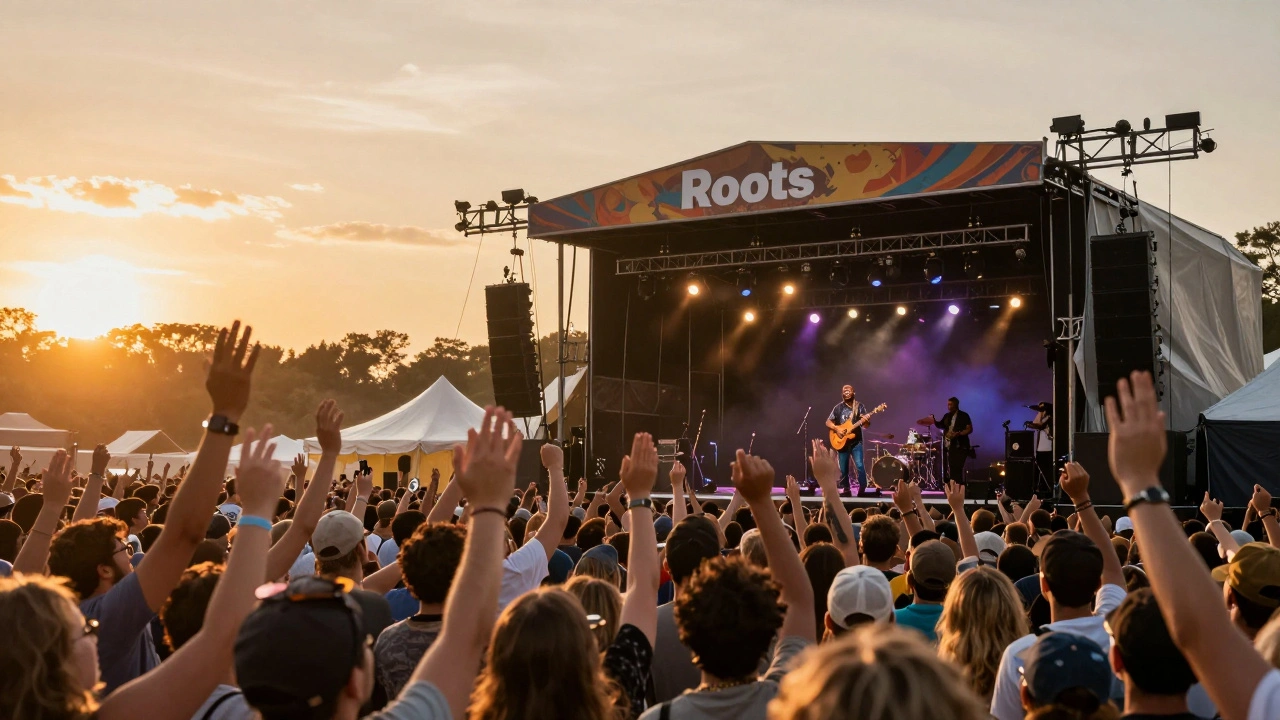
Avoiding the "One-Hit Wonder" Trap
The biggest danger of leveraging a chart win is that it's temporary. Charts move fast. If you rely solely on one hit song, bookers might worry that you're a flash in the pan. To counter this, show the "trajectory." Show them that you are building a catalog. Mention the songs that are climbing *behind* the current hit. Talk about your upcoming album or the growth of your mailing list. Prove that the chart win was a result of a consistent strategy, not a random viral fluke. When a booker sees a pattern of growth, they aren't just booking a song-they're investing in an artist's career trajectory.What if I hit a niche chart but not a mainstream one?
Niche charts are actually more valuable for specific festival bookings. A #1 spot on a specialized Gospel Blues chart proves you have a concentrated, loyal fan base. Talent buyers for roots festivals prefer a dedicated niche audience over a generic, wide reach because niche fans are more likely to travel and buy merchandise.
How far back can I use a chart win as leverage?
Ideally, keep it within the last 12-18 months. Music moves quickly, and a win from five years ago is a "legacy" achievement rather than "current momentum." If the win is older, frame it as part of your established track record rather than your primary reason for being booked today.
Should I mention the chart win in the email subject line?
Yes, but be subtle. Instead of "#1 HIT ARTIST WANTS TO PLAY," try "Chart-topping Gospel Blues Artist [Your Name] - Festival Inquiry." It provides the value proposition immediately without sounding like spam or an ego-trip.
What is the best way to present chart data to a non-music person?
Avoid technical jargon like "DSP algorithms" or "Chart Weighting." Use simple terms like "Popularity," " Listener Reach," and "Ranking." Use a simple bar graph or a screenshot of the chart to make the point instantly clear.
Do I need a manager to handle these bookings?
While a manager helps, you can absolutely do this yourself if you have the data. The key is the professional presentation. If your EPK is polished and your email is direct and data-driven, bookers will treat you as a professional regardless of who sent the email.