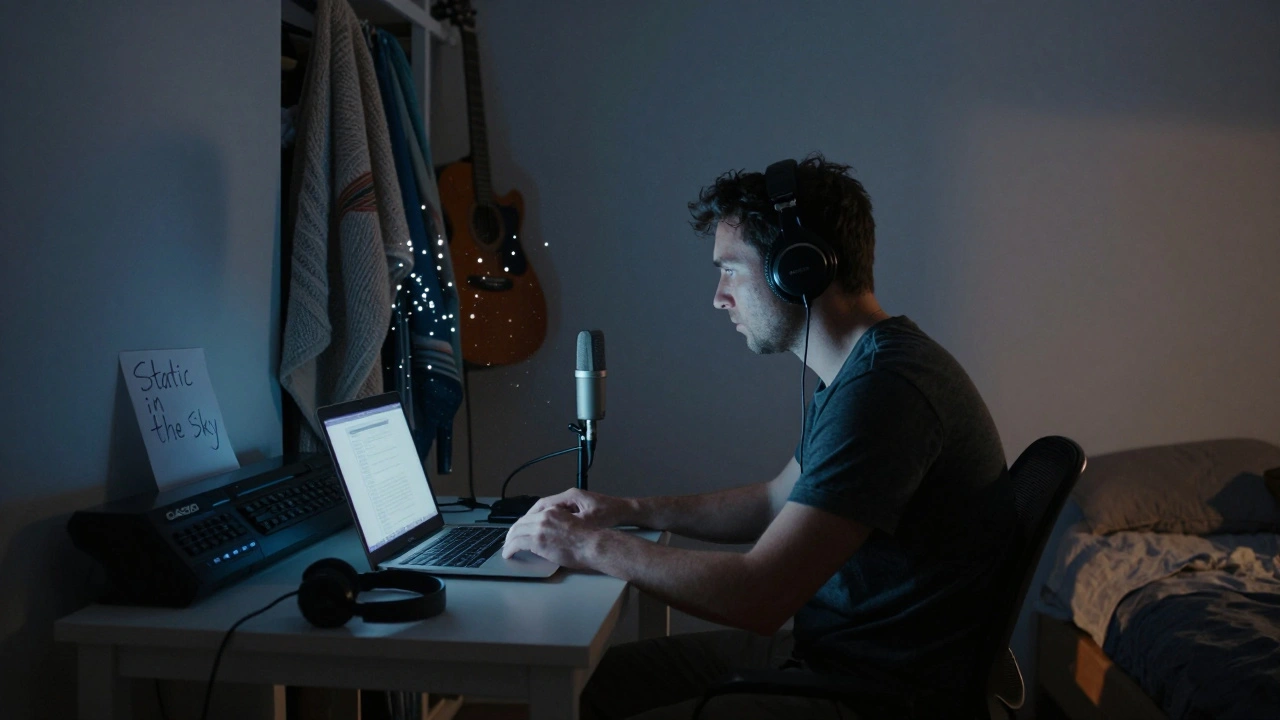
Robert Hill didn’t have a studio. He didn’t have a label. He didn’t even have a decent microphone when he started. Just a laptop, a pair of $30 headphones, and a bedroom in a rented apartment in Eugene, Oregon. Two years later, his song “Static in the Sky” was spinning on NPR stations from Portland to Philadelphia. How? It wasn’t luck. It was strategy, persistence, and a sound that refused to be ignored.
The Bedroom That Changed Everything
Robert Hill’s setup in 2023 was basic: a 2018 MacBook Air, a Behringer U-Phoria UM2 interface, and a Blue Snowball mic he bought off eBay. He recorded vocals in a closet lined with moving blankets. Basslines? He played them on a used Casio keyboard he found at a thrift store. No producer. No engineer. Just him, a DAW (Ableton Live 11), and a stubborn belief that his music mattered.
He didn’t post on TikTok. He didn’t chase viral trends. Instead, he spent 18 months obsessing over one thing: texture. His songs layered ambient guitar loops with whispered vocals and sudden bursts of analog synth noise. The result? A sound that felt intimate, like someone leaning in to tell you a secret at 3 a.m. That’s what made it stick.
How a Song Gets Heard Beyond Your Bedroom
Getting radio play as an independent artist isn’t about spending money. It’s about building trust - one station at a time.
Robert started small. He sent digital press kits to college radio stations. Not mass emails. He personalized each one. He’d mention a recent show they played, or a DJ he’d heard on their stream. He attached a 30-second clip, not the full track. And he always included a handwritten note scanned in as a JPG - no PDFs. Why? Because DJs noticed. They remembered the effort.
WORT-FM in Madison, Wisconsin, was the first to play it. Then KEXP in Seattle picked it up after a listener called in and begged them to repeat it. That call was the turning point. Radio stations live on listener requests. Robert’s music triggered them.
The Algorithm Didn’t Help - The People Did
Spotify playlists? He never got on one. YouTube ads? He didn’t run any. But when a fan in Chicago uploaded a live video of themselves singing along to “Static in the Sky” in their kitchen, it hit 400,000 views. That clip made its way to a local NPR producer who happened to be looking for fresh, unpolished voices.
NPR’s All Songs Considered didn’t reach out because of streaming numbers. They reached out because the song felt real. It didn’t sound like it was made to be consumed. It sounded like it was made to be felt.
That’s the difference between going viral and going radio. Viral is loud. Radio is quiet. And quiet things can echo.
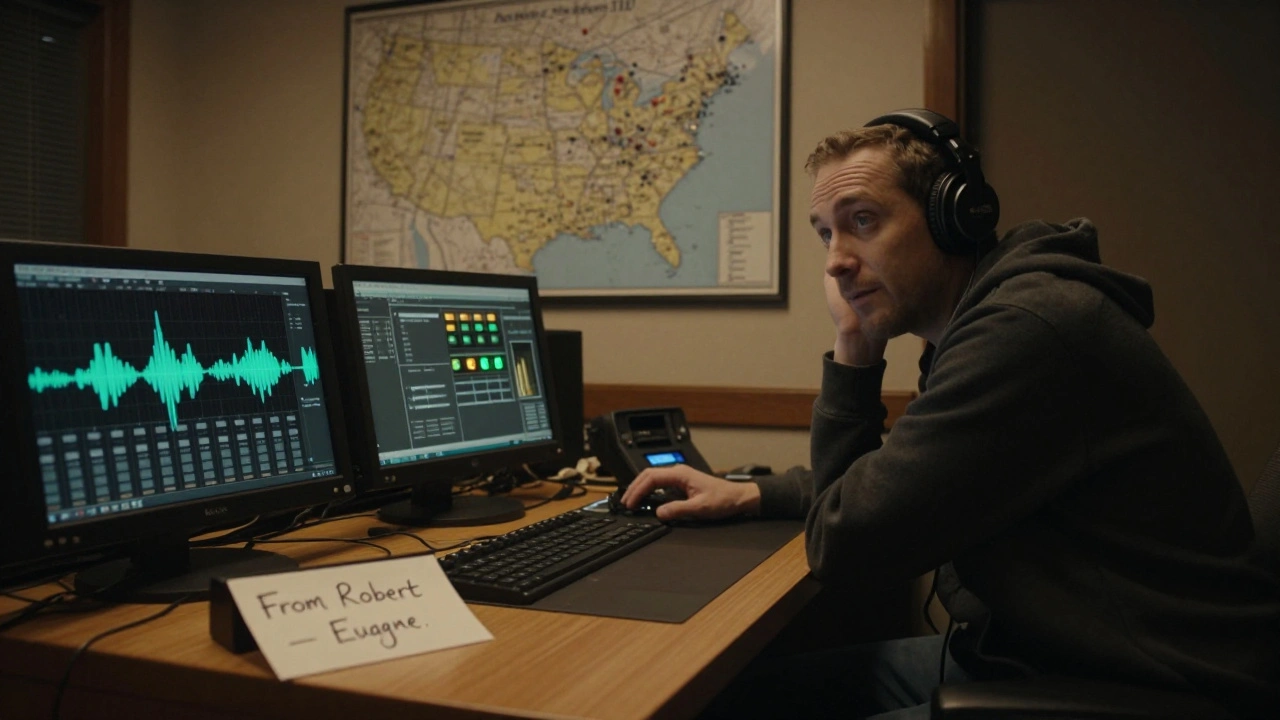
What Radio Stations Look For (And What They Ignore)
Most indie artists think radio wants polished production. They’re wrong.
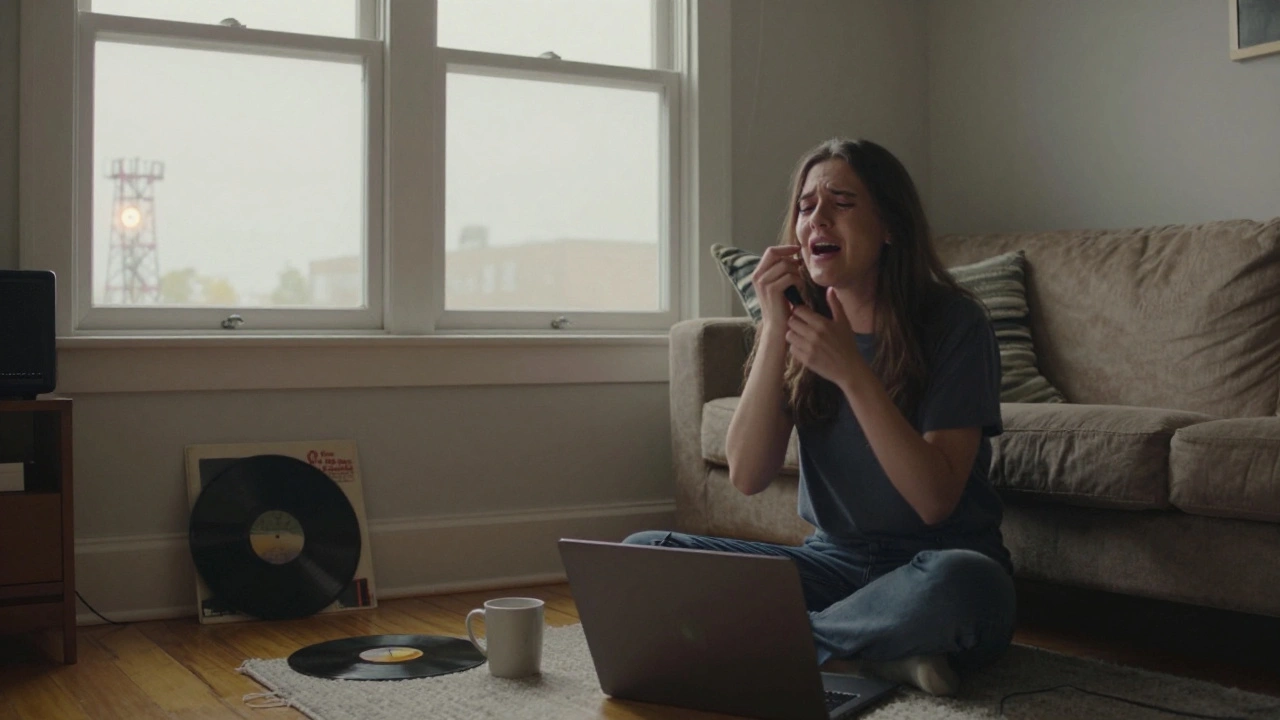
Station managers told Robert later: they don’t care if your bass is mixed perfectly. They care if the song makes someone pause their day. If it makes a 72-year-old listener call in to say, “That’s how I felt when I lost my wife.” If it makes a college student text their friend, “You need to hear this.”
Robert’s song had no chorus you could hum. No hook you could dance to. But it had emotional weight. It carried silence between notes like a breath. That’s what made it radio-ready - not the gear, not the budget, not the connections.
Here’s what stations actually check:
- Is the vocal clear enough to understand in a car?
- Does the song hold attention past the first 15 seconds?
- Does it fit the station’s vibe - not just the genre, but the mood?
- Has anyone else played it? Peer validation matters more than you think.
How Robert Got National Rotation
After KEXP played it, the song started showing up on other public radio playlists. The American Public Media network picked it up. Then NPR Music featured it in their weekly “New Music Friday” roundup. That’s when things shifted.
Not because of numbers. But because of consistency. Robert had sent the same track to 47 stations over six months. He didn’t give up when one said no. He didn’t change the song to fit trends. He kept showing up. And radio, at its core, is still a human medium. People remember people who care.
By late 2025, “Static in the Sky” was on over 120 college and public radio stations. It was played during morning drive on KQED in San Francisco. It closed out the evening show on WNYC in New York. It was the first song from a solo bedroom producer to hit NPR’s annual “Top 100 Songs of the Year” list without a label.
What You Can Steal From Robert’s Story
You don’t need a million followers. You don’t need a producer. You don’t need to tour. You just need three things:
- A sound that doesn’t sound like everyone else - not because it’s weird, but because it’s honest.
- A personal touch - handwritten notes, real stories, no templates.
- Relentless consistency - sending to one station a week, for a year, is better than blasting 200 at once.
Robert’s album, “No One Was Listening”, came out in January 2026. It didn’t chart on Billboard. But it sold 18,000 copies - mostly vinyl. People didn’t buy it because they heard it on the radio. They bought it because they felt like they’d been waiting for it their whole life.
Why This Matters Now
In 2026, the music industry still tells you to chase algorithms. But the real breakthroughs? They happen in the cracks. In the quiet spaces between playlists. In the phone calls from listeners who don’t know your name but know your song.
Robert Hill didn’t break into radio. He built a door - and people walked through it.
Can bedroom producers really get radio play today?
Yes - more than ever. Public and college radio stations are actively seeking fresh, authentic voices. In 2025, over 60% of new tracks added to NPR-affiliated stations came from independent artists with no label backing. Stations prioritize emotional resonance over production quality. A well-recorded bedroom track with heart will outperform a studio-made song that feels generic.
Do I need to hire a publicist to get on the radio?
No. Publicists help with big labels, but they’re not necessary for indie artists. Robert Hill sent his music himself - handwritten notes, personalized emails, and direct follow-ups. The key is targeting stations that already play similar music. Research their playlists, mention specific DJs, and keep it human. Most stations have a submission portal. Use it.
What’s the best way to send music to radio stations?
Send a 30-second preview, not the full track. Include a short bio (one paragraph), a high-res photo, and a link to a Bandcamp or SoundCloud page. Avoid PDFs - use plain text or HTML. Personalize every email. Mention a song they played recently and why yours fits. Stations get hundreds of submissions. The ones that stand out are the ones that feel like a conversation, not a pitch.
How long does it take to get radio play?
It varies. Robert Hill sent his first submission in April 2023. His first play came in October. National rotation took 18 months. Patience is non-negotiable. Most stations have weekly or monthly review cycles. Sending once a month, consistently, is better than sending everything at once. Track which stations respond - build relationships over time.
Should I focus on streaming or radio?
Focus on radio if you want lasting impact. Streaming gets you numbers. Radio gets you credibility. A song played on NPR or KEXP carries weight that 10 million Spotify streams can’t match. Radio listeners trust stations to curate quality. That trust transfers to you. Use streaming to support your radio efforts - post clips, tag stations, encourage fans to request your song.