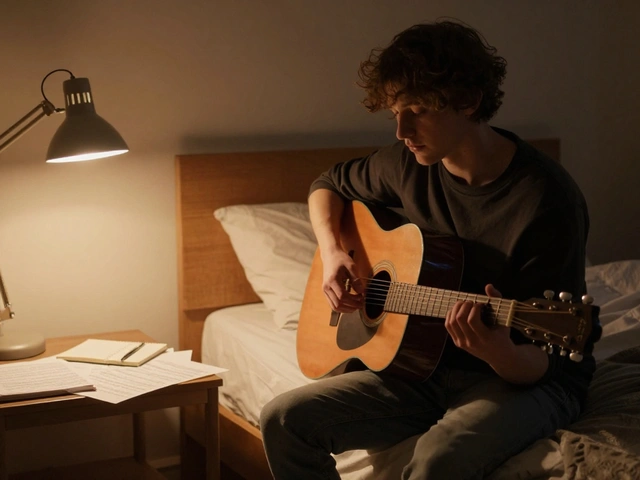
There is a specific kind of silence that follows a great folk song. It isn't the absence of sound; it is the presence of an image so vivid it stops your breath. You don't just hear the words; you see the rain on the windowpane, feel the cold iron of the handcuffs, or taste the dust of a dry riverbed. This is the power of lyric imagery. In folk music, where instrumentation is often stripped back to a single acoustic guitar or a banjo, the words carry the entire weight of the emotional experience. If the melody is the skeleton, the imagery is the flesh and blood.
Many new songwriters fall into the trap of writing "telling" lyrics. They say, "I was sad," or "The town was dirty." But folk traditions, from Appalachian ballads to modern indie-folk, thrive on "showing." The goal is not to explain the feeling but to construct a sensory world that forces the listener to feel it themselves. Let’s break down how to move from abstract concepts to concrete pictures.
The Sensory Palette: Beyond Sight
Most people think imagery means visual descriptions. While sight is powerful, folk music has always been deeply connected to the physical body and the environment. To create a three-dimensional scene, you need to engage all five senses. This technique prevents the lyrics from feeling flat or like a postcard.
- Sight: Specific colors, lighting, and textures. Instead of "a dark room," try "the flicker of a kerosene lamp."
- Sound: Ambient noises that set the mood. The creak of floorboards, the distant hum of a highway, or the sudden silence after a door slams.
- Touch: Temperature and texture. The bite of winter air, the roughness of denim, the slickness of wet pavement.
- Smell: Often overlooked, smell is the strongest trigger for memory. Woodsmoke, stale beer, fresh cut grass, or metallic blood.
- Taste: Rare but impactful. Bitter coffee, salty tears, or the sweetness of forbidden fruit.
Consider the difference between saying "It was a hard life" (abstract) and describing "The calluses on my hands never peeled off" (concrete). The second line implies years of labor without stating it directly. The listener infers the hardship through the physical evidence.
Nature as a Mirror
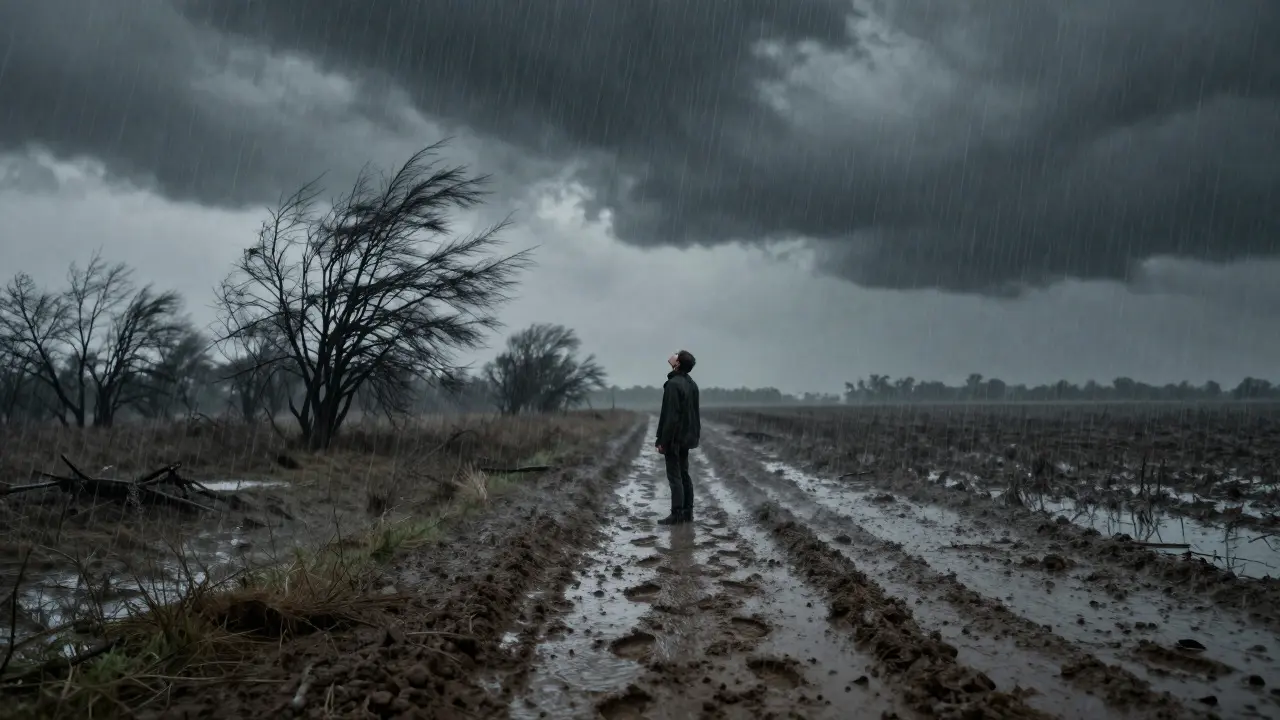
In folk tradition, nature is rarely just a backdrop. It acts as a mirror for the protagonist's internal state. This is known as pathetic fallacy, though in folk contexts, it feels more organic than theatrical. When a character is grieving, the sky doesn't just get cloudy; the rain might wash away the footprints, symbolizing the erasure of their past. When they are hopeful, the sun might break through the clouds at exactly the moment they decide to leave.
You don't need to be a poet to use this. You just need to observe. If you are writing about isolation, look outside. Is the tree bare? Is the wind howling? Use those details. The connection between the external environment and the internal emotion creates a subconscious link in the listener's mind. They begin to associate the weather with the feeling, making the song feel universal rather than personal.
Concrete Nouns vs. Abstract Adjectives
One of the quickest ways to upgrade your lyrics is to audit them for abstract nouns. Words like *love*, *hate*, *joy*, *fear*, and *sadness* are empty containers. They tell the listener what to feel but don't show them why. Concrete nouns are specific objects, places, or people. They anchor the song in reality.
| Abstract Approach (Telling) | Concrete Approach (Showing) | Why It Works Better |
|---|---|---|
| She felt lonely. | Her shadow stretched long across the empty kitchen. | Visualizes the isolation physically. |
| The anger was intense. | He crushed the glass until his fingers bled. | Shows the destructive force of the emotion. |
| They were happy together. | They danced until the porch planks groaned under their feet. | Implies duration and joy through action. |
When you replace an adjective with a noun or a verb, the line gains energy. Instead of describing the quality of a thing, you describe the thing itself. This makes the language sharper and easier to visualize. It also leaves room for interpretation. If you say "he was angry," the listener might imagine a shouting match. If you say "he stared at the wall until the paint peeled," the listener imagines a silent, simmering rage. The latter is more intriguing because it invites the listener to fill in the gaps.
Metaphor and Symbolism in Traditional Ballads
Folk music has a rich history of using symbols that carry cultural weight. A rose might represent love or beauty, but in a darker ballad, it could represent thorns and pain. Water often represents cleansing, death, or transition. Fire can mean passion or destruction. Understanding these traditional symbols helps you tap into a collective unconscious. Listeners have heard these metaphors before, so they recognize the subtext immediately.
However, don't rely solely on clichés. Twist the symbol. If you write a song about a breakup, instead of the standard "heartbreak," maybe focus on the "broken plate" left in the sink. It’s a mundane object, but in the context of the relationship, it becomes a symbol of shattered domesticity. The key is specificity. The more specific the symbol, the more unique the song.
Rhythm and Phrasing: Serving the Image
Imagery isn't just about word choice; it's about how the words sit in the rhythm. Folk songs often have a conversational cadence. If you pack too many adjectives into one line, the rhythm drags. Keep the images punchy. Short phrases allow the listener to process the visual before the next beat hits.
- Identify the core image: What is the one picture you want the listener to see?
- Strip the fluff: Remove any word that doesn't contribute to that picture.
- Check the stress pattern: Read the line aloud. Does it flow naturally with the melody? If you have to rush to fit the words, the image will blur.
- Vary the length: Mix short, sharp lines with longer, descriptive ones to create dynamic tension.
For example, a line like "The rain fell soft on the tin roof" has a gentle, rolling rhythm that matches the soothing image. A line like "Thunder cracked the sky open" is abrupt and jarring, matching the violence of the storm. Aligning the rhythm with the imagery enhances the emotional impact.

Common Pitfalls to Avoid
Even experienced writers stumble. Here are the most common traps that dilute lyric imagery:
- Over-description: Listing every detail in the room distracts from the main point. Choose two or three strong images, not ten weak ones.
- Mixed Metaphors: Saying someone is "drowning in a sea of fire" confuses the brain. Stick to one consistent elemental theme per verse.
- Obvious Similes: "Cold as ice" is tired. Try something unexpected. "Cold as a hospital hallway" carries more modern resonance and specific discomfort.
- Ignores Context: An image of a snowy landscape in a song about a desert heatstroke creates cognitive dissonance unless it's intentional surrealism.
The best test for your imagery is the "Blind Test." Cover up the title and the chorus. Can you understand the story and the emotion just by reading the verses? If yes, your imagery is doing its job. If you need the chorus to explain the plot, your verses are likely too abstract.
Practical Exercises for Writers
If you want to sharpen your skills, try these exercises. They take less than ten minutes but force you to think visually.
- The Object Lesson: Pick a random object from your desk (a pen, a mug, a phone). Write four lines about it, but don't name it. Describe its shape, color, and how it feels in your hand. See if a friend can guess what it is.
- Sense Swap: Take a song you know well. Rewrite the first verse using only sounds. Then rewrite it using only smells. This breaks your reliance on visual defaults.
- The Negative Space: Write a scene where nothing happens. Describe the dust motes dancing in the light, the ticking of the clock, the stillness of the air. Show the tension in the silence.
These drills help you build a library of concrete details. Over time, you’ll find that you start seeing the world in lyrical fragments. You’ll notice the way light hits a puddle, the specific shade of blue in a bruise, or the exact sound of a screen door closing. That awareness is the foundation of compelling folk songwriting.
What is the difference between imagery and metaphor in lyrics?
Imagery refers to the use of sensory details (sight, sound, touch, etc.) to create a mental picture. Metaphor is a figure of speech that compares two unrelated things (e.g., "time is a thief"). All metaphors can be part of imagery, but not all imagery is metaphorical. Simple descriptive imagery, like "the red barn," is not a metaphor, but it is still powerful imagery.
How do I make my folk lyrics sound less generic?
Specificity is key. Replace general terms with proper nouns or specific locations. Instead of "my house," say "the cabin on Miller Road." Instead of "a dog," say "the old yellow lab who sleeps by the stove." The more precise the detail, the more authentic and less generic the song feels.
Is it okay to use complex vocabulary in folk songs?
Yes, but sparingly. Folk music values accessibility and singability. If a word is difficult to pronounce or obscure, it may disrupt the flow. Use simple, everyday words for the bulk of the lyrics, and save one or two striking, slightly elevated words for emphasis. The contrast makes the complex word stand out even more.
How can I use negative space in my lyrics?
Negative space involves describing what is absent or implied rather than stated. For example, instead of saying "he left," describe the empty chair at the table or the cold side of the bed. This technique invites the listener to participate in the storytelling by filling in the missing information, creating a deeper emotional connection.
What role does setting play in folk lyric imagery?
Setting provides the context and atmosphere for the story. In folk music, the setting is often as important as the characters. A desolate highway, a crowded bar, or a quiet forest each carry inherent emotional weights. Establishing the setting early helps ground the listener and makes the subsequent actions and emotions feel more realistic and immersive.