When Coldplay released Maybe You Will Someday in 2024, it didn’t chart like Yellow or Fix You. But for fans who listened closely, it became a quiet anthem for people waiting - for love, for change, for a second chance. The song is short. Just over three minutes. No big drums. No soaring guitar solo. Just Chris Martin’s voice, a piano, and words that feel like a letter you wrote but never sent.
"I know you’re tired, and I know you’re scared"
The opening line doesn’t ask for attention. It states a fact. Tired and scared aren’t dramatic words. They’re everyday words. The kind you whisper when you’re alone in the kitchen at 2 a.m., staring at your phone. This isn’t a love song about fireworks. It’s about the quiet collapse of hope. Chris Martin isn’t singing to a stranger. He’s singing to someone he knows - maybe himself. Someone who’s been told to "just be patient" too many times.
"You keep saying you’ll be fine, but your eyes say otherwise"
This line is the heart of the whole song. People say "I’m fine" all the time. It’s the social reset button. But eyes don’t lie. They don’t have filters. If you’ve ever held someone’s hand while they smiled through tears, you know this moment. It’s not about dramatic breakdowns. It’s about the tiny cracks - the way someone avoids your gaze, the pause before they answer, the forced laugh that doesn’t reach their shoulders.
There’s no blame here. No accusation. Just observation. That’s what makes it powerful. It doesn’t try to fix anything. It just sees it.
"I’ve been here before, and I’ll be here again"
Here’s where the song shifts from observation to confession. Chris Martin isn’t just talking about the other person. He’s admitting he’s been on both sides. He’s been the one pretending to be fine. And he’s been the one watching someone else pretend. This line connects to Coldplay’s own history - songs like Fix You and The Scientist were built on the same idea: love doesn’t fix pain. It just sits with it.
It’s not about redemption. It’s about repetition. Life doesn’t always give you clean endings. Sometimes you keep showing up. For the same person. For the same fear. For the same silence.
"Maybe you will someday"
This is the title line. And it’s not hopeful. It’s not encouraging. It’s resigned. "Someday" is a word people use when they’ve given up on "today." It’s what you say when you don’t believe in timelines. You don’t say "someday" to someone you think will change. You say it to someone you’ve stopped trying to change.
Think of a parent waiting for a child to call. A friend waiting for an apology. A partner waiting for honesty. "Maybe you will someday" isn’t a promise. It’s a farewell wrapped in tenderness. It’s the last thing you say before you stop waiting.
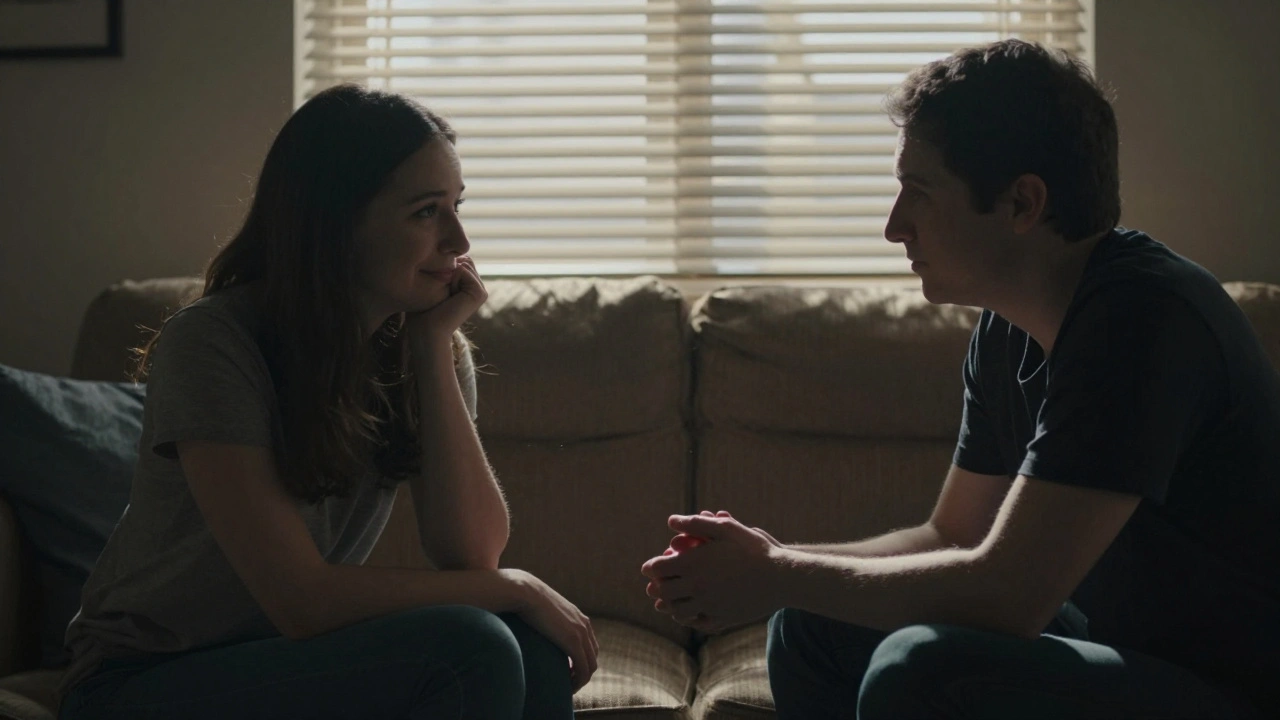
"I won’t beg you to stay, but I won’t let you go"
This is the most confusing line. It sounds like a contradiction. But it’s not. It’s the emotional truth of codependency without drama. You don’t beg because you know begging won’t work. But you don’t walk away because you still care. You stay in the space between. You don’t hold them. You don’t push them. You just… remain. Like a chair left in the room after someone leaves.
This line has no easy answer. No solution. No advice. Just presence. And in a world that pushes for closure, this is radical. It says: I don’t need you to fix it. I just need to be here while you figure it out. Or don’t.
"The silence between us is louder than any fight"
Most songs about broken relationships focus on yelling. This one focuses on the quiet. The kind of silence that happens after years of unspoken hurt. You don’t need words to feel abandoned. You feel it in the empty space where laughter used to be. In the way the bed stays cold on one side. In the way texts go unanswered not because of busyness - but because the connection has already slipped away.
Research from the University of California in 2023 found that emotional distance in long-term relationships often shows up not as conflict, but as avoidance. The absence of conversation becomes more damaging than the argument itself. Coldplay didn’t need a study to know this. They just lived it.
"I’m not angry. I’m just tired of hoping"
This is the quiet climax. No fireworks. No crescendo. Just a single line. It’s not about betrayal. It’s about exhaustion. Anger is active. Tiredness is passive. You can fight anger. You can’t fight exhaustion. When you’re tired of hoping, you stop trying to make sense of it. You stop looking for meaning in silence. You stop asking why.
It’s the moment you stop believing in tomorrow. Not because you’ve given up on love. But because you’ve given up on the version of love you were promised.
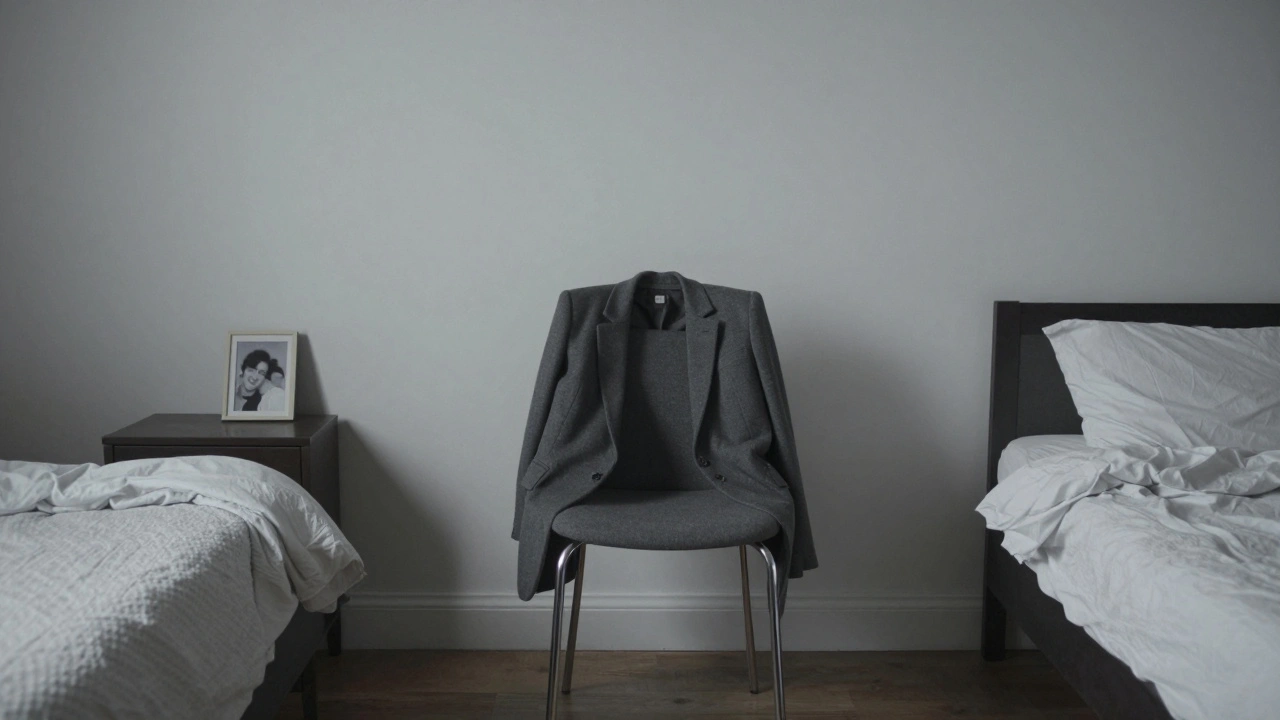
"And if you ever need me, I’ll be right here"
The final line. Soft. Quiet. No flourish. No resolution. Just an open door. It doesn’t say "I’ll wait forever." It doesn’t say "I’ll come back." It says: I’m here. Not to fix you. Not to save you. Just to be a place you can return to - if you ever choose to.
It’s the opposite of a love song. It’s a love letter to letting go. It doesn’t demand. It doesn’t plead. It simply offers space. And that’s why it hurts so much.
What this song really means
Maybe You Will Someday isn’t about romance. It’s about the slow unraveling of emotional connection. It’s about the people we love who can’t change - not because they don’t want to, but because they don’t know how. Or maybe they’ve forgotten how.
It’s for the parent whose child won’t answer calls. The friend who drifted away after trauma. The partner who stopped showing up emotionally. It’s for anyone who’s loved someone who’s stuck in their own pain - and learned that love doesn’t always mean fixing it.
Chris Martin didn’t write this for the charts. He wrote it for the quiet moments. The ones no one sees. The ones you don’t post about. The ones you carry alone.
Why it resonates in 2026
In a world of quick fixes - therapy apps, AI counselors, viral self-help trends - this song is an antidote. It doesn’t offer a solution. It doesn’t tell you to "set boundaries" or "practice self-love." It just says: I see you. I’m here. And I’m not going anywhere.
That’s why, in 2026, this song is being played in hospitals, in therapy offices, and in the quiet corners of homes where people are still waiting - not for a miracle, but for peace.
Is "Maybe You Will Someday" about a romantic relationship?
It could be, but it’s not limited to romance. The lyrics work for any deep relationship - parent and child, friends after a falling out, siblings, even colleagues who once trusted each other. The song’s power comes from its ambiguity. It’s about emotional distance, not relationship type.
Was this song written after a personal experience?
Chris Martin has never confirmed a specific event, but he’s said in interviews that this album was shaped by "the quiet losses" - people who left not with a bang, but with silence. He described writing it during a long flight after visiting a friend who was struggling with depression and wouldn’t talk. The song came from that stillness.
Why does the song feel so heavy even though it’s slow and quiet?
Because it doesn’t try to fix anything. Most songs offer hope, redemption, or closure. This one doesn’t. It sits in the ache. That’s what makes it feel heavy - you recognize the feeling, and there’s no escape from it in the music. The quietness isn’t calm. It’s resignation.
Does the song suggest the person will change?
No. The phrase "maybe you will someday" implies doubt. It’s not hopeful. It’s accepting. The song doesn’t believe in transformation. It believes in presence. You don’t need someone to change to still care for them.
Why was this song released as a single and not on an album?
Coldplay released it as a standalone single in early 2024 to test emotional reactions. They didn’t want it buried in a full album. They wanted it to stand alone - like a single tear in a crowded room. It was a deliberate choice to let the song breathe without context.