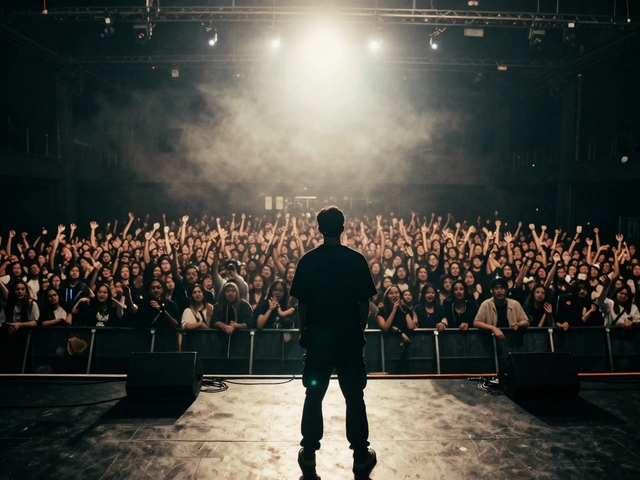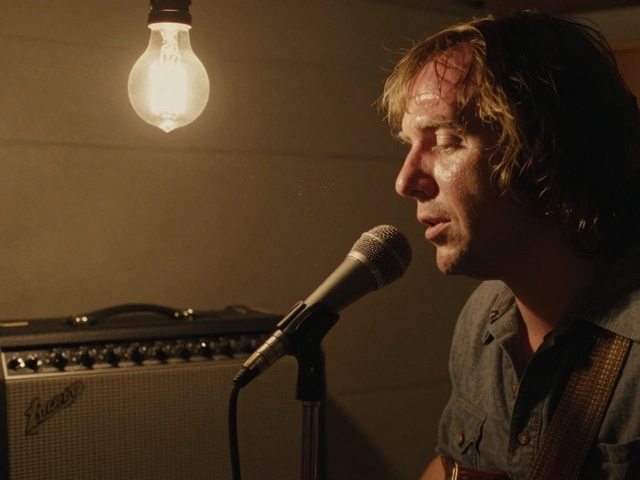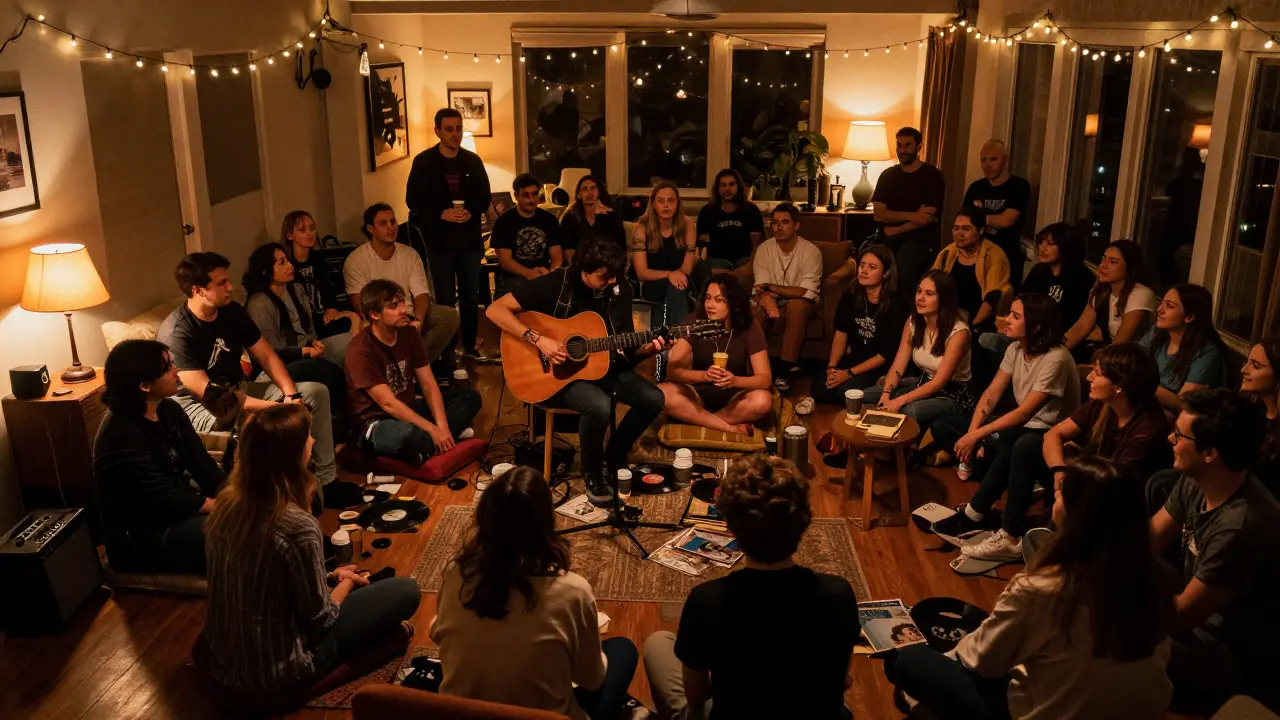
There is a specific kind of electricity in a crowded living room that you just cannot replicate in a stadium. It is raw, immediate, and deeply personal. For artists who feel stuck in the digital void, meetups and house shows are not just backup plans; they are the most effective tools for turning casual listeners into lifelong fans. While streaming platforms offer reach, they rarely offer connection. This guide breaks down how to leverage these intimate settings to build a genuine community around your music, moving beyond simple ticket sales to create a tribe that actually cares about your art.
Why Intimacy Beats Scale
In the age of infinite scrolling, attention is cheap, but trust is expensive. When you perform in a large venue, you are one of many options on a poster. In a house show, you are the event. The barrier between performer and audience is non-existent. You can see their faces, hear their reactions, and shake hands after the set. This proximity creates a psychological bond known as parasocial intimacy, which, when made real through face-to-face interaction, transforms into genuine loyalty.
The data supports this shift toward the physical. According to recent industry reports from Pollstar, live events remain the primary driver of album sales for independent artists, with small-scale venues showing higher per-capita merchandise spending than mid-size clubs. Why? Because the fan feels they have contributed to the experience. They helped make it happen. They provided the space, the sound system, or the promotion. That sense of ownership is powerful.
Understanding the Two Formats
It is crucial to distinguish between a standard meetup and a traditional house show, as they serve different strategic purposes within your community building toolkit.
| Feature | Music Meetup | House Show |
|---|---|---|
| Primary Goal | Networking and casual listening | Performance and deep connection |
| Venue Type | Coffee shops, parks, shared offices | Private residences, basements, garages |
| Cost Structure | Low to zero (often free entry) | Moderate (door fee covers expenses) |
| Audience Size | 10-50 people | 30-100 people |
| Equipment Needs | Minimal (acoustic only preferred) | Basic PA, amps, lighting |
| Fan Interaction | High (socializing before/after) | Medium-High (focused during set) |
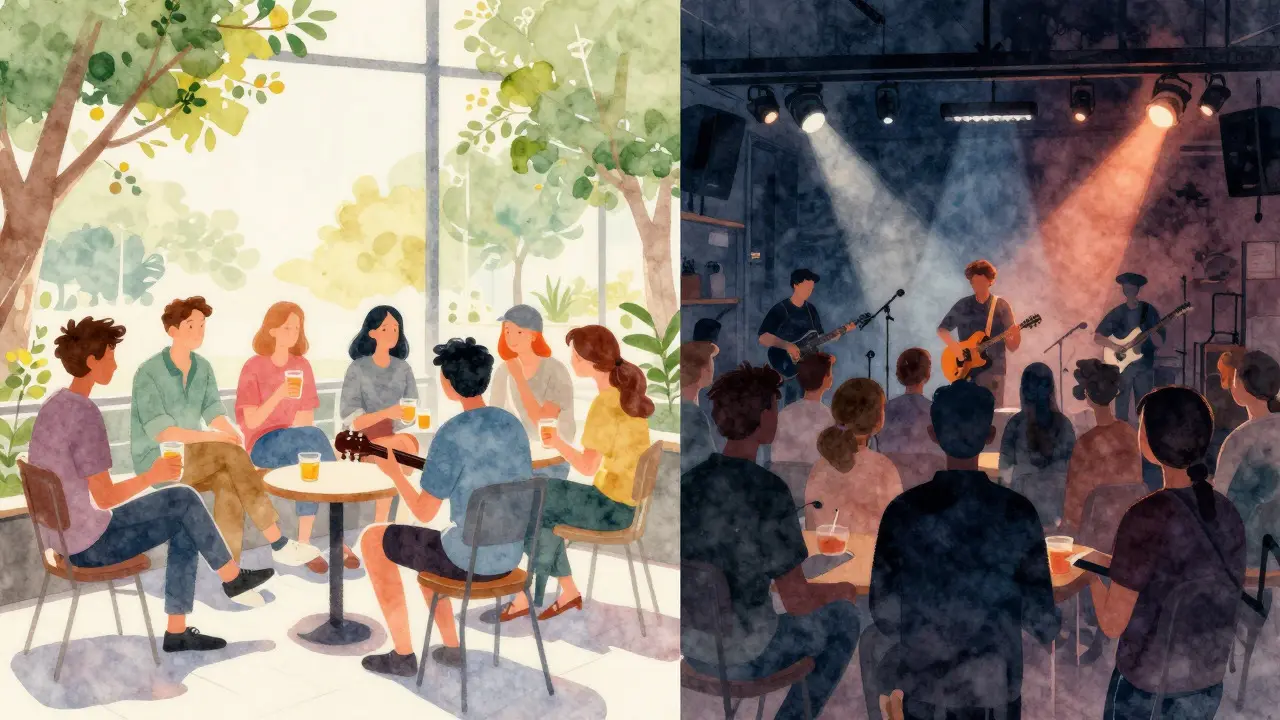
Meetups are ideal for early-stage artists or those looking to expand their network without the pressure of a full performance. Think of them as "listening sessions" where you play three songs, chat with attendees, and hand out flyers. House shows, conversely, are mini-concerts. They require more preparation but yield deeper emotional investment from the crowd.
How to Launch Your First Event
You do not need a massive following to start. In fact, starting small is the point. Here is a practical workflow to get your first meetup or house show off the ground:
- Identify the Host: For house shows, find a friend or fan with a large enough space. Ask clearly: "Do you have a basement or garage that fits about 40 people?" Be respectful of their home. For meetups, contact local coffee shops or co-working spaces. Many owners are happy to host free acoustic sets in exchange for foot traffic.
- Define the Vibe: Are you hosting a "Sip & Sip" (drinks + music) or a focused listening party? Clarity helps attract the right people. If it is a house show, specify if it is all-ages or 21+.
- Create a Simple Page: Use Bandcamp, Eventbrite, or even a simple Instagram Story. Keep the details clear: Date, Time, Address (or "Address via RSVP"), and what to expect.
- Promote Personally: Do not rely solely on algorithms. Message your top 50 engaged followers directly. Tell them why this event matters. Personal invites have a conversion rate ten times higher than public posts.
- Prepare the Space: Ensure there is enough seating. Bring extra chairs. Set up a merch table near the exit. Have a tip jar ready for cover charges.
Maximizing Fan Engagement On-Site
The event itself is only half the battle. How you interact with the room determines whether people come back. Passive performance kills momentum. Active engagement builds communities.
- Tell Stories Between Songs: Don't just announce song titles. Explain the inspiration behind a lyric. Share a funny anecdote about writing the track. This humanizes you and gives context to the music.
- Invite Participation: If you have an upbeat track, invite the front row to clap along or sing the chorus. If it is a ballad, ask for silence. Directing the room’s energy makes everyone feel like part of the show.
- Collect Data Ethically: Place a sign-up sheet at the merch table. Offer a discount code or a free digital single in exchange for their email address. This is your most valuable asset. A physical list of 50 true fans is worth more than 5,000 passive social media followers.
- Photograph Together: Take group photos. Tag the attendees on social media later. People love being featured. It extends the life of the event online for days after it ends.
Turning One-Off Events into a Movement
Consistency is key. A single house show is a fluke. A monthly series is a brand. Once you have run two or three successful events, look for patterns. Which cities work best? What time slots draw the largest crowds? What genres resonate most?
Consider partnering with other local artists. Co-hosting events splits the cost of promotion and shares the audience. If you play folk music, team up with a local poet or a jazz trio. Cross-pollination introduces your music to new demographics without additional marketing spend. Create a recurring theme, such as "First Friday Acoustic Nights," so fans know exactly when to expect you.
Finally, document everything. Record short videos of the crowd reacting. Post these clips on TikTok and Instagram Reels. Authentic, unpolished content from live settings often outperforms high-production studio teasers because it feels real. It proves that people care.
Common Pitfalls to Avoid
Even with good intentions, things can go wrong. Watch out for these common traps:
- Overbooking the Space: Always underestimate capacity by 20%. A cramped room leads to uncomfortable fans and angry hosts.
- Ignoring Sound Quality: You don't need a pro system, but you need a decent microphone. Bad audio ruins the experience faster than bad stage presence.
- Lacking Follow-Up: Sending no thank-you notes or follow-up emails wastes the momentum. Send a message within 24 hours thanking attendees and sharing the photos.
- Being Too Serious: These events are about fun. If the artist is stiff, the crowd will be too. Smile, joke, and relax.
Frequently Asked Questions
How much should I charge for a house show?
Aim for $5 to $10 at the door. This covers basic costs like drinks for the host and potential noise mitigation. Higher prices can deter casual fans, while free events may attract people who are less committed to the experience. The goal is not profit, but sustainability and commitment.
What equipment do I need for a small venue?
For a house show, you typically need a portable PA system or a guitar amp with a mic input, two wireless microphones, and a DI box if you are playing bass or keyboards. Check with the host first; many homes already have a basic Bluetooth speaker setup that works well for acoustic sets.
How do I handle neighbors complaining about noise?
Always check local noise ordinances before booking. Communicate the end time clearly to the host and the guests. If possible, use headphones for monitoring instead of open mics. Having a polite, friendly demeanor goes a long way; most complaints stem from surprise rather than dislike.
Are meetups better than house shows for new artists?
Meetups are lower risk and lower stress, making them excellent for breaking the ice. However, house shows create a stronger sense of exclusivity. A hybrid approach works best: start with meetups to build confidence, then transition to house shows once you have a core group of regulars.
How do I promote these events effectively?
Focus on direct outreach. Email your existing list, text your close friends, and post in local community Facebook groups. Use eye-catching graphics that highlight the date and location. Emphasize the "exclusive" nature of the event to create urgency. Scarcity drives action.