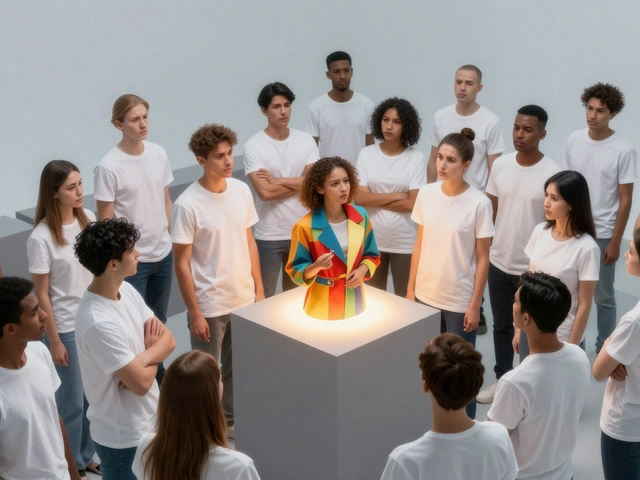
Walking into a crowded room at a music conference or showcase can feel like shouting into a void. You know you need to meet people, but the moment you approach someone, your mind goes blank. This is where having networking scripts ready changes everything. These aren't robotic lines to memorize; they are flexible frameworks that help you start conversations with confidence, show genuine interest, and leave a lasting impression without feeling forced.
For artists looking to grow their careers, networking isn't just about handing out business cards. It's about building relationships that lead to sync placements, tour support, management deals, or simply a community of peers who get it. The right script helps you bridge the gap between "hi" and a meaningful connection in under two minutes.
Why Scripts Beat Improvisation in High-Pressure Rooms
When adrenaline is high, our brains default to survival mode, not creativity. That's why trying to improvise witty banter often results in awkward silences or generic small talk. A prepared structure reduces cognitive load, allowing you to focus on listening and reacting rather than scrambling for words.
Think of these scripts as guardrails, not tracks. You can steer left or right, but you won't crash off the road. For example, if you're attending a local showcase in Portland, Oregon, you might use a standard opener but tweak it to mention a specific band playing later that night. This shows you did your homework and care about the scene, not just your own promotion.
- Confidence: Knowing what to say next removes the fear of rejection.
- Efficiency: You get to the point faster, respecting everyone's time.
- Memoability: Structured conversations are easier to recall when writing follow-ups.
The 30-Second Opener: Breaking the Ice Naturally
Your goal in the first 30 seconds is not to sell yourself. It's to establish rapport. People connect with people who make them feel seen. Avoid starting with "I'm an artist, here's my demo." Instead, start with observation or context.
A contextual opener is a conversation starter based on shared environment or recent experience, such as commenting on the venue, the food, or a previous performance.Here are three reliable openers that work in almost any setting:
- The Shared Experience: "Did you catch that last set? I loved how they handled the acoustic transition." This invites opinion and shows you were paying attention.
- The Specific Compliment: "I saw your name tag says you work with [Label/Company]. I've been following their releases for a while. What's your favorite track from their latest campaign?" This flatters their expertise.
- The Honest Approach: "Hi, I'm new to this circuit. Do you have any advice on which panels are actually worth missing dinner for?" This makes you relatable and humble.
Notice none of these require you to mention your own music yet. You are buying time to gauge their energy level. If they light up, great. If they seem rushed, you'll know to keep it brief.
Bridging the Gap: Transitioning to Your Work
Once the ice is broken, you need to pivot to your value proposition. This is the trickiest part because you want to sound confident, not desperate. The key is to frame your music in terms of what it offers *them*, not just what it is.
Instead of saying, "I play indie folk," try connecting your style to a trend or a problem they might be solving. For instance, if you're talking to a sync licensing agent, you might say, "I noticed you're looking for mellow backgrounds for lifestyle brands. My recent EP has a lot of warm, lo-fi textures that fit that vibe perfectly."
Sync Licensing is the process of placing music in film, TV, commercials, and video games, which relies heavily on matching mood and tempo to visual content. Agents in this field are constantly seeking fresh catalogs that fit specific creative briefs.If you're speaking to a fellow artist, the dynamic shifts. Here, vulnerability works better. "Honestly, I'm working on figuring out how to balance touring with studio time. How are you handling that lately?" This turns a sales pitch into a peer consultation, which is far more likely to result in a real friendship or collaboration.
| Audience | Focus Area | Sample Phrase |
|---|---|---|
| Sync Agent | Mood/Tempo Fit | "My track 'Midnight Drive' hits that exact melancholic beat you mentioned for car ads." |
| Booking Agent | Traffic/Drawing Power | "We just sold out our local club in PDX. We're ready to take that energy to Seattle next month." |
| Fellow Artist | Shared Struggles | "How do you handle social media burnout? I'm finding it hard to stay consistent." |
| Journalist/Blogger | Story Angle | "Our new album explores the idea of digital disconnection. It’s a bit different from what we usually cover." |
The Art of the Follow-Up: Where Deals Are Made
Most networking fails after the handshake. You met someone interesting, exchanged contacts, and then... silence. The follow-up email is where you convert a casual chat into a professional relationship. Timing matters. Send it within 48 hours while the interaction is still fresh in both minds.
Don't send a generic "Great meeting you" email. Reference a specific detail from your conversation. This proves you were listening and weren't just running through a checklist.
Here is a template that works well:
Subject: Great chatting about [Specific Topic] / [Your Name]
Hi [Name],
It was great meeting you at [Event Name] today. I really enjoyed our conversation about [Specific Detail, e.g., the challenges of independent distribution].
As promised, here is the link to [Resource/Demo/Portfolio]. I think [Specific Reason Why It Fits Their Needs] might resonate with what you're working on.
No pressure at all, but if you have 15 minutes next week, I'd love to hear your thoughts or grab a coffee if you're in town.
Best,
[Your Name]
This approach is low-pressure but clear. It gives them an easy way to say yes (a short call) or no (just listening to the demo). Both outcomes are wins because you've stayed top-of-mind.
Common Pitfalls to Avoid
Even with good scripts, execution can go wrong. Watch out for these common traps that kill momentum:
- The Monologue: Talking for five minutes straight about your discography. Keep it under two minutes unless they ask more questions.
- The Assumption: Assuming they know your song. Always provide context. "It's similar to [Famous Artist] but with a heavier bassline" helps them place you instantly.
- The Negativity: Complaining about the industry, ticket prices, or other artists. Positivity is magnetic; negativity is repelling.
- The Business Card Handoff: Shoving a card in someone's hand before they've even agreed to connect. Wait until there's mutual interest.
Also, remember that body language speaks louder than words. Maintain eye contact, smile genuinely, and stand at a slight angle rather than blocking their path. This signals openness and respect for personal space.

Adapting Scripts for Different Event Types
Not all events are created equal. A relaxed jam session requires a different tone than a formal awards gala. Adjust your energy and vocabulary accordingly.
At a **showcase**, the vibe is competitive but supportive. Focus on the music itself. Use descriptive language about sound design and production. At a **panel discussion**, wait until the Q&A or break times to approach speakers. Asking a thoughtful question during the panel is a powerful networking tool in itself-it puts you on the map immediately.
For **online virtual events**, the script shifts to text. In the chat box, keep messages short and relevant. After the webinar, send a personalized LinkedIn note referencing a specific comment made during the live session. Virtual networking is harder because you lack non-verbal cues, so specificity becomes even more critical to stand out.
Building a Long-Term Relationship Strategy
Networking isn't a one-time transaction. It's a long game. The best connections come from consistency. Check in every few months with a simple message: "Saw this article and thought of you," or "Just released a new single, would love your ear on it."
Keep a simple spreadsheet or CRM (Customer Relationship Management) tool to track who you met, where, and what you discussed. This prevents the awkwardness of forgetting names or repeating the same intro. When you reach out again, you can reference past interactions, showing that you value the relationship beyond immediate utility.
Ultimately, the goal is to build a web of support. Some people will become friends, some collaborators, and some mentors. By using structured scripts, you remove the friction from the initial connection, allowing the human element to take over. You stop worrying about what to say next and start enjoying the exchange of ideas and inspiration that defines the music community.
How long should a networking conversation last?
Aim for 3 to 5 minutes for initial connections. If the conversation flows naturally, let it run longer. If it feels forced, wrap it up politely after 3 minutes. Quality beats quantity.
What if I forget my script in the moment?
Fall back on curiosity. Ask an open-ended question about their work or the event. People love talking about themselves, and asking good questions keeps the conversation moving even if you lose your planned opening line.
Should I bring business cards to music events?
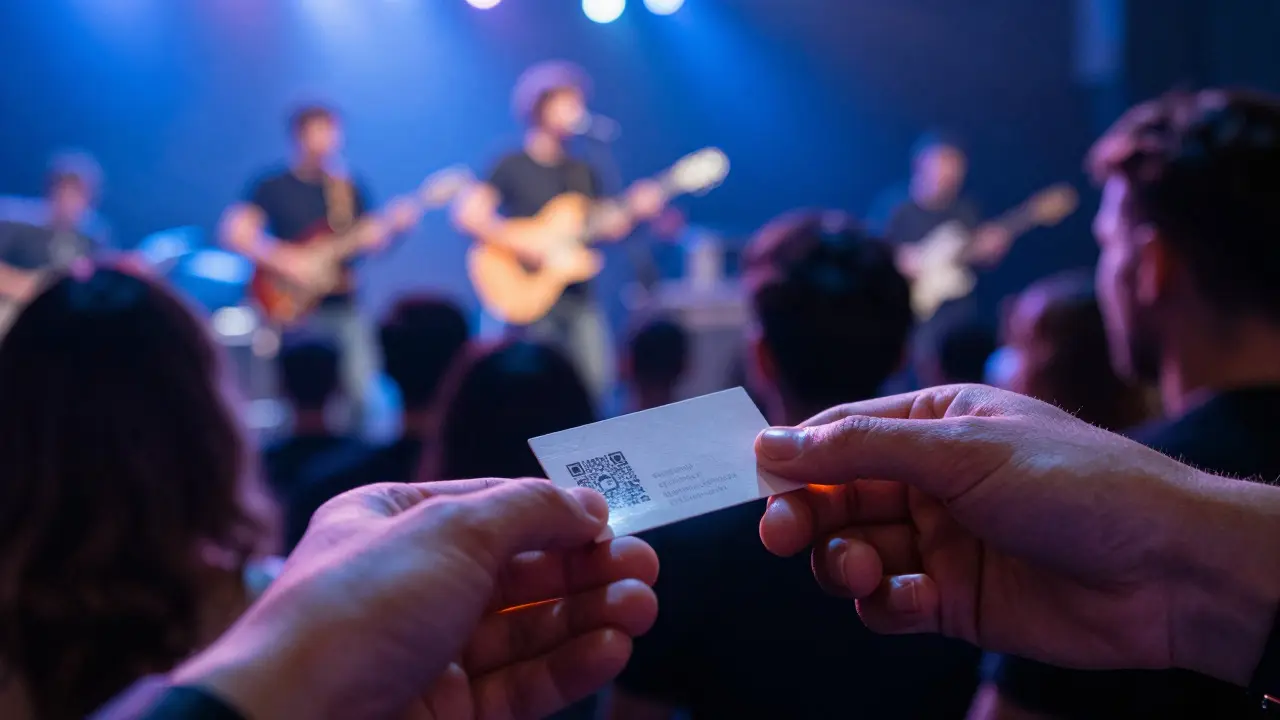
Physical cards are less common now. A QR code linking to your Spotify profile or website is more effective. However, if you do bring cards, ensure they have a clear call to action, like "Listen to my latest EP" with a URL.
How do I network without being pushy?
Focus on giving value. Share useful resources, introduce them to someone else, or offer genuine feedback on their work. When you prioritize their needs, the transactional feel disappears.
Is it okay to network with competitors?
Absolutely. The music industry is smaller than it looks. Collaborations often arise from friendly rivalries. Treat other artists as peers and potential partners, not threats. They may open doors you haven't imagined.