Imagine scrolling through a band's website. You read the first two lines of their bio, but then you hit a wall of text. Your eyes glaze over. Where are the endorsements? That’s where press quotes come in. They are the social proof that tells a booker, journalist, or fan that this artist is worth their time. But if you bury them at the bottom of a three-page biography, they might as well not exist.
Getting the placement and formatting right isn't just about aesthetics; it's about cognitive load. A busy promoter has thirty seconds to decide if an artist fits their venue. If the quote from a major publication is hidden behind a paragraph about the lead singer's childhood dog, you lose. This guide breaks down exactly where to put those golden tickets and how to style them so they pop off the page without looking cluttered.
Why Placement Beats Length
The biggest mistake artists make is treating press quotes as an afterthought. We often think, "Let me tell my story first, then I'll show you what people said." In reality, attention spans in the music industry are shorter than a punk song. The most effective strategy is the "Top-Down" approach.
Place your strongest quote within the first 150 words of your main bio. Why? Because that’s where the skimmer looks. If you have a quote from a reputable source like Rolling Stone is a prominent American music magazine known for its coverage of rock, pop, and culture., front-load it. It acts as a trust anchor. Once the reader trusts the endorsement, they are more likely to engage with the narrative that follows.
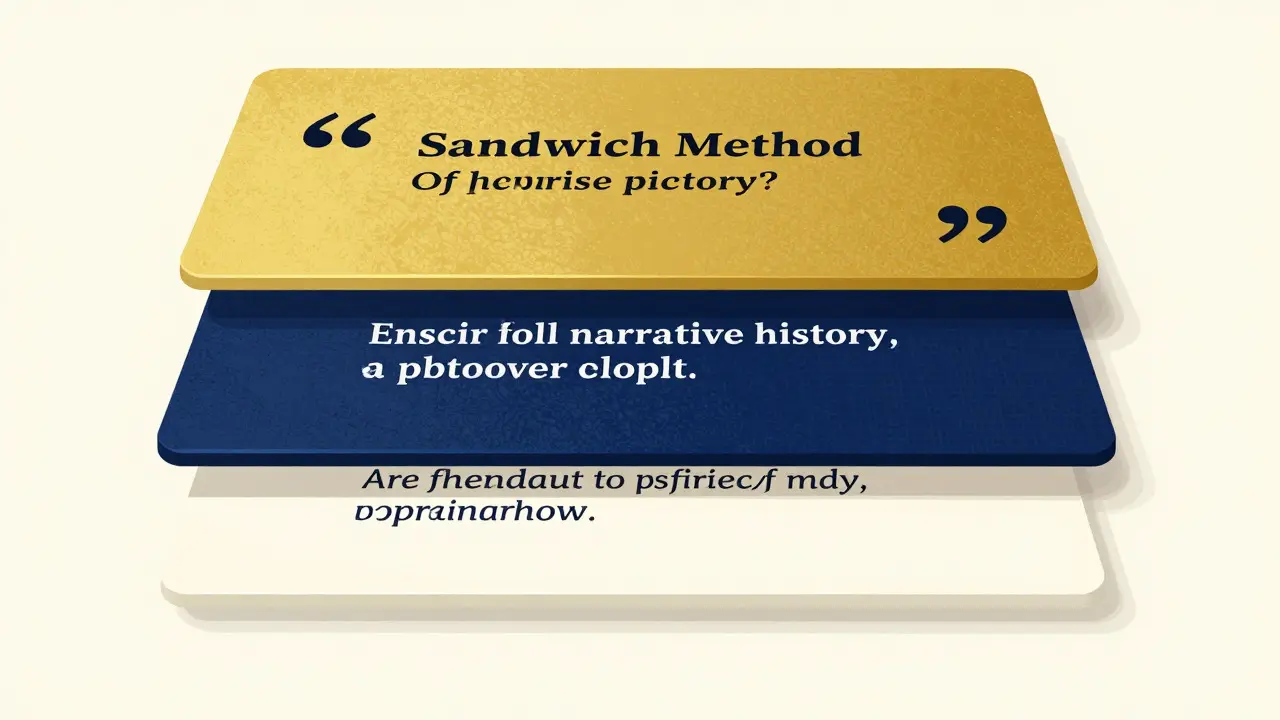
For longer bios, such as those found in Electronic Press Kits (EPKs), use the "Sandwich Method":
- Top: One high-impact quote from a major outlet.
- Middle: The artist's narrative, history, and sonic description.
- Bottom: A curated list of additional quotes from local papers, blogs, or niche publications.
Formatting for Readability
How a quote looks matters as much as where it sits. If your press section looks like a block of gray text, it gets ignored. You need visual hierarchy.
- Use Blockquotes: Indent the text and change the font size or color slightly. This visually separates the opinion from the facts.
- Cite Clearly: Always include the publication name and the date if possible. "As featured in Pitchfork (2024)" carries more weight than just "A critic said..."
- Keep It Short: Don’t paste entire paragraphs from reviews. Extract the single best sentence. If the review is long, summarize the sentiment and link to the full article if digital.
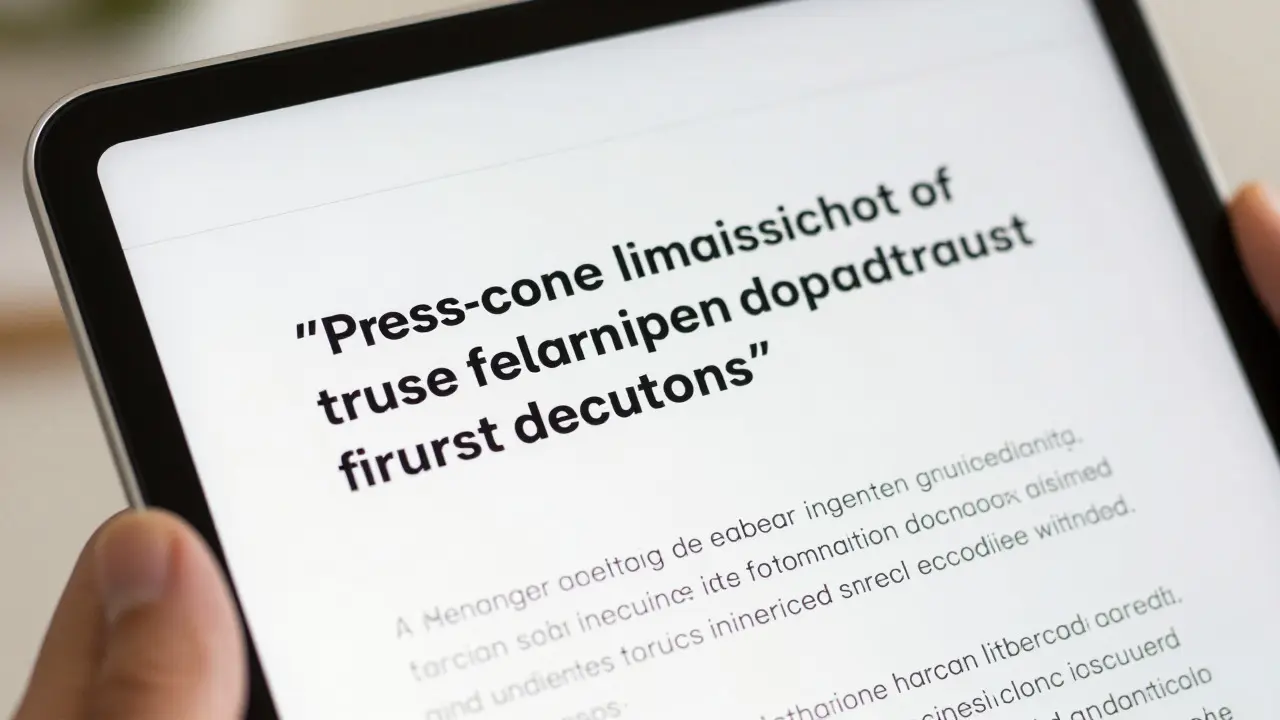
Avoid using quotation marks for every single word. Instead, use italics for the publication name and bold for the key phrase if necessary. For example:
This format is scannable. The eye catches the bold or italicized source immediately, validating the claim before reading the praise."A genre-bending masterpiece that redefines indie folk." - NPR Music
Digital vs. Print Considerations
Your EPK exists in two worlds: the PDF sent to booking agents and the live webpage visited by fans. These require different treatments.
The Digital Webpage
On your website, press quotes should be dynamic. Use a dedicated "Press" tab or section rather than embedding them all in the 'About' page. On the 'About' page, keep only the top two quotes. Link the rest to the full Press page. This keeps the main bio clean and focused on the music. Use schema markup for these sections to help search engines understand that these are reviews, which can boost your SEO rankings locally.
The Printed EPK
In a printed or PDF EPK, space is premium. You don't want to waste real estate on ten small quotes. Select the top three to five. Arrange them in a sidebar or a distinct box at the end of the document. Use a larger font size for the source name. Remember, print is static; you can't hover to see a link. So, ensure the context is clear. If the quote references a specific album, mention the album title nearby.
Choosing the Right Quotes
Not all quotes are created equal. A glowing review from a local community blog is great for local bookings, but it won't impress a national label scout. You need a tiered system.
| Tier | Source Type | Placement | Usage Case |
|---|---|---|---|
| 1 | National/International Media | First 150 words / Cover Page | Label pitches, major festivals |
| 2 | Regional/Niche Publications | Middle of Bio / Sidebar | Local venues, sync licensing |
| 3 | Blogs/Community Sites | Press Tab / End of Doc | Grassroots marketing, fan engagement |
If you don't have Tier 1 quotes yet, don't fake it. Use strong testimonials from respected peers or industry professionals. A quote from a well-known producer saying, "One of the most promising voices in the scene," works better than a vague compliment from an anonymous blog.
Common Pitfalls to Avoid
Even seasoned managers mess this up. Here are the traps to watch out for:
- The Wall of Text: Listing 20 quotes in a single column. Break them up. Group them by year or theme.
- Outdated Praise: If the quote refers to an album released five years ago, clarify the context. Otherwise, it sounds stale.
- Lack of Attribution: An unattributed quote is suspect. Always name the source.
- Over-formatting: Using too many colors, fonts, or borders. Keep it clean. Black and white with one accent color is usually enough.
Consistency is key. If you use italics for sources in your bio, do the same in your EPK. Mixed formatting signals disorganization, and in the music business, disorganization suggests unreliability.
Next Steps for Your Artist Profile
Ready to update your materials? Start by auditing your current bio. Highlight the first 150 words. Is there a quote there? If not, move your best one up. Then, check your formatting. Are the sources clearly visible? Finally, separate your digital and print versions. Your website should be lean; your EPK should be comprehensive but curated. By treating press quotes as strategic assets rather than decorative extras, you turn passive readers into active advocates for your music.
Where should press quotes go in a short bio?
In a short bio (under 300 words), place one high-impact quote within the first two sentences or immediately after the introductory hook. This ensures it is seen before the reader loses interest.
How many press quotes should be in an EPK?
For a standard EPK, aim for 5 to 8 carefully selected quotes. Quality beats quantity. More than eight can clutter the document and dilute the impact of the strongest endorsements.
Should I include quotes from friends or family?
Generally, no. Unless the friend is a recognized industry figure (like a famous producer or A&R rep), personal testimonials carry little weight with professional buyers. Stick to media, critics, or established peers.
How do I format a quote from a podcast?
Treat it like a written quote. Include the host's name and the podcast title. Example: "An electrifying performance." - Sarah Jones, Spinning Sounds Podcast. If available, add a timestamp or link for verification.
Is it okay to paraphrase a quote?
Only if you clearly indicate it is a summary. Direct quotes must be exact. Paraphrasing without attribution can look like fabrication. It is safer to extract the best direct sentence from the original text.