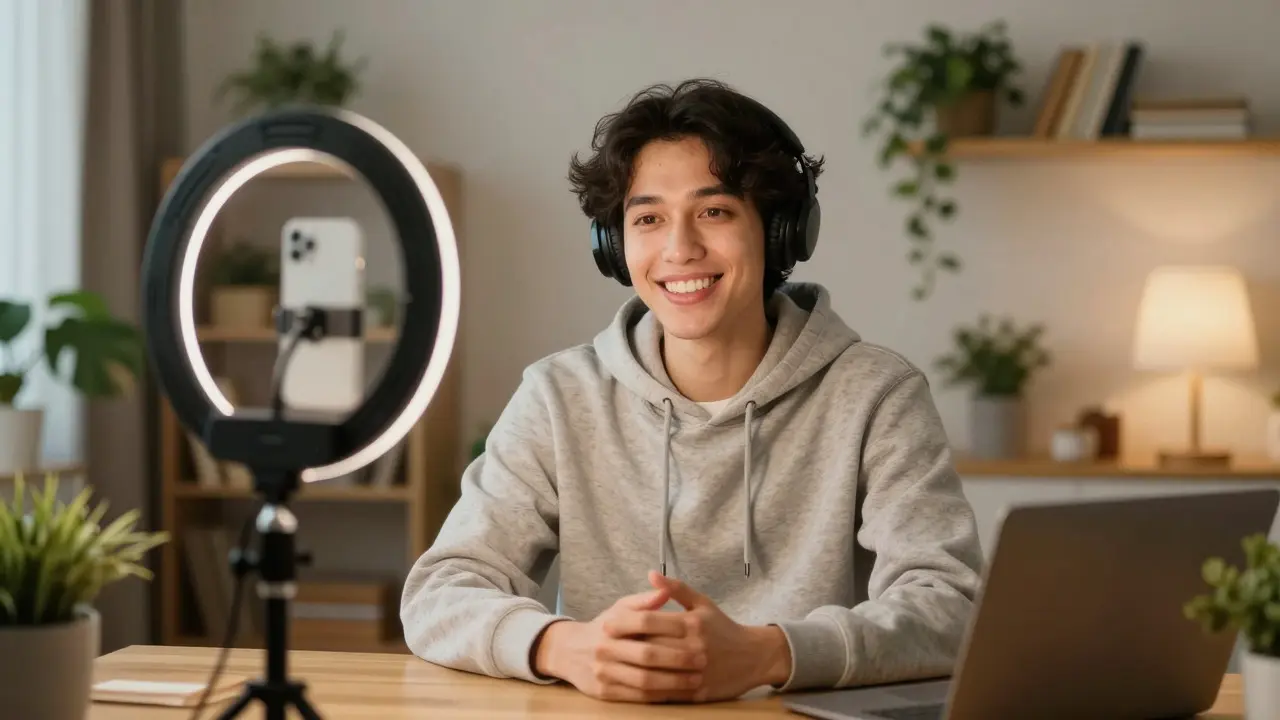
Imagine you just posted a new song or a blog post. You hit publish and wait for the likes. But what if, instead of passive scrolling, your fans were asking you questions in real-time? That shift from broadcasting to conversing is where true loyalty is born. Q&A sessions are not just a feature; they are the heartbeat of modern fan engagement strategies that transform casual listeners into dedicated advocates. If you are creating content, you know the silence after posting can be deafening. These direct interactions bridge that gap.
The core problem many creators face is distance. Algorithms decide who sees your work, but relationships decide who buys your ticket or subscribes to your newsletter. A live question-and-answer format removes the algorithmic barrier. It puts you face-to-face (or voice-to-voice) with the people who care most about your work. This article breaks down how to structure these sessions so they feel personal, scalable, and actually effective for growing your community.
Why Live Interaction Beats Passive Content
Passive content is a monologue. You speak, they listen. It’s efficient, but it lacks depth. Fan engagement requires reciprocity. When a fan asks a question, they are investing time and mental energy. When you answer, you validate their presence. This psychological loop creates a sense of ownership over your brand or persona.
Consider the difference between a polished Instagram reel and a raw Instagram Live Q&A. The reel might get 10,000 views. The Live session might only get 500 viewers. But those 500 people now feel like insiders. They saw your unfiltered reaction. They heard your genuine thought process. Data from social listening tools consistently shows that users who participate in live events are 3x more likely to convert into paying customers than those who only consume static posts. The key here is authenticity. Fans can smell a script from miles away. They want the real you, even if it’s messy.
Choosing the Right Platform for Your Audience
Not all platforms are created equal when it comes to two-way communication. Your choice depends on where your fans already spend their time and what kind of interaction they prefer.
If your audience is younger and visual, lean into Instagram or TikTok. If they are deep-dive learners or hobbyists, Discord offers a permanent home for these conversations. The goal is not to be everywhere, but to be present where the conversation naturally happens. Pick one primary platform for your weekly Q&A and master it before expanding.
Structuring a Session That Doesn’t Drag
A common mistake is thinking a Q&A is just "answering whatever pops up." Without structure, sessions can become repetitive or dominated by a few loud voices. Here is a reliable framework I use to keep things tight and engaging:
- The Warm-Up (5 minutes): Start with a simple, low-stakes question. Ask everyone to share their favorite recent moment from your content. This gets the chat moving and builds initial momentum.
- The Core Questions (20-30 minutes): Pre-select 3-4 questions from your previous week’s comments or DMs. This ensures you cover topics your fans genuinely care about. Then, open the floor for live questions. Limit each answer to under 60 seconds to keep the pace brisk.
- The Deep Dive (10 minutes): Pick one complex topic that came up and go deeper. This shows you are willing to do the hard work of explaining your craft or philosophy.
- The Close (5 minutes): Summarize the key takeaways. Announce the next session date. End with a specific call-to-action, like "Comment below with your next question."
This structure respects your time and theirs. It prevents the session from feeling like an endless stream of random trivia. It also gives you a chance to highlight specific fans, which reinforces their participation.

Turning Answers into Content Assets
One of the biggest advantages of Q&A sessions is that they generate content for months. You don’t have to start from scratch every time. Record your sessions (with permission) and break them down.
- Short Clips: Extract the best 30-second answers for Reels, TikToks, or Shorts. Add captions for accessibility.
- Blog Posts: Turn the "Deep Dive" segment into a written article. This helps with SEO and provides a searchable reference for future fans.
- Email Newsletters: Share the top 5 questions and answers in your monthly email. This keeps non-social-media followers in the loop.
- Poll Prompts: Use unanswered questions as polls for your next pre-session survey. This makes fans feel like they are shaping the agenda.
By repurposing this material, you maximize the ROI of your time. One hour of live talking becomes five pieces of content. This consistency is crucial for algorithmic favor across all platforms.
Handling Difficult Moments Gracefully
Let’s be honest: not every question will be easy. You might get a troll, a confused fan, or a question that exposes a flaw in your work. How you handle these moments defines your character as a creator.
For trolls, don’t feed the beast. Acknowledge the comment lightly, then move on. "Good point! Let’s hear from someone else." For confused questions, take it as a sign that your messaging needs clarification. Answer simply and kindly. For critical feedback, thank them. "Thanks for pointing that out. We’re working on it." Vulnerability builds trust. Perfection feels distant. Showing that you are human and still learning makes fans want to stick around to see your growth.
Measuring Success Beyond View Counts
How do you know if your Q&A sessions are actually working? Don’t just look at viewer count. Look at retention and conversion metrics.
- Chat Velocity: How fast are messages coming in? High velocity means high engagement.
- New Follower Rate: Track how many new followers join during or immediately after the session.
- Question Quality: Are fans asking deeper, more personal questions over time? This indicates growing investment in your story.
- Direct Messages: Do fans send you DMs referencing specific parts of the Q&A? This is a strong signal of connection.
Set a baseline. If your average chat velocity is 5 messages per minute, aim for 8 next month. Small, consistent improvements compound over time. Use native analytics tools first, then supplement with third-party trackers if you need deeper data.
Frequently Asked Questions
How often should I host a Q&A session?
Consistency matters more than frequency. Once a week is ideal for maintaining momentum without burning out. If you can only manage bi-weekly, that’s fine, but announce the schedule clearly so fans can plan around it. Irregular sessions lead to missed opportunities and lower attendance.
What if nobody shows up to my Q&A?
This usually happens when you haven’t promoted the event enough. Post teasers 3 days before, 1 day before, and 1 hour before. Tell friends and other creators to share it. Also, ensure the timing works for your specific audience demographic. Check your analytics to see when your followers are most active online.
Should I read names when answering questions?
Yes, absolutely. Using a person’s name creates an instant personal connection. It signals that you are paying attention to them specifically, not just the general crowd. It turns a broadcast into a dialogue. If you have a large volume of questions, prioritize reading names from those who have engaged previously.
Is it better to do video or audio Q&As?
It depends on your comfort level and your audience’s preference. Video allows for facial expressions and demonstrations, which adds emotional weight. Audio is less intimidating and easier to produce. Many successful creators alternate: video for major announcements, audio for casual check-ins. Test both and see which yields higher engagement rates.
How do I prevent one person from dominating the chat?
Use moderation tools. Most platforms allow you to pin certain users or mute repeat offenders. Alternatively, set a rule that you will only answer questions from new participants for the first 10 minutes. This encourages broader participation and prevents the session from becoming a duet with one regular fan.