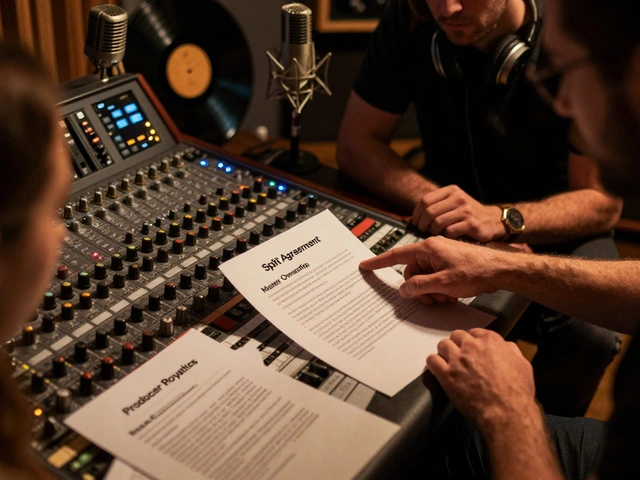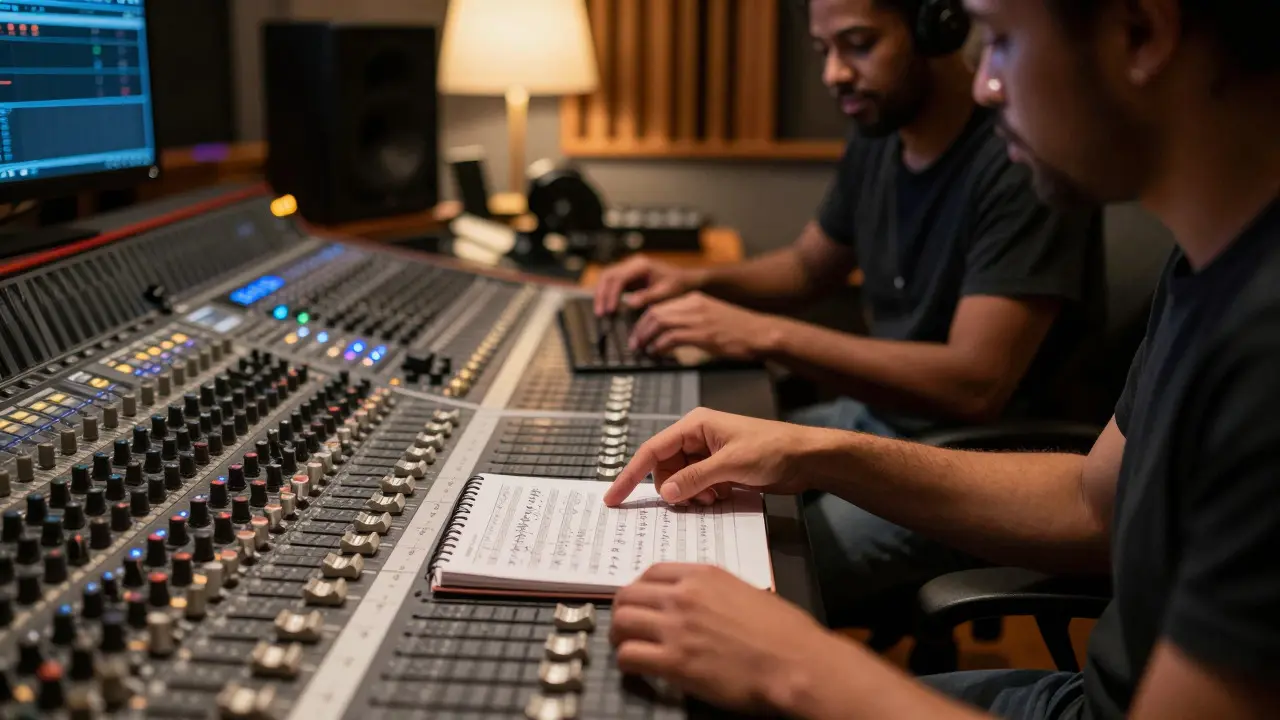
Choosing the right music producer is often the single most impactful decision an artist makes before recording a record. It’s not just about finding someone with a good room; it’s about finding a creative partner who understands your sonic vision. Robert Hill, a seasoned figure in the industry known for his work across R&B and Hip-Hop, emphasizes that this relationship defines the final product. If you get this wrong, no amount of post-production can save a track that lacks fundamental direction.
The process isn’t just about talent. It’s about chemistry, communication style, and technical capability. Many artists make the mistake of hiring based solely on portfolio aesthetics, ignoring how the producer actually works in a session. This article breaks down the critical factors to consider when selecting both a producer and a mixing engineer, drawing on practical insights from professional workflows.
Defining Your Sonic Identity Before You Call
Before you send out emails or make calls, you need to know exactly what you want. Vague references like "I want it to sound clean" are useless to a professional. Instead, define your reference tracks. Pick three songs that capture the specific vibe, texture, and emotional weight you’re aiming for. Note why they work: Is it the reverb tail? The bass saturation? The vocal compression?
- Reference Track A: Identifies the tonal balance (e.g., bright vs. dark).
- Reference Track B: Demonstrates the rhythmic feel (e.g., tight drums vs. loose swing).
- Reference Track C: Shows the dynamic range (e.g., quiet verses, loud choruses).
This specificity allows a potential collaborator to assess if their skills align with your goals. A producer who specializes in lo-fi textures might struggle with a high-gloss pop request, even if they are technically brilliant. Matching skill sets to aesthetic goals saves months of wasted time.
Evaluating the Producer: Creative Vision vs. Technical Skill
A music producer serves as the project manager and creative director of your album. They don’t just play instruments; they shape the arrangement, guide the vocal performance, and ensure every element serves the song. When evaluating candidates, look beyond their past credits. Ask about their process.
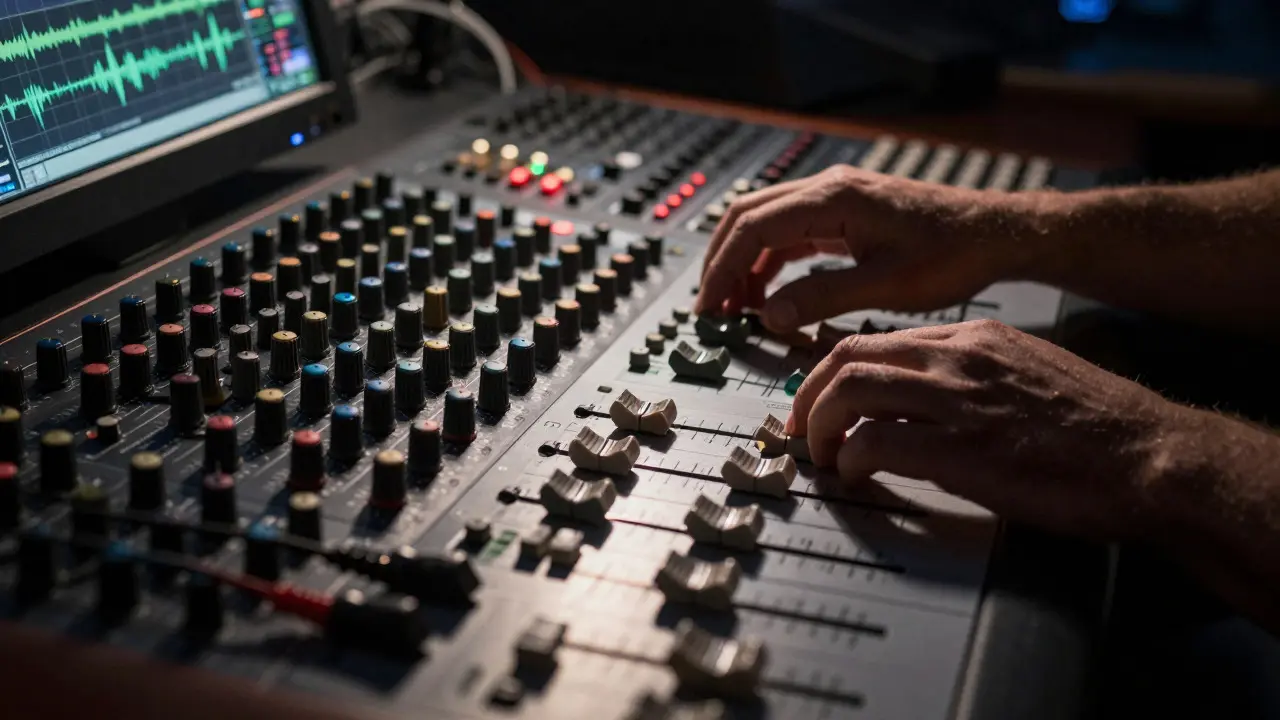
Communication style is paramount. If you are introverted and prefer minimal feedback during takes, a producer who thrives on constant dialogue will create friction. Conversely, if you need guidance to push boundaries, a passive producer will leave you stuck. Listen to interviews or watch behind-the-scenes footage to gauge their interaction style with other artists. While the producer builds the skeleton of the song, the mixing engineer gives it flesh and blood. Mixing is the art of balancing levels, panning, EQ, and effects so that every instrument sits clearly in the stereo field. A great mix ensures the lead vocal cuts through without sounding harsh, and the bass anchors the low end without muddying the midrange.
Many artists assume the producer will also mix the track. This is common, but not always ideal. Sometimes, a fresh pair of ears is needed to spot issues the producer missed due to familiarity bias. Hiring a dedicated mixing engineer can provide objectivity. However, this requires clear handoff protocols. You must ensure the producer delivers organized, labeled stems with consistent gain staging. Poorly prepared sessions waste the mixer’s time and budget. Not every talented musician makes a good collaborator. Watch out for these common red flags during initial conversations:
Professionalism matters as much as talent. A reliable producer respects deadlines and communicates proactively. If they seem disorganized in the pre-production phase, expect chaos during recording. Understanding costs helps avoid surprises. Typically, you pay producers per song or per day in the studio. Mixing engineers usually charge per track, with additional fees for revisions beyond a certain limit. Always agree on the number of included revisions upfront. Unlimited revisions often lead to scope creep and delayed projects.
Consider the total cost of ownership. A cheaper producer who requires extensive re-recording because of poor initial decisions will cost more than a slightly pricier expert who gets it right the first time. Factor in travel, studio time, and additional personnel like session musicians. The best relationships in music are built over multiple projects. Start with one or two songs to test the waters. Evaluate how well you worked together under pressure. Did the producer respect your artistic vision? Did the mixer deliver files on time? If the experience was positive, lock them in for the full album. Consistency across an album is crucial, and changing teams midway can result in a disjointed sound. Finally, trust your instincts. If something feels off in the first meeting, it likely will be worse in the studio. Music creation is emotionally vulnerable. You need a team that feels safe and supportive. The right producer and mixing engineer don’t just make sounds; they help you tell your story clearly and powerfully. It depends on your budget and the complexity of the project. If the producer has a proven track record of excellent mixes, you can save money by having them mix. However, if you want a distinct, polished commercial sound, a dedicated mixing engineer often brings specialized tools and objectivity that enhance the final quality. Three to five is the sweet spot. Too few doesn't give enough context, while too many can confuse the direction. Ensure these tracks cover different aspects of your desired sound, such as tone, rhythm, and dynamics, to give the producer a comprehensive picture of your goals. Typically, a professional mix takes between three to seven days per track, depending on the workload and complexity. Rush jobs often incur extra fees. Always confirm the timeline in writing before starting to manage expectations and plan your release schedule accordingly. Export individual stems for each instrument and vocal layer. Label them clearly (e.g., Kick, Snare, Lead Vox). Ensure consistent gain staging so no clips occur. Provide a rough mix if possible, to show your initial idea for balance and tempo. Organized files speed up the mixing process significantly. Remote collaboration is increasingly viable with high-speed internet and cloud storage. It offers access to global talent and flexibility. Local collaboration allows for easier in-person communication and spontaneous creativity. Choose based on whether you value face-to-face energy or broader talent pool access.
The Role of the Mixing Engineer
Role
Primary Focus
Key Skills
Best For
Producer
Creative Direction & Arrangement
Instrumentation, Vocal Coaching, Song Structure
Developing raw ideas into full songs
Mixing Engineer
Sonic Balance & Clarity
EQ, Compression, Spatial Effects, Automation
Polishing recorded tracks for release
Red Flags in the Hiring Process

Budgeting for Production and Mixing
Building a Long-Term Partnership
Should I hire a separate mixing engineer if my producer is skilled?
How many reference tracks should I provide to a new producer?
What is the standard turnaround time for a professional mix?
How do I prepare audio files for a mixing engineer?
Is it better to work with a local or remote producer?