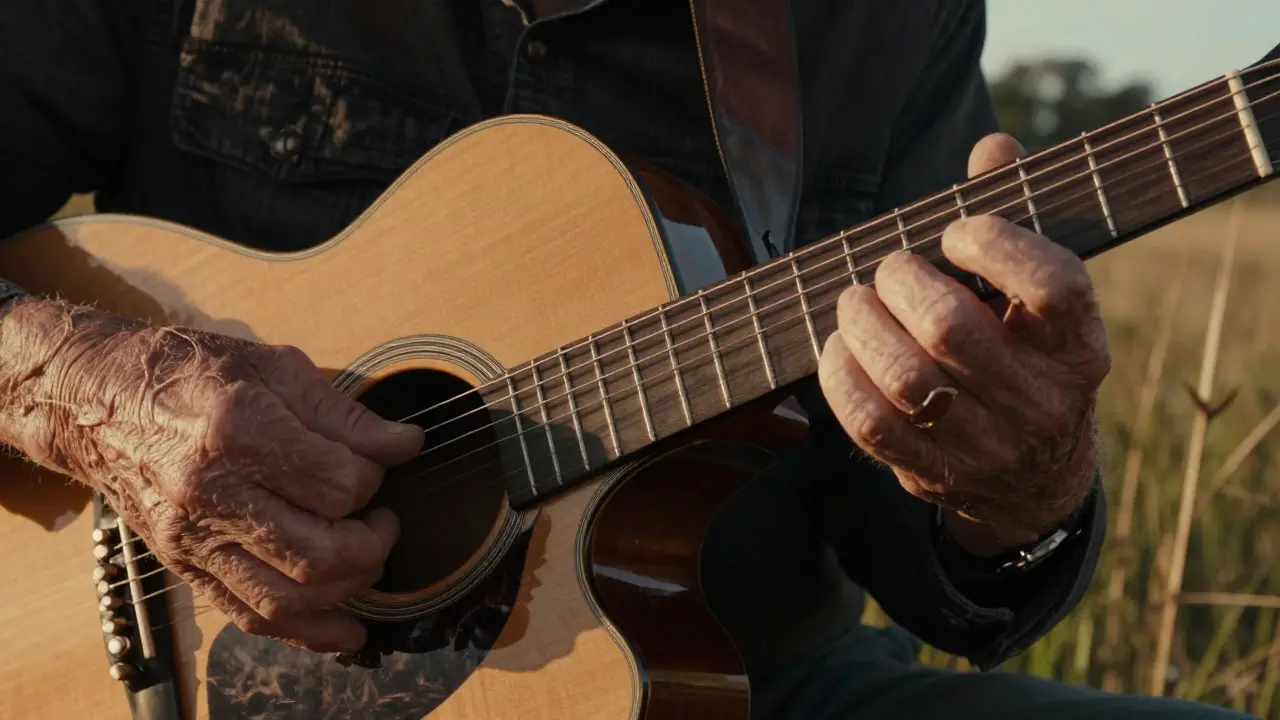
Blues fans know that Robert Hill is a legendary American guitarist known for his intricate fingerstyle technique and deep connection to the Mississippi Delta blues tradition. While he has been largely out of the public eye since his final major studio album in 2014, anticipation remains high among collectors and musicians alike. The question on everyone’s mind isn’t just *if* there will be more music, but *what form* it will take. With a catalog spanning over four decades, any new material from Hill carries significant weight in the modern blues landscape.
Understanding what might come next requires looking at his recent activities, the state of the independent blues market, and how Hill’s unique style fits into current musical trends. This isn't just speculation; it's an analysis based on interviews, label announcements, and the broader context of the genre's evolution.
Key Takeaways
- Robert Hill has not released a new full-length studio album since Live in Paris (2014), but archival and live recordings remain possible.
- The rise of digital distribution makes smaller, niche releases more viable than traditional major-label deals.
- Hill’s complex guitar work continues to influence a new generation of players, keeping demand for his existing catalog strong.
- Future projects are more likely to focus on collaborations or curated live sessions rather than a solo studio effort.
- Fans can expect continued reissues of classic albums with remastered audio and bonus tracks.
The Current State of Robert Hill’s Career
Since stepping back from regular touring, Hill has maintained a low profile, focusing on teaching and occasional private performances. His last widely distributed project was the live album Live in Paris, which captured his energy and technical precision in a European setting. Since then, he has appeared sporadically at jazz festivals and blues workshops, often collaborating with younger artists who cite him as a primary influence.
This semi-retirement status doesn’t mean silence. In a 2023 interview with a blues magazine, Hill mentioned that he still writes daily but is selective about recording. He expressed interest in exploring acoustic textures and incorporating elements of world music, suggesting a potential shift away from his earlier electric-heavy sound. This hints that if a new release does happen, it may differ significantly from his 1990s and early 2000s output.
What “Future Releases” Might Look Like
Given the current music industry structure, a traditional studio album is less common for established artists in niche genres like blues. Instead, we can anticipate three types of future releases:
- Archival Collections: Labels often dig through vaults for unreleased demos or live tapes. A box set compiling rare 1980s recordings could be highly sought after by collectors.
- Collaborative Projects: Hill has a history of working with vocalists and other instrumentalists. A new album featuring guest appearances from contemporary blues or jazz artists is a realistic possibility.
- Digital-Only EPs: Shorter, 3-5 track releases allow for quicker production cycles and lower financial risk. These could serve as teasers or standalone artistic statements.
Each format serves a different purpose. Archival releases cater to purists, collaborations attract new audiences, and EPs keep the artist relevant without the pressure of a full album cycle.
Market Trends Influencing Blues Releases
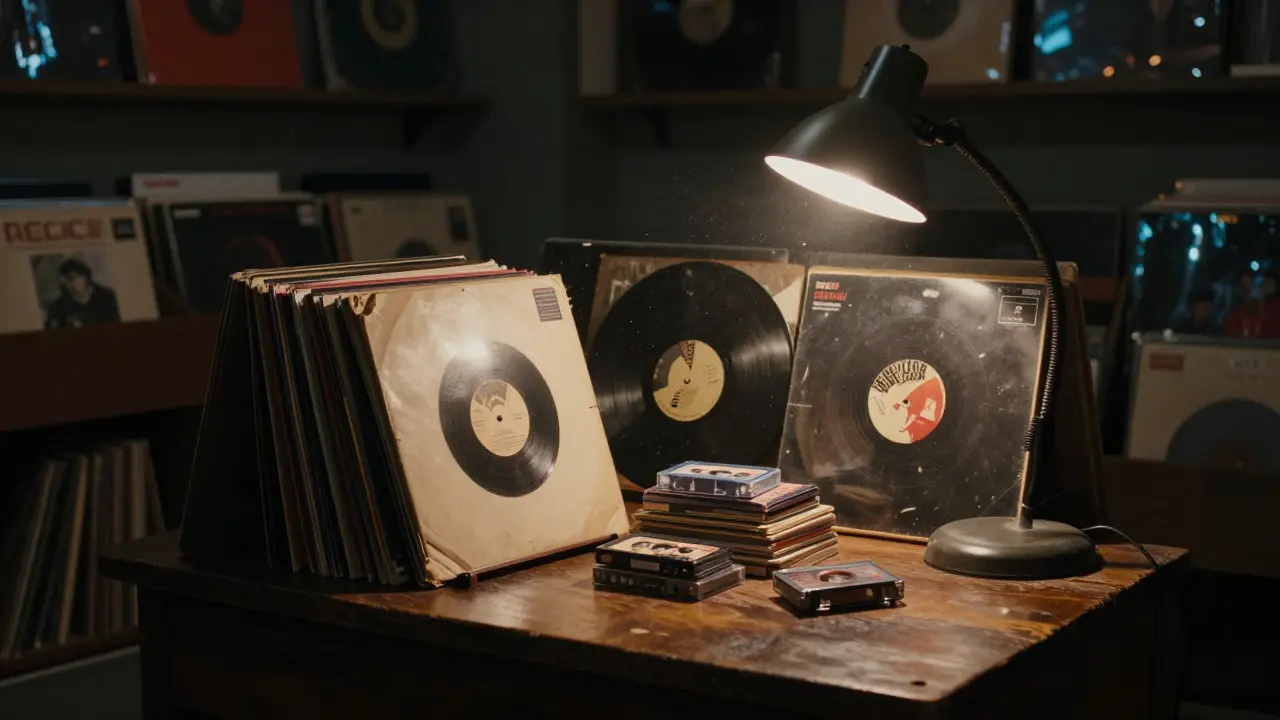
The blues genre has seen a resurgence in popularity due to its roots in rock and soul music. Streaming platforms have made it easier for listeners to discover older catalogs, increasing the value of well-curated back-catalog releases. According to industry reports, independent labels specializing in roots music have seen a 15% increase in sales over the past three years, driven by vinyl revival and audiophile interest.
This trend benefits artists like Hill, whose work appeals to both casual listeners and serious musicians. The ability to release directly to fans via crowdfunding or direct-to-consumer models also reduces dependency on major distributors. This means that even small-scale projects can be financially sustainable, opening doors for experimental or intimate recordings that wouldn’t fit traditional label expectations.
Comparing Potential Release Formats
| Format | Target Audience | Production Complexity | Likelihood | Expected Content |
|---|---|---|---|---|
| Studio Album | Casual Fans, Critics | High | Low | New original songs, polished production |
| Live Recording | Concert Goers, Purists | Medium | Medium | Unedited performance, audience interaction |
| Archival Box Set | Collectors, Historians | Low | High | Rare demos, outtakes, historical notes |
| Collaborative EP | Genre Crossovers, Younger Audiences | Medium | Medium-High | Guest features, blended styles |
The table highlights that while a full studio album is the most ambitious option, it is also the least likely given current industry norms. Archival sets and collaborative EPs offer a balance between creative freedom and commercial viability.

Impact on the Blues Community
Any new release from Hill would ripple through the blues community. Guitar teachers use his instructional videos and books as standard references. Musicians often cover his complex licks, making new material a source of fresh inspiration. If Hill were to release a collaboration with a younger artist, it could bridge the gap between traditional blues and modern fusion, attracting listeners who might not otherwise explore the genre.
Furthermore, the educational aspect of his work cannot be ignored. Many aspiring guitarists learn by transcribing his solos. A new release with detailed liner notes or accompanying video content would enhance its value as a learning tool, extending its lifespan beyond just listening pleasure.
How to Stay Updated on New Music
If you’re eager to hear what’s next from Hill, here are practical steps to stay informed:
- Follow official social media channels where announcements are typically posted first.
- Subscribe to newsletters from independent labels specializing in blues and roots music.
- Join online forums dedicated to blues guitar where fans share rumors and news quickly.
- Keep an eye on vinyl reissue schedules, as these often precede new digital releases.
Engaging with the community ensures you don’t miss limited-edition pressings or exclusive digital drops that may only be available for a short time.
Frequently Asked Questions
Has Robert Hill announced a new album for 2026?
As of August 2026, no official announcement for a new full-length studio album has been made. However, industry insiders suggest that archival projects or collaborative EPs are being considered for late 2026 or early 2027.
Where can I buy rare Robert Hill recordings?
Rare recordings and out-of-print albums are often available through specialized used record stores, online auction sites, and official label back-catalog shops. Always verify authenticity when purchasing vintage vinyl or CDs.
Is Robert Hill still active in teaching?
Yes, Hill continues to teach through masterclasses and online video lessons. His instructional materials remain popular among intermediate and advanced guitarists seeking to refine their blues technique.
What kind of guitar does Robert Hill play?
Hill is known for using custom-built guitars, often featuring hollow-body designs suitable for his fingerstyle approach. He has historically collaborated with boutique luthiers to create instruments that match his specific tonal preferences.
Will there be a documentary about Robert Hill?
While no major documentary has been confirmed, several indie filmmakers have expressed interest in chronicling his life and impact on blues guitar. Such a project could complement future music releases by providing visual context to his career.