You’ve spent months mixing your tracks, mastering the final files, and designing cover art that looks incredible on Instagram. But when you upload to Spotify, the money trickles in at fractions of a cent per stream. If you’re an independent artist in 2026, relying solely on streaming is like leaving half your revenue on the table. Physical media isn’t dead; it’s just changed shape. Fans want something they can hold, display, and gift. The problem? Vinyl, CDs, and cassettes each have different production timelines, costs, and minimum order quantities (MOQs) that can break your budget if you don’t plan ahead.
Key Takeaways
- Vinyl offers the highest perceived value but requires 8-12 weeks lead time and high MOQs (usually 300+ units).
- Cassettes are the fastest and cheapest option, ideal for limited editions or tour merch, with MOQs as low as 50 units.
- CDs remain viable for direct-to-fan sales at shows but are less popular for retail distribution.
- Mastering for physical formats differs from streaming masters; you need specific EQ adjustments and loudness targets.
- Packaging design must account for bleed, safe zones, and spine width calculations specific to each format.
Why Physical Media Still Matters in 2026
Let’s be real: nobody buys a CD because they need better audio quality than their phone speakers. They buy it because they love Physical Music as a tangible connection to the artist. In Portland, where I live, record stores are thriving not because people need new music-they have unlimited access via apps-but because they want to support local scenes and own a piece of history. For you, this means physical releases aren’t just about profit margins; they’re marketing tools. A well-designed Vinyl Record sits on a shelf in a fan’s living room, reminding them of you every day. A digital file disappears into the cloud. When you sell a $25 vinyl album, you keep roughly $10-$15 after manufacturing and shipping costs. That’s equivalent to thousands of streams. Plus, bundle deals (e.g., "Buy the vinyl, get a free digital download code") drive higher average order values than singles sold individually.
Vinyl Pressing: The Heavyweight Champion
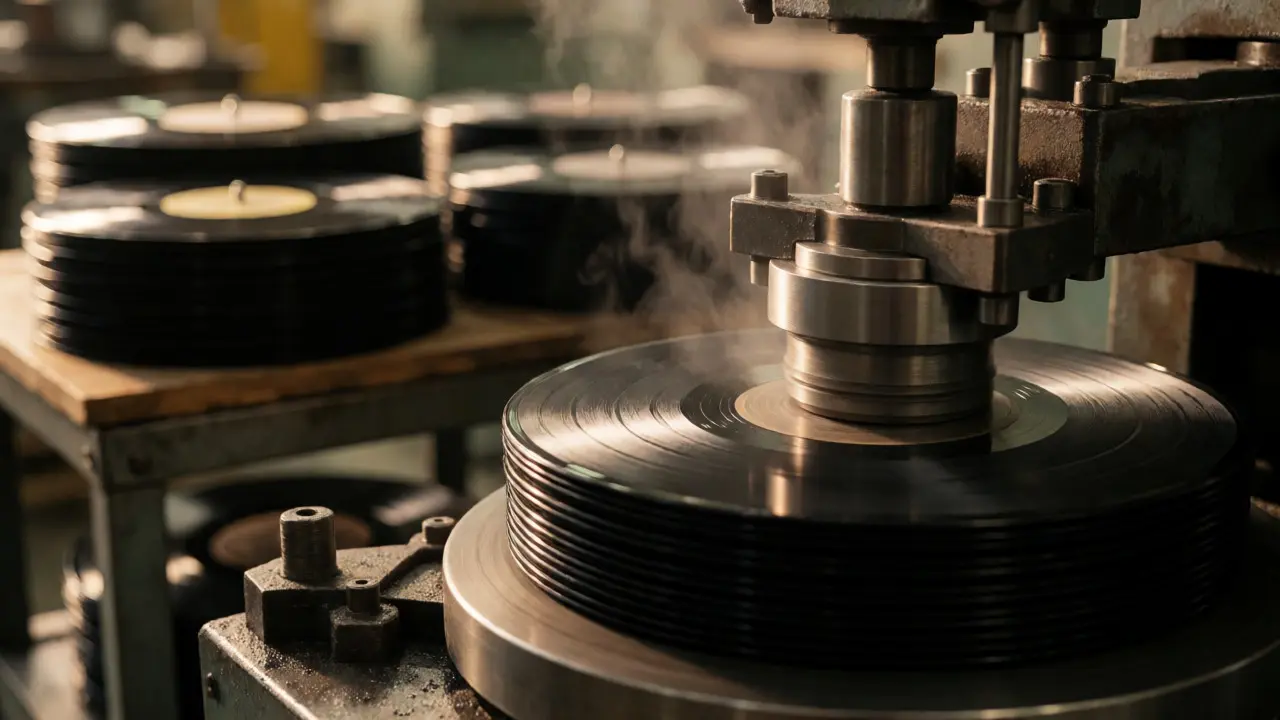
If you want premium merch, go with vinyl. But understand the logistics. Vinyl pressing is the process of creating analog records from lacquer cuts, involving plating, stamping, and packaging. It’s slow. Most reputable plants, whether domestic (like United Record Pressing) or overseas (GZ Media), require 8 to 12 weeks from proof approval to delivery. Why so long? Because each step-lacquer cutting, metal plating, test pressings-is manual and prone to errors. You’ll receive a set of test pressings before the full run. Listen to these critically. Check for surface noise, warping, or skipping tracks. If you approve bad tests, you’re stuck with 500 flawed records.
Costs vary wildly based on weight (140g vs. 180g), color (clear vs. splatter), and packaging (single jacket vs. gatefold). A standard 140g black vinyl LP with a single sleeve might cost $3.50-$4.50 per unit at an MOQ of 300. Add colored vinyl, and that price jumps to $5.50+. Gatefold jackets add another $1-$2 per unit. Always ask for a quote that includes setup fees, which can range from $200 to $500 depending on complexity. Pro tip: Order slightly more than you think you need. Restocking takes another 12 weeks, and you’ll hate selling out mid-tour.
Cassette Culture: Fast, Cheap, and Cool
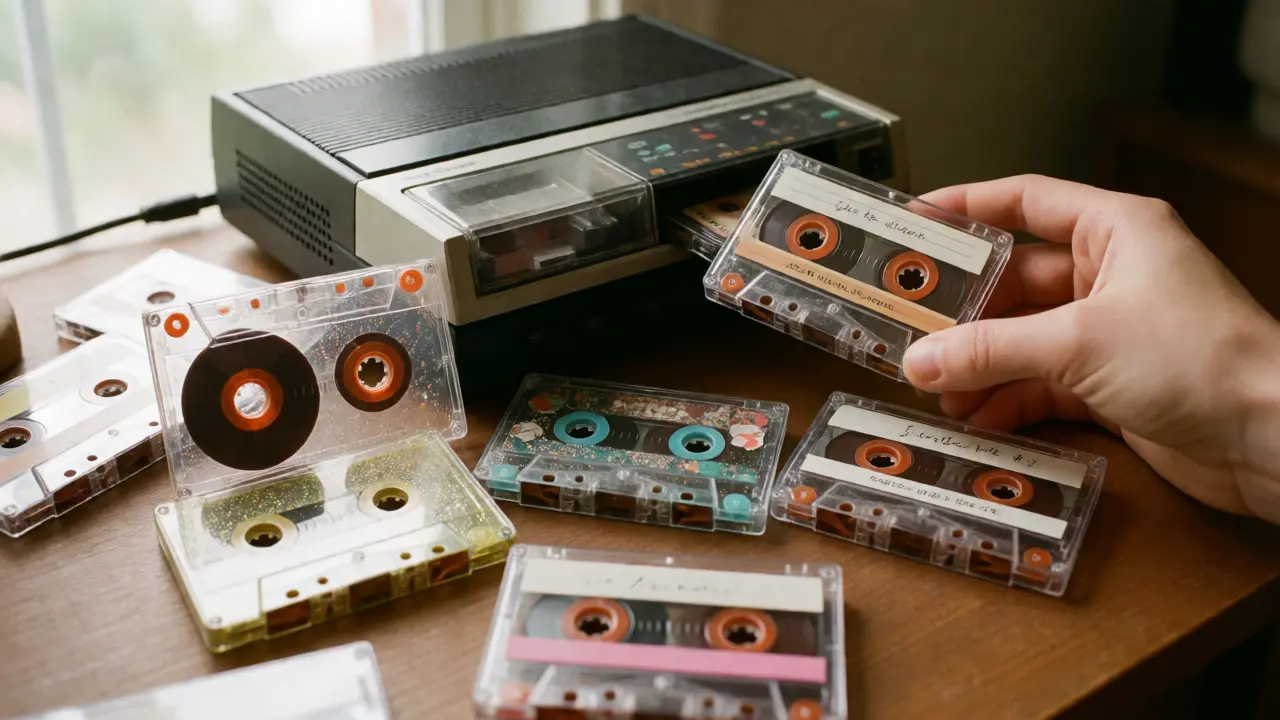
Remember mixtapes? Cassettes are back, largely driven by nostalgia and the lo-fi aesthetic popular in indie and hip-hop circles. Unlike vinyl, Cassette Duplication is fast. Many plants offer 2-3 week turnaround times. This makes cassettes perfect for last-minute tour prep or surprise drops. The MOQ is often as low as 50 units, meaning you can test the market without risking your rent money.
Audio quality on cassettes is inherently lower than digital or vinyl, characterized by a warm hiss and limited dynamic range. But fans embrace this "vibe." You don’t need a pristine master; you need a vibe. Costs are significantly lower too. A basic clear shell cassette with a J-card insert and shrink wrap might cost $1.20-$1.80 per unit at an MOQ of 100. Custom shells (colored, transparent, glitter) add pennies to the unit cost but make huge visual differences. Consider bundling cassettes with stickers or pins for a low-cost merch package that feels substantial.
CD Manufacturing: Niche but Necessary
Don’t write off the Compact Disc yet. While major retailers stock fewer CDs, independent venues and online direct-to-fan sales still move decent volume. CDs are particularly useful for complex albums with liner notes, lyrics, and credits that don’t fit on a cassette J-card or vinyl sleeve. CD Replication involves injecting polycarbonate discs with stamper molds, offering higher quality than burning CDs yourself. Replication typically requires an MOQ of 500-1,000 units, though some smaller shops offer duplication (burning) for runs as small as 50.
The main advantage of CDs is durability and data capacity. You can include bonus video content or high-resolution audio files that wouldn’t fit on a standard MP3 release. However, packaging costs can creep up. Jewel cases are cheap but feel dated. Digipaks look modern and eco-friendly but cost more ($0.50-$1.00 extra per unit). If you’re targeting collectors, consider limited edition CD-Rs with hand-numbered sleeves. These feel exclusive and appeal to superfans who collect everything you release.
Preparing Your Master Files Correctly
This is where most first-time physical artists mess up. You cannot use your Spotify master for vinyl. Streaming platforms normalize loudness to -14 LUFS. Vinyl needs headroom. If your master is crushed too loud, the stylus will jump out of the groove. Aim for -16 to -18 LUFS integrated loudness for vinyl. Also, watch your bass frequencies. Mono-ing bass below 120Hz prevents stereo phase issues that cause skipping. For cassettes, reduce extreme highs and lows to minimize tape saturation distortion. Send your engineer separate mixes if necessary.
For all formats, ensure your files are WAV or AIFF, 16-bit or 24-bit, 44.1kHz sample rate (unless doing hi-res vinyl). Include ISRC codes for tracking sales. Label track numbers clearly (Side A, Track 1, etc.). Double-check spelling of song titles and artist names. One typo on a printed sleeve means reprinting 500 units.
Designing Packaging That Works
Each format has strict design rules. Vinyl sleeves require a 3mm bleed around all edges. The spine text must be centered and readable. Gatefolds need interior artwork that aligns perfectly across the fold. Cassette J-cards have tiny fonts; use sans-serif typefaces for readability. CD booklets require CMYK color mode, not RGB. Print proofs are non-negotiable. Ask for a physical proof or a high-res PDF with crop marks. Don’t trust your screen colors; printers use ink, not light. What looks neon green on your MacBook might print muddy olive.
| Format | Avg. Lead Time | Typical MOQ | Unit Cost Range* | Best For |
|---|---|---|---|---|
| Vinyl LP (140g) | 8-12 Weeks | 300 Units | $3.50 - $5.50 | Collector editions, high-value merch |
| Cassette | 2-3 Weeks | 50 Units | $1.20 - $1.80 | Tour merch, limited drops, lo-fi vibes |
| CD (Digipak) | 3-4 Weeks | 500 Units | $1.50 - $2.50 | Detailed liner notes, bulk sales |
| 7" Single | 6-8 Weeks | 300 Units | $2.00 - $3.00 | Radio promos, split releases |
Choosing the Right Manufacturer
Not all plants are created equal. Look for transparency in pricing. Hidden fees kill budgets. Ask about: setup fees, artwork preparation charges, shipping costs (freight can be expensive for heavy vinyl), and duties if importing from Europe. Read reviews from other indie labels. Do they communicate well? Are they responsive during the proofing stage? Domestic US plants offer faster communication and no customs headaches but often charge more. European plants (like GZ Media in Czech Republic) are often cheaper for large runs but require longer planning due to shipping times.
Selling and Distributing Your Release
Once you have inventory, how do you sell it? Direct-to-fan via Bandcamp or Shopify gives you the highest margin. You control the customer data and can upsell bundles. Use fulfillment services like ShipStation or integrate with Shopify’s native shipping rates. Calculate shipping carefully. Vinyl is heavy; international shipping can cost $20+. Offer flat-rate domestic shipping to simplify decisions for buyers. For wider reach, approach local record stores. They usually buy wholesale at 50% of retail price. This halves your margin but gets your product in front of new ears. Consignment is risky; stores often return unsold stock. Wholesale is safer for cash flow.
How much does it cost to press 500 vinyl records?
For a standard 140g black vinyl LP with a single jacket, expect to pay between $1,750 and $2,750 total, including setup fees. Colored vinyl, gatefold jackets, or heavier weights will increase this cost significantly. Always request a detailed quote that breaks down per-unit costs versus fixed setup fees.
Can I use my Spotify master for vinyl?
Generally, no. Streaming masters are normalized to -14 LUFS and heavily compressed. Vinyl requires more dynamic range and headroom to prevent needle skipping. You should create a separate "vinyl master" with less limiting and mono-bass compatibility. Consult a mastering engineer experienced in analog formats.
What is the minimum order quantity for cassettes?
Many boutique manufacturers allow MOQs as low as 50 units for cassettes. Larger plants may require 100 or 250. Lower MOQs mean higher per-unit costs, but they reduce financial risk for independent artists testing new markets.
How long does vinyl production take?
Standard lead times are 8 to 12 weeks from the date you approve the test pressings. This timeline includes lacquer cutting, plating, test pressings, and the final run. Rush services exist but cost extra and may compromise quality. Plan at least 3-4 months ahead of your release date.
Are CDs worth making in 2026?
Yes, for specific niches. CDs work well for albums with extensive liner notes, educational content, or genres with older demographics (jazz, classical, folk). They are also cheaper to ship than vinyl, making them attractive for international direct-to-fan sales.
Next Steps for Your Release
Start by defining your budget and timeline. If your release is three months away, skip vinyl unless you find a rush service. Go with cassettes or CDs. Get quotes from three different manufacturers. Compare not just prices, but communication styles. Once you choose a partner, send your artwork early. Design errors delay everything. Finally, pre-sell your physical copies. Use email lists and social media to gauge interest before committing to the full run. Pre-orders fund production and validate demand. Physical media is a labor of love, but done right, it builds a loyal community that streams never can.