Blues is often reduced to a formula: twelve bars, a minor key, and a guitar. But if you listen closely to Robert Hill, the Chicago-based songwriter and guitarist, you’ll hear something else entirely. He doesn’t just play chords; he constructs worlds. His albums Moses McCord (2014) and Rose City (2016) are not merely collections of songs-they are narrative arcs that explore identity, displacement, and the quiet dignity of everyday life. This isn’t your grandfather’s Delta blues. It’s literary, introspective, and deeply human.
Why do these two records stand out in Hill’s discography? Because they represent a shift from personal anecdote to universal metaphor. In Moses McCord, the title character becomes a vessel for exploring faith and doubt. In Rose City, the city itself becomes a character, reflecting the tension between nostalgia and progress. Together, they form a diptych of modern blues storytelling that rivals the lyrical depth of Bob Dylan or Tom Waits.
The Narrative Architecture of 'Moses McCord'
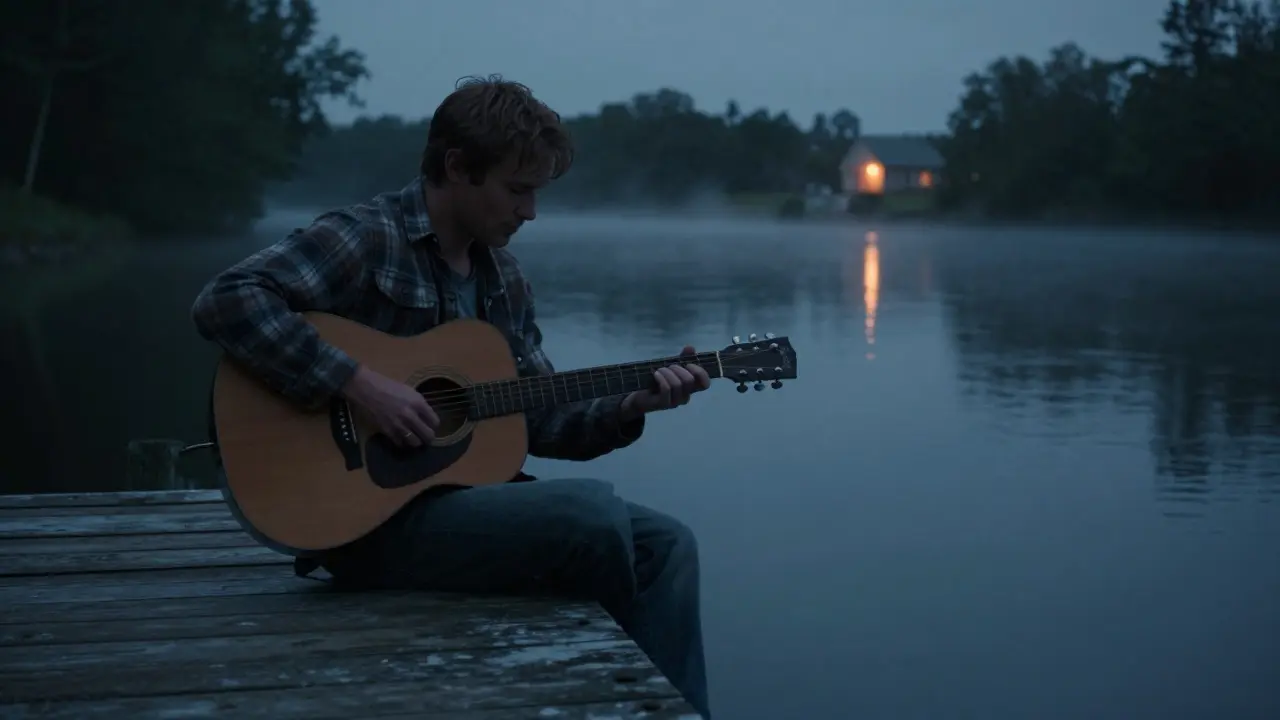
Moses McCord is structured like a short story with a beginning, middle, and end. The album opens with “Moses McCord,” a track that introduces its namesake as a figure caught between tradition and modernity. Hill uses sparse instrumentation-just his voice, acoustic guitar, and subtle percussion-to create an intimate space where every word lands with weight. The narrative arc moves from observation to empathy, asking the listener to consider what it means to carry ancestral burdens into a changing world.
- Character Development: Moses McCord is not a hero in the traditional sense. He’s flawed, uncertain, and searching. This makes him relatable to anyone who has ever felt out of place in their own heritage.
- Thematic Depth: Themes of faith, family, and belonging weave through each track. Songs like “The River” and “Homebound” expand on McCord’s internal journey, using water and road imagery to symbolize transition.
- Structural Cohesion: The album flows logically, with each song building on the last. There are no filler tracks. Every piece serves the larger narrative.
Hill’s approach here mirrors classic American literature. Think Flannery O’Connor’s grotesque yet tender characters or Raymond Carver’s minimalist tales of working-class life. The blues becomes a vehicle for literary exploration, not just musical expression.
'Rose City': Urban Mythology and Modern Blues
If Moses McCord is a character study, Rose City is a portrait of a place. Released in 2016, this album draws inspiration from Portland, Oregon-a city known for its rain, coffee culture, and countercultural roots. Hill uses the city’s landscape to explore themes of isolation, community, and reinvention. The title track, “Rose City,” sets the tone: melancholic but hopeful, grounded but dreamy.
| Element | Moses McCord (2014) | Rose City (2016) |
|---|---|---|
| Primary Focus | Individual character (Moses McCord) | Urban environment (Portland) |
| Narrative Style | Literary, introspective | Atmospheric, observational |
| Key Themes | Faith, heritage, doubt | Isolation, community, change |
| Instrumentation | Sparse, acoustic-driven | Layered, includes electric textures |
| Emotional Tone | Tender, questioning | Melancholic, resilient |
Hill’s use of urban mythology is particularly striking. He doesn’t romanticize Portland; instead, he captures its contradictions-the beauty of its parks alongside the loneliness of its streets. Tracks like “Rain on the Glass” and “Streetlight” use sensory details to immerse the listener in the city’s mood. This approach aligns with the tradition of city-blues artists like Koko Taylor or Etta James, who turned urban landscapes into emotional backdrops.

Storytelling Devices: How Hill Builds Worlds
What makes Hill’s blues writing distinctive is his reliance on specific, concrete details rather than abstract emotions. Instead of saying “I’m sad,” he describes “the smell of wet pavement after a Tuesday storm.” This technique, borrowed from literary fiction, grounds the music in reality while elevating it to art. Here are three key devices he employs:
- Symbolic Imagery: Water, roads, and light recur throughout both albums. In Moses McCord, rivers symbolize time and memory. In Rose City, streetlights represent hope in darkness. These symbols create a cohesive visual language across the albums.
- Dialogue and Monologue: Hill often writes lyrics that sound like overheard conversations or internal monologues. This creates immediacy, making the listener feel like a witness to private moments.
- Repetition with Variation: Like traditional blues forms, Hill repeats phrases but alters them slightly each time. This mimics the way real memories shift and evolve, adding layers of meaning without breaking the narrative flow.
These techniques transform the blues from a genre of complaint into one of reflection. Hill doesn’t just express pain; he examines it, contextualizes it, and offers a path toward understanding.
Contextualizing Hill Within the Blues Tradition
To appreciate Hill’s work, you need to understand where he fits in the broader blues lineage. He stands at the intersection of several traditions:
- Chicago Blues: Like Muddy Waters or Howlin’ Wolf, Hill embraces the raw energy of the genre. But where those pioneers focused on social justice and survival, Hill turns inward, exploring psychological complexity.
- Americana and Folk: Artists like John Prine and Townes Van Zandt pioneered storytelling in folk and country. Hill adopts their narrative precision but applies it to blues structures.
- Contemporary Singer-Songwriters: The influence of Tom Waits and Nick Cave is evident in Hill’s use of atmosphere and character-driven lyrics. Where Waits might use jazz-inflected chaos, Hill opts for restraint and clarity.

Practical Listening Guide: What to Pay Attention To
If you’re new to Robert Hill’s work, start with these tracks to grasp his narrative style:
- “Moses McCord” (from Moses McCord): Listen to how the opening lines establish character and setting. Notice the minimal production-it forces you to focus on the words.
- “The River” (from Moses McCord): Pay attention to the imagery. How does the river symbolize time? How does the repetition of phrases create a sense of inevitability?
- “Rose City” (from Rose City): Hear how the electric guitar adds texture without overpowering the vocals. The melody mirrors the city’s rhythm-steady but tinged with melancholy.
- “Rain on the Glass” (from Rose City): Focus on the sensory details. Hill doesn’t just describe rain; he makes you feel it. This is where his literary training shines.
Frequently Asked Questions
What makes Robert Hill’s blues different from traditional blues?
Hill’s blues emphasizes narrative structure and literary imagery over pure emotional expression. While traditional blues often focuses on immediate feelings or social issues, Hill constructs complex characters and settings, drawing from American literature to add depth and context to his stories.
Which album should I start with: 'Moses McCord' or 'Rose City'?
Start with Moses McCord if you prefer character-driven stories and introspective themes. Choose Rose City if you’re drawn to atmospheric, place-based narratives. Both albums complement each other, so listening to them in sequence provides a fuller picture of Hill’s artistic range.
Does Robert Hill tour live performances?
Yes, Hill regularly performs live, often accompanied by a small band. Live shows tend to emphasize the rhythmic and dynamic elements of his music, which can differ from the sparse, studio-focused recordings. Attending a live performance offers a different perspective on his storytelling, as the interaction with the audience adds spontaneity.
Are there any collaborations featured on these albums?
While primarily solo efforts, both albums feature guest musicians who enhance the narrative quality. For example, subtle string arrangements on Rose City add emotional weight, while percussive elements on Moses McCord ground the stories in physical reality. These collaborations serve the storytelling rather than overshadowing it.
How does Hill’s work compare to other contemporary blues artists?
Unlike many contemporary blues artists who focus on revival or fusion, Hill prioritizes lyrical depth and narrative cohesion. His work aligns more closely with singer-songwriter traditions like those of Tom Waits or John Prine, making it accessible to listeners who may not typically seek out blues music.