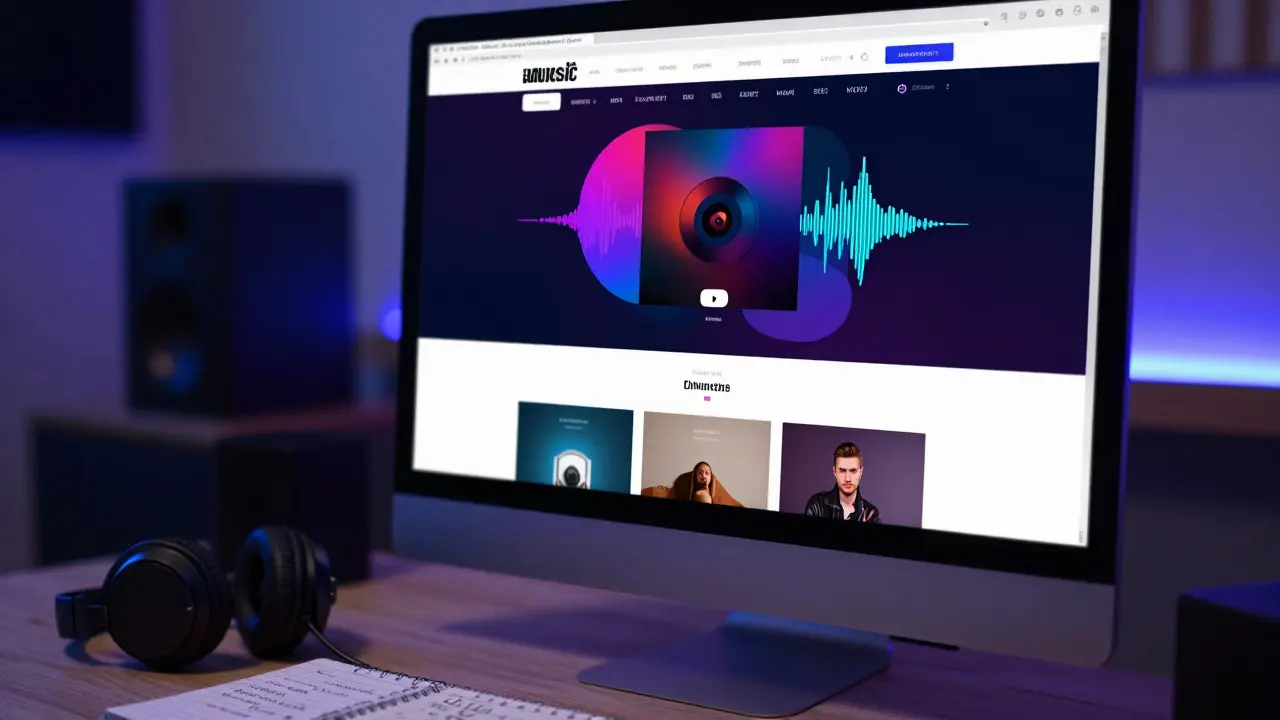
Most artists treat their website like a digital business card. They list the latest release, drop a link to Spotify, and hope for the best. But if you want real fans who stay, your music website SEO needs to work harder than that. Search engines don't just index your homepage; they crawl every single track and album page you publish. If those pages are thin on content or poorly structured, you're leaving money and attention on the table.
The goal here isn't to out-Googling Billboard. It's to make sure that when someone searches for "[Artist Name] new song" or even specific lyrics, your site is the first place they land. This builds authority and keeps listeners in your ecosystem rather than bouncing back to streaming platforms immediately.
Why Single Tracks and Albums Matter More Than You Think
Streaming platforms like Spotify and Apple Music have massive libraries, but their internal search algorithms are opaque and competitive. Your website is different. You control the environment. When a user lands on your dedicated song page, you can capture their email, sell merch, or push them to tour dates. These actions don't happen as easily on a third-party platform.
From an SEO perspective, each song and album is a unique entity. Treat them like individual blog posts. A well-optimized album page can rank for long-tail keywords like "[Album Title] meaning," "[Song Title] lyrics," or "[Artist Name] live version." These searches have lower volume but higher intent. The person searching is already interested in you; they just need a reason to click your link over a random forum post.
Structuring Your Song Pages for Maximum Impact
A common mistake is making song pages look identical to the album page with just one track highlighted. Instead, give each significant single its own dedicated URL (e.g., `yourdomain.com/songs/track-name`). This allows you to target specific keywords without diluting the album's focus.
- Unique Titles: Use the format "[Song Title] by [Artist Name] | Official Lyrics & Story." This targets both the song name and the intent to find more info.
- Meta Descriptions: Write a compelling 150-160 character summary. Include the song title and artist name naturally. Example: "Listen to 'Midnight Drive' by Jamie Read. Read the story behind the track and view official lyrics from the latest EP."
- Content Depth: Don't just embed the audio. Add 300-500 words of context. Who wrote it? What inspired it? Where was it recorded? This original content gives Google something to index that doesn't exist elsewhere.
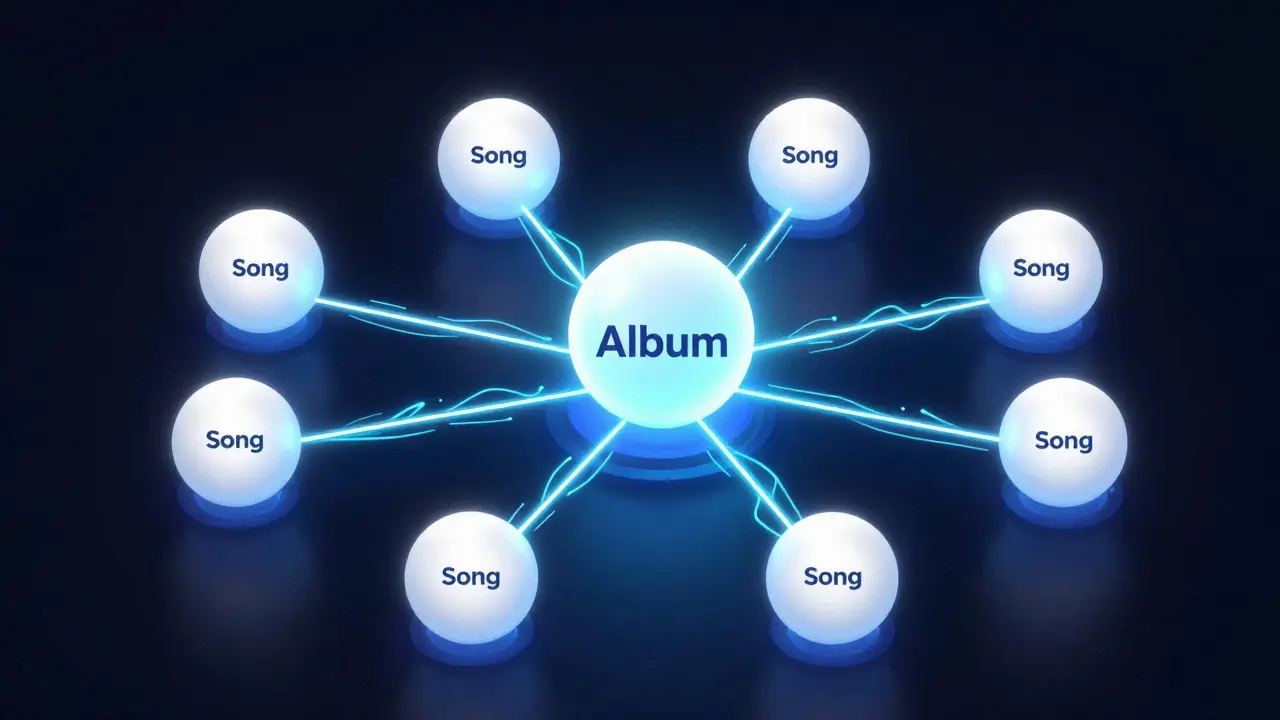
- Internal Linking: Link from the song page to the album it belongs to, and vice versa. This helps crawlers understand the relationship between entities.
Optimizing Album Pages for Discovery
Albums are the anchor of your discography. They should be robust hubs that connect all related content. An optimized album page acts as a central node in your site's architecture.
- Comprehensive Tracklist: List every track with links to their individual song pages. This creates a clear hierarchy.
- Visual Assets: High-quality cover art is essential, but so are behind-the-scenes photos. Use descriptive file names (e.g., `studio-session-behind-the-mix.jpg`) and alt text (e.g., "Jamie Read mixing the lead vocal for 'Neon Lights'").
- Press Kits and Credits: Include production credits, mastering engineers, and liner notes. Industry professionals often search for these details, and having them indexed adds credibility.
- Release Date Context: Mention the release year and any anniversary milestones. People often search for "[Artist Name] 2024 releases" or "early albums by [Artist Name]."
Leveraging Structured Data and Metadata
This is where technical SEO meets music. Standard HTML tags aren't enough to tell search engines exactly what you're selling. You need structured data (Schema.org) to help bots understand that this is a musical work, not just a generic article.
Implement MusicalWork and MusicGroup schema markup. This tells Google that the page contains specific musical information. For example, marking up the composer, performer, and recording location can qualify your page for rich snippets in search results. Rich snippets display extra info like star ratings (if applicable), duration, or genre directly in the SERP, which significantly boosts click-through rates.
Also, ensure your Open Graph tags are correct. When someone shares your song page on Facebook or LinkedIn, the preview image and title should be accurate. A broken share link kills social distribution, which indirectly hurts SEO by reducing backlinks and engagement signals.
Building Authority Through Content Strategy
SEO isn't just about tags; it's about value. How do you keep people on these pages long enough for them to count as quality visits?
Add interactive elements. Embed the video visualizer. Include a high-fidelity audio player. Offer a downloadable PDF of the lyrics or sheet music. Each of these increases time-on-page, a positive ranking signal. Furthermore, encourage user-generated content. Allow fans to leave comments or submit their own interpretations of the lyrics. Fresh, updated content signals to search engines that the page is active and relevant.
Don't forget local SEO if you perform live. If you have a physical studio or regular gig venues, link your album pages to your events calendar. Local searches for "concerts near me" or "live music in Portland