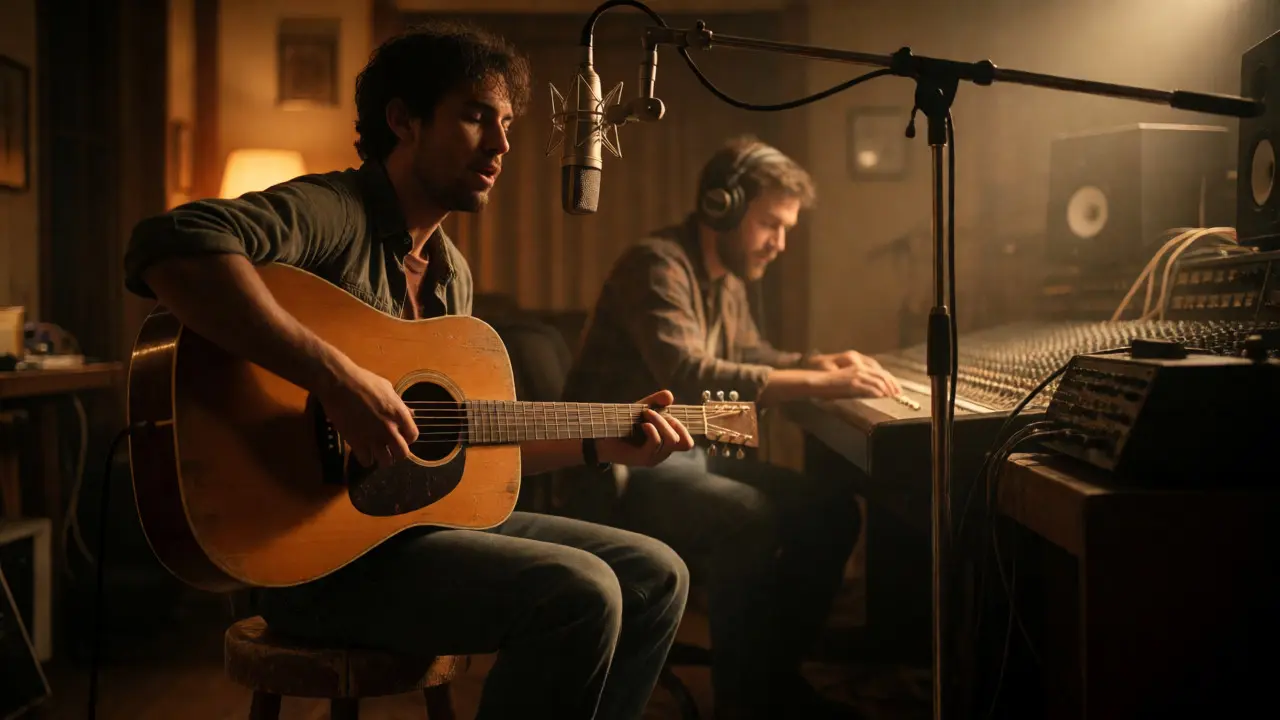
You know that feeling when a song hits you in the chest? It’s not just the lyrics or the melody. It’s the texture. The grit. The way the snare cracks like a whip while the bass hums under your feet. For fans of Robert Hill, an emerging artist known for his raw, emotive indie-folk and experimental pop tracks, that feeling is deliberate. It’s engineered. And it wasn’t built by Hill alone.
Enter Producer Paul. He’s not just a guy behind the glass; he’s the architect of Hill’s sonic identity. If you’ve ever wondered how a bedroom demo turns into a radio-ready anthem with soul, this deep dive breaks down the collaboration that changed everything. We’re talking gear choices, mixing tricks, and the psychological dynamic between two creatives who learned to speak the same language.
The Origin Story: From Garage Demos to Studio Magic
Roughly three years ago, Robert Hill was recording on a cracked laptop in his apartment. His voice was powerful, but the production felt thin. Enter Producer Paul. They met at a local open mic in Portland, Oregon-a city that has become an unlikely hub for this kind of lo-fi-to-hi-fi transformation. Paul heard potential where others heard noise. He didn’t try to polish Hill’s rough edges; he amplified them.
This partnership wasn’t about fixing mistakes. It was about framing the art. Paul’s approach was counter-intuitive. Most producers want clarity. Paul wanted character. He kept the background hiss from Hill’s early recordings because it added warmth. He left the breath sounds in the vocals because they made the listener feel close to the singer. This decision defined their entire workflow. They weren’t chasing perfection; they were chasing authenticity.
Why does this matter? Because modern music often feels sterile. Digital tools make it too easy to clean up every imperfection. By choosing to retain specific flaws, Paul and Hill created a signature sound that cuts through the noise. It’s messy, human, and undeniably real.
Defining the "Hill Sound": Key Production Techniques
So, what exactly makes a track sound like Robert Hill? It’s not magic. It’s a specific set of technical choices repeated until they became a brand. Let’s break down the core elements that define their collaborative output.
First, let’s talk about the drums. In most pop productions, drums are quantized-snapped perfectly to the grid. Paul refuses to do this. He records live drum takes whenever possible. If digital samples are used, he manually shifts the timing by milliseconds to create a human swing. This subtle imperfection creates a groove that feels alive rather than robotic.
Second, there’s the vocal treatment. Hill’s voice has a natural rasp. Instead of using heavy compression to smooth it out, Paul uses parallel compression. This technique blends a heavily compressed signal with a dry, uncompressed one. The result? You hear the power of the shout without losing the delicate whisper. It keeps the emotional range intact.
| Element | Standard Pop Approach | Hill/Paul Signature Approach |
|---|---|---|
| Vocals | Heavy Auto-Tune, pitch-corrected | Natural pitch variation, minimal tuning |
| Drums | Quantized, sample-based | Live-timed, hybrid analog/digital |
| Reverb | Clean, plate reverb | Room mics, tape saturation |
| Dynamics | Loudness War (high LUFS) | Dynamic range preserved for emotion |
Third, consider the instrumentation. Paul avoids standard synthesizer presets. He builds custom patches using modular synths. These sounds are unpredictable and often slightly detuned. When layered with Hill’s acoustic guitar, it creates a tension that resolves beautifully. It’s the audio equivalent of a plot twist.
The Gear List: What’s in the Signal Chain?
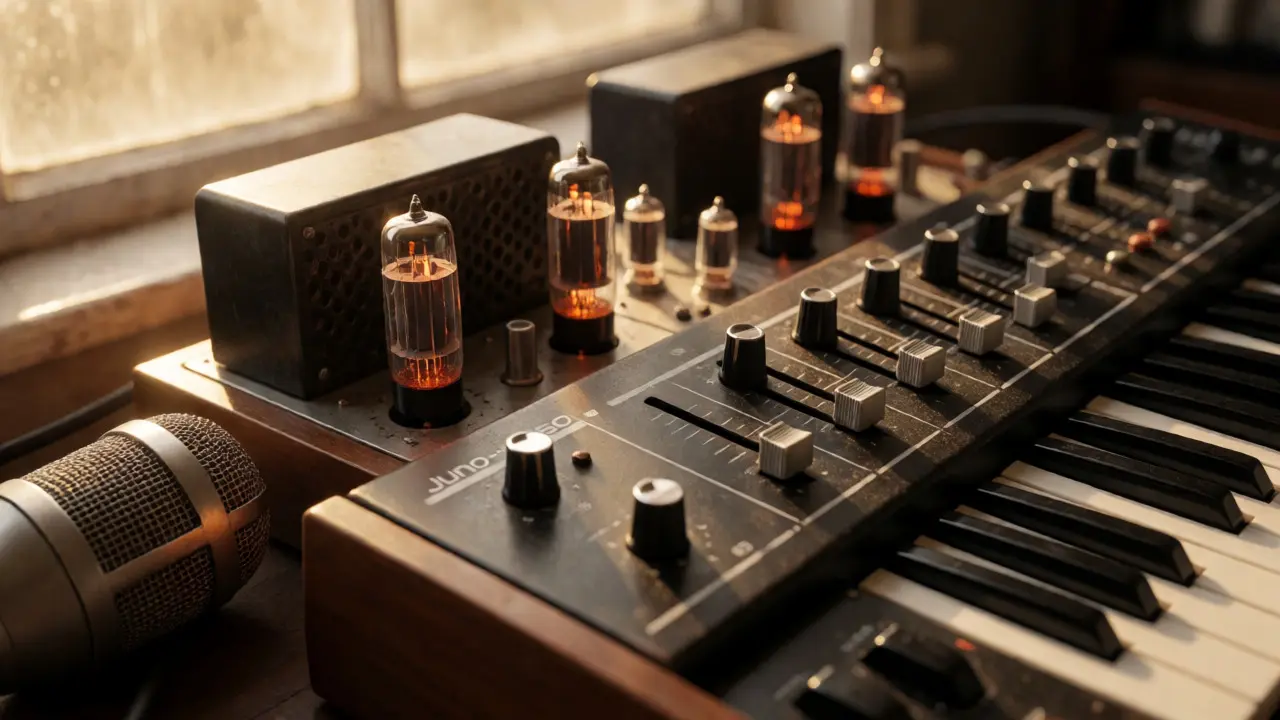
You don’t need a million-dollar studio to replicate this vibe, but you do need the right tools. Producer Paul is surprisingly transparent about his kit. He believes that limitations breed creativity. Here are the essential pieces of hardware and software that shape the Robert Hill sound.
- Microphones: A vintage Neumann U47 replica for vocals. It captures low-end warmth that modern condensers miss. For instruments, they use ribbon microphones to tame harsh high frequencies.
- Preamps: Tube preamps are non-negotiable. They add harmonic distortion that thickens the signal before it even hits the computer. Think of it as adding flavor during cooking, not just garnishing at the end.
- Software: While they use Pro Tools for editing, the mixing happens largely in-the-box with analog-modeled plugins. Specifically, they rely on tape emulation plugins to glue the mix together.
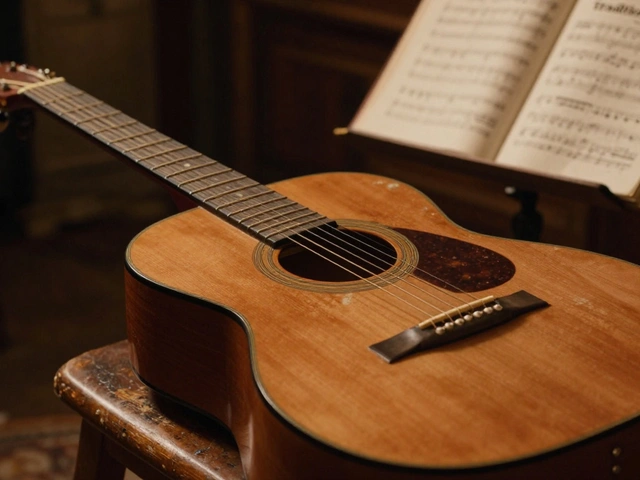
- Instruments: A battered 1960s Martin D-28 guitar and a Juno-60 synthesizer. These two items appear on nearly every track.
Notice the pattern? Nothing here is cutting-edge tech. It’s proven, warm, and tactile. Paul argues that if you have to read the manual to get a good sound, you’re already losing the creative flow. Speed matters. Feeling matters more.
Collaboration Dynamics: Ego vs. Art
Working with a producer can be tricky. Who gets final say? For Hill and Paul, the answer evolved over time. Initially, Hill was protective of his melodies. Paul was pushy about arrangements. They clashed. Literally. There were sessions where they stopped recording and argued for hours about a single chord change.
How did they fix it? They established a rule: "Kill your darlings." If a part doesn’t serve the song’s emotion, it goes. Even if Hill wrote it. Even if Paul spent ten hours designing the synth patch. This objective framework removed ego from the equation. It allowed them to trust each other’s instincts.
Another key tactic is role separation. During tracking, Hill performs, and Paul engineers. No feedback loops. No second-guessing. Once the performance is captured, they switch roles. Hill listens critically, and Paul adjusts. This clear division prevents analysis paralysis. You capture the lightning first, then bottle it later.
Case Study: Deconstructing "Echoes in Rain"
Let’s look at their breakout single, "Echoes in Rain," to see these principles in action. The song starts with a simple piano loop. But listen closely. There’s a rhythmic clicking sound underneath. That’s not a metronome. It’s the sound of Hill’s foot tapping on the floorboards, recorded via a contact microphone.
Paul mixed this tap so it sits just below the audible threshold. You feel it more than you hear it. It anchors the rhythm without cluttering the frequency spectrum. Then, the chorus explodes. The guitars come in wide, panned hard left and right. The vocal stays dead center, dry and intimate. This contrast creates space. Your brain focuses on the voice because the instruments frame it, rather than compete with it.
The bridge features a reversed cymbal swell leading into the final verse. It’s a classic rock trope, but Paul processed it through a bit-crusher plugin. The result sounds broken, digital, almost glitchy. It mirrors the lyrical theme of fragmented memories. Technical choice meets narrative intent. That’s the hallmark of their work.
Common Pitfalls in Artist-Producer Partnerships
Not every collaboration works. Many artists fail because they hire a producer who imposes their own style instead of extracting the artist’s essence. How do you avoid this trap? Ask questions before signing contracts.
Does the producer listen more than they talk? Do they ask about your influences outside of music? Can they articulate why they want to change a section? If a producer says, "I’ll make you sound like Taylor Swift," run. You want someone who says, "I’ll help you sound like the best version of yourself."
Also, watch out for credit disputes. Define ownership upfront. Who owns the master? Who owns the publishing? In the case of Hill and Paul, they split production credits evenly. This financial fairness fosters long-term loyalty. Money talks, but respect walks.
Next Steps for Emerging Artists
If you’re an independent artist looking to find your "Producer Paul," start small. Don’t blow your budget on a famous name. Look for someone whose previous work resonates emotionally with you. Send them a rough demo. See if they respond with ideas or just silence.
Prepare your demos. Be ready to explain the story behind the songs. Producers are translators. They turn feelings into frequencies. Give them the context, and they’ll give you the sound. Remember, the goal isn’t just a good recording. It’s a connection. With the right partner, that connection becomes undeniable.
Who is Producer Paul?
Producer Paul is an audio engineer and music producer based in Portland, Oregon, known for his collaborative work with indie artist Robert Hill. He specializes in blending analog warmth with digital precision to create authentic, emotive soundscapes.
What defines Robert Hill's signature sound?
His signature sound is characterized by raw, unpolished vocals, live-timed percussion with human swing, and the strategic use of ambient room noise and tape saturation to create intimacy and warmth.
Do I need expensive gear to achieve this production style?
No. While vintage microphones and tube preamps help, the core of the style lies in arrangement choices and mixing techniques like parallel compression and avoiding excessive quantization. Creativity outweighs cost.
How should an artist choose a producer?
Look for a producer who listens actively and respects your artistic vision. Avoid those who impose a generic template. Test their chemistry with a short project before committing to a full album.
What software does Producer Paul use?
He primarily uses Pro Tools for recording and editing, supplemented by various analog-modeled plugins for mixing, particularly focusing on tape emulation and saturation tools to maintain a warm, organic feel.