Why Your Products Look Boring (And How to Fix It)
You’ve got a great product. The packaging is sleek, the quality is top-notch, and the price point is competitive. But when you post it online, it just... sits there. No clicks. No sales. Why? Because your photos are flat. They look like every other listing on Amazon or Etsy. In the world of product photography is the practice of photographing products for commercial use, such as advertising, catalogs, or e-commerce listings, standing out isn’t optional-it’s survival.
Most brands make the same mistake: they treat their product like an object to be documented rather than a character in a story. A white background with perfect lighting is fine for clarity, but it doesn’t sell emotion. People don’t buy drills; they buy the satisfaction of hanging a picture frame. They don’t buy coffee beans; they buy the morning ritual. Your job isn’t just to show what the product looks like. It’s to show what it *does* and how it makes the customer feel.
Let’s fix that. Here are 20 concrete, actionable photo shoot ideas that turn static images into conversion machines. These aren’t just aesthetic choices-they’re psychological triggers designed to stop the scroll and start the sale.
The "In-Use" Action Shot
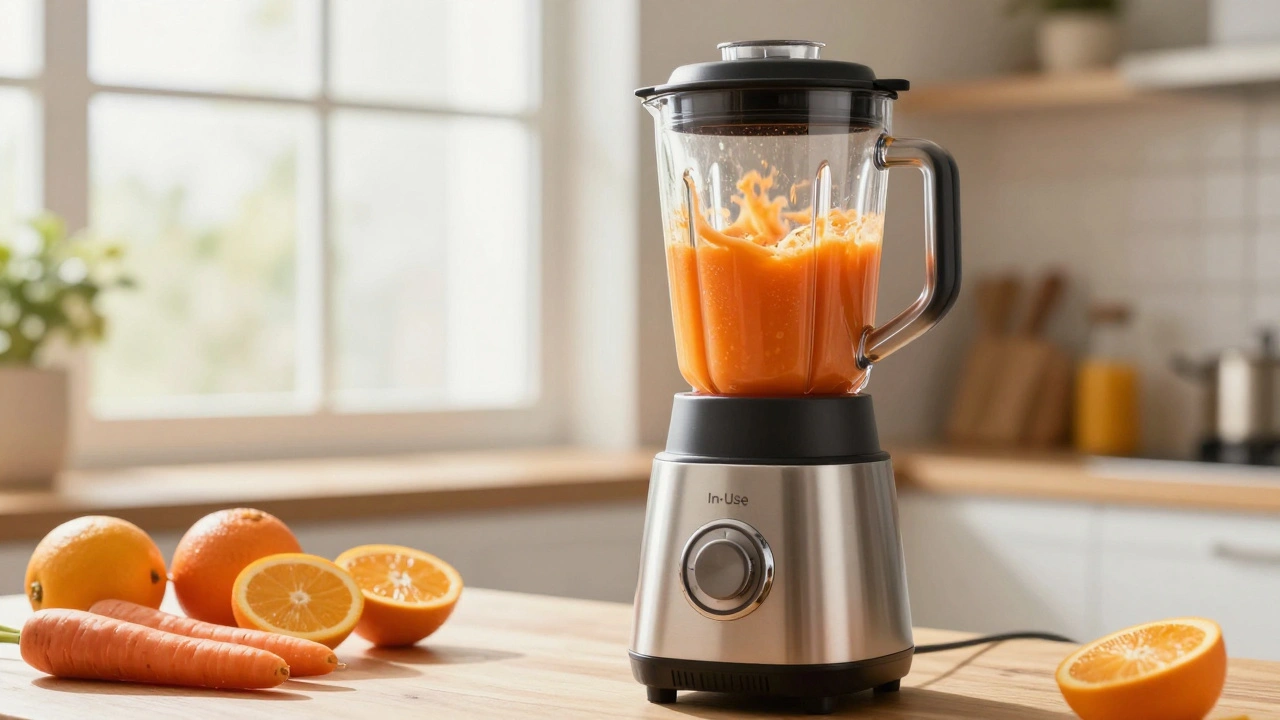
Show the product doing its job. If you sell running shoes, don’t just lay them on a table. Have someone mid-stride on a trail. If you sell a blender, capture the swirl of smoothie ingredients in motion. This technique bridges the gap between imagination and reality. Customers can instantly visualize themselves using the item.
- Pro Tip: Use a fast shutter speed (1/500s or faster) to freeze motion without blur.
- Styling Note: Keep the background simple so the action remains the focal point.
The Flat Lay Composition
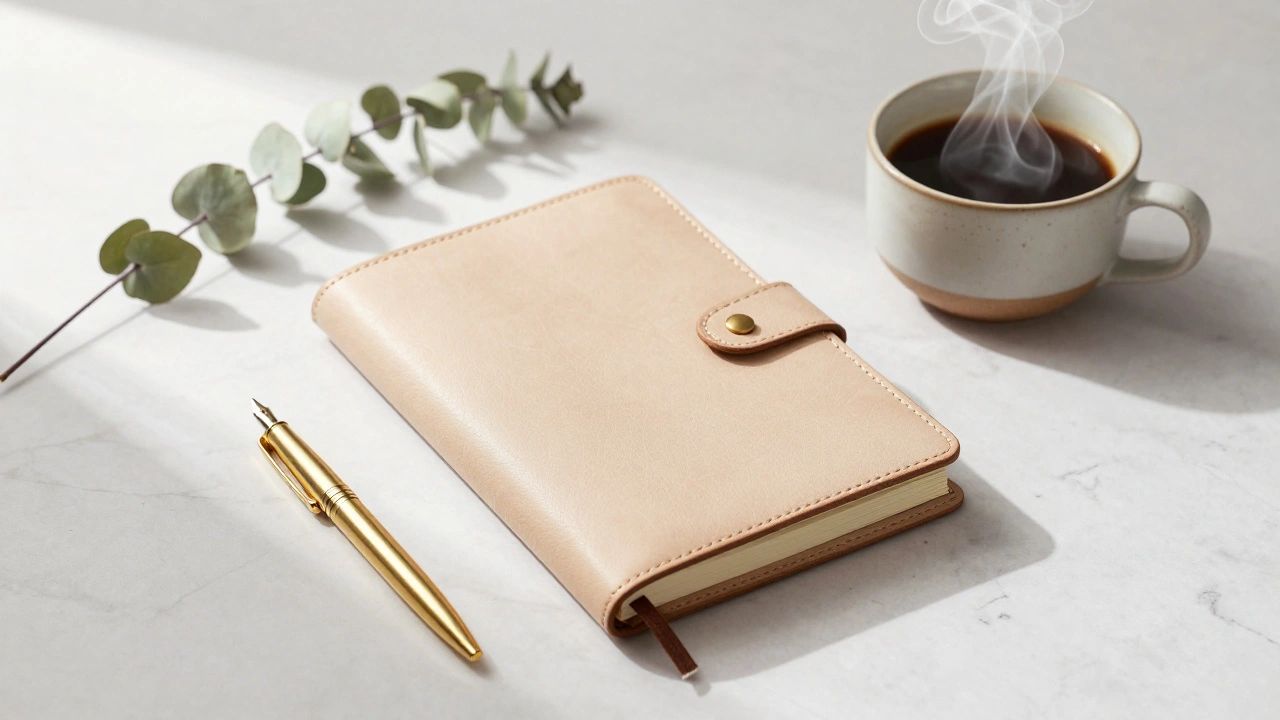
Flat lays are more than just trendy Instagram posts. They tell a contextual story. Arrange your product surrounded by related items. Selling a journal? Add a pen, a cup of coffee, and some dried flowers. This creates a lifestyle association without needing a model. It’s efficient, scalable, and visually pleasing.
| Feature | Flat Lay | Traditional White Background |
|---|---|---|
| Storytelling | High | Low |
| Production Time | Medium | Low |
| Social Media Performance | Excellent | Average |
| E-commerce Clarity | Medium | High |
The "Unboxing" Experience
In 2026, unboxing videos dominate social media, but static images can capture this moment too. Photograph the product halfway out of its packaging, with tissue paper slightly torn and accessories scattered naturally. This taps into the anticipation of receiving a gift. It emphasizes the care you put into presentation, which justifies premium pricing.
Natural Light Window Shots
Forget expensive studio lights for a moment. Natural light from a large window offers soft, diffused illumination that flatters most products. Place your subject near the window, not in direct sunlight. Use a reflector (even a piece of white foam board works) to bounce light back into shadows. This method is cost-effective and produces authentic, warm results that resonate with eco-conscious buyers.
The Minimalist Negative Space
Sometimes less is more. Place your product off-center with ample empty space around it. This draws the eye directly to the item and gives copywriters room to add text overlays for ads. It’s clean, modern, and highly versatile for digital marketing campaigns.
Texture Close-Ups
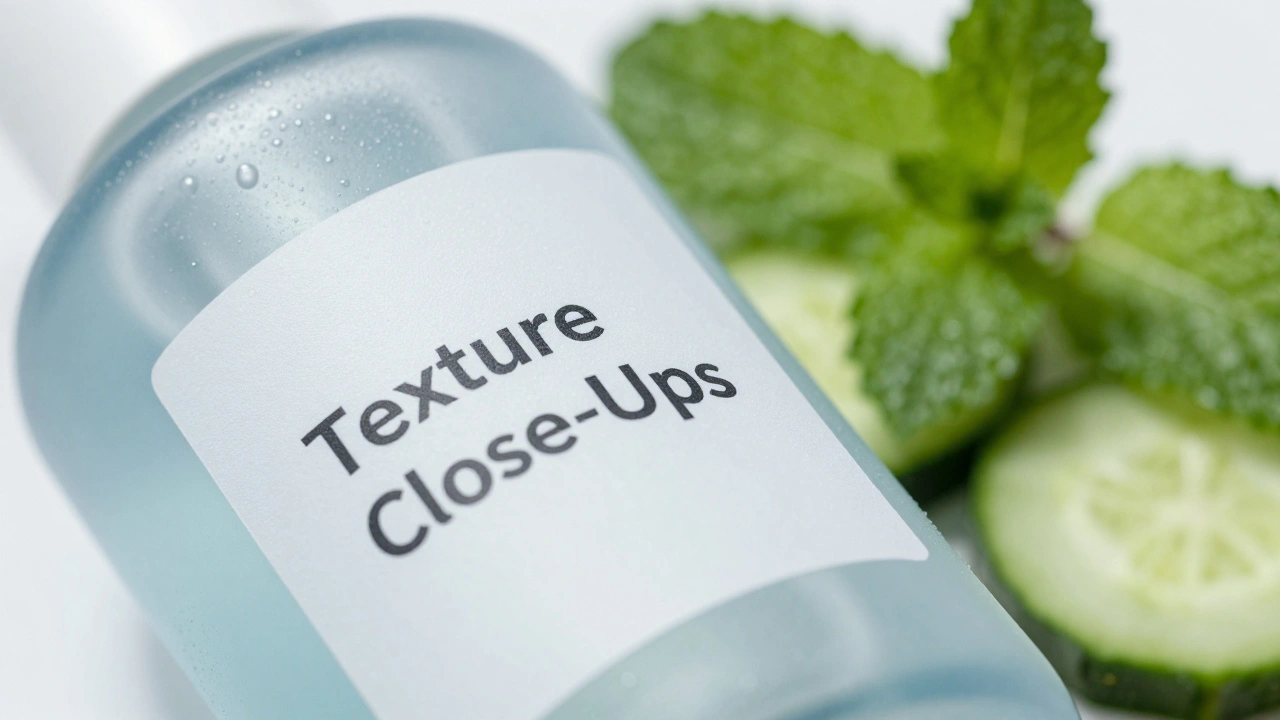
Zoom in. Really close. Show the grain of the wood, the weave of the fabric, or the bubbles in the soap. Macro photography highlights quality and craftsmanship. When customers can “see” the texture, they trust the material more. Use a macro lens or your phone’s portrait mode to achieve shallow depth of field, blurring the background while keeping the texture sharp.
The Human Element
Include hands, not faces. Hands holding a mug, adjusting a watch, or typing on a keyboard create scale and relatability. You avoid licensing issues with models while still adding humanity. Ensure nails are neat and skin tones match your brand’s demographic if possible. This subtle cue helps customers imagine themselves interacting with the product.
Color Blocking
Choose a bold background color that contrasts with your product. If you sell green skincare, use a deep purple backdrop. Color psychology plays a huge role here. Red stimulates urgency, blue builds trust, yellow evokes happiness. Test different combinations to see which drives higher click-through rates.
The Shadow Play
Use hard light sources to cast dramatic shadows. This adds depth and intrigue. A geometric shadow pattern on a wall behind a perfume bottle can suggest sophistication. Experiment with cutouts or lace between the light and the product to create custom shadow designs. It’s artistic and memorable.
Lifestyle Context
Place the product in its natural environment. A camping chair belongs on grass, not a studio floor. A laptop belongs on a messy desk with notes and a coffee stain. Authenticity sells. Avoid overly staged scenes that look fake. Imperfections make it real.
The Group Shot
If you have multiple colors or sizes, photograph them together. This reduces decision fatigue for customers. They can compare options at a glance. Arrange them in a pyramid or fan shape for visual interest. Ensure consistent lighting across all items to maintain accuracy.
Reflection Surfaces
Use mirrors, glass, or polished metal to create reflections. This doubles the visual impact and adds luxury. A perfume bottle reflected in black acrylic looks high-end. Be careful with glare-use polarizing filters if necessary to control unwanted reflections.
The "Before and After"
For cleaning products, makeup, or fitness gear, show the transformation. Split the image down the middle. One side shows the problem (dirty surface, dull skin), the other shows the solution (sparkling clean, glowing complexion). This provides immediate proof of efficacy.
Overhead Drone Style
Even without a drone, you can mimic aerial views. Hang a camera from a ceiling hook or use a tripod over a table. This perspective is great for showing layout, organization, or bulk orders. It’s particularly effective for home decor and furniture.
Seasonal Themes
Align your shoots with holidays or seasons. Pumpkin spice lattes in autumn, beach towels in summer. This keeps your content fresh and relevant. Plan these months in advance to beat the competition. Seasonal imagery boosts search visibility during peak shopping periods.
The Ingredient Breakdown
For food, cosmetics, or supplements, display raw ingredients alongside the final product. Fresh herbs next to pesto, essential oils next to lotion. This transparency builds trust and appeals to health-conscious consumers. It answers the question: “What’s inside?”
Motion Blur Artistry
Instead of freezing motion, embrace it. Slow down your shutter speed to 1/30s and move the camera or product slightly. This creates a sense of energy and dynamism. Ideal for sports equipment, vehicles, or beverages being poured. It conveys speed and excitement.
The Silhouette
Backlight your product to create a dark silhouette against a bright background. This works well for distinctive shapes like wine bottles or tools. It creates mystery and focuses attention on form rather than detail. Great for teaser campaigns before a product launch.
Interactive Props
Add props that invite interaction. An open book, a half-eaten cookie, a turned-on lamp. These elements suggest activity and usage. They make the scene feel lived-in and inviting. Choose props that complement, not compete with, the product.
Consistency is Key
No matter which idea you choose, maintain consistency in lighting, angle, and editing style across all your product images. A cohesive brand identity builds recognition and trust. Create a style guide with specific settings and prop lists to ensure uniformity.
Do I need professional equipment for product photography?
Not necessarily. Many successful brands start with smartphones and natural light. The key is mastering composition and lighting principles. However, investing in a basic DSLR/mirrorless camera and a tripod will significantly improve image quality and flexibility as you grow.
How many photos should I take per product?
Aim for at least 5-7 angles: front, back, sides, top, close-up of details, and one lifestyle shot. This covers all customer questions and reduces return rates due to mismatched expectations.
What is the best lighting for product photography?
Soft, diffused light is generally best. Natural window light is excellent for beginners. For studios, use softboxes or umbrellas to soften harsh flashes. Avoid direct sunlight as it creates harsh shadows and hotspots.
Can I use stock photos for my products?
No. Stock photos lack authenticity and don’t represent your specific product accurately. Original photography builds trust and SEO value. Customers want to see exactly what they’re buying, not a generic representation.
How do I edit product photos effectively?
Focus on color accuracy, contrast, and sharpness. Remove dust spots and distracting backgrounds. Avoid over-editing that alters the product’s true appearance. Tools like Adobe Lightroom or free alternatives like Snapseed work well for batch processing.