Robert Hill doesn’t just write songs-he builds worlds in three minutes. His lyrics don’t rhyme for the sake of rhythm; they carry weight, texture, and quiet truth. You don’t need to know his biography to feel the ache in his lines. You just need to have been lonely, hopeful, or broken enough to recognize them.
What Makes Robert Hill’s Lyrics Stick
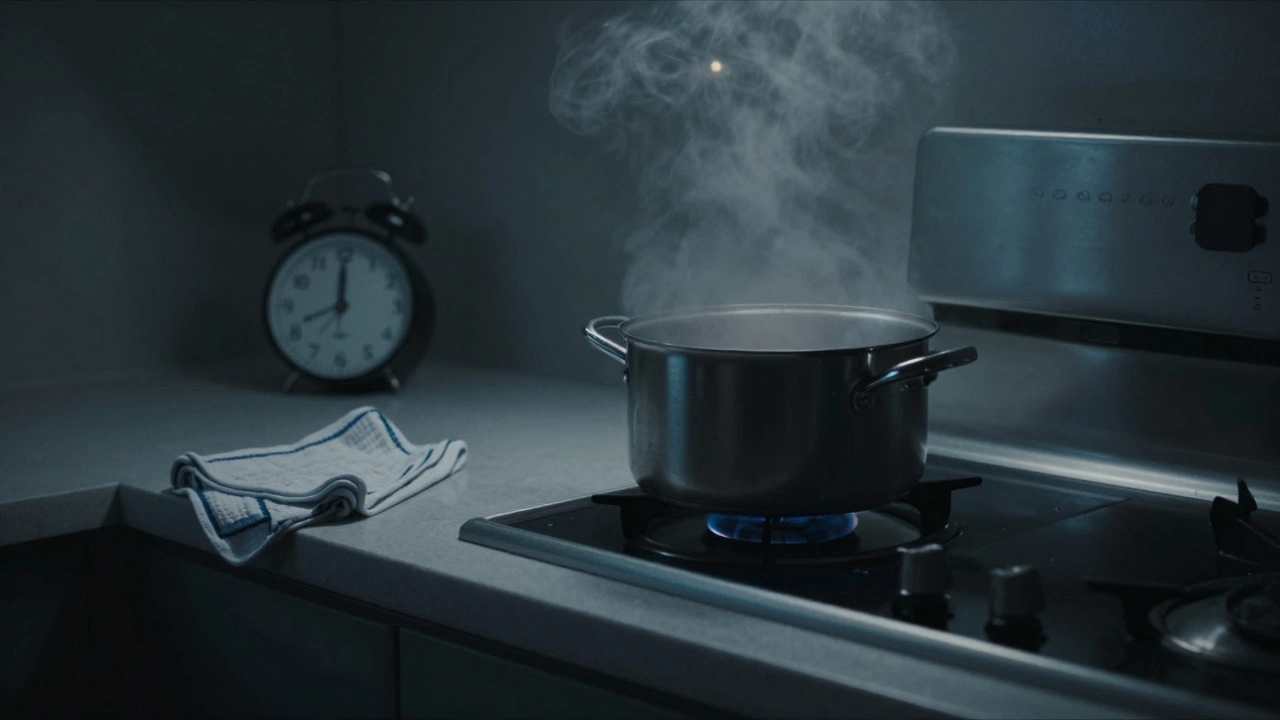
Most songwriters try to say too much. Robert Hill says just enough. He leaves space for the listener to fill in the silence. Take this line from “The Last Light in the Kitchen”: "I didn’t cry when you left. I just turned off the stove and let the water sit."
There’s no mention of anger, betrayal, or pleading. No dramatics. Just a domestic detail that says everything. The stove. The water. The stillness. You don’t need to know what happened between them. You’ve done something like this. Maybe you left the coffee cup on the counter. Maybe you didn’t answer the phone for three days. Hill’s genius is in the specificity. He doesn’t tell you how to feel-he shows you the moment where feeling collapsed into action.
His lines aren’t poetic because they’re flowery. They’re poetic because they’re true in the way real people talk when no one’s listening.
Technique #1: The Unspoken Ending
Hill rarely wraps a story with a bow. He cuts the scene before the resolution. In “November in the Rearview”, he sings:
- "You said you’d call when the snow stopped falling. I didn’t check the weather again."
That’s it. No follow-up. No confession. No reconciliation. The listener finishes the story themselves. Did they wait? Did they move on? Did they forget? The power lies in the absence. This technique mirrors real life-most endings aren’t dramatic. They’re quiet. They’re in the things we stop doing.
This isn’t vagueness. It’s precision. He gives you the key, then locks the door.
Technique #2: Objects as Emotions
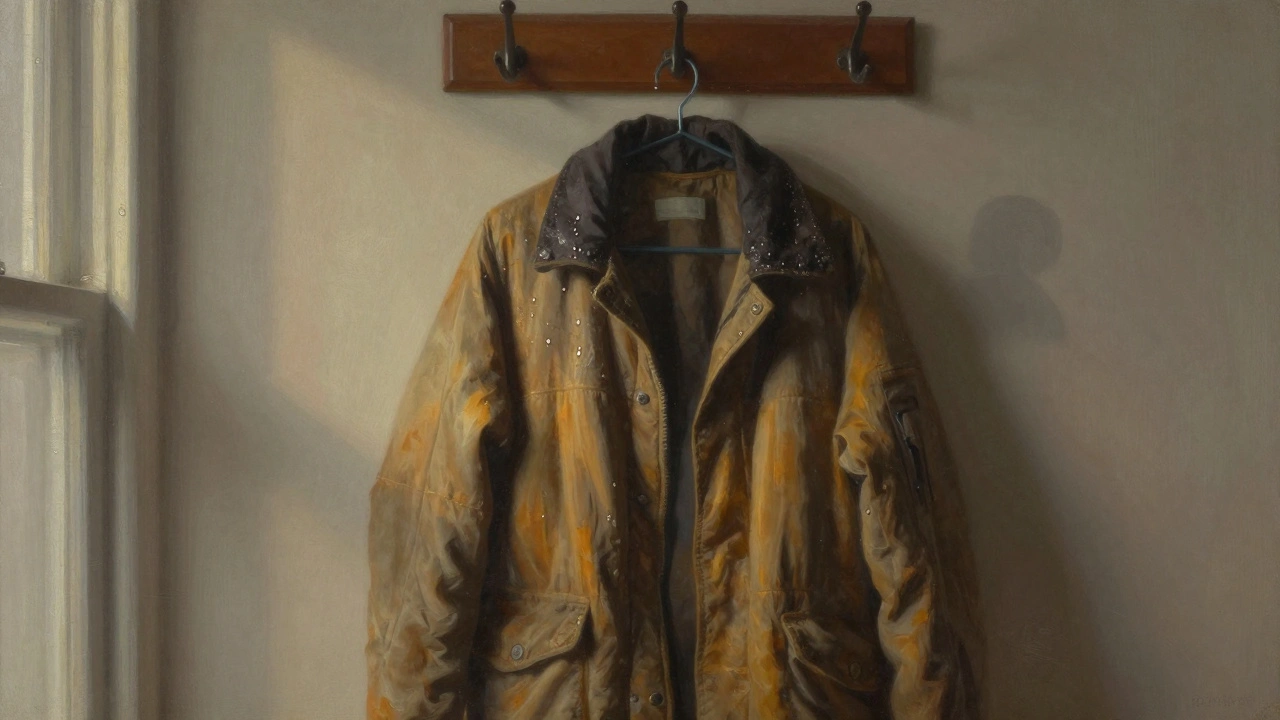
Hill turns everyday things into emotional anchors. In “The Jacket You Left Behind”:
- "It still smells like rain and that cheap cologne you stole from your brother. I keep it in the hall. Not because I miss you. Because I don’t want to forget how it felt to believe you’d come back."
That jacket isn’t fabric and buttons. It’s a time capsule. The cologne isn’t just a scent-it’s a memory of a person who wasn’t quite who they pretended to be. The hallway isn’t a space-it’s a limbo.
This is called object symbolism in songwriting. But Hill doesn’t use it like a literary device. He uses it like a lifeline. You don’t analyze it-you recognize it. Because you’ve had a pair of shoes, a playlist, a postcard that still sits on your shelf for reasons you can’t explain.
Technique #3: The Quiet Contradiction
Hill’s lines often hold two truths at once. In “I Still Know Your Number”:
- "I haven’t dialed it in years. But I still know your number by heart."
It’s not a love song. It’s not a breakup song. It’s a confession of memory. The contradiction isn’t dramatic-it’s human. We hold onto things not because we want them, but because letting go feels like losing part of ourselves.
This is why his songs don’t feel like songs. They feel like diary entries someone accidentally left open.
How He Builds a Story in 30 Seconds
Most songwriters spend verses setting up a scene. Hill drops you into the middle of it.
Take the opening of “The Bus Stop at 3:17”:
"You were holding two cups. One for you. One for the dog you swore you’d never adopt. I didn’t ask why. I just sat down. The rain came faster after that."
That’s 37 words. You know: who’s there, what happened, what’s broken, what’s unspoken. You know the dog is dead. You know the speaker is waiting for something they can’t name. You know the rain isn’t just weather-it’s the moment everything changed.
Hill doesn’t explain. He implies. And that’s why his songs stick. They’re not about what happened. They’re about what was left behind.
Why His Lyrics Resonate Beyond Music
Robert Hill’s lyrics work because they don’t try to be art. They try to be honest. He writes like someone who’s been up too long, staring at the ceiling, trying to remember what love felt like before it became a habit.
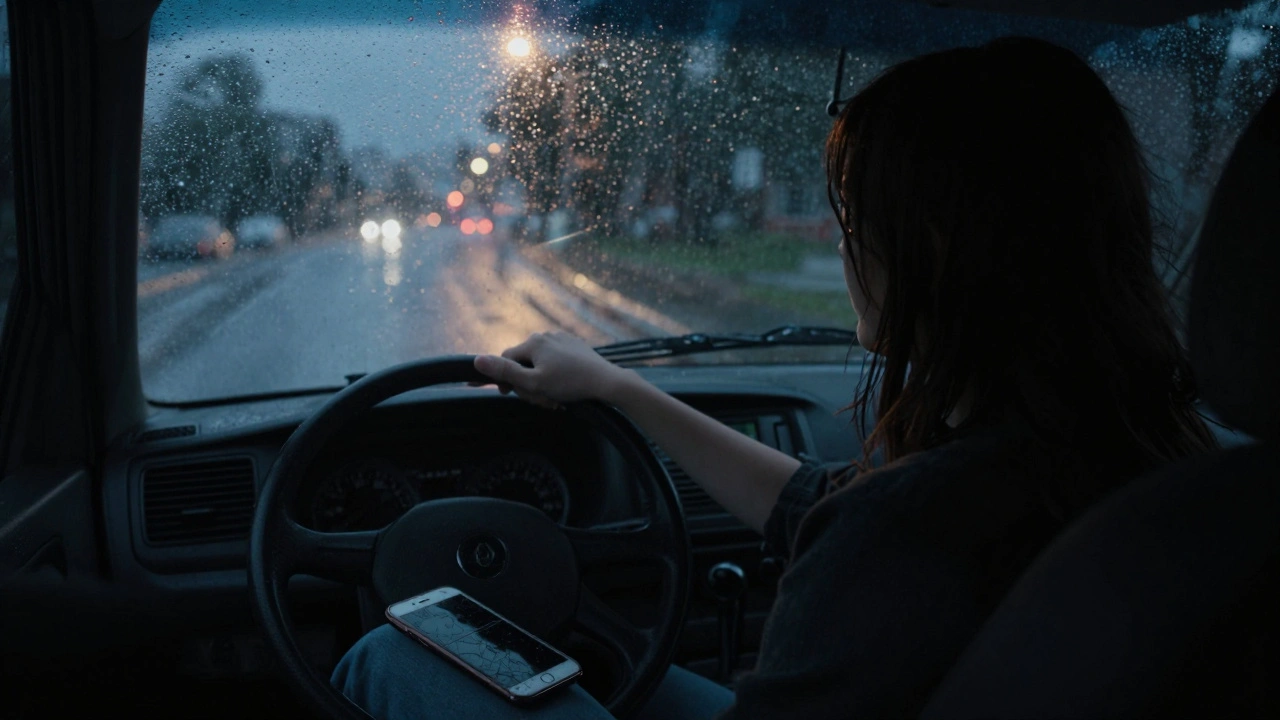
His songs aren’t meant for radio play. They’re meant for 3 a.m. drives. For hospital waiting rooms. For the silence after someone says, “I’m fine.”
That’s why people text him lyrics. Not to ask what they mean. But to say: “I felt that too.”
What You Can Learn From His Style
If you’re trying to write lyrics that land, here’s what Hill teaches:
- Use small details-not big emotions. A half-eaten sandwich. A cracked phone screen. A sock that never made it to the laundry.
- Leave the ending open-let the listener finish the story. The best lines are the ones that haunt because they’re unfinished.
- Let objects carry emotion-don’t say “I’m sad.” Show the thing they left behind.
- Embrace contradictions-people are messy. Your lyrics should be too.
- Don’t explain-if you have to say what it means, you didn’t write it well enough.
His songs aren’t about genius. They’re about attention. He notices what most people ignore. And he turns that into something you can’t forget.
Final Thought: The Art of the Quiet
Robert Hill’s best lines don’t shout. They whisper. And that’s why you hear them long after the music stops.
You’ll remember the water sitting on the stove. The jacket in the hall. The number you still know by heart.
Not because they’re beautiful.
But because they’re true.
What makes Robert Hill’s lyrics different from other songwriters?
Robert Hill’s lyrics stand out because they avoid grand gestures and emotional overstatement. Instead of using metaphors or poetic flourishes, he relies on quiet, specific details-like turning off a stove or keeping a jacket-to convey deep emotion. His lines feel like real, unfiltered human moments rather than crafted songwriting. He doesn’t tell you how to feel-he shows you the moment where feeling became action.
Can I use Robert Hill’s style to write my own songs?
Absolutely. His approach is teachable. Start by focusing on small, tangible moments-a forgotten key, a paused playlist, an unanswered text. Avoid explaining emotions directly. Instead, describe the physical environment or object tied to the feeling. Let silence do the work. Write as if no one will ever hear it. That’s when the truth comes through.
Are Robert Hill’s songs based on real experiences?
While Hill never confirms the personal origins of his lyrics, interviews suggest his writing is deeply rooted in observation. He’s said he collects stories from strangers-baristas, bus drivers, people waiting in emergency rooms-and lets those fragments shape his songs. His power comes not from his own life alone, but from his ability to recognize universal truths in ordinary moments.
Why do people say Robert Hill’s lyrics feel like diary entries?
Because they lack performance. Most song lyrics are designed to be sung-polished, rhythmic, built for impact. Hill’s lines sound like something someone wrote in the dark, alone, trying to make sense of something they couldn’t say out loud. The grammar is imperfect. The logic is emotional, not narrative. That rawness makes them feel private, like you stumbled upon something you weren’t meant to read.
What’s the most important lesson from Robert Hill’s songwriting?
The most important lesson is that emotion doesn’t need volume. You don’t need to scream to be heard. Sometimes, the quietest line-the one that stops you mid-breath-is the one that lasts longest. His work proves that the most powerful stories aren’t told with big words. They’re told with small, true things.