Releasing a new song or album is exciting, but if your fans don't know it's coming until the day it drops, you might miss out on early streams and algorithmic boosts. A structured social media plan turns casual listeners into active promoters, ensuring your release gets the momentum it needs from day one.
This guide breaks down a realistic 30-day timeline that balances anticipation, engagement, and conversion. Whether you're an independent artist or part of a small label, this approach focuses on actionable steps rather than vague advice. You’ll learn how to build hype without burning out, how to use different platforms effectively, and how to measure what actually works.
Why a 30-Day Timeline Works Better Than Last-Minute Hype
Most artists make the mistake of announcing their release only a week before the drop. By then, playlists are locked in, press kits are outdated, and fan excitement has plateaued. A 30-day window gives you time to layer your messaging. Week one sets the context, week two builds emotional connection, week three drives action (pre-saves), and week four maximizes launch-day impact.
This phased approach also aligns with how social algorithms work. Consistent posting over a month signals to platforms like Instagram and TikTok that your account is active and relevant, which can boost organic reach significantly. Instead of one viral spike, you create a sustained upward curve in visibility.
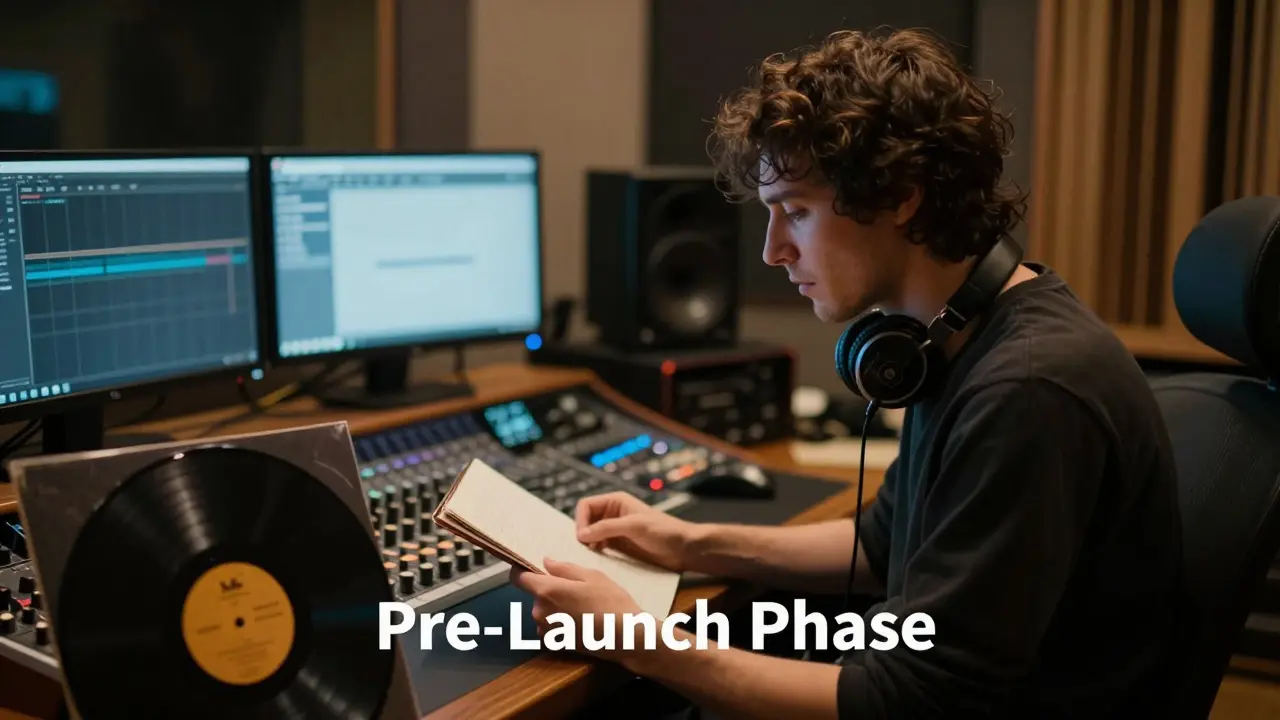
Pre-Launch Phase: Days 1-7 (Setting the Stage)
Your first week is about establishing the narrative. Don’t just say "new music coming." Tell a story. What inspired the track? What’s the vibe? Use behind-the-scenes content to humanize the process. Fans connect with people, not just audio files.
- Day 1: Post a cryptic teaser. A 5-second clip of the chorus, a blurred image of studio gear, or a text overlay saying "Something big is coming." Keep it mysterious.
- Day 3: Share a short video of you in the studio. Talk about the struggle or joy of creating this specific song. Authenticity beats polish here.
- Day 5: Reveal the title and cover art. Ask followers to guess the theme or share their first thought. Engagement matters more than likes right now.
- Day 7: Announce the release date. Pin this post. Include a link to pre-save the track on Spotify and Apple Music. Explain why pre-saving helps (it ensures the song lands in their library instantly on drop day).
During this phase, focus heavily on Instagram Stories and TikTok. These formats allow for quick, low-effort updates that keep you top-of-mind without requiring high-production value. Use trending audio snippets from your own unreleased track if possible-it’s free advertising.
Engagement Phase: Days 8-14 (Building Community)
Now that the basics are set, shift gears to interaction. This is where you turn passive viewers into active participants. The goal is to make fans feel like they’re part of the journey, not just consumers of the final product.
- Polls and Questions: Use Instagram Stories to ask fans which lyric resonates most with them. Or ask them to vote on the color scheme for upcoming merchandise.
- Duet/Stitch Challenges: If you have a catchy hook, encourage fans to duet it with their own interpretation. Offer a small prize or feature the best ones on your main feed.
- Collaborations: Tag friends, producers, or other artists involved in the project. Cross-promotion expands your reach to their audiences. Even a simple shoutout can bring in hundreds of new eyes.
- Live Q&A: Host a 15-minute live session answering questions about the songwriting process. Live videos often get higher priority in feeds because they require real-time attention.
Keep an eye on your comments section. Reply to every single comment during these two weeks. It takes time, but it builds loyalty. Fans who feel heard are more likely to share your music with friends.
Conversion Phase: Days 15-21 (Driving Pre-Saves)
This is the critical window. You’ve built interest; now you need to convert it into data points. Pre-saves tell streaming platforms that there’s demand for your track before it even goes public. This data influences playlist placement and algorithmic recommendations.
Create urgency without being pushy. Use phrases like "Join the waitlist" instead of "Buy now." Highlight the benefits: instant access, exclusive bonus content, or entry into a giveaway.
| Platform | Best Content Type | Key Action |
|---|---|---|
| TikTok | Short-form video (15-30s) with trending sound | Link in bio + "Pre-save in bio" text overlay |
| Carousel post with lyrics + cover art | Link sticker in Stories + pinned comment with link | |
| Twitter/X | Thread explaining the song's meaning | Direct link to pre-save page in first tweet |
| Email Newsletter | Personal note from artist | Exclusive pre-save link with early access code |
Email remains the highest-converting channel. Even if your list is small, send a personal email explaining why this song matters to you. Include a direct link. For social media, ensure your profile bio always contains the pre-save link during this entire period. Change your profile picture to include the release date as a visual reminder.
Launch Week: Days 22-30 (Maximizing Impact)
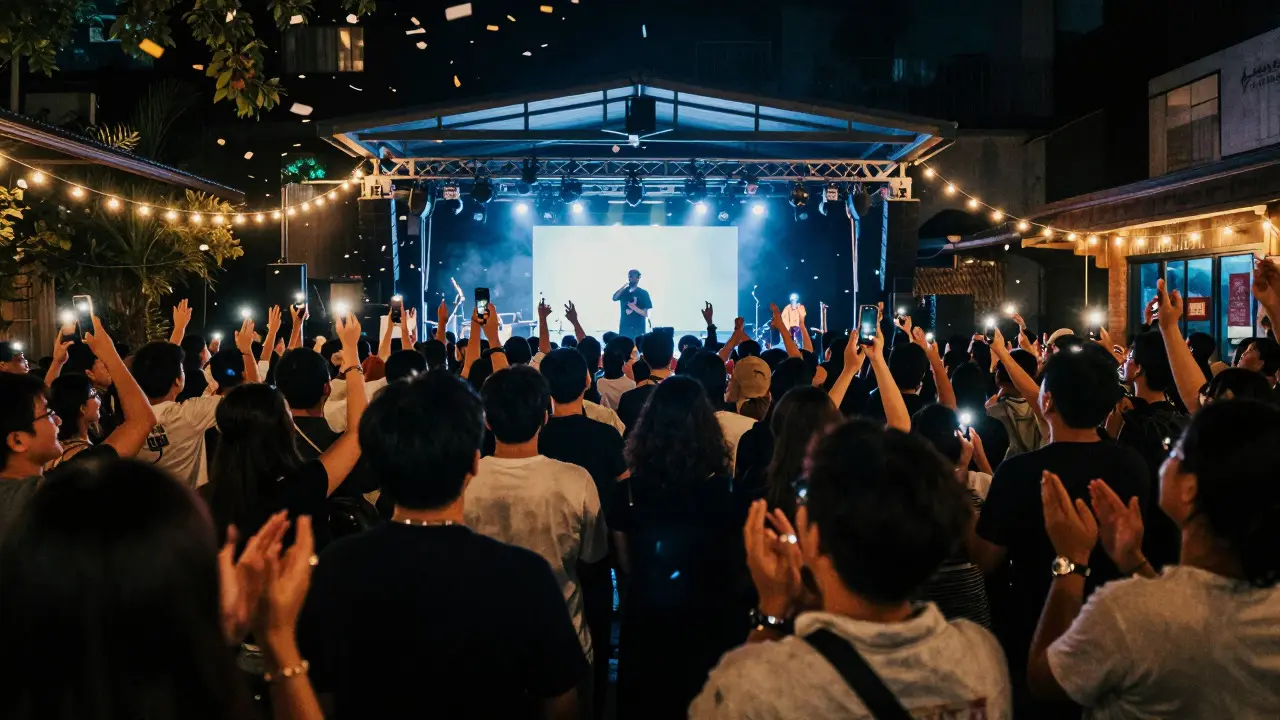
The final stretch is about momentum. On release day (let's assume Day 30 for this example), your goal is to maximize streams in the first 24 hours. Streaming services often look at initial velocity to determine long-term promotion.
- Release Day Morning: Post the full video or audio snippet. Thank your fans. Remind them to stream it immediately.
- Midday: Share user-generated content. Repost stories, tweets, or TikToks from fans who posted about the release. This creates social proof.
- Evening: Go live again. Listen to the song with your audience in real-time. React to comments. Make it an event, not just a notification.
For the days following the release, pivot to review and reflection. Share what went well. Post a "thank you" graphic. Start teasing the next project to keep the cycle going. Never let the silence stretch too long after a major release.
Measuring Success: Metrics That Matter
Don't just look at follower count. That number doesn't tell you if your campaign worked. Focus on these key performance indicators (KPIs):
- Pre-Save Conversion Rate: How many people clicked the link vs. how many completed the pre-save? Aim for at least 10-15% conversion from engaged followers.
- Save Rate: After release, how many saves does the track get per 1,000 streams? A high save rate indicates strong listener intent.
- Share Count: Shares are the strongest signal of virality. If fans are sending the song to friends, you've succeeded.
- Engagement Rate: Likes, comments, and shares divided by total impressions. A healthy rate for musicians is typically between 2-5%.
Use tools like Spotify for Artists or Apple Music for Artists to track these numbers daily. Adjust your strategy in real-time. If one platform isn't performing, double down on the one that is.
Common Mistakes to Avoid
Even with a solid plan, pitfalls can derail your campaign. Here are the most common ones:
- Inconsistent Posting: Skipping days kills momentum. Batch-create content in advance so you never fall behind.
- Ignoring DMs: Fans who message you expect a reply. Slow responses can hurt brand perception.
- Over-Promoting: Bombarding followers with the same message daily leads to fatigue. Mix in non-promotional content.
- Neglecting Email: Social media is rented land. Your email list is owned. Always drive traffic back to your newsletter.
Remember, consistency beats perfection. A good post shared regularly will outperform a perfect post shared once. Keep the energy up, stay authentic, and let the music do the heavy lifting.
Frequently Asked Questions
How many posts should I make per day during a music release campaign?
Aim for 1-2 feed posts per day and 3-5 Stories. Quality matters more than quantity, but consistency is key. On launch day, you can increase frequency to capture peak activity.
Is paid advertising necessary for a successful music release?
Not necessarily. Organic reach can be highly effective if your content is engaging. However, a small budget ($50-$100) for boosting your best-performing organic post can amplify results significantly, especially for targeting similar fans.
What is the best time to post music content on social media?
Generally, weekdays between 9 AM and 1 PM local time perform well. However, check your analytics to see when your specific audience is most active. Launch day posts should go out early morning to catch the day's start.
Should I announce the release date exactly 30 days in advance?
Yes, 30 days is the standard sweet spot. It gives enough time for playlist pitching (which requires 2-4 weeks notice) and allows fans to mark their calendars. Less than 21 days risks missing playlist opportunities.
How do I handle negative comments during the campaign?
Stay calm and professional. Respond briefly and positively, or ignore if it's purely trolling. Negative feedback often attracts more attention than positive, so don't give it too much weight. Focus on engaging with supportive fans.