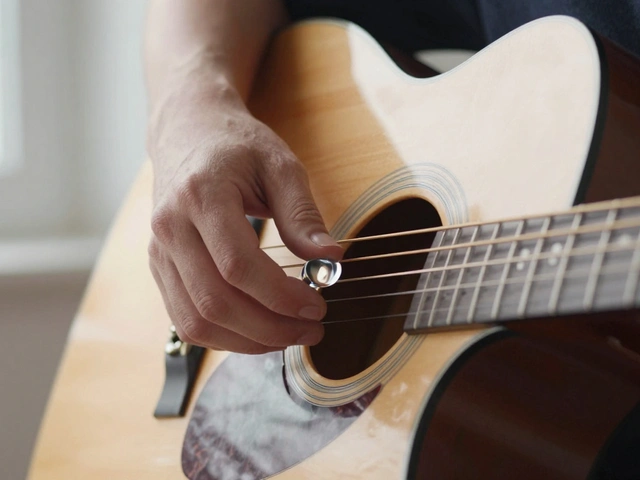
Ever wondered why some recordings feel like you're sitting in the room with the band, while others sound polished to a mirror shine? It’s rarely about the microphone price tag. It’s about the decision made before the red light goes on: acoustic or electric? When we look at Robert Hill, a producer known for his nuanced approach to hybrid recording workflows, we see a masterclass in choosing the right tool for the emotional job.
Hill doesn’t just pick instruments; he picks textures. His career spans decades of shifting technology, yet his core philosophy remains startlingly simple: serve the song. But what does that actually look like in practice? How does a seasoned engineer decide when to plug in and when to leave it unplugged? Let’s break down the specific criteria Hill uses to navigate the messy, beautiful divide between acoustic warmth and electric punch.
The Psychology of Timbre
Before touching a fader, Hill starts with psychology. Acoustic instruments carry air. They have transient spikes-the initial hit of a snare, the pluck of a string-that decay naturally. Electric instruments, by contrast, are often sustained and compressed by their very nature (think of a tube amp pushing air). If your song needs urgency and raw human error, go acoustic. If it needs presence and weight, go electric.
Hill often asks artists one question: "Do you want the listener to hear the room, or do you want them to hear the performance?" Acoustic recording captures the room. The bleed from the drums into the vocal mic isn't a mistake; it's glue. Electric recording isolates the signal. You can process it, distort it, and place it anywhere in the stereo field without worrying about phase issues from distant microphones.
When to Choose Acoustic Tracking
For singer-songwriters and folk projects, Hill leans heavily into acoustic guitar and piano tracks. Why? Because the dynamic range is part of the emotion. A whispered verse followed by a strummed chorus hits harder when the dynamics are preserved. Digital compression can flatten this if applied too early.
- Intimacy: Close-miking an acoustic guitar captures finger noise and breath. This creates a sense of proximity that feels personal.
- Natural Decay: Piano strings ring out. Capturing that tail requires high-quality preamps and quiet rooms. Hill prefers ribbon microphones here for their smooth high-end response.
- Band Cohesion: When recording a full band live off the floor, acoustic instruments help define the spatial image. The drummer hears the bassist through the kit; the guitarist hears the vocalist. That visual and auditory feedback loop improves timing and feel.
However, acoustic tracking is unforgiving. A squeaky chair or a HVAC hum becomes part of the record forever. Hill mitigates this by treating the room first. He’ll move carpets, hang blankets, and check for standing waves before ever hitting record.
The Case for Electric Precision
Switch gears to rock, pop, or electronic genres. Here, electric guitar tracking dominates. Hill argues that electric instruments offer control. You can re-amp later. You can change the cabinet simulation after the take. With an acoustic track, what you hear is what you get-mostly.
| Feature | Acoustic Recording | Electric Recording |
|---|---|---|
| Control Over Tone | Low (determined by instrument/room) | High (pedals, amps, plugins) |
| Bleed Management | Critical (phase issues common) | Minimal (isolated signals) |
| Editability | Difficult (transients are complex) | Easier (consistent waveforms) |
| Emotional Impact | Raw, organic, vulnerable | Polished, aggressive, present |
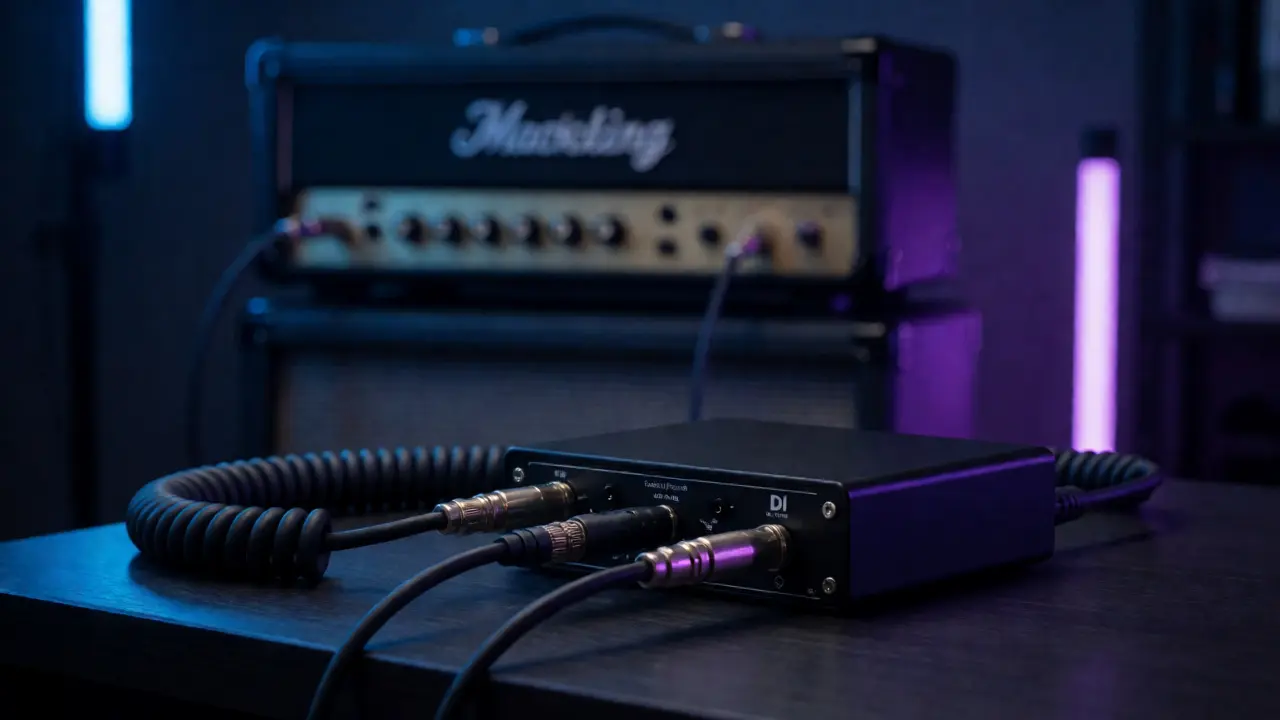
Hill loves DI (Direct Injection) boxes for bass and rhythm guitars. This allows him to layer clean tones with distorted ones later. It’s a safety net. If the amp tone sounds thin on small speakers during playback, he can swap the cab impulse response without recalling the musician. That flexibility saves hours-and sometimes friendships.
The Hybrid Approach: Where Magic Happens
Here’s the secret most beginners miss: it’s not either/or. It’s both. Hill’s signature sound often comes from blending the two. Imagine a ballad where the main vocal is dry and intimate (acoustic vibe), but supported by a washed-out electric guitar pad (electric texture). Or a rock track where the lead guitar is heavy and distorted, but the rhythm section is driven by a tight, dry acoustic drum kit sampled alongside real drums.
He calls this "textural layering." By mixing the transient attack of acoustic instruments with the sustain of electric ones, you create a sonic landscape that feels alive but controlled. For example, he might double-track an acoustic guitar with a clean electric guitar playing the same part. The acoustic provides the body; the electric provides the clarity. Together, they cut through a dense mix better than either alone.
Practical Tips from Hill’s Workflow
If you’re trying to emulate Hill’s decisions in your own home studio, start with these rules of thumb:
- Audition Before Committing: Record a short phrase acoustically. Then record it electrically. Listen back on headphones and phone speakers. Which one makes you nod your head? That’s your answer.
- Check Phase Immediately: If using multiple mics on an acoustic source, zoom in on the waveform. Misaligned transients cause comb filtering-a hollow, weak sound. Flip polarity if needed.
- Use Electric for Safety: If the performance is technically difficult, track electric first. It’s easier to fix pitch or timing errors in a consistent electric signal than in a wild acoustic waveform.
- Respect the Room: Acoustic recording fails in bad rooms. If your space sounds boxy, use more close-mic techniques or consider re-amping electric sources instead.
Hill also emphasizes monitoring levels. Acoustic instruments sound quieter in the room but peak higher in the digital domain due to transients. Watch those meters. Clipping a delicate acoustic guitar take ruins the nuance instantly. Electric signals, being more compressed, give you more headroom wiggle room.

Common Pitfalls to Avoid
Don’t fall into the trap of thinking "acoustic = authentic" and "electric = fake." Both are constructed realities. An acoustic guitar recorded with a condenser mic sounds nothing like how you hear it in your living room. An electric guitar through a plugin sounds nothing like a stack at a concert. Authenticity comes from intent, not methodology.
Another mistake is over-processing acoustic tracks. Adding heavy reverb to a close-miked acoustic guitar often pushes it further away, defeating the purpose of intimacy. Keep effects minimal. Let the natural decay do the work. Conversely, under-processing electric tracks can make them sit poorly in a modern mix. Use EQ to carve out space for vocals and other elements.
Finally, don’t ignore the player. Some musicians play better with the tactile feedback of an acoustic instrument. Others thrive on the responsiveness of an electric setup. Ask them. Their comfort translates directly to the performance quality.
Frequently Asked Questions
Why does my acoustic guitar sound muddy?
Muddiness usually stems from low-frequency buildup around 200-400Hz. Try moving the microphone closer to the 12th fret rather than the soundhole. Also, ensure your room treatment addresses bass frequencies, as untreated rooms amplify boominess.
Can I replace an acoustic track with an electric one?
Yes, especially in pop or rock contexts. Using a clean electric guitar with a subtle chorus effect can mimic the shimmer of an acoustic while offering more control over the tone. Just be mindful of the lack of natural percussive attack.
What microphone type does Robert Hill prefer for acoustic instruments?
Hill frequently uses large-diaphragm condensers for general acoustic capture due to their detail retrieval. However, he switches to ribbon microphones when he wants a smoother, less brittle high-end response, particularly on bright-sounding instruments like mandolins or banjos.
Is direct injection (DI) good for acoustic guitars?
It depends on the pickup system. Piezo pickups often sound quacky and thin. Magnetic pickups sound warmer. Hill recommends blending a DI signal with a microphone signal to combine the consistency of the DI with the air and depth of the mic.
How does room size affect acoustic recording?
Larger rooms provide longer reverb tails and a more spacious image, ideal for orchestral or ambient styles. Smaller rooms offer tighter, drier sounds, perfect for intimate singer-songwriter tracks. Control the distance between the source and the walls to manage reflections.