Most independent artists hit a wall when they realize that releasing music is the easy part. The hard part is building a sustainable life around it. Robert Hill is a veteran artist and mentor who has navigated the shift from traditional label deals to full independence. His approach isn't about chasing viral hits; it's about building a durable foundation that allows you to keep making art without burning out or going broke. If you are struggling with how to monetize your sound or manage the business side of your creative life, Hill’s perspective offers a grounded reality check. He emphasizes that success in the modern landscape requires treating your music career like a small business, not just a hobby.
The Mindset Shift: From Artist to Entrepreneur
Hill argues that the biggest mistake new independent musicians make is separating their artistic identity from their business operations. In the past, labels handled the logistics, marketing, and distribution. Today, those roles fall squarely on your shoulders. This doesn't mean you have to become a corporate executive, but you do need to understand the basic mechanics of how revenue flows in the music ecosystem.
You need to view your catalog as an asset, not just a collection of songs. Each release is a product that needs packaging, promotion, and maintenance. Hill suggests starting with a simple spreadsheet that tracks every income stream. Whether it's streaming royalties, sync licensing fees, or ticket sales, having visibility into where your money comes from helps you identify what actually works. Without this data, you're guessing. With it, you can double down on what generates consistent returns rather than spreading yourself too thin across every platform available.
Building a Direct Relationship with Your Audience
Streaming platforms are great for discovery, but they offer very little direct connection between you and the listener. Email Marketing is the most reliable tool for independent artists to maintain ownership of their audience data. Social media algorithms change constantly, which means your reach can fluctuate wildly from day to day. An email list, however, remains yours. When you launch a new single, you don't hope an algorithm picks it up; you send a message directly to people who have already chosen to hear from you.
Hill recommends offering something of value in exchange for contact information. It could be early access to tickets, a free demo track, or exclusive behind-the-scenes content. The key is consistency. You don't need to spam your inbox weekly, but regular communication keeps you top-of-mind. This direct line also helps when you want to sell physical merchandise or invite fans to intimate live shows. It turns passive listeners into active supporters who feel personally connected to your journey.
Strategic Release Planning
Dropping albums back-to-back without a clear strategy often leads to diminishing returns. Listeners get overwhelmed, and the novelty wears off quickly. Hill advocates for a measured release schedule that gives each project time to breathe. Instead of releasing five singles in a month, consider spacing them out over several months. This allows you to build anticipation, create targeted marketing campaigns, and engage deeply with the community around each specific piece of work.
Each release should have a distinct narrative. Why does this song exist? What story does it tell? Having a clear angle makes it easier for journalists, playlist curators, and fans to understand and share your work. You aren't just posting audio files; you are presenting a concept. This strategic pacing also helps with budget management. Rather than draining your savings on one massive campaign, you spread costs over time, allowing you to reinvest earnings from earlier releases into later ones.

Leveraging Data Without Losing Creativity
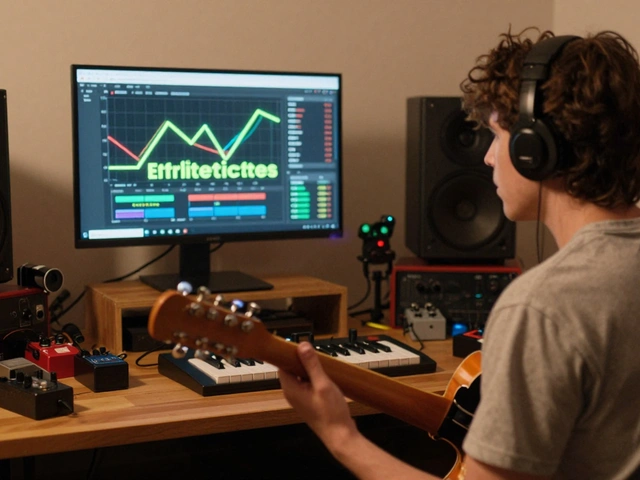
Data analysis can feel cold and impersonal, especially for creative types. However, ignoring it entirely is a risk. Streaming analytics provide insights into where your fans are located, what times they listen, and which songs drive the most engagement. Use this information to inform your touring routes and local marketing efforts. If you see a high concentration of listeners in a specific city, it might be worth organizing a show there, even if it's outside your usual region.
But don't let the numbers dictate your artistic direction. Just because one genre trended last year doesn't mean you should pivot your entire sound. Use data to optimize delivery, not creation. For example, if data shows that your audience engages more with lyric videos than static artwork, invest in video production. If it shows that shorter tracks get more completed listens, consider editing your arrangements. The goal is to remove friction between your art and your audience, not to compromise the art itself.
Collaboration and Community Building
Working in isolation is common among musicians, but it can lead to stagnation. Hill emphasizes the power of collaboration, both within the music industry and beyond. Partnering with other artists exposes you to new audiences and creates shared resources. Co-writing sessions, joint tours, or collaborative EPs can expand your reach significantly. Look for artists whose fan base complements yours rather than competes with it.
Beyond musicians, build relationships with photographers, videographers, graphic designers, and venue owners. These professionals often know each other and can refer work. Being reliable and professional in these interactions builds a network that supports your career long-term. When you need a quick video edit or a press kit update, having trusted contacts saves time and money. This community aspect also provides emotional support, which is crucial during the inevitable ups and downs of an independent career.

Managing Finances and Contracts
Money talks, but many musicians avoid talking about it until things go wrong. Understanding basic contract terms is essential before signing anything. Whether it's a sync deal, a publishing agreement, or a distribution partnership, read the fine print. Know exactly what rights you are granting and for how long. Retaining ownership of your master recordings is ideal, but sometimes a short-term license deal is acceptable if the payout is significant.
Keep your personal and business finances separate. Open a dedicated bank account for all music-related income and expenses. This simplifies tax season and gives you a clearer picture of your profitability. Set aside a percentage of every payment for taxes immediately. Don't wait until the end of the year to scramble for funds. Consistent financial hygiene reduces stress and allows you to focus on creating rather than worrying about bills.
Sustaining Long-Term Growth
Career longevity in music depends on adaptability. Platforms rise and fall, trends shift, and audience preferences evolve. Hill advises staying curious and willing to learn new tools. Whether it's mastering a new social platform, understanding AI-assisted production techniques, or exploring emerging distribution channels, keeping your skill set current ensures you remain competitive. But remember, the core value you offer is your unique voice. Technology changes, but authenticity remains constant.
Take breaks when needed. Burnout is the enemy of creativity. Schedule downtime into your calendar just like you would schedule studio time. Rest allows you to return to your work with fresh eyes and renewed energy. By balancing business discipline with creative freedom, you build a career that lasts decades, not just a few years. The path is demanding, but it offers a level of autonomy and fulfillment that few other careers can match.
Do I need a record label to succeed today?
No, you do not. Distribution services like DistroKid or TuneCore allow you to upload music to all major streaming platforms directly. While labels provide resources, they also take significant equity. Many successful artists operate fully independently, retaining higher profit margins and creative control.
How much should I spend on marketing my first album?
There is no fixed amount, but a general rule is to allocate 10-20% of your projected revenue or production budget toward marketing. Start small with organic social media and email outreach. Increase paid advertising only after you have identified which channels drive the most engagement for your specific audience.
Is it better to release singles or albums?
Singles are generally better for building momentum and testing audience response. They require less upfront investment and allow for quicker feedback loops. Albums work well once you have a solid fan base and a cohesive body of work. A mix of both strategies, spaced appropriately, is often the most effective approach.
How do I handle copyright and licensing?
Register your compositions with a Performing Rights Organization (PRO) like ASCAP or BMI to collect performance royalties. Keep detailed records of all collaborators and splits. For sync licensing, ensure contracts specify the duration and scope of usage. Consulting with a music attorney for major deals is highly recommended to protect your interests.
What is the best way to find sync opportunities?
Create a professional press kit that includes high-quality audio, bio, and contact info. Reach out to music supervisors directly via email. There are also online platforms that connect artists with sync agents. Be persistent but respectful. Sync deals can provide significant lump-sum payments and exposure to new demographics.