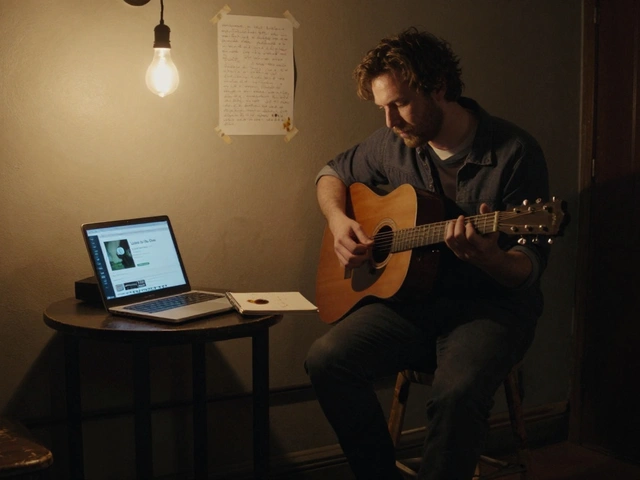
Ever stop a music video mid-playback just to wonder who actually shot that specific frame? It’s a common habit for anyone who appreciates the craft behind the lens. While the artist commands the stage, the visual narrative is built by a team of specialists working in shadows. For fans of the band or artist known as Robert Hill, identifying these key players is often more difficult than it should be. This guide breaks down the typical hierarchy of filmmaking roles and shows you exactly where to look to find the names responsible for the imagery you see.
Understanding who holds which title helps demystify the production process. It transforms a passive viewing experience into an active appreciation of technical skill. You will learn how to distinguish between a Director of Photography and a Cinematographer, two terms often used interchangeably but with distinct professional implications. We will also explore the digital footprints left in metadata and credit rolls that reveal the true architects of a visual style.
The Core Hierarchy: Who Actually Shoots the Film?
In modern film production, the term "cinematographer" is frequently used colloquially, but the industry standard title is often Director of Photography (DP) is the senior camera and lighting technician responsible for the overall visual aesthetic of the film. The DP works closely with the director to translate the script’s mood into light, shadow, and movement. They do not necessarily hold the camera themselves; instead, they oversee the entire image-making process. This includes selecting lenses, managing color palettes, and directing the crew on set.
Below the DP sits the Camera Operator, the individual physically holding and moving the camera during takes. In high-budget productions, this person might be a specialized Steadicam operator or a dolly grip. However, in many independent music videos, the DP might operate the camera directly if the budget does not allow for a separate hire. This distinction matters because a stunning visual effect might be the result of a brilliant lens choice by the DP, executed perfectly by a skilled operator. When looking at credits, always check both lines. If only one name appears under "Cinematography," that person likely handled both the creative design and the physical operation.
Decoding the Credit Roll: Where to Find the Names
Finding the right name requires knowing where to look. Most streaming platforms display full credits after the main content ends, but these lists can be dense and confusing. Here is a systematic approach to extracting the relevant data:
- Check the Official Streaming Page: Platforms like YouTube, Vimeo, or Spotify often list key personnel in the description box or the "About" section. Look for tags like "Dir. by" or "Shot by."
- Examine the End Credits: Watch the final thirty seconds of the video. The order usually follows: Director, Producer, then Cinematography/DP. Note that some artists prefer to credit the "Visuals By" rather than using traditional film titles.
- Use Metadata Tools: If the credit roll is unclear, download the video file and use media information software. Sometimes, embedded metadata from the production company lists the principal operators.
- Search Social Media Tags: Filmmakers often tag each other on Instagram or LinkedIn when a project is released. Searching the video title plus "DP" or "Cinematography" can yield direct posts from the individuals involved.
A common pitfall is assuming the Director is the Cinematographer. While many directors shoot their own work, especially in early careers, professional collaborations usually separate these roles. If the Director is a well-known figure, there is a higher probability that a hired DP was brought in to elevate the visual quality. Always verify by cross-referencing the Director’s portfolio; if their other projects have different visual styles, a separate DP is likely involved.

Key Roles Beyond the Camera: The Visual Team
Cinematography is not a solo act. Several other roles contribute significantly to the final image, and their names are essential for a complete understanding of the production. Ignoring them gives an incomplete picture of the creative effort.
- Gaffer (Chief Lighting Technician): Works under the DP to execute the lighting plan. Their name often appears as "Gaffer" or "Best Boy Electric."
- Director of Color Grading: Responsible for post-production color correction. This role shapes the final mood and tone. Their name may appear as "Colorist" or "Graded by."
- VFX Supervisor: Handles any digital enhancements, compositing, or special effects. If the video features impossible physics or digital extensions, this person is crucial.
- Script Supervisor: Ensures continuity across takes. While less visible in the final product, their notes ensure the visual story flows logically.
For Robert Hill’s specific body of work, paying attention to the Colorist is particularly important. Many music videos rely heavily on post-production grading to achieve a specific atmospheric feel. A consistent color palette across multiple videos might indicate a long-term collaboration between the DP and a specific colorist. Identifying this duo can help you predict the visual style of upcoming releases.
Comparing Industry Standards: Title vs. Role
Confusion often arises because titles vary by region and production scale. To clarify, here is a comparison of how these roles are typically credited versus what they actually do on set.
Note that in low-budget productions, one person might hold three of these titles simultaneously. For example, a filmmaker might be credited as "Director/Cinematographer/VFX." This is common in indie music videos where resources are limited. Recognizing this multi-role scenario prevents you from overlooking the fact that the same person handled the lighting, shooting, and digital editing.

How to Verify Credits Using Public Records
If the on-screen credits are missing or ambiguous, public databases can fill the gaps. Sites like IMDb, Letterboxd, and even professional union directories often list crew members for registered productions. When searching for Robert Hill’s videos, try searching for the song title rather than the artist name alone. Song titles are unique identifiers that reduce noise in search results.
Additionally, reaching out to the production company listed in the credits is a viable option. Production companies maintain archives of their past projects and can confirm who held which position. This is particularly useful if you are trying to hire a similar team for your own project. Knowing the exact DP and Gaffer combination allows you to replicate a specific look with confidence.
Frequently Asked Questions
What is the difference between a Cinematographer and a Director of Photography?
In most professional contexts, they are the same role. "Cinematographer" is the traditional term, while "Director of Photography" is the modern industry standard. Both refer to the head of the camera and lighting departments. The distinction is largely stylistic or regional, with no functional difference in responsibilities.
Who usually shoots music videos for established artists?
Established artists often hire specialized music video directors who bring their own DPs. These DPs are chosen for their ability to capture fast-paced performance shots and stylized visuals. In contrast, newer artists might have the director double as the DP to save costs.
Where can I find the name of the colorist for a specific video?
The colorist is usually credited near the end of the roll, often under "Post-Production" or "Color Grading." If not listed on screen, checking the production company’s website or social media announcements for the release date often reveals the full post-production team.
Does the artist choose the cinematographer?
Usually, the Director chooses the DP based on the creative vision. However, if the artist has a strong visual preference or a favorite collaborator, they may request a specific DP. This dynamic varies depending on the level of control the artist has over the production budget and creative direction.
Why are some credits missing from streaming platforms?
Streaming platforms sometimes truncate credit lists to save space or due to database errors. Additionally, smaller productions might not register their full crew with the platform’s metadata system. Cross-referencing with official press releases or the production house’s archive is the most reliable way to recover missing names.