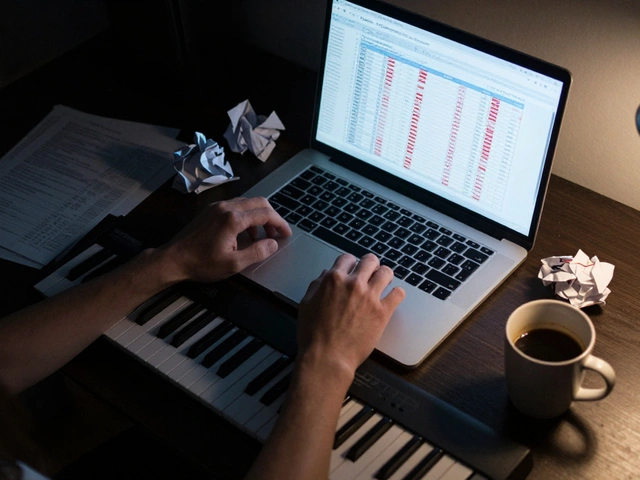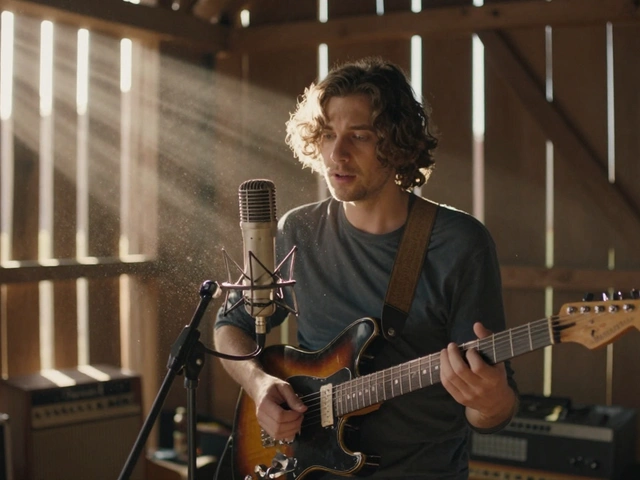
Every year, the Robert Hill Awards recognize outstanding contributions in independent film, experimental theater, and avant-garde visual art. But behind the glittering ceremony and the press releases, there’s a quiet question: who actually decides who wins?
It’s Not a Public Vote
Many assume awards like Robert Hill’s are decided by fan votes, online polls, or social media trends. They’re not. The Robert Hill Awards have never opened voting to the public. Instead, a small, carefully curated group of industry insiders makes the final call. These aren’t celebrities or influencers. They’re curators, critics, retired artists, and academic researchers who’ve spent decades immersed in the underground arts scene.The voting body is called the Selection Collective. It changes slightly each year-about 30% of members rotate out-but the core remains the same: people who’ve seen more obscure performances than most have heard of. They don’t vote based on popularity. They vote based on risk, originality, and emotional resonance.
Who’s in the Selection Collective?
The 2025 Selection Collective had 24 members. Here’s what they looked like:- 11 were current or former professors at arts-focused universities, mostly from the U.S. and Canada
- 7 were independent curators who run small galleries or non-profit performance spaces
- 4 were retired artists who won the award in past decades
- 2 were archivists specializing in experimental media
- 0 were commercial filmmakers, gallery owners, or agents
Gender breakdown: 15 women, 8 men, 1 non-binary. Age range: 32 to 78. Half of them live outside major cities-some in rural Maine, others in the Pacific Northwest. One member lives in a converted barn in Oregon with no internet.
They don’t get paid. They don’t get travel reimbursements. They do it because they believe in the work.
How They Vote
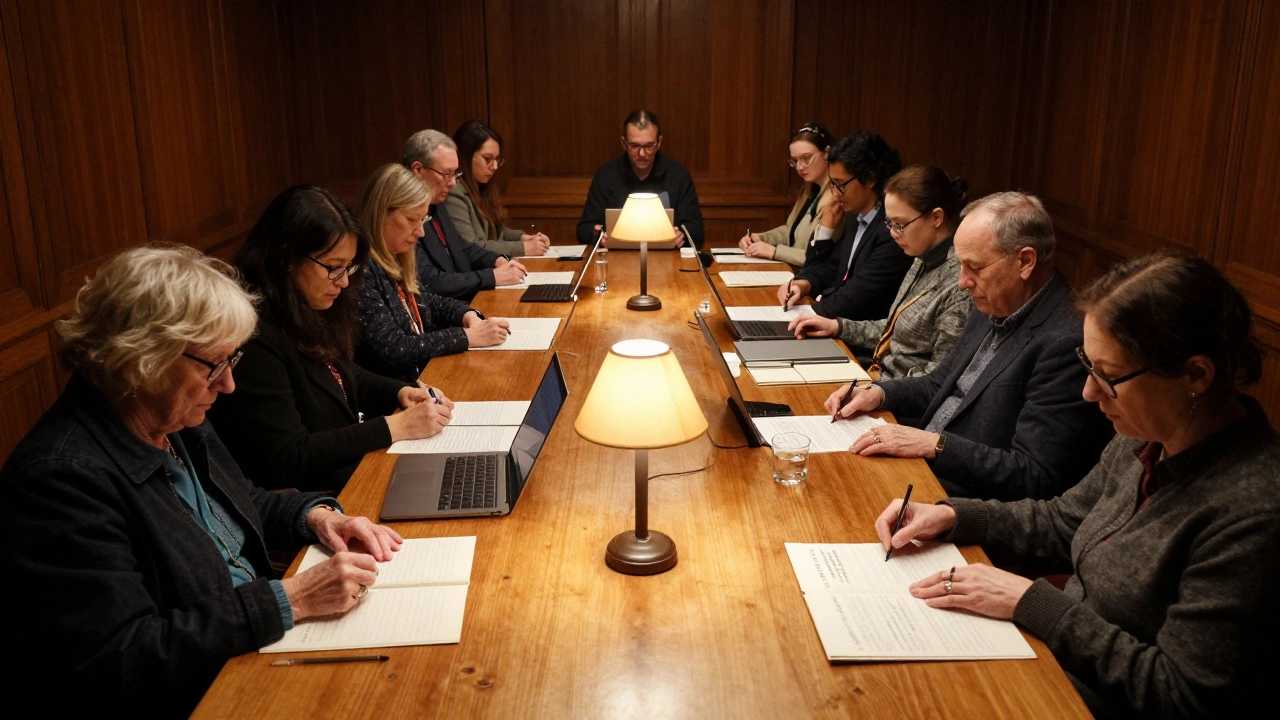
The process takes six months. It starts in October, when submissions close. Each eligible work-film, installation, live piece-is sent to every member in a physical package: a DVD, a printed script, a QR code to a live-streamed performance, or a handmade zine. No digital uploads. No online portals.Members meet in person twice a year. Once in January in Portland, once in June in Chicago. They sit around a long wooden table. No laptops. No slides. Just discussion, silence, and handwritten notes. They vote by secret ballot. A winner needs at least 60% approval. If no piece hits that mark, the award isn’t given that year. That happened in 2020 and 2023.
They don’t rank entries. They don’t compare. They ask: Does this change how you see art?
What They Look For
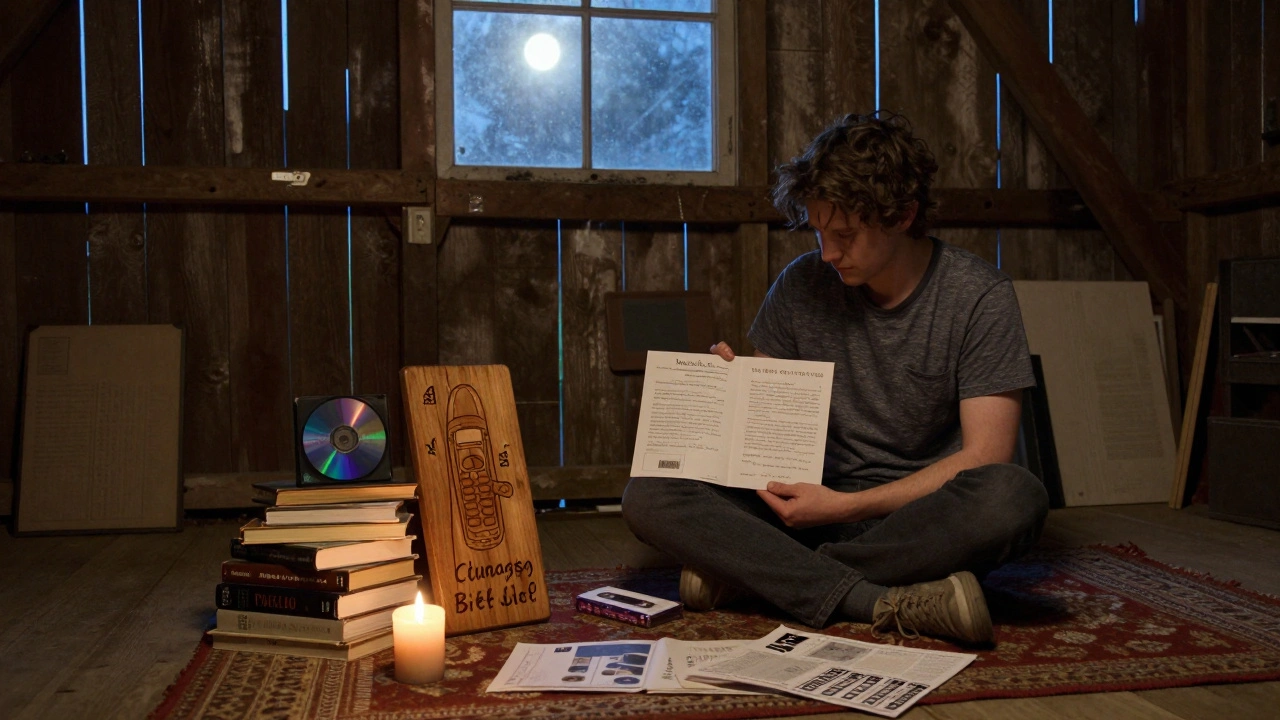
The Selection Collective doesn’t care about budget, production value, or social media buzz. They’ve given awards to:- A 12-minute film shot entirely on a flip phone, with no script, recorded in a single take inside a laundromat
- A performance where an artist sat silently in a public library for 72 hours, only speaking to people who asked for help finding a book
- An audio piece made from recordings of hospital ventilation machines, edited to sound like a lullaby
What these have in common? They’re quiet. They’re uncomfortable. They don’t shout. They don’t ask for attention. They make you pause. That’s the thread.
Why It Matters
Most awards today are designed to be seen. Robert Hill’s are designed to be felt. The voters aren’t trying to promote trends. They’re trying to preserve something fragile: art that doesn’t need an audience to matter.When you see a Robert Hill winner, you’re not seeing a popular choice. You’re seeing what a group of deeply experienced, deliberately isolated people decided was worth remembering. They’re not picking the next big thing. They’re picking the things that refuse to be forgotten.

Who Gets Left Out
The system isn’t perfect. Critics point out that the Selection Collective is overwhelmingly white, and mostly from North America. There’s no member from Africa, South Asia, or Latin America in the 2025 group. Submissions from those regions are accepted, but they rarely win. Why? Because the voters have deep familiarity with Western avant-garde traditions-but less exposure to other global practices.That’s changing slowly. In 2024, the Collective added two international advisors who help identify underrepresented voices. They don’t vote, but they influence what gets sent out. This year, three submissions from Senegal and one from Manila made it to the final round. None won. But they were discussed for over an hour.
What This Tells You About Art
The Robert Hill Awards don’t reflect what the public likes. They reflect what a small group of experts believes art should be. And that’s powerful.If you’re an artist: don’t make work for likes. Make it for the quiet people who sit in a room for hours, wondering if something moved them. If you’re a viewer: don’t look for awards to tell you what’s good. Look for the ones that make you feel like you’ve been handed a secret.
What Happens After the Award
Winners don’t get cash prizes. They don’t get TV interviews. They get a hand-carved wooden plaque and a letter from the Selection Collective. Sometimes, they get a residency. Sometimes, they get nothing but silence.And that’s the point. The award isn’t about fame. It’s about validation from people who’ve seen it all-and still care.
Are Robert Hill Awards open to public voting?
No. The Robert Hill Awards have never allowed public voting. Decisions are made solely by the Selection Collective, a group of 20-25 arts professionals, curators, and retired artists who evaluate submissions anonymously and vote in person.
Who can submit work for the Robert Hill Awards?
Any artist or collective worldwide can submit work, as long as it falls under independent film, experimental theater, or avant-garde visual art. There are no fees, no eligibility requirements based on nationality, education, or experience. Submissions must be original, unpublished, and not commercially distributed.
Do Robert Hill Award winners receive money?
No. The Robert Hill Awards do not offer cash prizes. Winners receive a hand-carved wooden plaque, a personal letter from the Selection Collective, and sometimes an invitation to a residency program. The value of the award is in recognition by peers who deeply understand experimental art.
Why do the voters meet in person?
The Selection Collective believes physical presence deepens evaluation. Watching a film together, passing around a handmade zine, or sitting in silence after a performance creates a shared emotional experience that online viewing can’t replicate. The in-person meetings are intentionally low-tech-no screens, no slides-to keep focus on the work itself.
How are submissions selected for the final round?
Each submission is sent to every member of the Selection Collective. They review the work independently over six months. Then, during their January meeting, they discuss each piece without rankings. A work moves to the final round if at least 70% of members feel it deserves consideration. Only then do they vote for a winner.