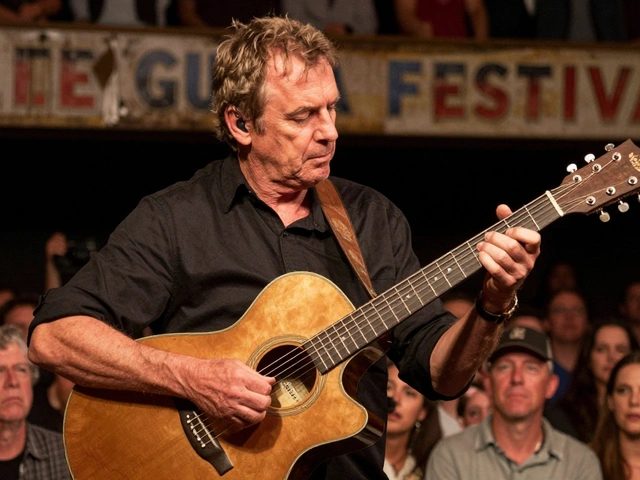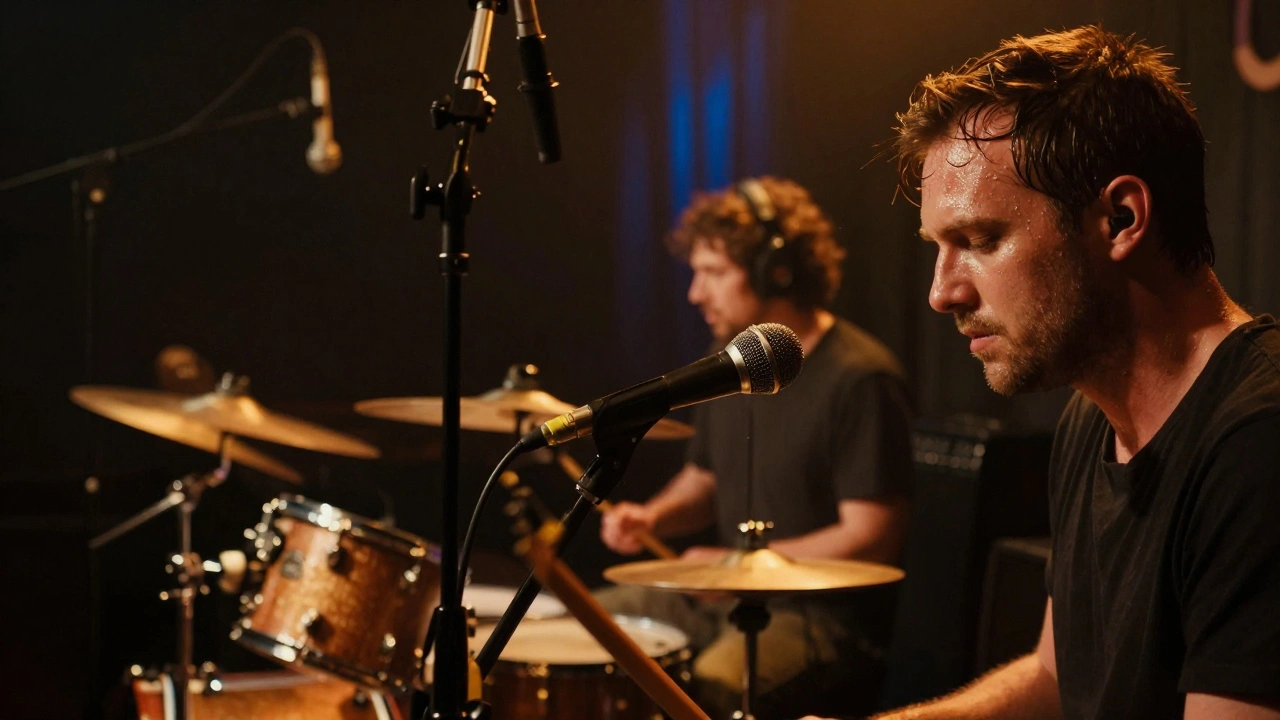
There is a distinct magic in capturing a performance exactly as it happens. You get the sweat, the slight timing shifts, and the raw energy that studio isolation often strips away. Recently, we sat down with Robert Hill, a seasoned audio engineer with decades of touring experience, to break down his approach to recording live sessions effectively. His insights challenge the notion that live work is chaotic. Instead, he views it as a structured art form that requires discipline.
When you ask Hill about his setup, he immediately steers away from gear lists. He argues that equipment is secondary to strategy. Most engineers make the mistake of throwing too many microphones at a band. Hill prefers a "less is more" philosophy, focusing on the natural blend of instruments before they ever hit the preamp.
The Core Philosophy of Capturing Live Energy
Hill emphasizes that Live Recording relies heavily on the physics of the space. Unlike a sterile studio booth, a venue has its own character. This isn't a bug; it's a feature. If you are recording a band in a small club, the room reverb tells the audience where the show took place. Stripping all of that out destroys the vibe.
- Trust the Room: Don't fight the acoustics unless they cause feedback or resonance issues.
- Capture First, Fix Later: Get the cleanest signal possible at the source rather than relying on surgical EQ in post-production.
- Performance Over Perfection: A slightly off-pitch note played with emotion is better than a perfectly quantized MIDI track.
This philosophy shifts the workflow significantly. Instead of isolating every single drum and amp during the recording phase, Hill encourages placing microphones to catch the bleed intentionally. When the snare hits, the vocalist's mic should pick up a fraction of that air movement. That bleed creates a cohesive "glue" that makes the final mix sound like musicians playing together, not stacked layers.
Mic Placement Strategies for Complex Environments
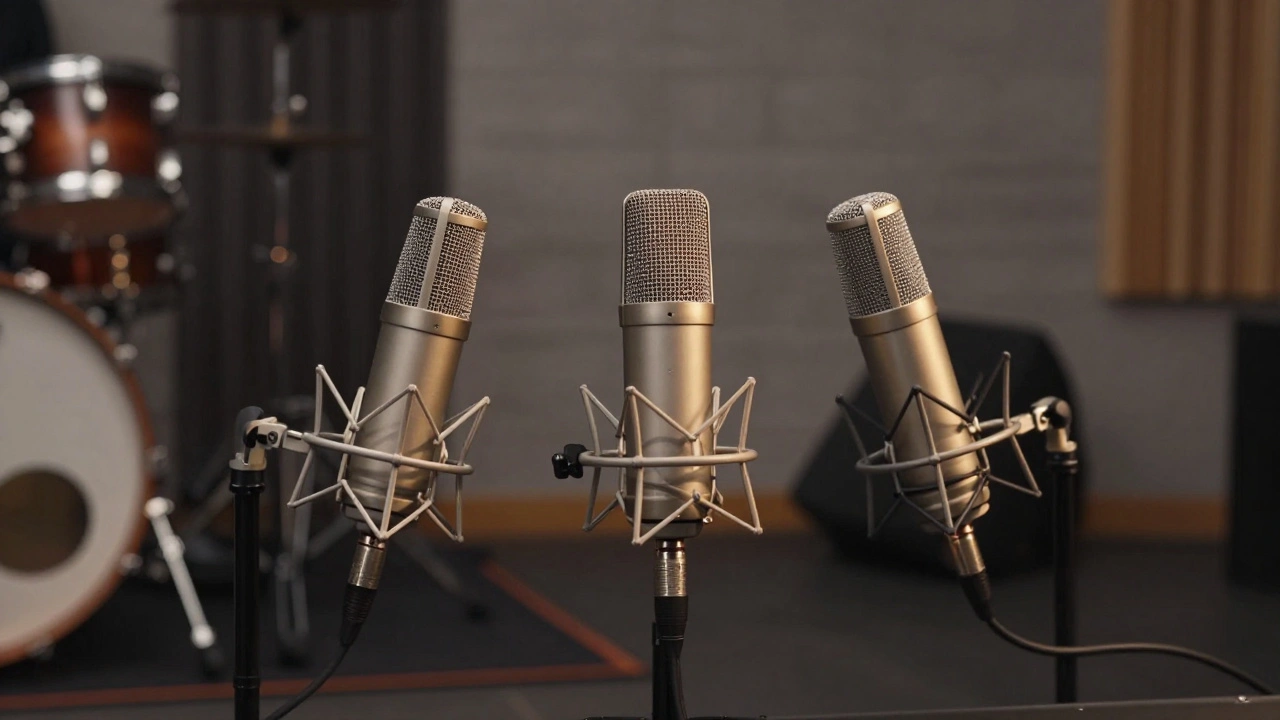
The most common question engineers ask Hill concerns microphone positioning. He advocates for the Stereo Pair method as a foundation. Using two microphones in a spaced or coincident configuration allows you to capture the full image of the kit or amplifier stack without needing close mics for every element.
| Technique | Best For | Key Benefit |
|---|---|---|
| Glyn Johns Method | Drum Kits | Wide stereo image with minimal phase issues |
| Spaced Pair | Ensembles | Natural ambience and depth |
| X/Y Configuration | Tight Spaces | Phase coherence and mono compatibility |
Hill specifically warns against the temptation to add a separate close mic to every guitar cab. He suggests starting with one good overhead and adding more only if necessary. This reduces the number of cables running across the stage, which means less potential for noise and a faster setup time.
A specific tip from Hill regarding vocalists is crucial for anyone working in loud venues. He recommends placing the main vocal mic closer than usual but applying a gentle high-pass filter. This cuts the low-end rumble from the PA system without sacrificing the body of the voice. It’s a subtle tweak that saves hours of cleaning up the vocal track later.
Navigating the Challenges of Venue Acoustics
Every venue behaves differently. Some rooms trap low frequencies, causing a muddy sound. Others are too dry and leave the recordings sounding dead. Hill's solution involves understanding the relationship between the Signal Chain and the environment.
If you are recording in a hall with long decay times (reverb that lasts too long), Hill advises moving your microphones further back. Counter-intuitively, getting closer to the source doesn't always mean getting cleaner in a reverberant room. By pulling the mics back, you allow the early reflections to settle before the direct sound dominates, creating a more balanced perspective.
Avoidable pitfalls in live settings include placing microphones near HVAC vents or electrical transformers. These sources introduce low-frequency hums that are notoriously difficult to remove without affecting the instrument tones. Before hitting record, walk the room with a meter in hand. Listen for the silence between songs. If the ambient noise floor is too high, move the position.
The Gear Chain: Analog Warmth Meets Digital Precision
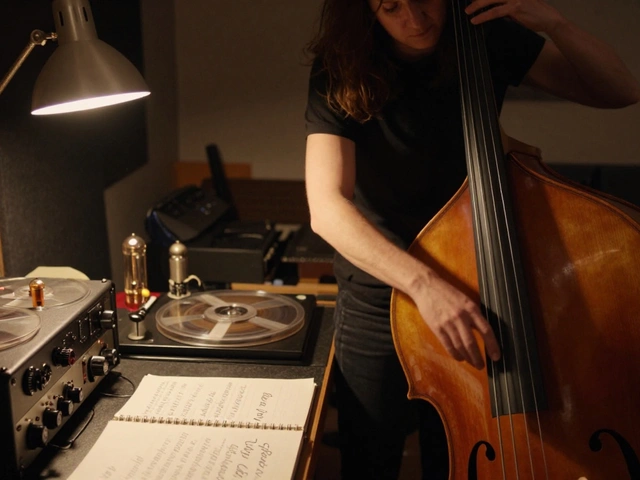
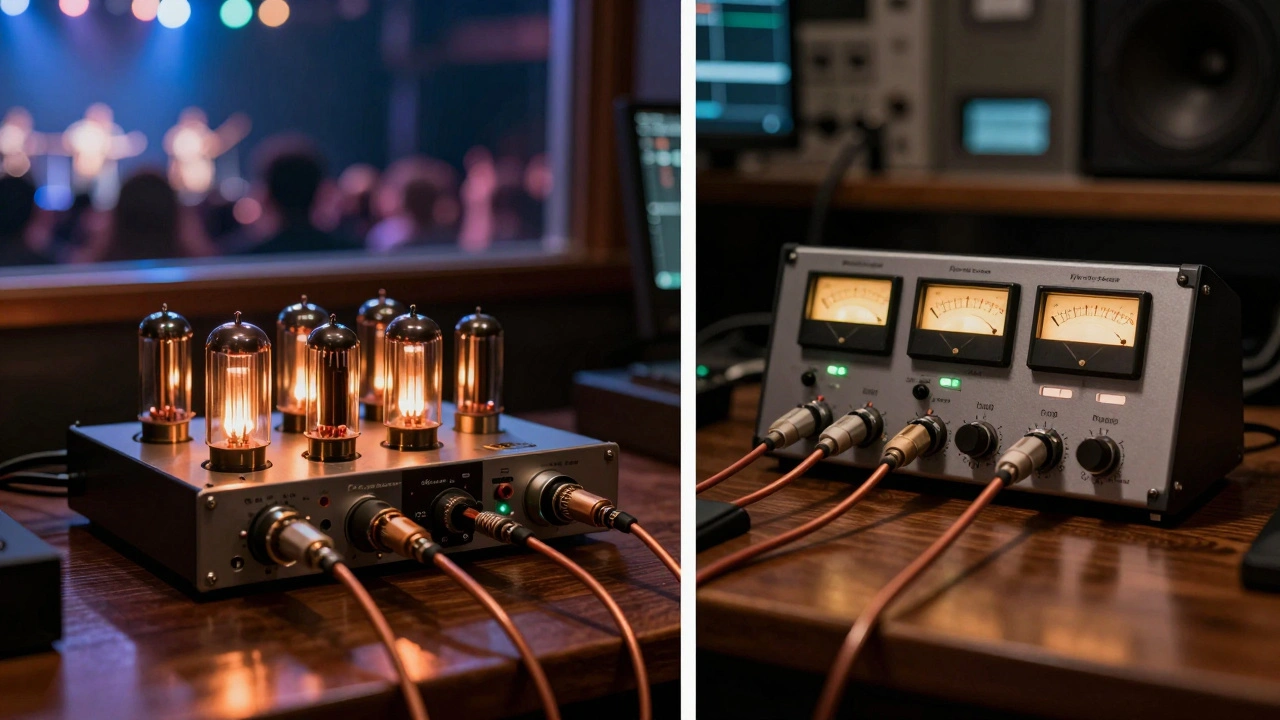
In 2026, digital recording has become incredibly advanced, yet Hill still swears by analog hardware at the front end. Specifically, he uses tube preamps to color the sound before it enters the computer. The goal is to add harmonic saturation. When you push a tape machine or a warm preamp slightly, you get soft clipping. This compresses the dynamic range naturally, giving the recording a vintage feel even when captured via a USB interface.
However, he is adamant about sample rates. For live recordings intended for streaming or archival, 48kHz is sufficient. Going higher, like 96kHz, increases file size unnecessarily without audible benefits for most playback systems. Storage is cheap, but efficiency matters. Keep the files manageable so you can iterate quickly in post-production.
One critical aspect of the gear chain is the monitoring system. If you can't trust your speakers on stage, you can't trust your gain structure. Hill checks his headphones against the stage monitors constantly. If the stage monitor feedbacks, adjust the EQ before the show starts. Do not try to fix phase problems after the fact.
Mixing On-The-Fly vs. Post-Production Realities
Many artists hope to do the final mix the night of the gig. Hill strongly advises against this. While capturing a rough mix is fine for reference, true editing requires a quiet environment. In a live setting, focus purely on capturing the highest quality signal.
His typical post-production workflow involves three steps:
- Align Tracks: Even with click tracks, tempo drift happens in live shows. Use warping tools to tighten the groove slightly without killing the swing.
- Bleed Management: Use side-chain compression to duck the drums slightly when vocals are present, ensuring clarity.
- Spatial Enhancement: Add artificial reverb only if the venue sounded too small, but keep the original room tone intact.
Hill notes that the trend in 2025-2026 is transparency. Listeners prefer hearing the "real" sound of a performance, including occasional coughs or crowd noises, over a polished, lifeless track. Preserving the human element builds a deeper emotional connection.
Summary of Expert Tips
Implementing these techniques requires preparation. Hill's biggest takeaway is simple: Know your mic patterns and understand the room. If you enter a session without checking the gain staging first, you are already behind. Set your input levels correctly, engage the phantom power, and test the phase rotation on your stereo mics.
Finally, never underestimate the importance of the control room environment. Whether it's a van, a laptop stand, or a proper desk, your ears need to rest. Take breaks every 45 minutes to reset your hearing sensitivity. Fatigue leads to bad decisions in the mix.
What is the best microphone type for live rock bands?
Robert Hill suggests dynamic microphones like the Shure SM57 for guitars and kick drums, and large-diaphragm condenser microphones for overheads. This combination offers durability and a balanced frequency response suited for high-volume environments.
How do you handle excessive crowd noise during recording?
Instead of trying to remove noise, Hill advises using directional microphones to minimize the pickup angle. Sometimes, leaving some crowd noise adds realism. Use spectral reduction tools sparingly in post-production to reduce distracting background elements.
Is digital recording better than analog for live events?
Digital offers ease of portability and editing, but Hill insists on analog preamps for warmth. A hybrid approach-using analog gear at the input stage and digital storage-is generally considered the industry standard for high-fidelity capture.
What is phase alignment in live recording?
Phase alignment refers to the timing relationship between multiple microphones. If signals arrive at the mixer at different times, frequencies cancel out, resulting in a hollow or thin sound. Always check polarity on stereo pairs to ensure a solid bass response.
Can you fix bad gain staging in post-production?
Poorly recorded signals usually introduce noise floors or clipping artifacts. Hill stresses that you cannot fully fix clipping or excessive hiss later. Proper gain staging at the preamp stage is critical for a successful mix.