When you think about influencer marketing, you probably picture a celebrity with millions of followers posting a slick ad for your product. But that’s not the whole story. In fact, some of the most successful brand campaigns in 2025 didn’t use big names at all-they worked with people who have just 5,000 to 50,000 followers. These are micro influencers. And they’re often more effective than macro influencers with hundreds of thousands of followers. Why? It comes down to trust, engagement, and authenticity-not just reach.
What’s the real difference between micro and macro influencers?
It’s not just about follower count. A micro influencer typically has between 5,000 and 100,000 followers. They’re often niche experts-like a local baker who posts daily sourdough recipes, a fitness trainer who shares home workouts, or a mom who reviews baby gear honestly. Their audience isn’t broad; it’s targeted. And because they post regularly, their followers feel like they know them personally.
A macro influencer has 100,000 to 1 million followers. These are the names you see on billboards or TV ads. They might be celebrities, popular YouTubers, or Instagram models with polished feeds. Their content is professional, often scripted, and produced with teams. They’re great for brand awareness, but their engagement rates? Usually lower than you’d expect.
Here’s the surprising stat: according to a 2025 study by SocialPilot, micro influencers have an average engagement rate of 5.7%, while macro influencers average just 1.8%. That means for every 100 people who follow a micro influencer, about 6 will like, comment, or share. For macro influencers? Only 2 out of 100.
Why micro influencers drive more sales
Let’s say you sell organic skincare. You could pay a macro influencer $10,000 for one post. They’ll post it, get 200,000 views, and maybe 3,600 likes. But how many people actually clicked the link? Maybe 1,200. And of those, only 2% bought something-so 24 sales.
Now, imagine you work with six micro influencers, each with 30,000 followers. You pay each $1,000. Total cost: $6,000. Each posts a real video showing how they use your product in their morning routine. One talks about how it helped her eczema. Another shares a before-and-after with her daughter. Their followers comment: "Where did you get this?" "Is it really non-toxic?" "I’m buying it today."
Result? Each micro influencer gets 1,700 clicks. Total clicks: 10,200. Conversion rate? 8%. That’s 816 sales. And you spent less.
Micro influencers aren’t just cheaper. They’re more persuasive because their audience trusts them. People don’t follow them for perfection. They follow them for truth.
Macro influencers build awareness-but not loyalty
Macro influencers still have value. If you’re launching a new energy drink and need to get noticed fast, working with a fitness YouTuber with 800,000 followers can put you on the map overnight. Their content gets shared. Their videos trend. Their name carries weight.
But here’s the catch: their followers don’t feel a personal connection. One study from the University of Oregon found that 72% of people who saw a macro influencer ad couldn’t remember the brand two weeks later. Meanwhile, 68% of people who saw a micro influencer’s post remembered the product-and 54% said they’d buy it again.
Macro influencers are like TV commercials: loud, flashy, and forgettable. Micro influencers are like a friend recommending something they genuinely love. One grabs attention. The other builds loyalty.
What brands are doing differently in 2026
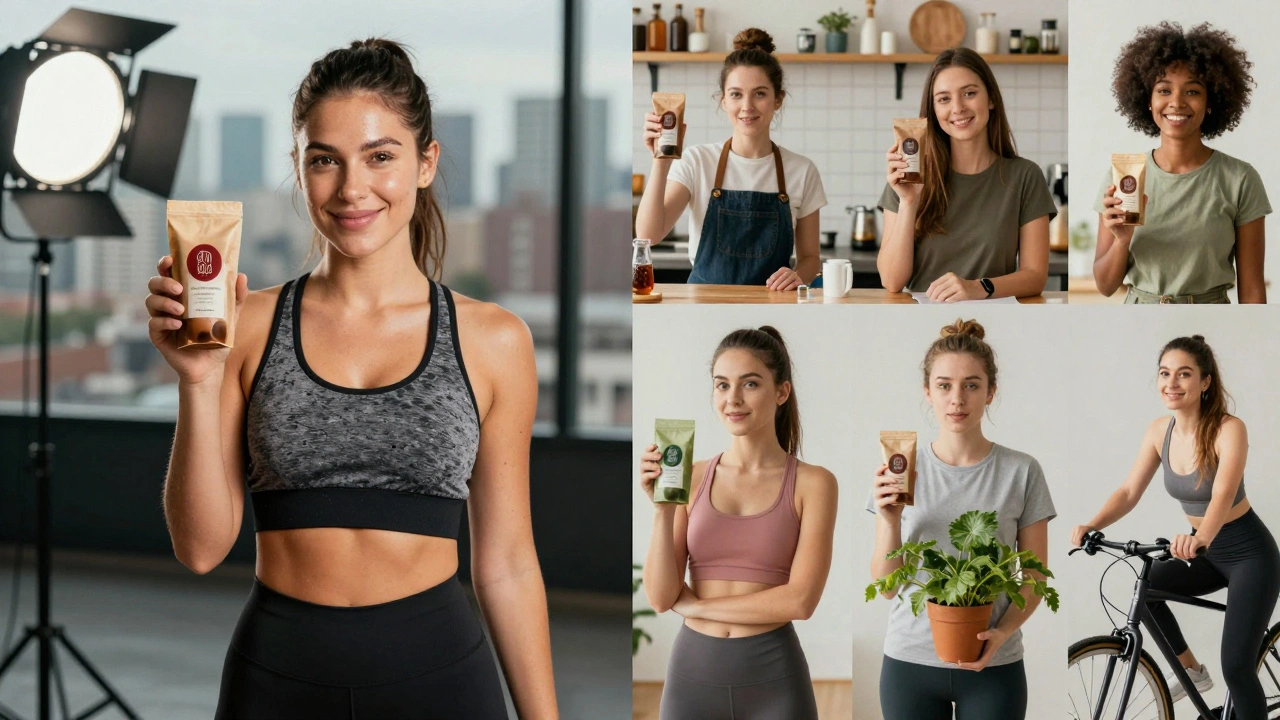
Smart brands aren’t choosing one or the other-they’re blending both. Take a Portland-based coffee company called Grindhouse Roasters is a local coffee roaster that sources beans from small farms in Central America. Also known as Grindhouse, it was founded in 2018 and has since built a cult following among home brewers. They started by partnering with 20 micro influencers: baristas, yoga teachers, podcast hosts, and college students who posted about their morning ritual. Each got a free bag of beans and a unique discount code. Sales jumped 300% in three months.
Then, they ran one campaign with a macro influencer-a popular wellness blogger with 450,000 followers. The post got 120,000 likes. But only 1,500 people used the code. The real win? The macro post drove traffic to their site. And 40% of those visitors signed up for their email list. That’s how they used the macro influencer: not to sell, but to attract.
Today, Grindhouse runs quarterly micro campaigns and one big macro campaign a year. They treat macro influencers as amplifiers-and micro influencers as converters.
How to pick the right influencer for your brand
Don’t just look at follower count. Ask these questions:
- Do their followers actually engage? Look at comments, not just likes.
- Are their followers in your target audience? A fitness influencer with 200K followers might have mostly 18-24-year-olds. If you sell senior mobility gear, that’s not a fit.
- Do they post authentically? Avoid influencers who only post sponsored content. Look for ones who mix personal stories with product mentions.
- Can you track results? Use unique discount codes, UTM links, or dedicated landing pages.
Micro influencers are easier to find. Search hashtags like #smallbusinesscoffee or #realmomreviews. Reach out personally. Say you admire their content. Offer a free product, not a paycheck. Most will say yes.
Macro influencers? You’ll need an agency or a pitch deck. They get dozens of requests a day. Your pitch needs to show clear value-not just money.
Common mistakes brands make
Here’s what goes wrong:
- Choosing influencers based on looks, not alignment. If your brand is eco-friendly and your influencer posts about fast fashion, it’s a mismatch.
- Expecting viral results from micro influencers. They don’t have mass reach. But they have deep impact.
- Using the same message for everyone. Micro influencers perform best when they’re given creative freedom. Give them a brief, not a script.
- Ignoring analytics. If you don’t track clicks, conversions, or follower growth, you’re guessing.
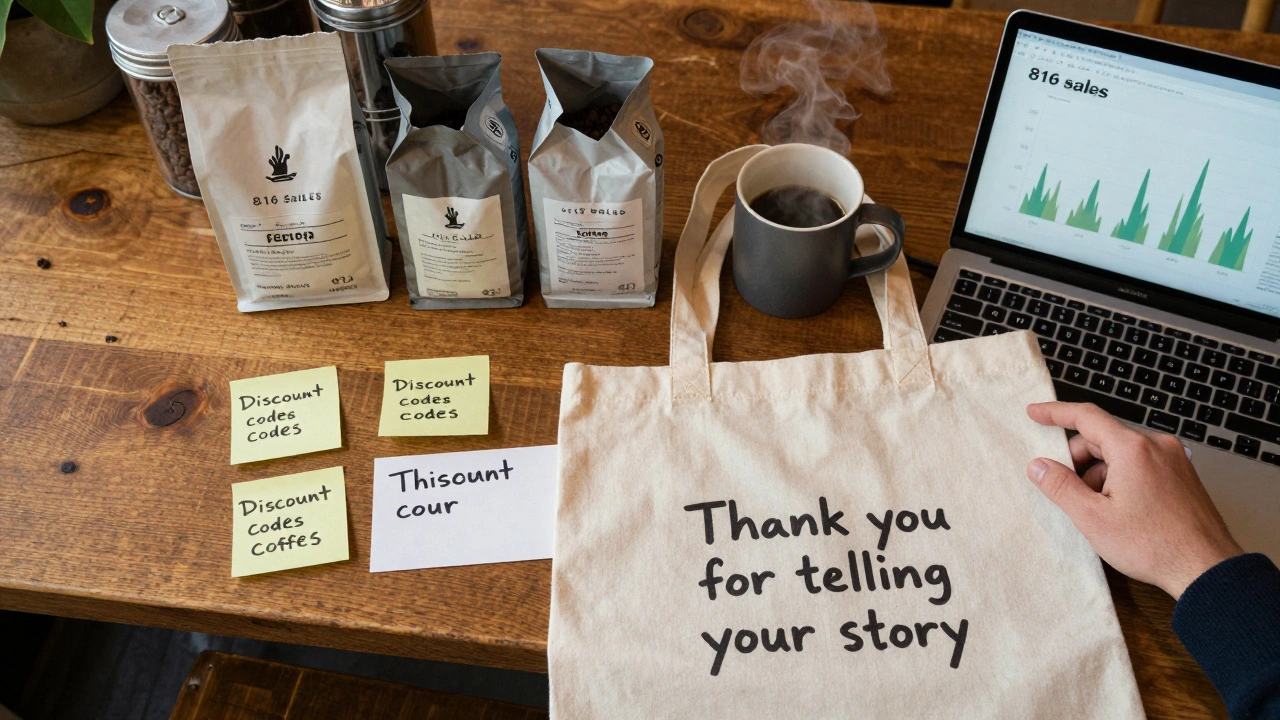
One brand in Portland tried to partner with a macro influencer who posted about sustainable fashion. They sent her a reusable tote bag. She posted a photo-no caption, no link, no context. The brand got zero sales. Why? No story. No connection. Just a product photo.
Bottom line: Start small, think long-term
The biggest myth in influencer marketing is that bigger = better. It’s not. Micro influencers build trust. Macro influencers build visibility. The best strategy? Use micro influencers to convert. Use macro influencers to introduce your brand to new audiences.
Start with five micro influencers. Give them real product, real freedom, and real appreciation. Track the results. Then, if you have budget, add one macro influencer to amplify the message. You’ll get more sales, more loyalty, and more authentic stories than you ever would with a single big-name post.
Are micro influencers cheaper than macro influencers?
Yes, usually. Micro influencers charge between $50 and $500 per post, depending on their niche and engagement. Macro influencers often charge $5,000 to $50,000. But cost isn’t just about price-it’s about return. A $300 micro influencer post that generates 150 sales is far more cost-effective than a $10,000 macro post that generates 20.
Can I work with both micro and macro influencers at the same time?
Absolutely. Many brands use a hybrid approach. Micro influencers create authentic content that drives conversions. Macro influencers create buzz and attract new audiences. For example, a skincare brand might launch a product with 15 micro influencers sharing real reviews, then follow up with one macro influencer posting a "launch day" video. The micro content builds trust. The macro content builds scale.
How do I find micro influencers in my niche?
Start by searching hashtags related to your product. Look at who’s already talking about similar brands. Check local groups on Instagram or TikTok. Use tools like HypeAuditor or BuzzSumo to filter by engagement rate, not just follower count. Reach out personally-don’t use templates. Say you genuinely like their content. Most micro influencers appreciate the personal touch.
Do macro influencers still have value in 2026?
Yes, but their role has changed. They’re no longer the go-to for direct sales. Instead, they’re used for brand awareness, media coverage, and launching big campaigns. A macro influencer can get your brand mentioned in a news article or help you rank for a trending keyword. But if you want loyal customers, you still need the trust that micro influencers build.
What metrics should I track for influencer campaigns?
Don’t just track likes. Focus on: click-through rate (CTR), conversion rate (sales from each influencer’s link), cost per acquisition (CPA), and follower growth on your own profile. Also monitor comment sentiment-are people asking questions? Sharing their own stories? That’s real engagement. And it’s more valuable than any vanity metric.