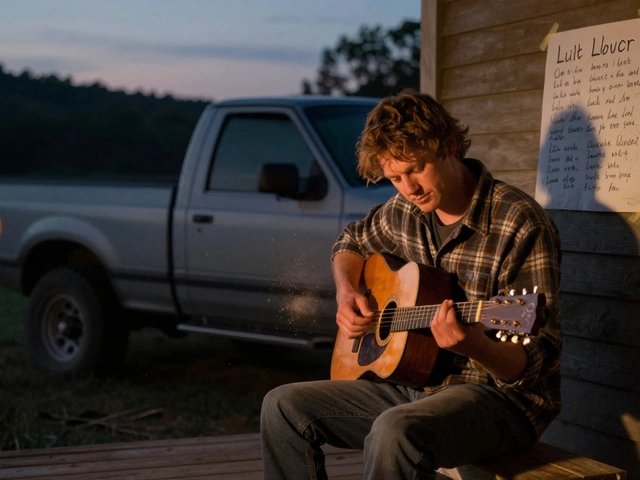
Robert Hill doesn’t write songs to impress. He writes them to survive. If you’ve ever listened to his music late at night with the lights off, you know what I mean. There’s something raw in his voice-not because he’s trying to be gritty, but because he’s telling the truth. His lyrics don’t hide behind metaphors or poetic fluff. They’re worn down, like boots that’ve walked too many miles. And if you pay attention, three big themes keep showing up: redemption, struggle, and grace.
Redemption Isn’t a Grand Gesture
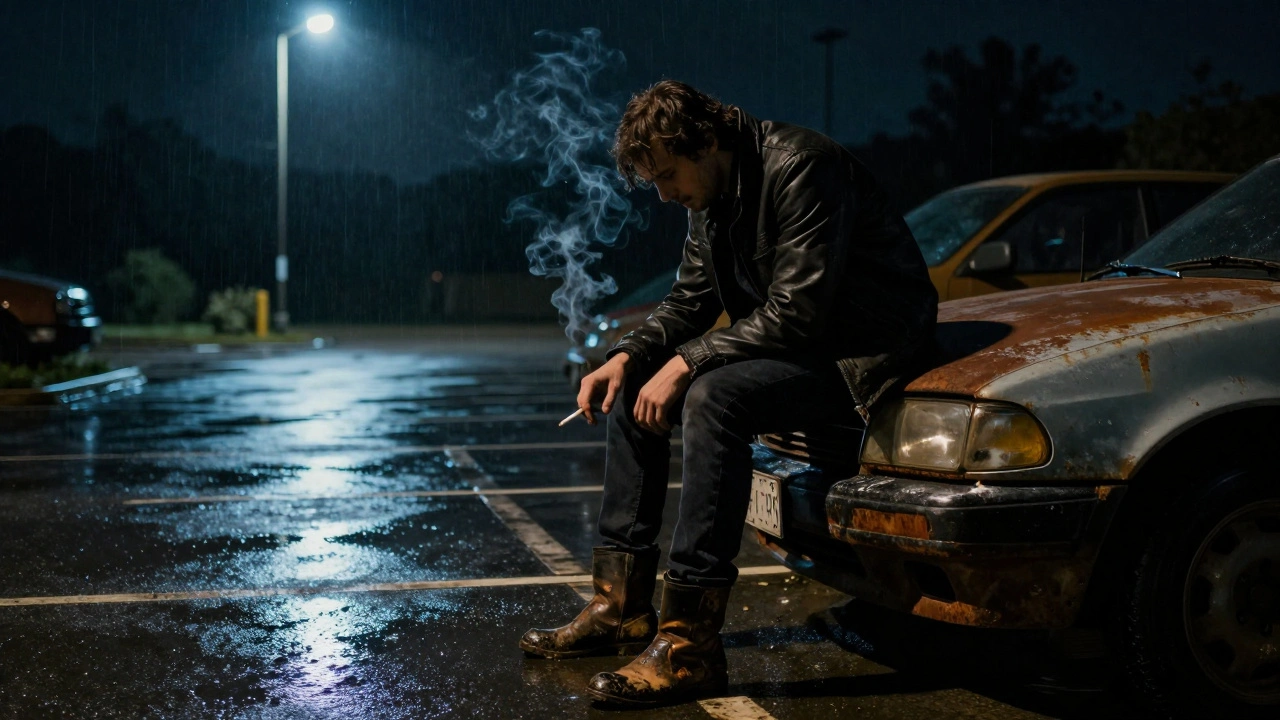
Most artists sing about redemption like it’s a fireworks show: lights, cheers, a dramatic turn of events. Robert Hill’s redemption stories are quieter. In his song "Broken Pews," he sings: "I didn’t get saved on a mountain / I got saved in a parking lot / with a cigarette in my hand / and a prayer I didn’t believe." That’s not the kind of redemption you see in movies. It’s not about being lifted out of hell. It’s about sitting there, still in it, and finally whispering, "I’m done pretending."
He doesn’t write about heroes who rise. He writes about people who just stop falling. One listener told me they played "Broken Pews" after their third relapse. They said it was the first time they felt like they weren’t alone in the mess. That’s the power of Hill’s take on redemption-it doesn’t demand perfection. It just asks you to show up, even if you’re shaking.
Struggle Is the Main Character
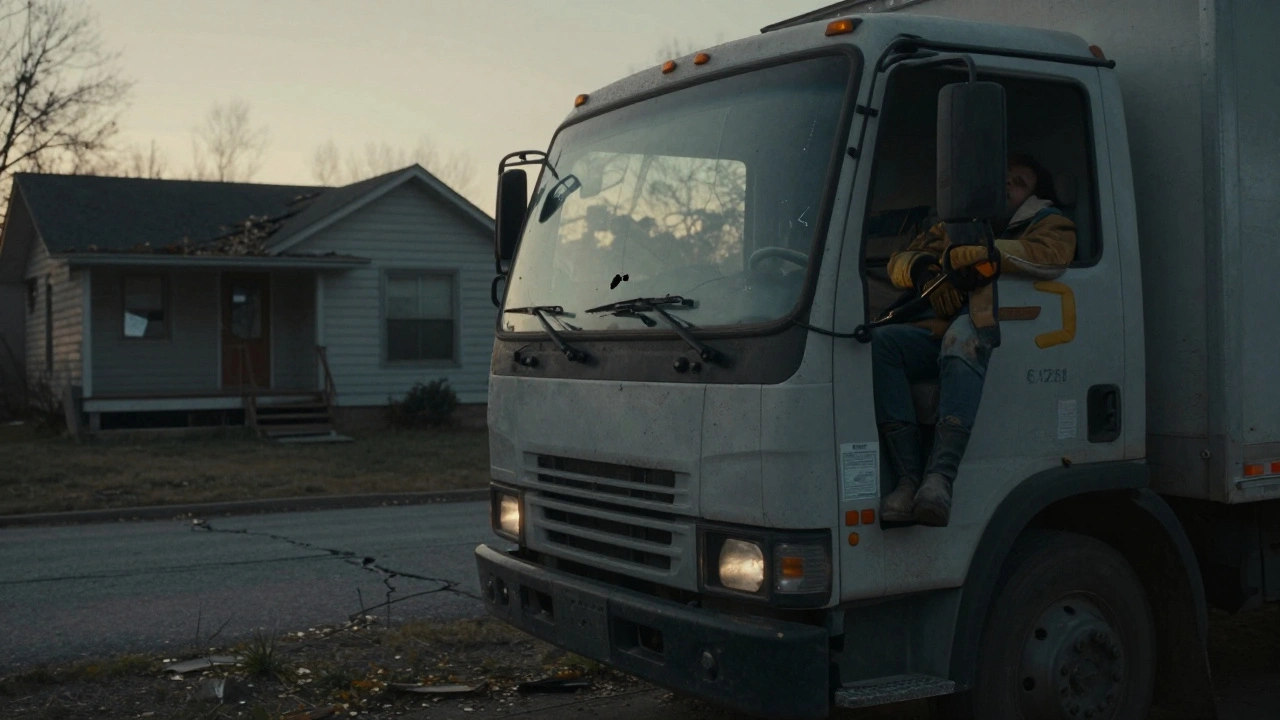
Struggle isn’t just a theme in Robert Hill’s music-it’s the rhythm. His songs don’t build to a climax. They build to exhaustion. In "Dusty Boots," he details a man who drives 14 hours to work, comes home, and sleeps with his boots on because he’s too tired to take them off. No one applauds him. No one even notices. But Hill notices. He sings about the kind of struggle that doesn’t get a hashtag, doesn’t go viral, and doesn’t end with a promotion.
His lyrics are full of small defeats: missed calls, unpaid bills, silent dinners, jobs that don’t pay enough to cover the gas. But here’s what makes it different: he never frames these moments as failures. He frames them as proof of persistence. In "Still Here," he sings: "I didn’t win. I didn’t break. I just kept showing up. That’s the only thing I ever had control over."
That line alone has been tattooed on at least three people I know. Not because it’s inspiring-it’s too honest to be inspiring. But because it’s true. Struggle, in Hill’s world, isn’t something to overcome. It’s something you carry. And that’s okay.
Grace Is Quiet, Not Loud
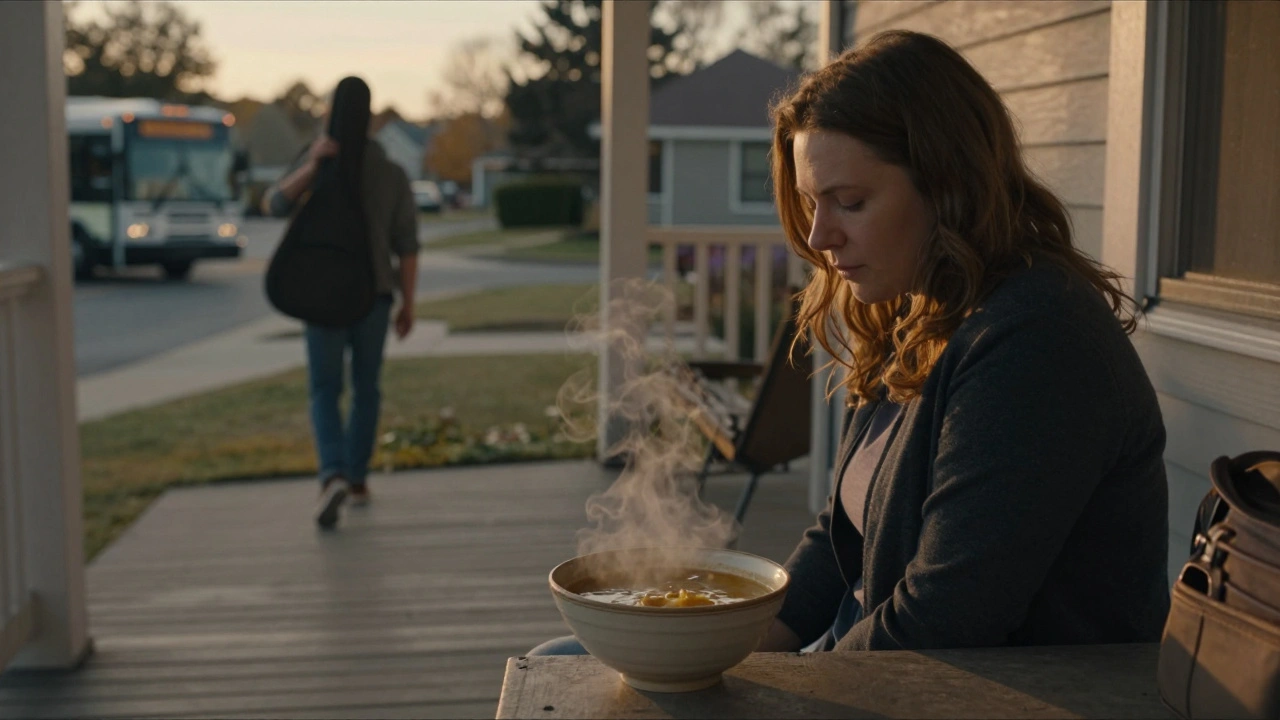
Grace doesn’t come with trumpets in Robert Hill’s songs. It comes in the form of a neighbor leaving soup on your porch. A stranger paying for your coffee. A child who hugs you without asking why you’re crying. In "The Woman at the Bus Stop," he tells the story of a woman who sang off-key to herself every morning. No one listened. One day, he did. He didn’t say anything. Just nodded. She never saw him again. But he wrote that song because she made him feel seen.
His version of grace doesn’t fix anything. It doesn’t heal wounds or erase pain. It simply says: "You’re still here. I see you. That matters." In "Half a Loaf," he sings: "I didn’t get everything I asked for / But I got enough to keep breathing. / And that’s the grace I’m learning to trust."
That’s the heart of his message. Grace isn’t earned. It’s given. And sometimes, it’s just a moment when someone else remembers you’re human.
How These Themes Connect
Redemption, struggle, and grace aren’t separate ideas in Robert Hill’s work. They’re a cycle. You struggle because you’re still trying. You find grace in the small things that keep you going. And redemption? It’s not a destination. It’s the quiet realization that you’re still here, still trying, still worthy-even when nothing changes.
He doesn’t write for people who want answers. He writes for people who just need to know they’re not crazy for still feeling this way. His songs don’t solve problems. They sit with them. And in that sitting, something shifts.
Why His Lyrics Resonate Now
In 2026, we’re surrounded by noise. Social media tells us to rise, hustle, heal, transform. But Robert Hill doesn’t offer transformation. He offers presence. And that’s why his music is louder now than ever.
People aren’t looking for perfect songs anymore. They’re looking for honest ones. Songs that don’t pretend the pain went away. Songs that admit the work never ends. Songs that say: "You’re not broken. You’re just tired."
His latest album, "The Weight We Carry," came out last fall. It didn’t top charts. But it sold out in five cities. Not because of ads. Because of whispers. A mother played it for her son recovering from addiction. A veteran played it while cleaning his rifle. A teacher played it before class, after losing a student to suicide. These aren’t just listeners. They’re survivors. And Hill’s lyrics? They’re the soundtrack they didn’t know they needed.
What You Can Learn From His Writing
If you write songs-or even just journal-you can learn something from how Hill builds his lyrics:
- Use specific details. Not "I was sad," but "I cried in the shower because the water was too hot and I didn’t want to face the day."
- Let silence speak. Not every line needs to explain. Sometimes, the space between words holds more truth.
- Don’t chase resolution. Real healing doesn’t come in a chorus. It comes in the quiet verses nobody remembers.
- Grace doesn’t need a spotlight. It lives in the small, unremarkable moments.
His songs aren’t about fixing yourself. They’re about remembering you’re still worth listening to.
What makes Robert Hill’s lyrics different from other singer-songwriters?
Robert Hill doesn’t write about triumph or transformation. He writes about persistence. While other artists focus on breakthroughs, Hill focuses on the daily grind-the quiet moments of survival. His lyrics avoid grand metaphors and instead use concrete, everyday details: boots left on the floor, soup left on a porch, off-key singing at a bus stop. This grounded honesty makes his songs feel like personal confessions, not performances.
Is Robert Hill’s music only for people going through hard times?
No. His music is for anyone who’s ever felt invisible, exhausted, or unsure if they’re doing enough. You don’t need to be in crisis to connect with his songs. Many listeners say they play his music on ordinary days-not because they’re sad, but because it reminds them they’re not alone in feeling ordinary. His songs validate the quiet parts of life that most music ignores.
Does Robert Hill believe in redemption?
He doesn’t frame redemption as a single moment of salvation. Instead, he sees it as a series of small choices: showing up, speaking the truth, refusing to disappear. In his lyrics, redemption isn’t about being saved-it’s about refusing to give up on yourself, even when no one else is watching. It’s not about becoming someone new. It’s about remembering who you already are.
Are Robert Hill’s lyrics religious?
Not in a traditional sense. While he uses religious imagery-pews, prayers, grace-it’s not tied to doctrine. He borrows these words because they carry emotional weight, not theological meaning. His grace isn’t divine. It’s human. It’s the kind that shows up in a neighbor’s soup, a stranger’s nod, or a child’s hug. He’s writing about spiritual moments, not spiritual beliefs.
What’s the best song to start with if I’ve never listened to Robert Hill?
Start with "Still Here." It’s short, under three minutes, and captures all three core themes: struggle (working a job that doesn’t pay enough), grace (a friend who just says, "I’m here"), and redemption (the quiet realization that simply enduring is enough). It’s the song most people say changed how they heard music forever.