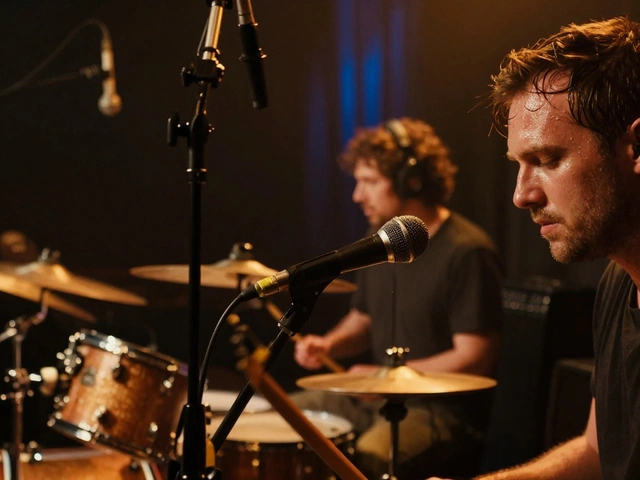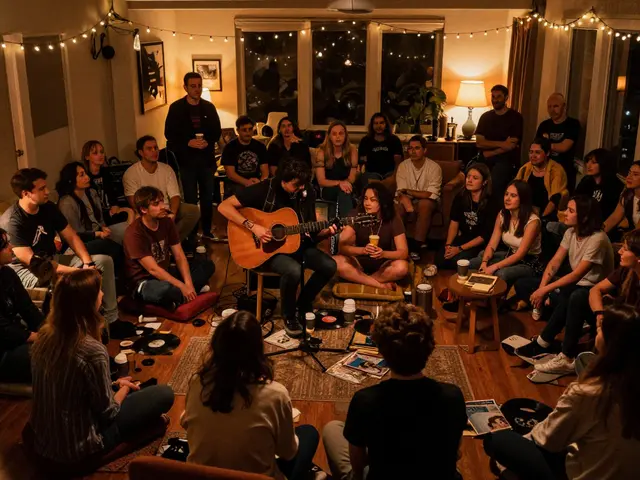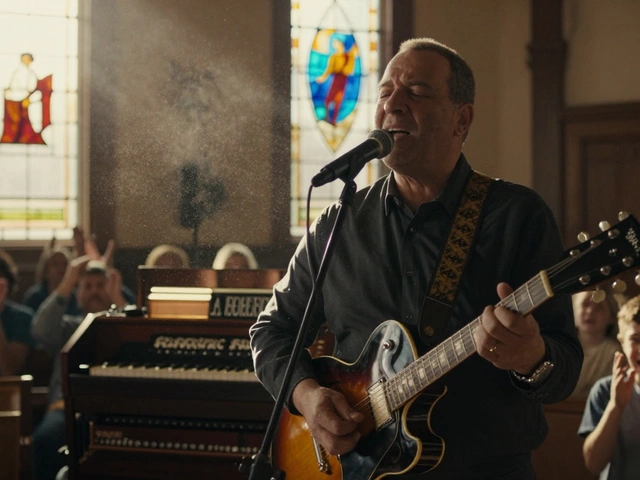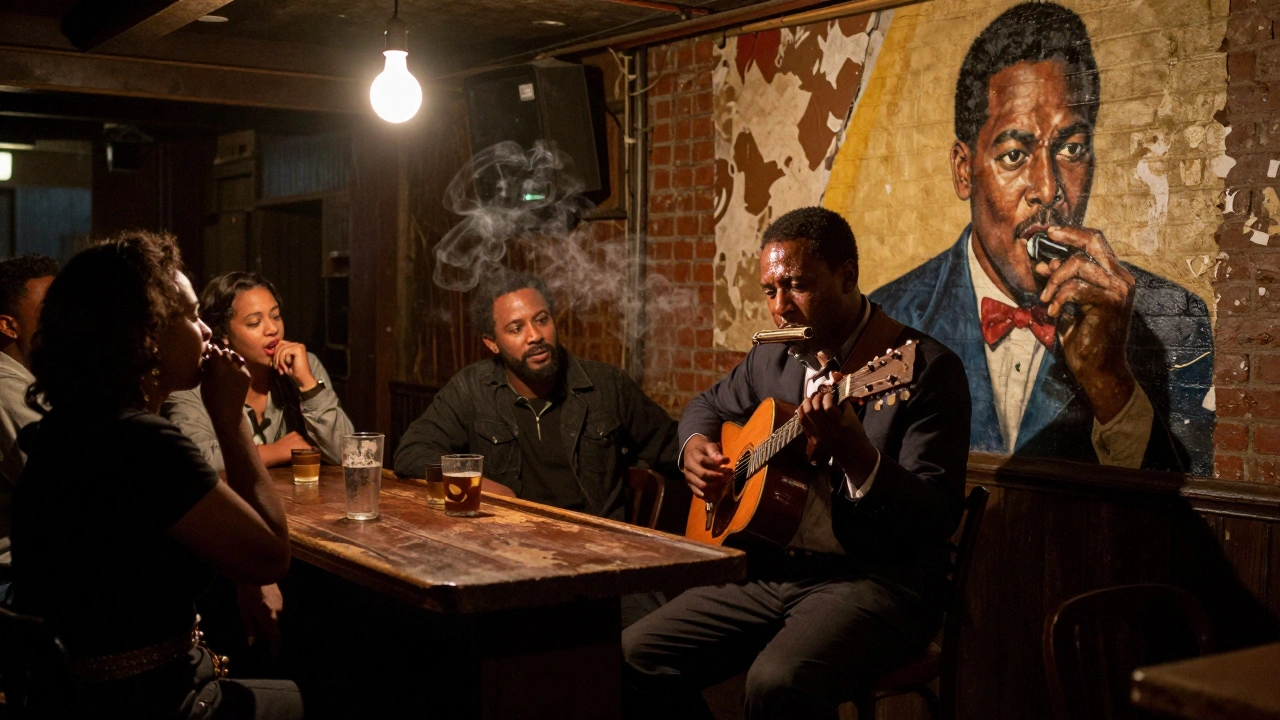
Walk down a quiet street in Harlem after dark, and you might still hear a faint hum of a harmonica drifting from an old brick building. It’s not a ghost. It’s the echo of a scene that once made New York the heartbeat of American blues. These weren’t just bars with live music-they were living rooms where Black musicians turned pain into power, where crowds packed shoulder to shoulder, and where legends like B.B. King, Muddy Waters, and Sonny Boy Williamson got their first real stage.
Harlem: Where the Blues Found a Home
By the 1920s, Harlem wasn’t just a neighborhood-it was a movement. The Great Migration brought tens of thousands of Black families from the South, bringing with them the spirituals, field hollers, and Delta blues that would evolve into something new. Clubs like the Cotton Club and Small’s Paradise became incubators. But while the Cotton Club was famous for its white audiences and segregated seating, smaller venues like the Lenox Lounge and the Savoy Ballroom gave Black artists real control. These places didn’t just host music-they hosted community. Musicians played six nights a week, often for $10 a night and a plate of collard greens. The rhythm wasn’t just in the drums; it was in the clinking of glasses, the shuffle of feet on wooden floors, the call-and-response between singer and crowd.
Greenwich Village: The Blues Got Political
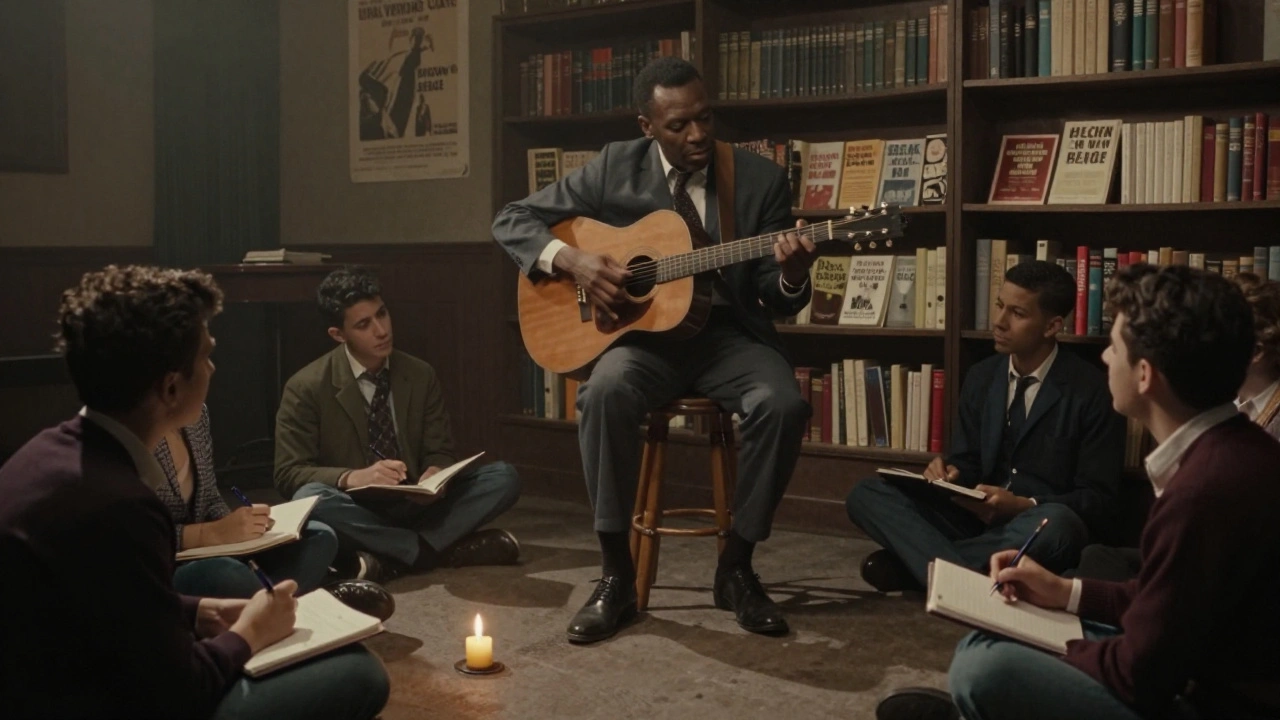
By the 1950s, the center of gravity shifted south. Greenwich Village, once a bohemian enclave for poets and painters, became a hub for blues revivalists. Clubs like Café Wha? and the Village Vanguard started booking acoustic blues artists when jazz was dominating the scene. This wasn’t nostalgia-it was activism. Folk-blues artists like Mississippi John Hurt and Rev. Gary Davis played for college students who were learning about civil rights. The music wasn’t entertainment here; it was education. A 1961 recording from the Village Vanguard of Big Bill Broonzy’s “Black, Brown and Beige” became a staple in Black studies courses. The lyrics spoke of Jim Crow, poverty, and resilience. People didn’t just listen-they took notes.
The Bronx and Brooklyn: Blues on the Margins
While Manhattan got the headlines, the Bronx and Brooklyn kept the blues alive in working-class basements and storefronts. In the South Bronx, clubs like the 172nd Street Club and the Blue Note Lounge (not to be confused with the Manhattan one) hosted weekend jam sessions where teenagers learned to play slide guitar from uncles who’d played in Mississippi. These weren’t polished shows. Amplifiers buzzed. The ceiling leaked when it rained. But the feeling? Pure. In East New York, Brooklyn, the Elmhurst Avenue Blues Bar opened in 1973 and stayed open until 2010. Owner Marcella “Mama” Jackson didn’t book big names. She booked locals-men who worked construction by day and played 12-bar licks by night. Her rule? No cover charge. If you brought a six-pack, you got in. That bar was a refuge for retired musicians, single mothers, and kids who just needed to hear something real.
What Made These Places Different?
These clubs didn’t survive because they were fancy. They survived because they were necessary. In a city built on commerce, they offered something else: dignity. A Black man could walk into a Harlem club in 1948, sit at the bar, order a drink, and be treated like a king-not a servant. That mattered. The music was raw because the lives behind it were raw. The guitars were old because new ones cost too much. The chairs were mismatched because no one had money for matching sets. But the sound? That was priceless.
Compare that to today’s blues bars. Many now have velvet ropes, craft cocktails, and $25 cover charges. The music is good-sometimes excellent-but the soul? It’s been polished. The original clubs didn’t care about Instagram backdrops. They cared about whether you could sing the truth.
The Last Holdouts
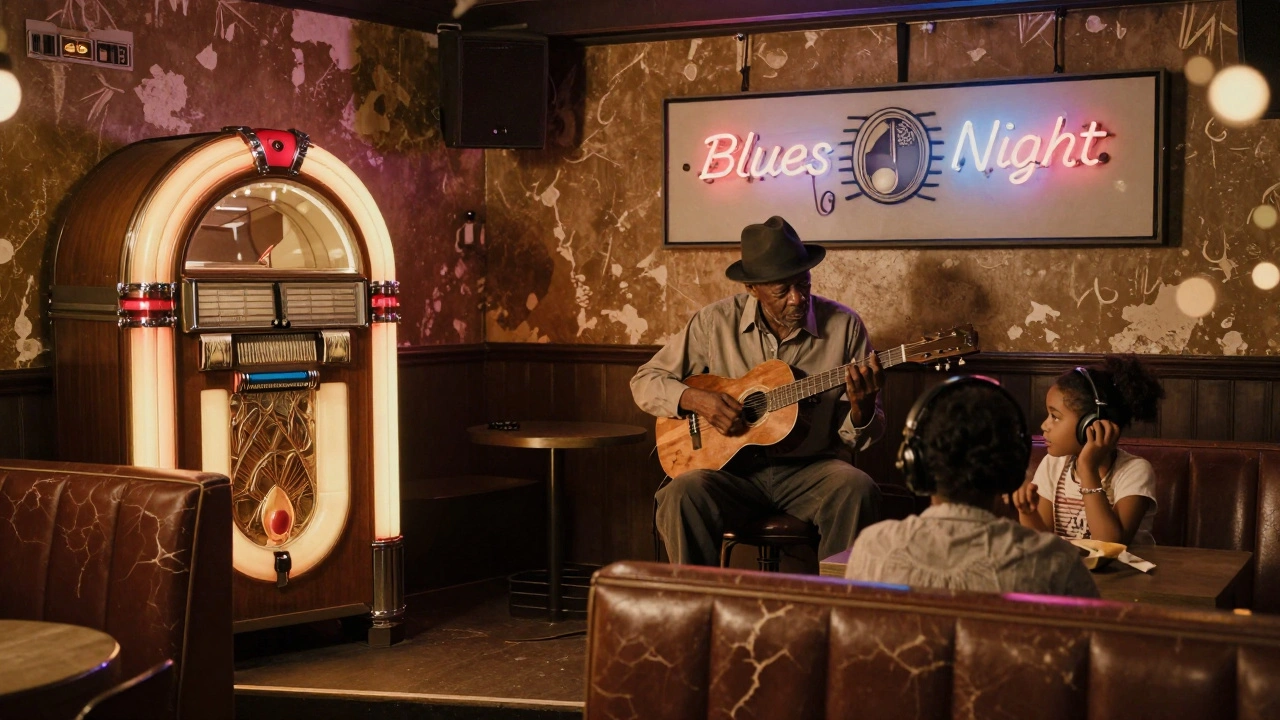
Today, only a handful of the old venues still operate. The Red Rooster in Harlem, opened by Marcus Samuelsson in 2010, keeps blues alive with weekly jam nights, but it’s more upscale. The legendary Sugar Hill Jazz Club closed in 2019 after 42 years. But there are survivors. The Lenox Lounge, now under new ownership, still hosts blues nights on Fridays. The Bowery Ballroom, though mostly a rock venue, occasionally books vintage blues acts. And in Queens, the historic Blue Note on 125th Street-reopened in 2023 after a two-year renovation-has restored its original 1950s lighting and vintage jukebox. It’s not the same as 1952, but it’s close.
Why This History Still Matters
These clubs weren’t just places to hear music. They were places where identity was forged. In a city that’s always changing, they remind us that culture isn’t built in boardrooms-it’s built in basements, on broken chairs, with a few dollars in the tip jar. The blues didn’t just influence rock, soul, or hip-hop. It gave voice to people who had none. When you hear a modern rapper sample a B.B. King lick, or a jazz pianist weave in a 12-bar progression, that’s not sampling. That’s inheritance.
Walk into any blues club in New York today, and you’ll see tourists with cameras. But if you stay late, if you sit near the back, if you let the music sink in-you’ll still feel it. The weight. The warmth. The truth.
What were the most famous blues clubs in New York City?
The most famous blues clubs in New York City included the Cotton Club and Small’s Paradise in Harlem, the Lenox Lounge, Café Wha? and the Village Vanguard in Greenwich Village, the 172nd Street Club in the Bronx, and the Elmhurst Avenue Blues Bar in Brooklyn. These venues were known for hosting legendary artists and fostering authentic, community-driven performances.
When did blues music become popular in New York?
Blues music became popular in New York during the 1920s, fueled by the Great Migration, when hundreds of thousands of African Americans moved from the rural South to northern cities. Harlem emerged as a cultural epicenter, and by the 1940s and 1950s, blues clubs were thriving across Manhattan and Brooklyn, blending with jazz and gospel to create a unique urban sound.
Why did blues clubs decline in New York?
Blues clubs declined due to urban redevelopment, rising rents, changing music trends, and racial segregation policies that pushed Black cultural spaces out of prime locations. The rise of rock and roll in the 1960s also shifted public attention. Many historic venues were demolished or converted into condos, restaurants, or non-music venues. Economic pressures and gentrification made it impossible for low-income, community-run clubs to survive.
Are there any original blues clubs still operating in New York today?
Yes, a few original venues still operate, though often with renovations. The Lenox Lounge in Harlem continues weekly blues nights and retains its historic charm. The Blue Note on 125th Street in Queens reopened in 2023 with restored 1950s decor and live blues performances. While many clubs have been replaced by upscale venues, these spaces actively preserve the legacy through curated lineups and community events.
How did blues music influence other genres in New York?
Blues music laid the foundation for soul, R&B, rock and roll, and even hip-hop in New York. Artists like Chuck Berry, James Brown, and later, Public Enemy, drew directly from blues structures and emotional expression. The 12-bar blues progression, call-and-response patterns, and raw vocal delivery became core elements in the city’s evolving music scene. Record producers in Harlem and the Bronx sampled blues licks as early as the 1980s, embedding them into the DNA of modern urban music.