Every touring musician knows the chaos of a show day. Band members show up late. Gear breaks. Venues change last minute. But for Robert Hill, a tour manager with over 20 years of experience, none of that matters - because he’s already planned for it. His secret? A simple, hand-written document called a day sheet.
What Is a Day Sheet?
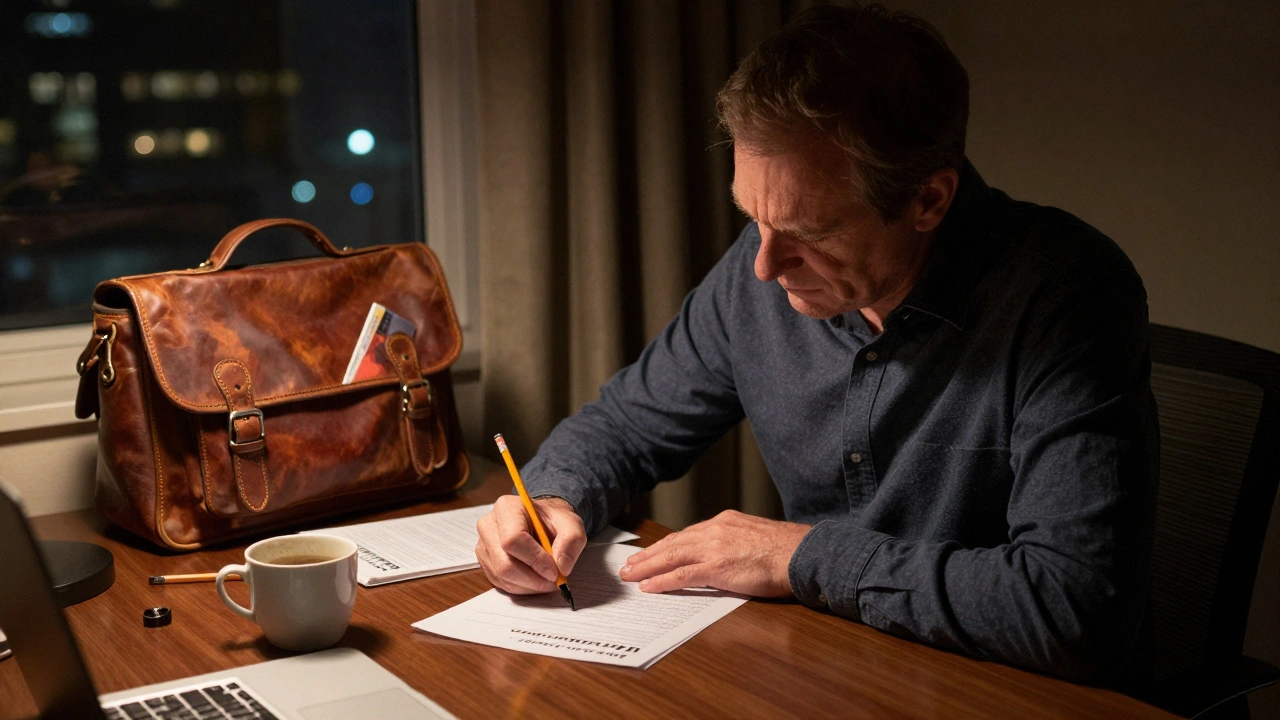
A day sheet is a one-page schedule that maps out every single detail of a show day. Not just the concert time. Not just load-in and soundcheck. Every coffee break, every meal, every bathroom stop, every phone call. Robert Hill doesn’t use apps. He doesn’t rely on Google Calendar. He writes it by hand on a single sheet of paper, in pencil, and carries it with him everywhere.
He started doing this back in 2004 when he was managing a folk band on a 60-day U.S. tour. They missed a soundcheck in Nashville because the venue’s front desk didn’t know the band was playing that night. That night, Robert sat down with a notebook and wrote out everything - from the moment the van left the hotel to the second the last encore ended. He called it a day sheet. It stuck.
Robert Hill’s Day Sheet Template
Robert’s day sheet has six sections, always in this order:
- Travel - Departure time, arrival time, driver’s name, vehicle ID, fuel stop locations
- Hotel - Check-in time, room numbers, wake-up call, breakfast service, early check-out instructions
- Load-In - Gate time, stage entrance, ramp access, power outlets, stage plot location
- Soundcheck - Start time, duration, band order, mic check list, monitor mix notes
- Show - Doors open, opening act start, headliner start, encore cue, post-show rider requirements
- Departure - Load-out time, van departure, next city, next hotel name, emergency contact
He fills it out the night before, using a pencil so he can erase and adjust. If the venue changes the soundcheck time, he crosses out the old time and writes the new one right above it. No digital sync needed. No app glitch. Just ink and eraser.
Why Handwritten? Why Not an App?
Robert doesn’t trust apps. He’s seen too many phones die mid-tour. He’s had Slack messages go unread because someone was in a tunnel. He’s had Google Calendar send alerts to the wrong time zone. Once, a tour manager’s tablet crashed right before a show in Detroit. No one knew when the next venue opened. Robert pulled out his day sheet. It had the info. The show went on.
There’s something about writing it down that makes it real. When you write "Soundcheck: 3:15 PM" on paper, your brain locks it in. When you type it into an app, your brain thinks, "Oh, the phone will remind me." And phones forget. People forget. But a day sheet? It’s always there. In your pocket. In your hand. In your line of sight.
How Robert Uses It in Real Time
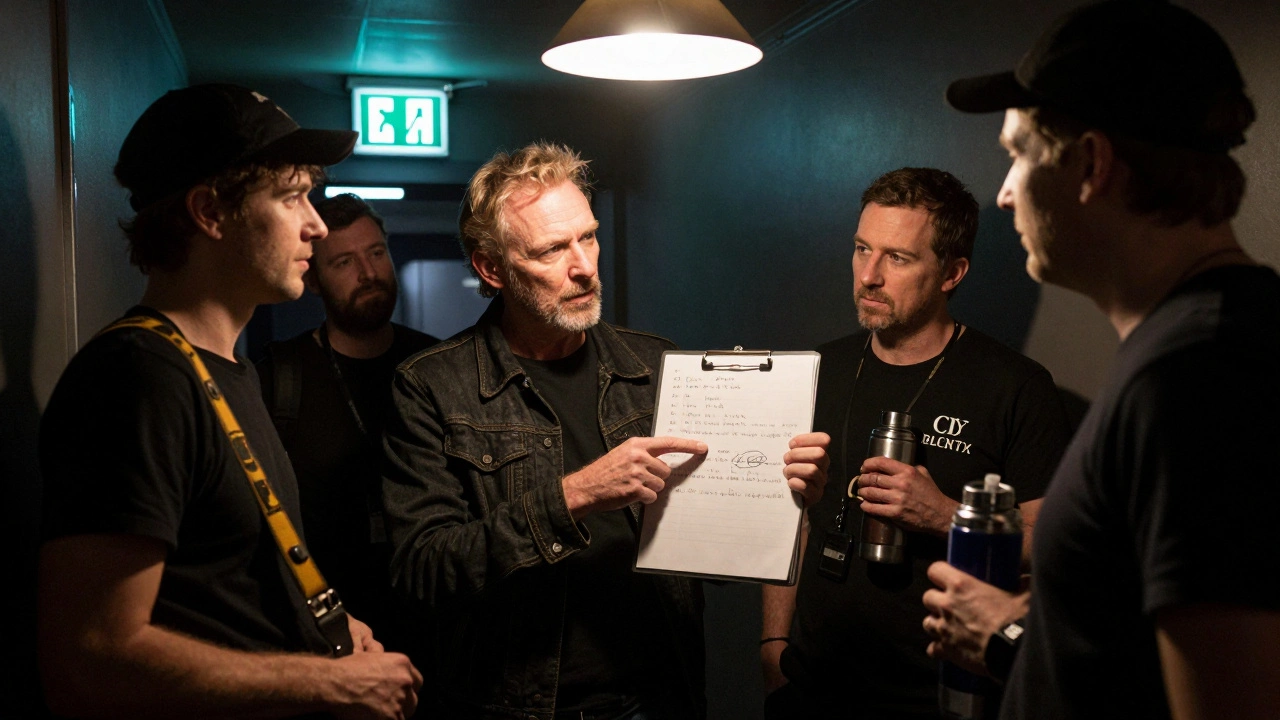
On show day, Robert doesn’t just hand out the sheet. He uses it like a living document.
- He checks off each item with a single line as it happens - not a checkmark, not a dot. Just a straight line. "Done."
- If a band member calls in sick, he writes "J. Smith - sick - replaced by backup guitarist" right under the show section.
- If the venue runs late on the previous act, he scribbles "Soundcheck delayed 20 min" and circles it. Everyone sees it.
- He writes the weather forecast in the corner. "Rain 70% - bring coats."
He doesn’t explain it to new crew members. He just hands them the sheet and says, "If you need to know something, look here first." Within hours, they learn to read it. It becomes their shared language.
The Hidden Benefits
Robert’s day sheet does more than schedule time. It builds trust.
When the drummer sees that Robert wrote "- 10 min break after soundcheck - coffee on stage" - he knows someone remembered he hates cold brew. When the lighting tech finds "- 2nd rig needs 120V - outlet 3B" - they know Robert didn’t just copy the venue’s form. He studied it.
It also prevents arguments. No one says, "You didn’t tell me we had to load in at 11!" because the sheet says it, in Robert’s handwriting, with a circled time. No blame. Just facts.
And here’s the quietest win: Robert’s day sheet has never been lost. Not once. He keeps a backup copy in his wallet. Always. Even if he’s on a 12-hour drive, even if he’s sleeping in the van, even if he’s in a bathroom stall at 3 a.m. - that sheet is with him.
How to Make Your Own Day Sheet
You don’t need to be a tour manager to use this. Any touring artist, small crew, or even a solo performer can use Robert’s method.
- Grab a notebook or a single sheet of paper. No need for fancy stationery.
- Use the six-section template above. Adjust it for your needs - add a "Snack List" or "Medication Schedule" if you need it.
- Fill it out the night before. Don’t wait until morning.
- Write in pencil. Leave room to change things.
- Carry it with you. In your pocket. In your bag. Not in your phone.
- Check off each item with a line. Not a checkmark. A line. Simple. Final.
Try it for one show. Just one. You’ll notice how much less mental clutter you have. You’ll stop asking, "What’s next?" because the answer is right in front of you.
What Happens When You Skip It
Robert’s been on 1,200+ show days. He’s seen what happens when crews skip the day sheet.
One tour in 2018 - no day sheet. The lead singer showed up two hours late because the hotel didn’t call a cab. The venue wouldn’t let them soundcheck. The crowd got restless. The band canceled the last two songs. The promoter refused to pay the full fee.
Another time - no day sheet. The van driver didn’t know the next hotel was 120 miles away. They ran out of gas in rural Iowa. No one had the number for the next venue. They slept in the van.
These aren’t rare accidents. They’re preventable. And they all happen because someone didn’t write it down.
Why This Still Works in 2026
Technology keeps changing. AI assistants. Smart watches. Voice reminders. But the human brain still needs a single, clear, tactile reference point. That’s what the day sheet gives you.
It’s analog. It’s personal. It’s impossible to ignore. And in a world full of notifications, alerts, and pop-ups, that’s worth more than any app.
Robert Hill doesn’t have a podcast. He doesn’t sell templates. He doesn’t even have a website. He just keeps writing them. One sheet at a time. For every show. Every year. For 20 years.
And if you’re tired of guessing what comes next - maybe it’s time you started too.
Do I need to be a tour manager to use a day sheet?
No. Day sheets work for anyone on the road - solo artists, small bands, roadies, even tour photographers. If you have a schedule and need to remember what comes next, you need a day sheet. Robert’s method is designed to be simple enough for one person to use, even without a crew.
Can I use a digital version instead?
You can, but you lose the advantages. Digital versions can die, sync wrong, or get buried in notifications. Robert’s pencil-and-paper method works even when your phone is dead, your charger is broken, or your internet is out. It’s reliable because it’s physical - not because it’s high-tech.
How long does it take to fill out a day sheet?
About 10 to 15 minutes. Robert does it while watching TV after dinner. You don’t need to overthink it. Just list the key times and tasks. The more you do it, the faster it gets. After a few tours, you’ll know exactly what to include without even thinking.
What if the schedule changes last minute?
That’s why you use pencil. Cross out the old time, write the new one right above it, and circle it. Everyone on the team will see it. Robert’s rule: if it’s not written on the sheet, it didn’t happen. That keeps everyone aligned.
Why does Robert use a line instead of a checkmark?
A checkmark can look like a smudge or a doodle. A straight line is unmistakable. It’s clear. It’s final. And it’s fast. He’s done this thousands of times - he knows what works. The line means "done," not "maybe."