There is a specific thrill that only comes from holding a record the rest of the world has forgotten. While standard releases dominate streaming playlists and mainstream charts, demo recordings and unreleased tracks offer a raw, unfiltered window into an artist’s creative process. For serious collectors, these "deep cuts" are not just noise; they are historical artifacts that reveal how songs evolved before hitting the public ear. Whether you are hunting for a lost Beatles tape or a punk band’s first rehearsal, understanding what makes these materials valuable is the first step to building a meaningful collection.
What Defines a Demo Recording?
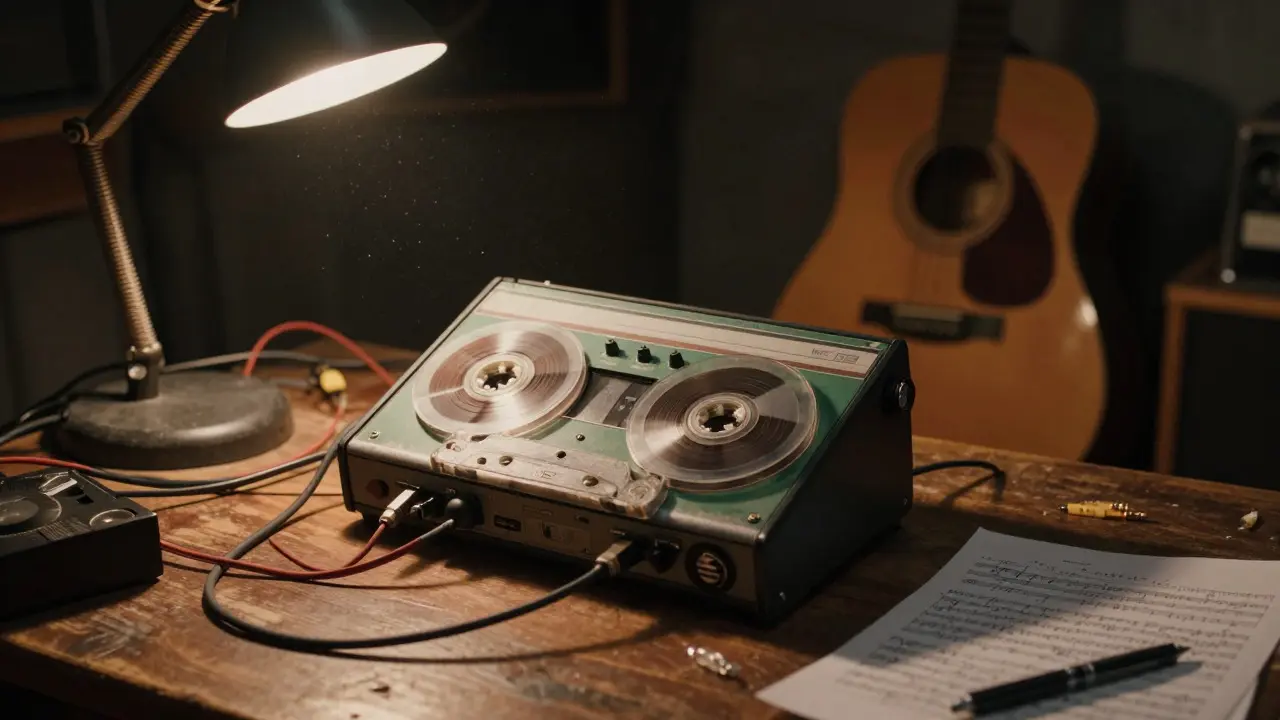
A demo recording is essentially a prototype. Before a band signs a major label deal or records a studio album, they need to prove their concept. These tracks are often recorded in makeshift studios, basements, or even on four-track cassette machines. Unlike final releases, demos lack the polish of professional mixing. You might hear background conversations, microphone feedback, or slightly off-key vocals. To a casual listener, this sounds like poor quality. To a collector, it sounds like authenticity.
Demos serve several purposes in the music industry. They act as pitch tools for labels, reference guides for session musicians, or simply personal archives for the artists themselves. Because they were never intended for mass consumption, many demos were never officially released. This scarcity is what drives their value. When a demo does surface, it often carries a narrative weight that no polished single can match. It tells the story of the song before the story was fully written.
The Allure of Unreleased Material
Unreleased material is broader than just demos. It includes outtakes, B-sides that never made it to singles, live recordings from obscure venues, and studio scraps left over from album sessions. The key distinction here is intent. A demo is created *for* presentation. An unreleased track is often created *during* the creation of something else but discarded due to artistic choice, time constraints, or budget issues.
Consider the difference between a standard B-side and a true deep cut. A B-side is usually a deliberate secondary release. A deep cut, however, might be a stripped-down version of a hit song, a cover of another artist’s work, or a collaborative track with a guest musician who later faded from the spotlight. These pieces fill the gaps in an artist’s timeline. They show us the detours taken and the paths abandoned. For collectors, finding these missing links feels like solving a puzzle where the answer is hidden in plain sight within the official discography.
Identifying Authenticity: Originals vs. Bootlegs
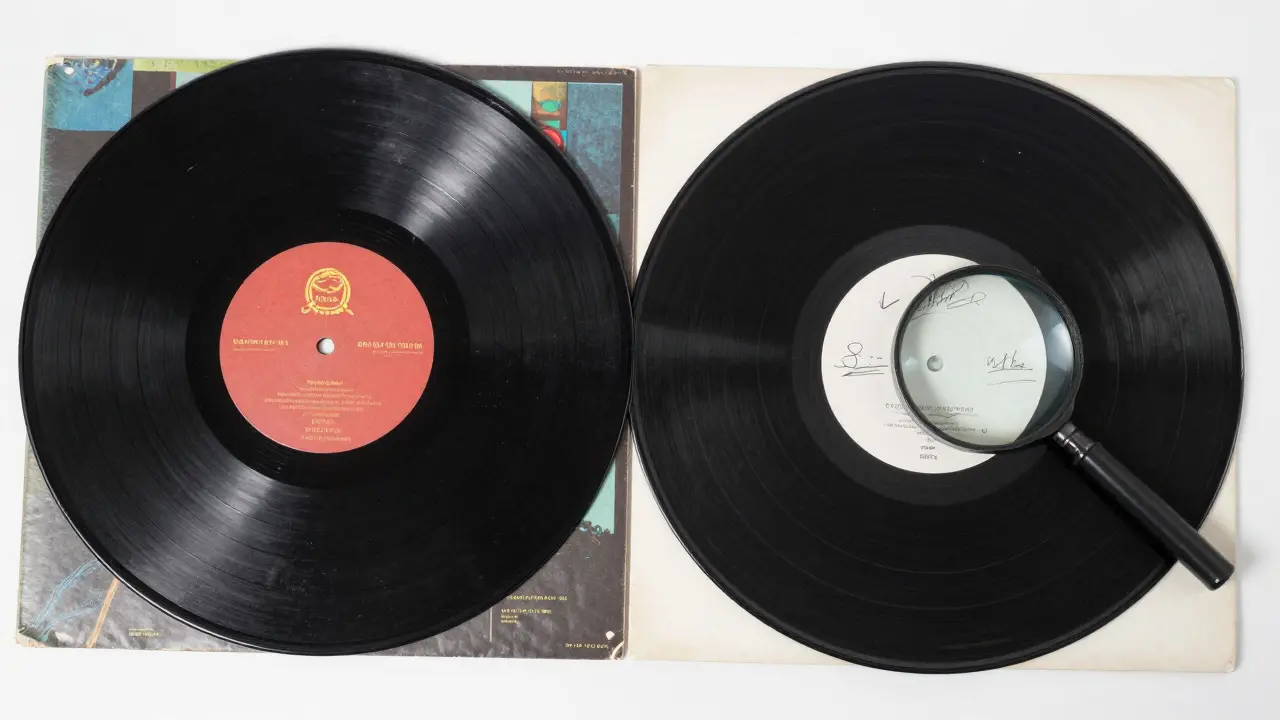
One of the biggest challenges in collecting deep cuts is distinguishing between legitimate pressings and unauthorized bootlegs. Bootlegs are recordings copied from source tapes (often by fans) and pressed onto vinyl or CD without the artist’s permission. While some bootlegs are high-quality and sought after, others are low-fidelity disappointments. Legitimate releases, on the other hand, are authorized by the estate, label, or artist, and come with proper licensing, liner notes, and often exclusive content.
How do you tell them apart? Look at the packaging. Authorized releases typically feature professional artwork, barcodes, and copyright notices. Bootlegs often have generic or fan-made covers, though high-end bootleg series sometimes mimic official aesthetics closely. Check the catalog numbers. Labels use specific numbering systems for special editions. If a record claims to be a limited pressing but lacks a verifiable catalog number from the primary label, be skeptical. Additionally, listen to the audio quality. Unauthorized copies often suffer from generation loss if they were copied from cassettes multiple times. High-quality digital rips from original master tapes, however, can sound surprisingly clean.
Why Collectors Pay Premium Prices
You might wonder why someone would pay hundreds of dollars for a rough, noisy recording when a pristine copy of the final album costs twenty dollars. The answer lies in rarity and narrative. Scarcity is the primary driver. If only 500 copies of a particular demo tape were ever pressed, and most of those were kept by friends and family, very few remain on the open market. As time passes, condition deteriorates, making surviving copies in good shape increasingly rare.
Narrative value also plays a huge role. A demo of a famous song from before it became a hit carries significant historical weight. It allows listeners to trace the evolution of the composition. For example, hearing the early, acoustic version of a complex rock anthem provides context that the final electric version cannot. Collectors are not just buying audio; they are buying access to a moment in history. This emotional and historical connection justifies premium pricing in the secondary market.
| Feature | Demo Recording | Standard Release | Bootleg |
|---|---|---|---|
| Production Quality | Low to Medium (Raw) | High (Polished) | Variable (Often Low) |
| Official Status | Usually Unauthorized/Archival | Fully Licensed | Unauthorized |
| Rarity Factor | High (Limited Pressings) | Low (Mass Production) | Medium to High (Fan Pressed) |
| Typical Content | Early versions, sketches | Final mixed tracks | Live sets, outtakes |
| Collector Value Driver | Historical significance | Convenience/Accessibility | Exclusivity/Nostalgia |
Where to Find Deep Cuts
Hunting for these treasures requires more than just browsing a local record store. While independent shops are great starting points, the deepest cuts often circulate through specialized online marketplaces and dedicated collector forums. Platforms focused on vinyl trading allow users to search by specific catalog numbers, which is crucial when looking for obscure pressings. Auction sites can yield surprising finds, but they require careful vetting to avoid overpaying for mislabeled items.
Direct connections with artists or their estates can also lead to discoveries. Some bands release self-archived material directly to fans via mailing lists or small-run digital downloads. These direct-to-fan releases often bypass traditional distribution channels, making them harder to find but more authentic. Joining niche communities dedicated to specific genres or eras can provide insider knowledge about upcoming releases or private sales. In these circles, reputation matters as much as price.
Preserving Your Collection
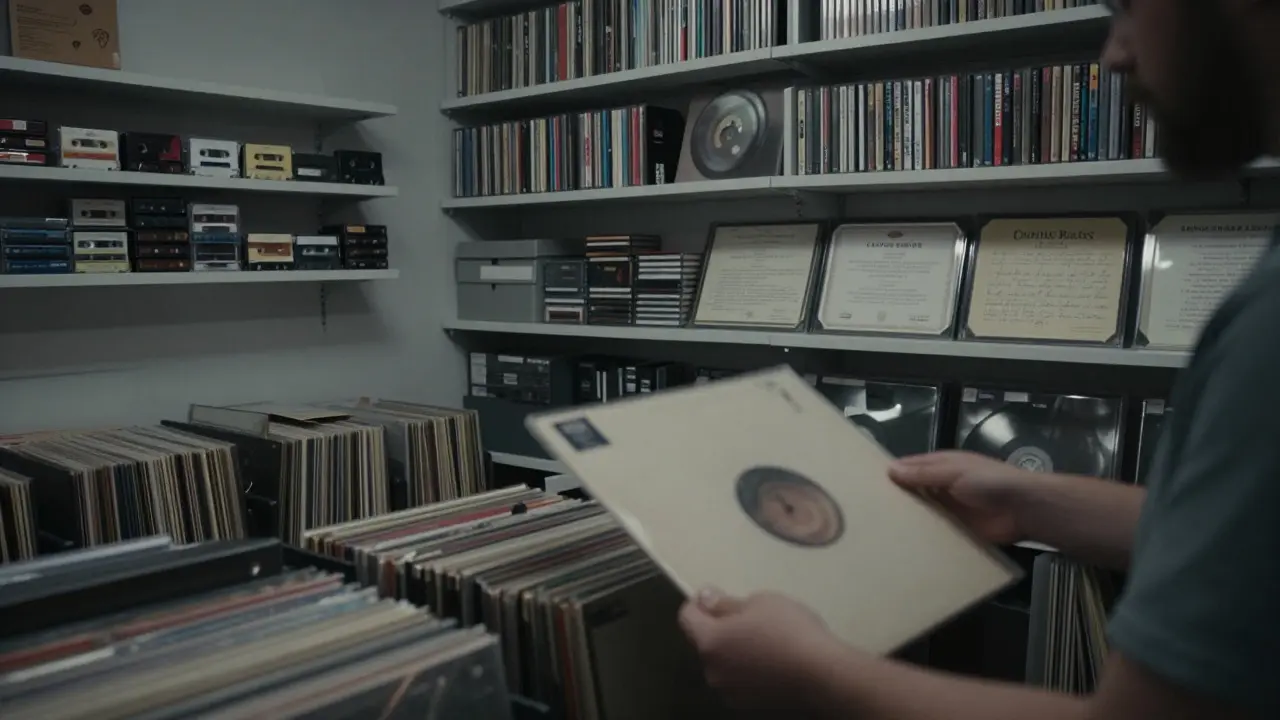
Once you acquire a rare demo or unreleased track, preserving it becomes critical. These items are often fragile. Early vinyl pressings may have thinner jackets or unstable media. Store your records in acid-free sleeves to prevent chemical degradation. Keep them away from direct sunlight and extreme temperatures, which can warp the vinyl or fade the sleeve art. For cassette-based demos, consider digitizing the audio using high-quality transfer equipment to create a backup, while keeping the physical tape stored in a cool, dry place.
Documentation is equally important. Keep track of where you bought each item, the condition upon arrival, and any provenance details. If a record came with a handwritten note from the artist or a certificate of authenticity, store that documentation with the item. This paper trail adds to the long-term value and helps verify authenticity for future buyers or archivists. Treating your collection with archival care ensures that these deep cuts remain accessible for generations to come.
Frequently Asked Questions
Are bootlegs worth collecting?
Yes, but with caution. High-quality bootlegs from reputable series can be valuable and historically interesting. However, because they are unauthorized, their value is less stable than official releases. Always check the audio quality and seller reputation before purchasing.
How can I verify if a demo is genuine?
Check for official catalog numbers, compare the artwork against known pressings, and look for consistent production details. Cross-referencing with discography databases or contacting the artist’s management can also help confirm authenticity.
What is the best way to store old vinyl demos?
Store them vertically in acid-free inner sleeves within protective outer jackets. Keep them in a climate-controlled environment, ideally between 65-75°F (18-24°C) with moderate humidity. Avoid stacking heavy objects on top of the records.
Do unreleased tracks affect an artist's official discography?
Generally, no. Official discographies list commercially released albums and singles. Unreleased material is usually categorized separately as "bootlegs," "archives," or "special editions." However, if an unreleased track is later officially released, it will be added to the main discography.
Is it better to buy digital copies of deep cuts?
Digital copies are convenient for listening but lack the tangible value of physical media. For collecting, physical formats (vinyl, CD, cassette) hold better resale value and offer a superior listening experience for purists. Digital is best for archiving audio data.