Imagine sending out a polished press release for your band's new EP only to get a cease-and-desist letter two days later. It happens more often than you'd think. The culprit? A single unlicensed sample, a misattributed lyric, or a photo of a venue that required a specific commercial license. In the music industry, clearance isn't just a bureaucratic hurdle; it's the difference between getting featured in a major publication and paying legal fees to fix a mistake.
You don't need a law degree to handle this, but you do need to know where the lines are drawn. This guide breaks down exactly what you can legally include in your music press materials without risking a lawsuit or a takedown notice from a distributor.
Understanding the Core Legal Frameworks
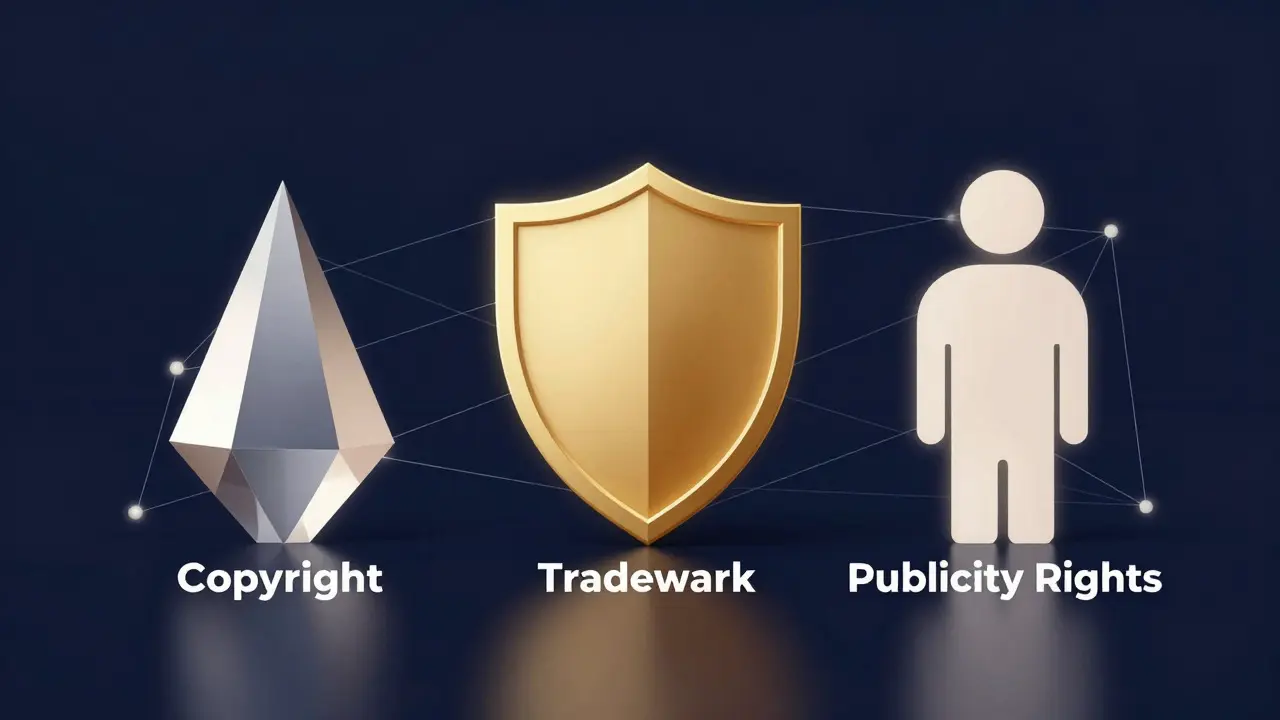
Before you start typing, you need to understand the three main pillars of intellectual property that affect your press kit. These aren't just abstract concepts; they directly dictate what assets you can use freely and which ones require permission.
- Copyright is the exclusive right granted to creators for their original works, including songs, lyrics, and album artwork. This covers your compositions and any third-party content you borrow.
- Trademark is a recognizable sign, design, or expression identifying products or services. This applies to band names, logos, and even specific slogans if they've been registered.
- Publicity Rights are legal rights allowing individuals to control the commercial use of their name, image, or likeness. This is crucial when featuring collaborators, photographers, or venues.
The biggest misconception among independent artists is that "fair use" is a blanket permission slip. It’s not. Fair use is a legal defense, not a right. Relying on it without a solid basis is like driving without insurance-you might get away with it, but one accident (or one angry lawyer) changes everything.
What You Can Use Without Permission
Not everything needs a contract. Here is what you can generally include in your press release safely:
- Your Own Original Work: If you wrote the song, composed the melody, and recorded the vocals, you own the master recording and the composition (assuming no co-writers). You can quote lyrics, share audio snippets, and display cover art freely.
- Factual Information: Facts aren't protected by copyright. Release dates, tour locations, genre descriptions, and biographical facts about the band are free to use.
- Public Domain Material: Works published before 1928 (in the US) or whose copyrights have expired are public domain. You can use old classical pieces or vintage photos that meet these criteria.
- Creative Commons Content: Many photographers and illustrators offer work under Creative Commons licenses. Just check the specific terms. CC0 requires no attribution, while CC-BY requires you to credit the creator.
A quick rule of thumb: If you created it, you can use it. If it's a fact, you can state it. If it's someone else's creative work, pause and verify the license.
The Danger Zones: Samples, Lyrics, and Imagery
This is where most press releases go wrong. Let's look at the high-risk areas.
Samples and Interpolations
If your track includes a sample from another artist, you need clearance for *both* the sound recording (the master) and the underlying composition (the sheet music). For a press release, you usually don't need to list every sample, but if you highlight a specific collaboration or reference a famous hook, ensure you have written permission to mention it in a promotional context. Some labels restrict how samples are discussed in marketing materials to avoid implying an official partnership that doesn't exist.
Lyric Excerpts
Quoting a few lines of your own song is fine. But if you're quoting a poem, a book, or another artist's work, keep it short. While there's no strict word limit for fair use, courts look at the "heart of the work." Quoting the chorus of a hit song is riskier than quoting a minor bridge line. Always attribute the source clearly.
Photography and Video
Did you hire a photographer for your promo shoot? Check the contract. Did they retain the rights to use the images for their portfolio? Do you have a model release for everyone in the shot? If you used a stock photo, did you buy the "editorial" license or the "commercial" license? Editorial licenses often prohibit using images in ways that imply endorsement or sell a product-exactly what a press release does. When in doubt, ask for a written waiver or stick to images you fully own.
Navigating Third-Party Collaborations
Collaborations add complexity. If you feature a guest vocalist, a producer, or a remix artist, you need to clarify who owns what portion of the work.
| Scenario | Risk Level | Action Required |
|---|---|---|
| Guest Vocalist on Track | Medium | Verify split sheet exists; confirm right to credit them publicly. |
| Remix of Your Song | Low | Ensure remixer has permission to distribute; credit original writer. |
| Sample from Old Record | High | Obtain sync/master license; avoid mentioning sample unless cleared for promo. |
| Photo of Band Member | Low | Get signed model release if used for commercial gain. |
Always maintain a digital folder called "Rights & Clearances." Store PDFs of contracts, split sheets, and email confirmations here. If a journalist asks, "Who owns the master?" or "Do you have permission to use this photo?", you want to answer instantly, not dig through old emails at midnight.
Best Practices for a Compliant Press Release
You don't need to be paranoid, but you should be diligent. Follow these steps to minimize risk:
- Keep Descriptions Factual: Instead of saying "The best-sounding guitar riff ever," say "Features a distinctive 1970s-inspired guitar tone." Subjective claims are rarely sued over, but factual inaccuracies can lead to defamation claims.
- Credit Everyone: List all writers, producers, and engineers. Missing a co-writer on a split sheet can lead to internal disputes that spill into public relations.
- Use High-Quality, Licensed Assets: Don't grab a random screenshot from a streaming service for your cover art. Use the official artwork provided by your distributor or label. It’s already cleared for use.
- Check Venue Licenses: If you’re announcing a show, don’t use the venue’s logo as your header image without checking their brand guidelines. Most venues have specific rules about how their name and logo can be displayed.
- Document Everything: If you got verbal permission from a collaborator to use their name, follow up with an email: "Just confirming we have your okay to credit you on the upcoming press release for [Song Title]." That email is your shield.
Remember, journalists and editors are also cautious. If they see a messy, unclearly credited press release, they might skip it entirely. Clean, compliant content looks professional and trustworthy.
Common Mistakes to Avoid
Even experienced PR managers make these errors. Watch out for them:
- Assuming Social Media Posts Are Public Domain: If you post a photo on Instagram, you didn't give up copyright. But if you used a fan's photo without permission, you still need their consent for commercial press use.
- Misusing Trademarks: Using "Spotify" or "Apple Music" logos in your press release header can be tricky. Stick to text mentions unless you have a partnership agreement allowing logo usage.
- Ignoring Moral Rights: In some countries, artists have moral rights to object to derogatory treatment of their work. Ensure your description respects the intent of the piece, especially for collaborative works.
When to Call a Lawyer
Most independent artists never need a lawyer for a standard press release. However, consider consulting one if:
- You are releasing a compilation album with tracks from multiple unrelated artists.
- You are using a significant sample (more than a few seconds) from a well-known record.
- You are entering a licensing deal for a sync placement (TV/Film) and the press release needs to align with that contract.
- You receive a cease-and-desist letter. Don't panic, but don't ignore it either.
A brief consultation can save you thousands in potential litigation costs. Many entertainment lawyers offer flat-fee reviews for indie artists, making it an affordable safety net.
Frequently Asked Questions
Do I need permission to quote my own lyrics in a press release?
No, if you are the sole songwriter, you own the copyright to the lyrics. You can quote as much as you like. If there are co-writers, it is polite and safer to credit them all, though technically you likely have the right to promote the work if you are part of the writing team.
Can I use a screenshot from YouTube as album art in my press kit?
Technically, yes, because it's your video. However, it looks unprofessional. Screenshots often have watermarks or low resolution. Use the high-resolution JPEG or PNG file provided by your distributor or label for the cleanest look and best impression.
What is the difference between editorial and commercial image licenses?
Editorial licenses allow you to use an image to report on news or events. They usually prohibit using the image in ways that imply endorsement or sell a product. Commercial licenses allow broader use, including advertising. Since a press release promotes your music, it leans toward commercial use, so check your stock photo license carefully.
Do I need a model release for a photo of my bandmate?
For personal use or non-commercial social media, usually no. For a press release that leads to commercial gain (ticket sales, record sales), it is best practice to have a simple signed model release from each person depicted. It protects both parties.
How long do I need to keep my clearance documents?
Keep them for the life of the copyright plus seven years. In practice, keep them forever in a cloud folder. Songs often remain in rotation for decades, and disputes can arise long after release. Having the paper trail ready makes resolving any issues much faster.