Quick Takeaways
- Prioritize 'vibe' over perfection by keeping first or second takes.
- Use a hybrid of analog saturation and digital precision to get warmth without mud.
- Focus the mix on the interaction between the vocal and the lead guitar.
- Avoid over-quantizing drums; let the 'pocket' breathe naturally.
The Core Philosophy: Capturing the Ache
Blues is about tension and release. If you polish a blues track too much, you strip away the very thing that makes it work: the human error. When we stepped into the studio for contemporary blues production the process of blending traditional delta or chicago blues elements with modern recording technology and song structures, the first rule was to stop chasing a perfect grid. In 'Maybe You Will Someday,' the drums are slightly behind the beat. This 'lazy' feel creates a sense of longing and heaviness that matches the lyrics.
We avoided using a click track for the primary rhythm section. Instead, the drummer played to the vocalist, allowing the tempo to swell and contract. This organic movement is what separates a soulful record from something that sounds like it was programmed in a bedroom. If you're recording your own project, try recording the basic track live in one room. The bleed between microphones isn't a mistake; it's the glue that makes a band sound like a unit rather than a collection of isolated files.
Building the Sonic Foundation
The low end in a blues single needs to be sturdy but not overwhelming. For this track, we used a Precision Bass a high-end electric bass known for its clarity and punchy low-mid response routed through a tube preamp to get a thick, round tone. The trick was to roll off the extreme highs to keep the bass from competing with the snap of the snare drum.
The drums were captured using a minimal mic setup. A heavy-duty dynamic mic on the kick and a ribbon mic overhead captured the natural air of the room. Using a ribbon mic is essential here because it smooths out the harsh transients of the cymbals, giving the kit a vintage, smoky quality. We didn't use heavy compression on the way in; we wanted the natural dynamics of the drummer's touch to remain intact, from the ghost notes on the snare to the heavy crash of the finale.
| Instrument | Microphone/DI | Preamp/Processing | Key Attribute |
|---|---|---|---|
| Lead Guitar | SM57 + Ribbon 121 | Tube Saturation | Mid-range grit |
| Vocals | Large Diaphragm Condenser | Optical Compressor | Intimate presence |
| Bass | Direct Box (DI) | Low-pass Filter | Warm thump |
| Drums | Ribbon Overhead | Natural Room Reverb | Open air feel |
Dialing in the Blues Guitar Tone
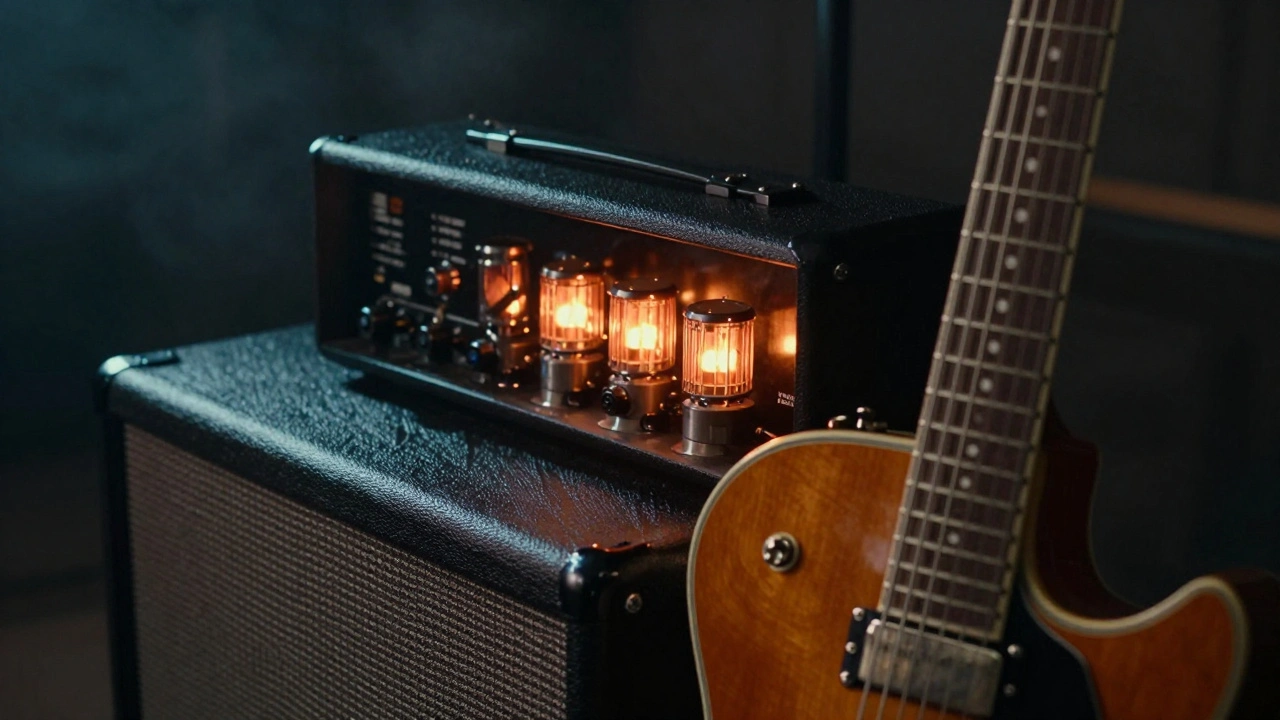
The guitar is the voice of the song. For 'Maybe You Will Someday,' we wanted a tone that sounded like it was fighting to stay in the room. We used a Semi-Hollow Body Guitar an electric guitar with a partially hollow center, providing a mix of solid-body sustain and acoustic resonance plugged into a small tube amp pushed to the brink of breakup. The key is the 'edge of breakup'-where the signal is clean if you play softly but distorts if you dig in.
To add depth, we layered the main line with a subtle amount of Spring Reverb a classic reverb effect created by vibrating a metal spring, common in vintage amplifiers. This gives the guitar a three-dimensional quality, making it sound like it's being played in a damp basement or a small club. We avoided digital delays, as they often sound too precise and 'modern' for this style. The goal was to create a sound that feels like a physical object in a real space.
Vocal Production: Intimacy Over Power
In many modern genres, vocals are pushed to the front and compressed until they are perfectly flat. For a contemporary blues single, that's a mistake. The vocals on 'Maybe You Will Someday' needed to feel like a conversation. We used a Large Diaphragm Condenser Microphone a sensitive microphone used in studios to capture a full frequency range and detailed transients and placed the singer very close to the capsule. This emphasizes the 'proximity effect,' boosting the low frequencies of the voice and making the performance feel intimate and breathy.
During the mixing phase, we used a LA-2A Optical Compressor a legendary hardware compressor known for its slow attack and smooth, musical leveling. Unlike a fast FET compressor that squashes the signal, the LA-2A gently hugs the vocal, keeping it consistent without killing the emotional peaks and valleys of the performance. We kept the pops and occasional breath sounds in the recording because they remind the listener that a real person is suffering through the song.
The Mix and Master: Balancing Grit and Clarity
Mixing a blues track is a balancing act. You want the dirt, but you can't have mud. The biggest challenge in 'Maybe You Will Someday' was the relationship between the lead guitar and the vocal. Since both occupy the same mid-range frequency space, we used dynamic EQ to carve out a small hole in the guitar every time the singer performed a line. This ensures the lyrics are intelligible without making the guitar sound thin.
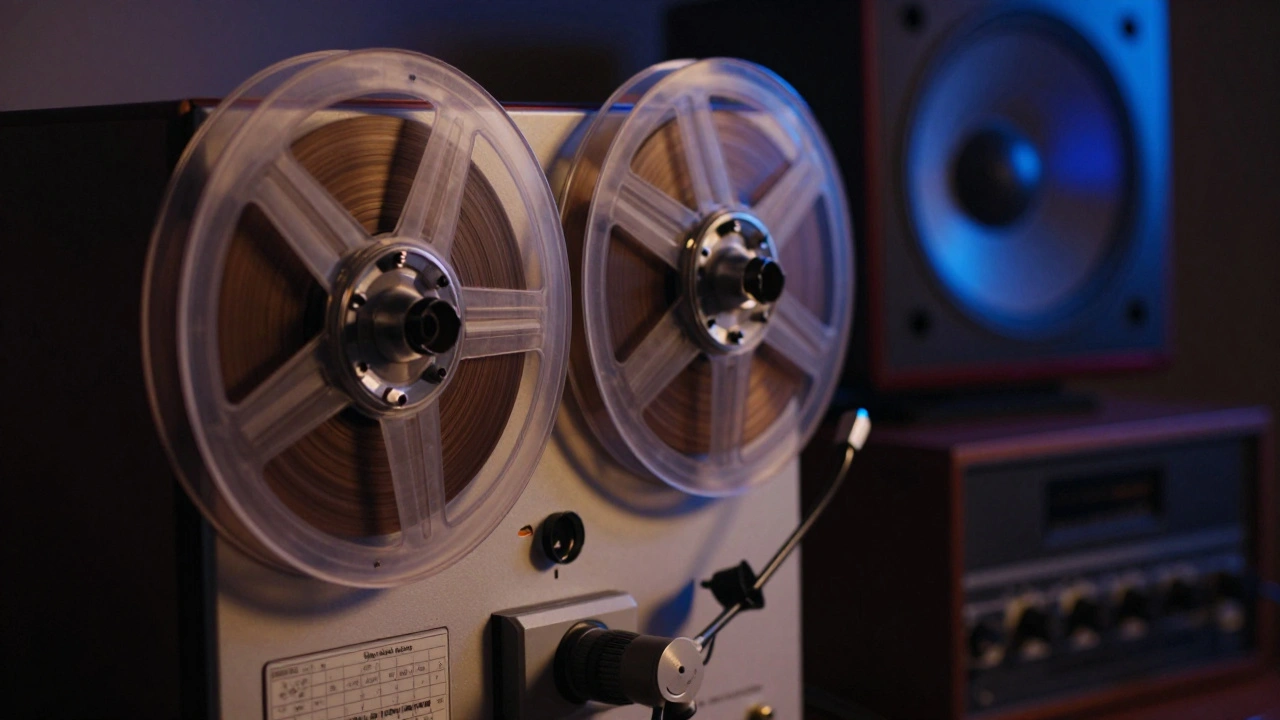
For the final master, we avoided the 'loudness war.' Pushing a blues track to 0dB with heavy limiting ruins the dynamics. Instead, we targeted a more conservative LUFS level, allowing the crescendos to actually feel louder than the verses. We applied a touch of Tape Saturation the harmonic distortion introduced by recording audio to magnetic tape, adding warmth and natural compression across the master bus. This glues the digital tracks together, rounding off the sharp edges and giving the whole single a cohesive, analog warmth.
Avoiding Common Production Pitfalls
One of the biggest mistakes in modern blues recording is over-editing. It's tempting to use Melodyne a professional pitch correction software used to tune vocals and instruments to fix every slightly flat note. In blues, those 'blue notes'-the ones that sit between the cracks of the scale-are where the emotion lives. If you tune them to the nearest semi-tone, you kill the soul of the song.
Another trap is using too many tracks. A common trend in modern production is to stack ten layers of backing vocals or four different guitar parts. 'Maybe You Will Someday' stays lean. It's just the core band and a few strategic accents. By leaving space in the arrangement, the few notes that *are* played carry much more weight. Remember: in blues, the silence between the notes is just as important as the notes themselves.
Why use a ribbon mic instead of a condenser for drums?
Ribbon microphones have a naturally darker sound and a 'figure-8' pickup pattern. In a blues context, this helps tame the harsh, high-frequency 'shimmer' of modern cymbals, making the drum kit sound more like the vintage recordings of the 50s and 60s while still capturing the air of the room.
How do I achieve 'edge of breakup' guitar tone?
The key is to set your amplifier's gain so that if you pluck the string lightly, it sounds clean, but if you hit it hard, it distorts. This allows you to control the amount of grit using only your picking hand, which adds an incredible amount of expression to your playing.
Does a blues track always need to be recorded without a click?
Not always, but it's recommended for the rhythm section. Recording live allows the musicians to react to each other's energy. If you must use a click, try a 'flexible' or 'adaptive' click that follows the conductor or the lead singer to avoid a mechanical, robotic feel.
What is the best way to record intimate blues vocals?
Use a large-diaphragm condenser microphone and get the singer close to the mic (within 3-6 inches). This utilizes the proximity effect to boost the low-end of the voice. Use a slow optical compressor like an LA-2A to smooth out the levels without destroying the natural dynamics.
How can I make a digital mix sound more 'analog'?
Use tape saturation plugins on your master bus to introduce harmonic distortion. Avoid overly precise digital EQ cuts; instead, use broad shelves to shape the tone. Finally, avoid over-compressing the final master to preserve the natural breathing of the music.
Next Steps for Your Production
If you're currently tracking a project and it feels too 'stiff,' try recording one take where you intentionally ignore the mistakes. Often, the take with the most 'errors' is the one that feels the most honest and emotionally resonant. If you're in the mixing phase and the guitar is masking the vocals, experiment with a side-chain compressor on the guitar track, keyed to the vocal. This creates a subtle dip in the guitar volume only when the singer is active, leaving the rest of the performance loud and proud.