Quick Guide to the Circuit
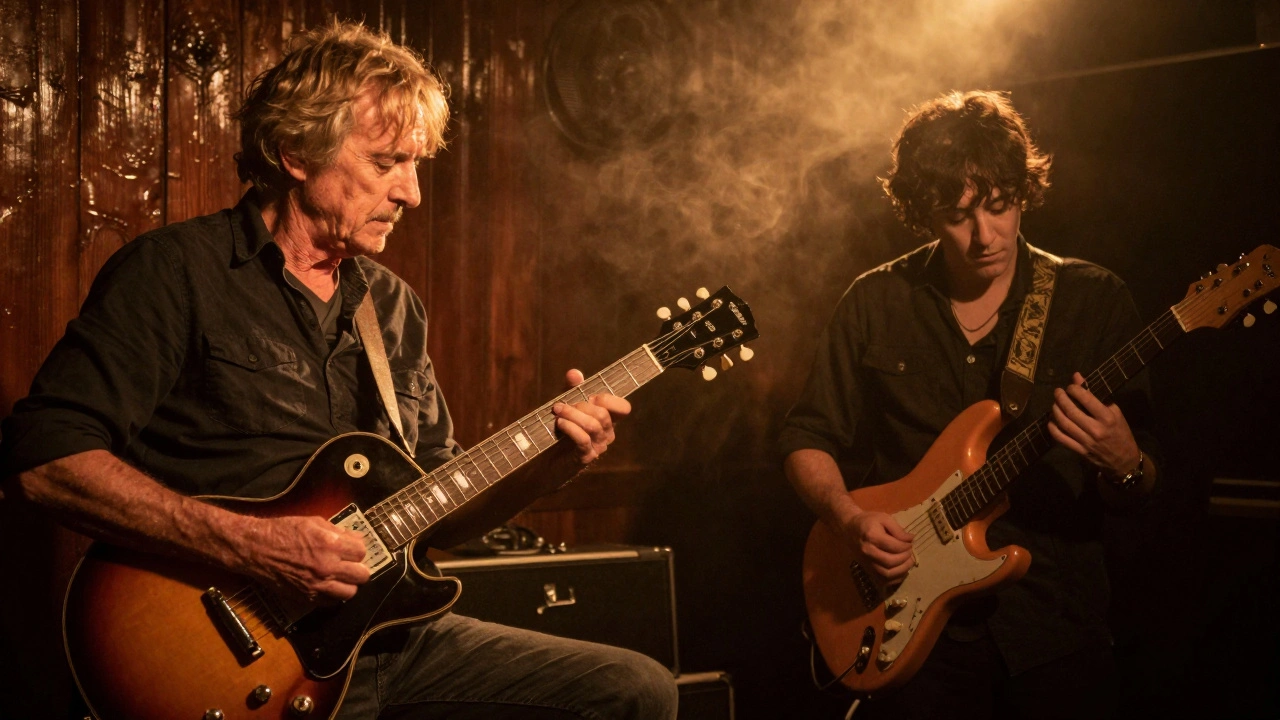
- The Venues: Small, intimate clubs that act as the primary proving grounds for local artists.
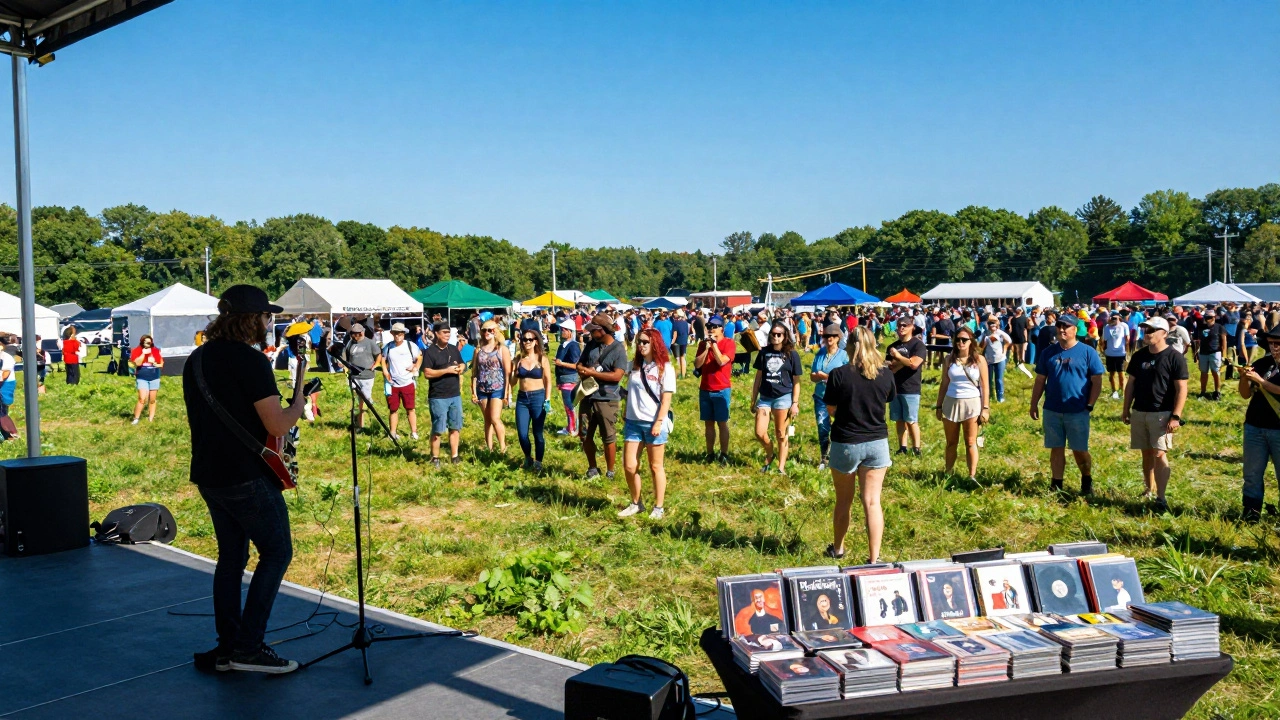
- The Festivals: Seasonal gatherings that bring international headliners to regional crowds.
- The Airwaves: Community-run radio stations that break new artists and preserve the history.
- The Vibe: A mix of urban grit and rural soul, blending traditional Chicago styles with modern East Coast influences.
The Soul of the City: Essential Blues Clubs
To understand the Northeast Blues Circuit, you have to start in the basements and back-alley bars. These aren't fancy concert halls; they're places where the stage is five inches off the floor and you can see the sweat on the drummer's brow. In Philadelphia, the scene revolves around venues that blend jazz and blues, creating a hybrid sound that's uniquely "Philly." These clubs operate on a symbiotic relationship with the musicians. The club provides the amplifier and a cold beer; the musician provides the soul. This isn't about ticket sales as much as it is about the "jam session" culture. You'll often find a seasoned pro from the 1970s sharing a stage with a 22-year-old who just learned how to bend a string. Moving up to New York City, the scene is more fragmented but equally intense. While the big names play the theaters, the real magic happens in the smaller rooms of Harlem and Brooklyn. Here, the influence of Jump Blues-a high-energy, horn-driven style-is still felt. The clubs in NYC act as a transit hub, where musicians touring from the South stop over to trade riffs before heading north to New England.The Big Stage: Festivals that Define the Region
If the clubs are the bloodstream, the festivals are the heartbeats. These events turn small towns into meccas for a weekend, bringing in thousands of fans who travel hundreds of miles for a specific guitar tone. One of the most critical elements of these festivals is the "Blues Challenge" or talent showcase. Unlike a standard concert, these festivals often dedicate a stage to unsigned local acts. This creates a meritocracy where a guitarist from a small town in Massachusetts can get noticed by a label scout or a legendary producer.| Event Type | Primary Goal | Atmosphere | Typical Scale |
|---|---|---|---|
| Urban Club Night | Artist Development | Intimate, Gritty | 50-200 people |
| County Blues Fest | Community Celebration | Family-friendly, Outdoor | 1,000-5,000 people |
| International Summit | Genre Preservation | Professional, High-Production | 10,000+ people |
Keeping the Flame: The Power of Community Radio
You can't talk about the Northeast circuit without talking about the radio. While corporate stations have moved toward homogenized playlists, the Northeast is a stronghold for Community Radio. These stations are often run by volunteers-passionate collectors and former musicians who treat the airwaves like a museum. These DJs don't just play songs; they tell stories. They'll play a rare 45rpm record from 1954 and spend ten minutes explaining how the artist's migration from Mississippi to New Jersey changed the sound of the track. This historical context is what keeps the genre from becoming a caricature. Radio support in the Northeast acts as a bridge. When a local artist releases an album, the community radio DJ is the one who gives it the first spin. This airplay then translates into bookings at the clubs, which in turn leads to a spot at the summer festivals. It's a closed-loop system that allows the music to evolve without losing its roots.The Geography of Sound: State-by-State Influence
Each state in the circuit adds a different flavor to the music. In New Jersey, there's a strong connection to the industrial sounds of the coast, leading to a heavier, more distorted blues style. The music here feels like the factories-loud, metallic, and hardworking. Massachusetts and Connecticut bring a different energy. There's a leaning toward Electric Blues that often blends with rock and roll. You'll hear a lot more overdrive and sustain in the New England clubs. This is partly due to the influence of the college towns, where students integrate blues with the psychedelic sounds of the 60s and 70s. Maryland and Virginia provide the anchor to the South. Here, the music leans closer to the acoustic traditions. You'll find more slide guitar and a stronger emphasis on the vocal storytelling. The transition from the "City Blues" of the north to the "Country Blues" of the mid-Atlantic is a fascinating sonic shift that happens over just a few hundred miles of highway.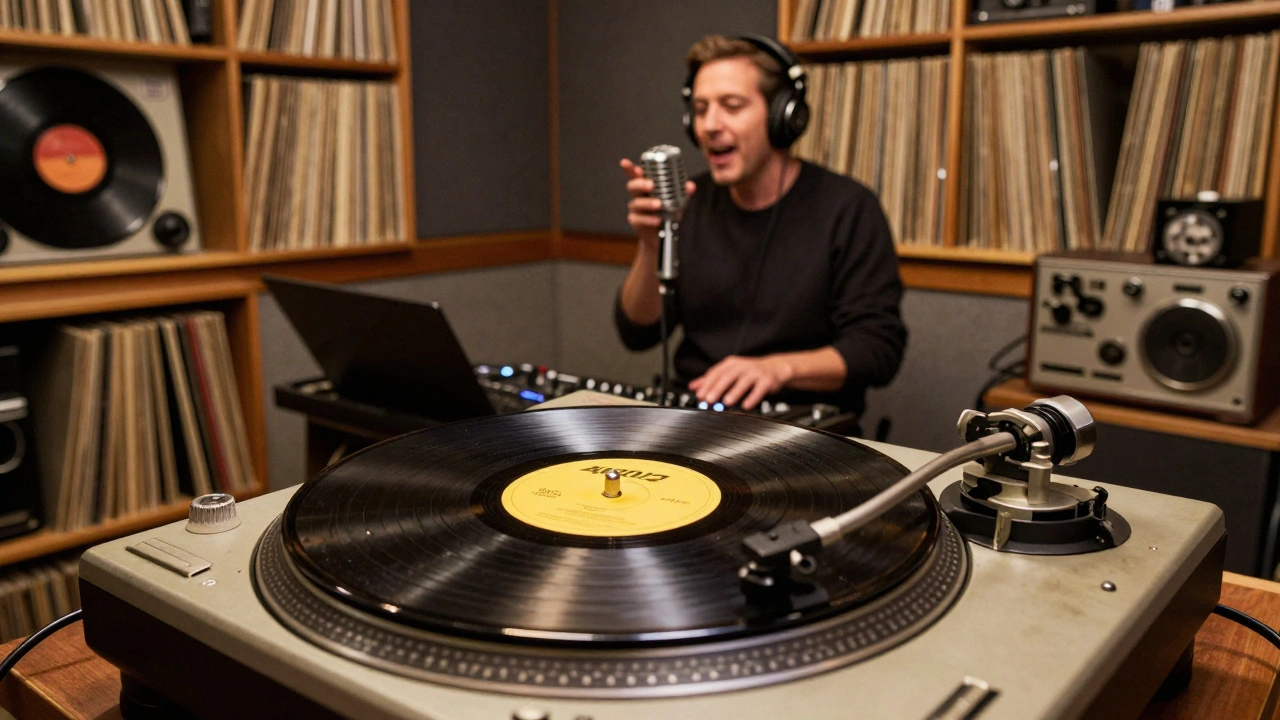
Navigating the Circuit: Tips for the Modern Blues Hunter
If you're planning to tour this circuit, don't rely on a Google search. The best shows are often announced on a handwritten chalkboard outside a bar or via a Facebook group with 200 members. First, look for "Blues Societies." Most major cities in the Northeast have a dedicated organization that keeps a calendar of events. These societies are the gatekeepers of the scene. If you join their mailing list, you'll find the hidden gems-the house concerts and the pop-up jams that never make it to the mainstream press. Second, embrace the "Open Mic" night. In the blues world, the open mic isn't just for amateurs. It's where the pros go to stretch their legs. You might find a world-class harmonica player just playing for fun on a Tuesday night at a dive bar in Providence. Finally, talk to the sound engineers. The people behind the mixing boards in these clubs know every player in the region. If you ask them who's playing the most exciting set right now, they'll give you a list of names that you won't find on any "Top 10" chart. They hear the talent in its rawest form and can point you toward the next big thing long before the festivals pick them up.The Future of the Northeast Sound
The circuit is currently facing a weird paradox. On one hand, real estate prices in cities like Boston and New York are killing the small clubs. When a rent-controlled basement becomes a luxury condo, the blues lose a home. On the other hand, there's a surge of interest from younger generations who are tired of the sterile nature of digital music. They want the distortion, the mistakes, and the raw emotion of a live performance. To survive, the circuit is adapting. We're seeing more "destination" events-weekender festivals in rural areas where fans camp out and spend three days immersed in the music. There's also a rise in digital archives, where community radio stations are digitizing their old tapes to create a permanent record of the regional sound. As long as there's a need to express frustration, longing, and joy, there will be a place for the blues in the Northeast. It's not about the polished production; it's about the truth. Whether it's in a crowded club in Philly or a sunny field in Maine, the circuit continues to pulse with a sound that is timeless and unapologetically human.What is the best time of year to visit the Northeast Blues Circuit?
The peak season is from June through September. This is when the major outdoor festivals take place across New England and the Mid-Atlantic. However, the winter months (December to February) are actually the best time for club-hopping, as the music moves indoors and the jam sessions become more frequent and intense.
How do I find small, authentic blues clubs that aren't tourist traps?
Avoid the high-traffic areas of the city centers. Instead, look for "Blues Societies" in the specific city you are visiting. These member-run organizations usually maintain a calendar of authentic venues. Also, follow local community radio DJs on social media; they often post about the small, under-the-radar gigs they attend.
Is the Northeast Blues Circuit mostly traditional, or is there modern influence?
It's a mix. While you'll find purists playing Delta and Chicago style, the Northeast is known for blending the blues with rock, jazz, and even funk. In urban centers like NYC and Philly, there's a strong trend toward "Modern Blues," which incorporates contemporary songwriting and heavier amplification while keeping the emotional core of the genre.
Do I need to buy tickets in advance for these venues?
For smaller clubs, you can usually just walk in and pay a cover charge at the door. However, for the larger regional festivals, tickets almost always sell out in advance. If you're targeting a specific headliner at a festival, buy your passes early. For club nights, the "walk-in" approach is more authentic and allows you to pivot based on who sounds best from the street.
How does community radio help local blues artists?
Community radio acts as the primary discovery engine for local talent. Because these stations aren't beholden to corporate playlists, they can play a local artist's demo or a self-produced album. This exposure leads to increased visibility, helping artists secure bookings at clubs and festivals, and provides a platform for preserving the regional history of the music.