You know that moment when a song hits you right in the chest? That feeling isn't just vibration; it's memory. It's the echo of church choirs meeting street corners. When we talk about Gospel Blues is a musical genre blending the spiritual fervor of African American religious songs with the rhythmic storytelling of traditional blues. It emerged largely from the Deep South, carrying the weight of centuries.
This style sits in a unique space. You have the sanctity of the pulpit mixed with the grit of survival. If you listen closely, the lyrics aren't just about heartbreak. They are heavy with scripture. We aren't just humming tunes here; we are witnessing theology in action.
The Roots of Sacred Sound
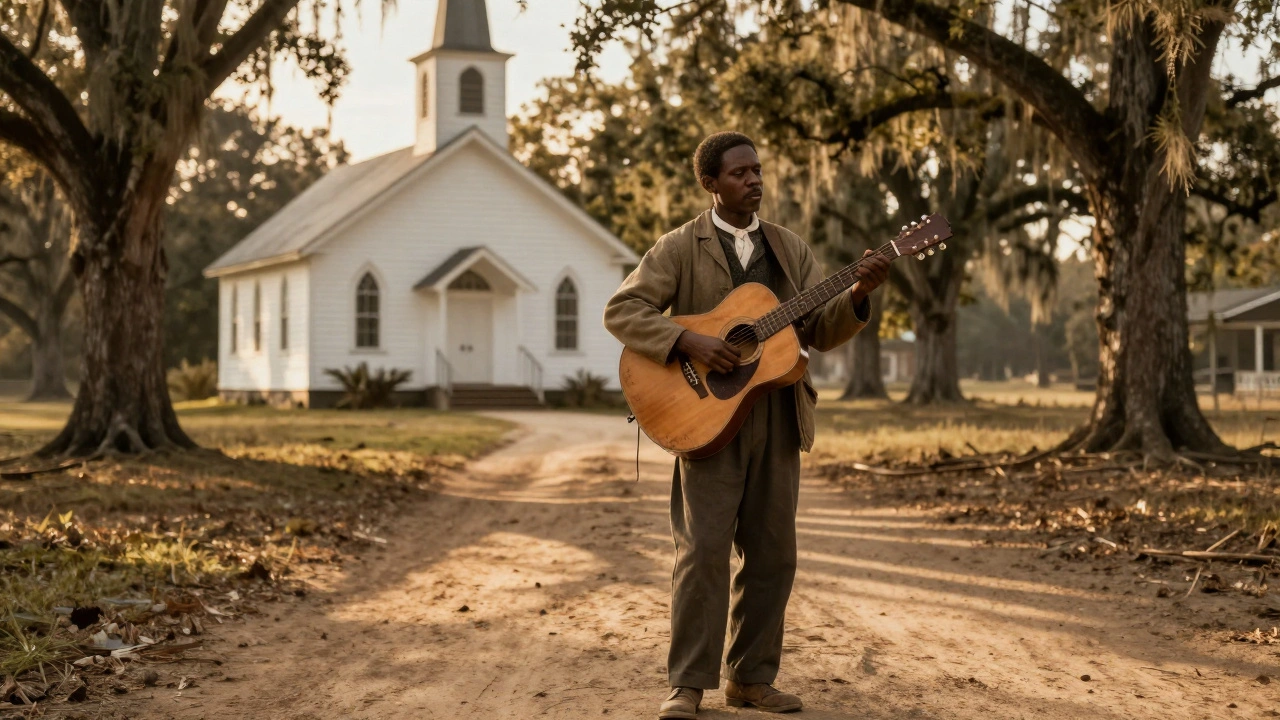
To understand the lyrics, we need to look at the soil they grew from. In the late 19th century, the church was the center of community life for many African Americans. After slavery, freedom meant gathering, but it also meant working hard under difficult conditions. The Great Migration was the movement of millions of African Americans from the rural South to urban centers in the North, Midwest, and West. As people moved, they took their faith with them.
However, city life brought different challenges. Factory work replaced farm work. Loneliness crept in. The blues gave people a way to express pain without losing hope. But they didn't invent new gods. They kept the old ones. The language remained biblical because the Bible was the primary text available to many people in the early 1900s. Even those who couldn't read knew the stories by heart through sermons.
So when an artist picked up a guitar, they weren't writing poetry in a vacuum. They were referencing a shared library of images. A "river" wasn't just water; it was the Jordan. A "crossroad" wasn't just pavement; it was a choice between two paths. This shared understanding allowed audiences to connect instantly. If you heard the word "deliverance," you knew exactly what kind of relief was being sung about.
Common Biblical Themes in Lyrics
When you analyze the texts, patterns jump out immediately. There is a heavy reliance on The Old Testament focuses primarily on narrative history, law, and prophecy which includes many stories of suffering and redemption relevant to the genre. Stories from Exodus and Daniel appear frequently. Why? Because these stories deal with captivity and liberation.
- Moses and Pharaoh: Many songs describe the singer as someone trapped, waiting for a leader to part the waters. This mirrors the story of the Israelites leaving Egypt. It turns personal suffering into a grand, epic struggle.
- Job: Suffering without clear reason is a big theme. Like Job, the blues singer often loses everything but asks God why. It validates the feeling of abandonment while keeping the dialogue open with the divine.
- The Prodigal Son: Returning home after making mistakes. This is pure forgiveness. It suggests that no matter how far you drift into sin or poverty, there is a path back to grace.
These aren't random choices. They reflect the lived reality of the audience. If you are struggling to make rent, stories about surviving famine resonate more than abstract parables. The lyrics serve as a form of public confession and communal support.
Symbols of Deliverance and Danger
Symbols do heavy lifting in Biblical Imagery acts as visual and metaphorical tools in literature and music to convey deeper spiritual meanings beyond the literal words. In this genre, nature is rarely neutral. Trees, roads, water, and light carry specific theological weight.
| Symbol | Biblical Reference | Meaning in Context |
|---|---|---|
| Jordan River | Crossing the Red Sea | Passage from slavery to freedom or death to eternal life |
| Darkness/Morning | Genesis Creation Story | Pain followed by hope and clarity |
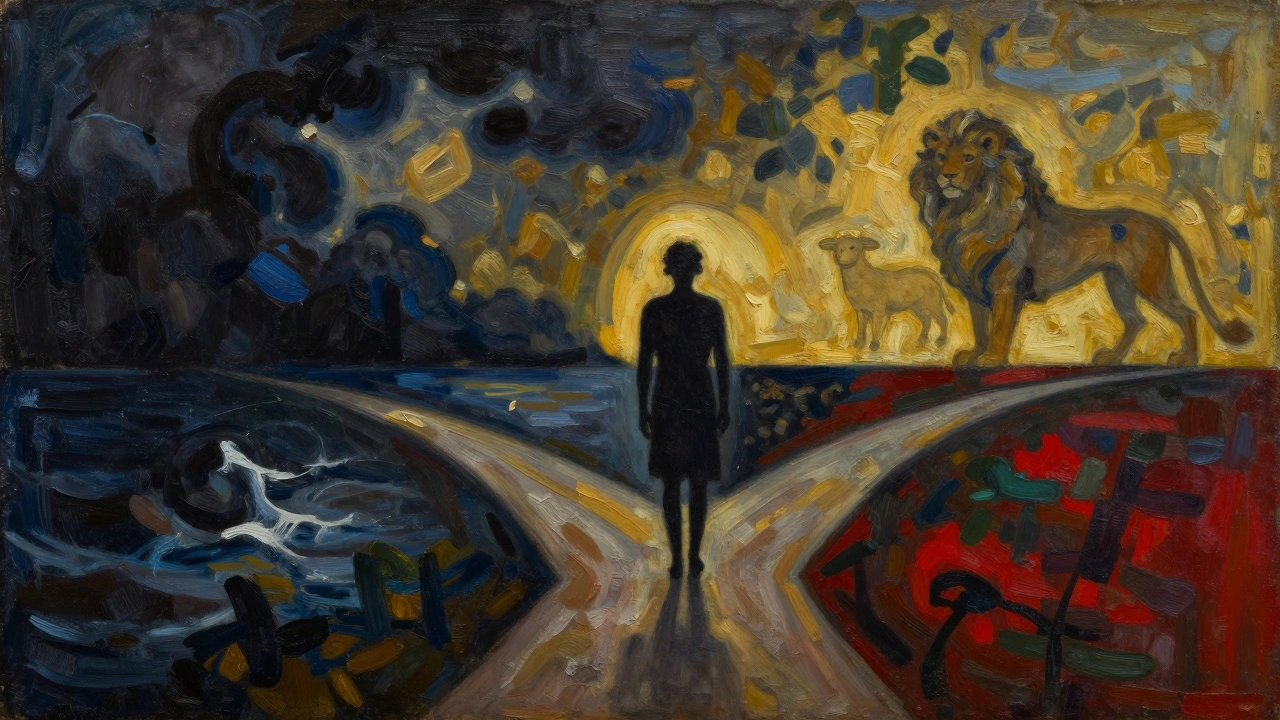
| Crossroads | The Garden of Eden / Gethsemane | A moment of ultimate decision or temptation |
| Lion/Lamb | Book of Revelation | Power versus sacrifice; strength versus gentleness |
Consider the river. In many songs, water represents both the place of danger and the place of salvation. It's where you might drown, but it's also the only way to cross over to the other side. This duality captures the essence of the human experience: every risk holds the potential for reward. The music often mimics this with rising and falling melodic lines, pushing the listener toward resolution.
The devil is another frequent figure. In secular blues, he is often a romantic partner or a force of chaos. In gospel-tinged blues, he becomes the adversary to be outwitted or overcome. This aligns with the belief that evil is real but not all-powerful. The singer sings to assert victory before they even win it. It is a verbal act of faith.
Case Study: Son House and Preaching
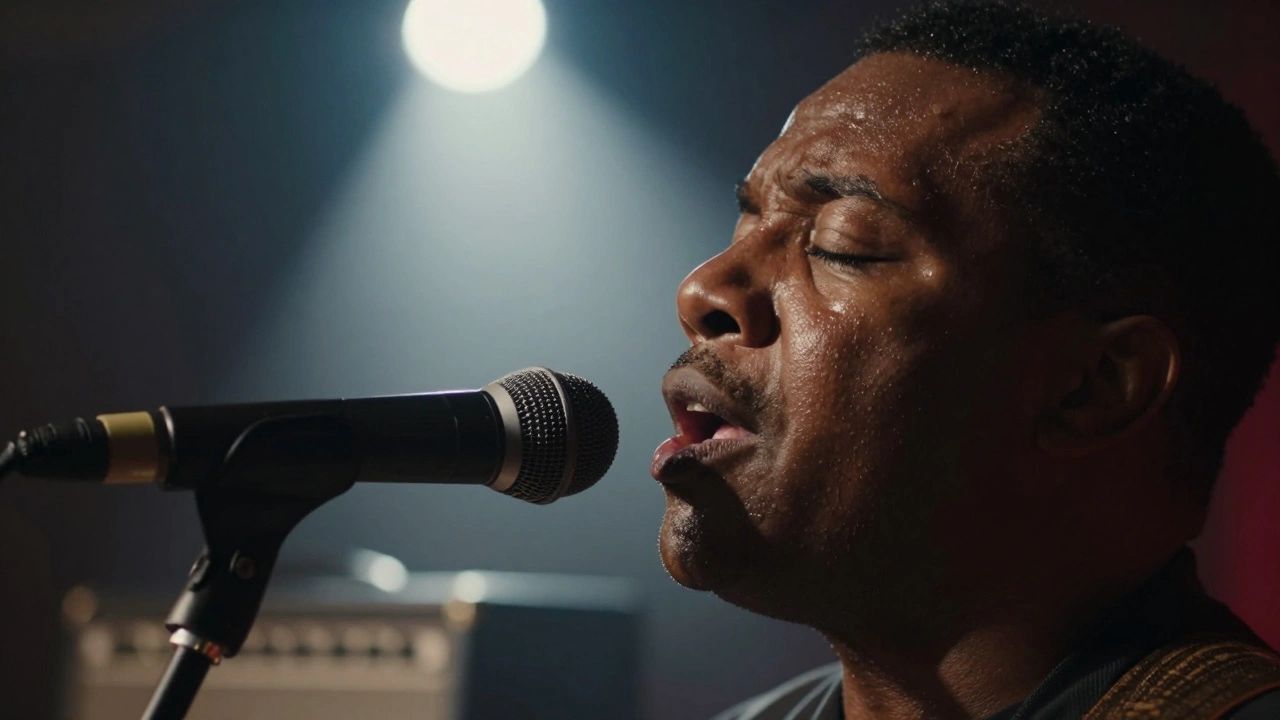
We cannot talk about this genre without mentioning Son House was an influential Mississippi Delta blues musician known for his intense vocal delivery and powerful slide guitar playing. His track "Preachin' the Lord" showcases how seamlessly the line blurs. House started as a minister before turning to the stage. He understood that the rhythm of a sermon and the rhythm of a guitar solo are cousins. They both aim to move the spirit.
When you listen to his vocal runs, they mimic the cadence of a sermon. He stretches syllables, he pauses for effect, he shouts for emphasis. This technique comes directly from the Baptist tradition of extemporaneous preaching. The lyrics tell us he sees himself as a messenger. Even when singing about worldly troubles, he frames them through a spiritual lens. He isn't asking for pity; he is bearing witness.
This style contrasts sharply with the smooth, polished production of modern Christian rock. It feels raw. It feels like dirt on your hands. That authenticity makes the theology land harder. It isn't academic. It is experiential.
Modern Relevance of Ancient Textures
Why does this matter in 2026? Because the struggles haven't changed much. People still face hardship. They still seek meaning. While the radio plays pop beats, the hunger for depth remains. Many contemporary artists draw from this well without labeling themselves Gospel musicians.
Artists like Hozier or Kendrick Lamar often use similar imagery. They borrow the vocabulary of the church to speak to modern issues. Understanding the original roots helps us appreciate these later references. It shows us that the conversation started decades ago.
Furthermore, preserving this history honors the resilience of the communities that created it. These songs are archives of survival. They tell us how people found joy when joy was scarce. They remind us that creativity often blooms in the cracks of oppression. By studying the lyrics, we study the survival strategies of our ancestors.
Conclusion on Theological Expression
There is a beauty in realizing that the blues is not always a rejection of faith. Often, it is the most intimate conversation with God you can imagine. The singers don't hide their doubts; they lay them bare. This honesty creates a safe space for the listener. You realize you are not alone in your questioning.
The imagery of the Bible provides a vocabulary that is rich and varied. It allows for nuance. You can talk about anger, desire, fear, and love using ancient metaphors. When a singer mentions walking through fire, everyone knows it means surviving a crisis. When they sing about a highway, everyone understands it as a journey with purpose.
So, next time you hear an old record crackle, listen past the noise. Listen for the verses. You might find a lesson that fits your own life perfectly.
Frequently Asked Questions
What defines the difference between Gospel and Gospel Blues?
Gospel music focuses strictly on praise and worship with harmonious vocals. Gospel Blues incorporates the rhythm, instrumentation, and themes of personal struggle found in secular blues while retaining religious messages.
Did blues musicians generally come from religious families?
Yes, almost universally. Most blues artists grew up in households where church attendance was mandatory, so they internalized biblical language regardless of their adult lifestyle choices.
Are there specific songs that highlight these themes best?
Songs like "Walls Can Talk" or "Preachin' the Lord" by Son House are excellent examples. They explicitly mention biblical events and figures without ambiguity.
How did segregation influence the development of this genre?
Segregation limited opportunities for entertainment outside the home and community. The church and the house became primary spaces for performance, fostering a close link between music and spirituality.
Can I find these recordings easily online today?
Many classic recordings are available on streaming platforms. Archives like the Library of Congress also hold digitized versions of historic field recordings from the era.