Quick Wins for Fan Engagement
- Instant Feedback: Use polls to let fans pick the next single or tour shirt design.
- Humanization: Q&A sessions break the "untouchable artist" wall.
- Co-Creation: Live requests make fans feel like they're part of the arrangement.
- Consistency: A weekly interaction ritual beats a random viral post.
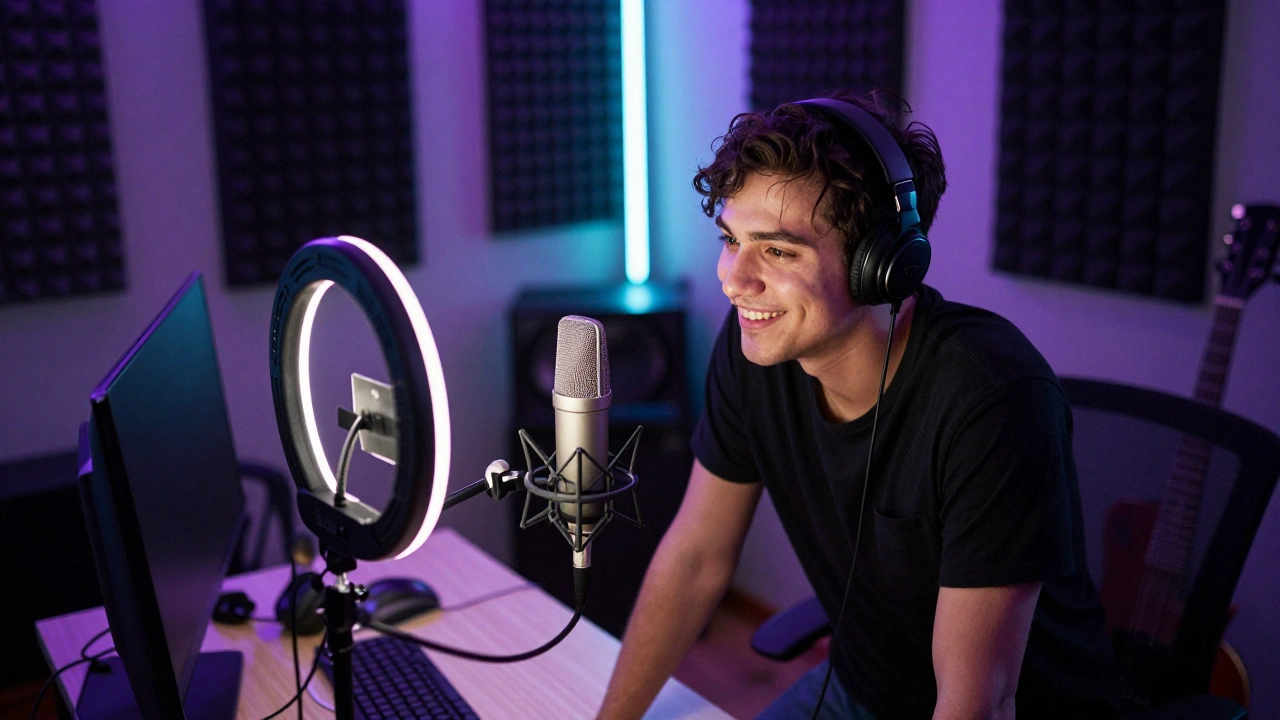
The Art of the Digital Q&A
Most artists make the mistake of only answering questions when they're promoting a new album. That feels like a sales pitch, not a conversation. To make it work, you need to treat your Q&A is a structured interaction where an artist answers fan queries to build transparency and rapport as a recurring series.
Try the "Low-Stakes Friday" approach. Instead of asking for deep questions about your songwriting process, ask for weird ones. "What's the worst snack you've ever eaten on tour?" or "Which pedal is actually useless in my rig?" When you lower the barrier to entry, more people participate. Use Instagram Stories stickers or TikTok video replies to keep it visual. A video answer is 10x more valuable than a text response because fans get to see your personality and hear your voice, which strengthens the emotional bond.
One pro tip: leave a few questions unanswered. Not because you're ignoring people, but to create a "cliffhanger" for the next session. If you answer everything in one go, you've exhausted the conversation. Spread the momentum across a week to keep your engagement metrics climbing.
Polls: Moving from Passive Listening to Active Choosing
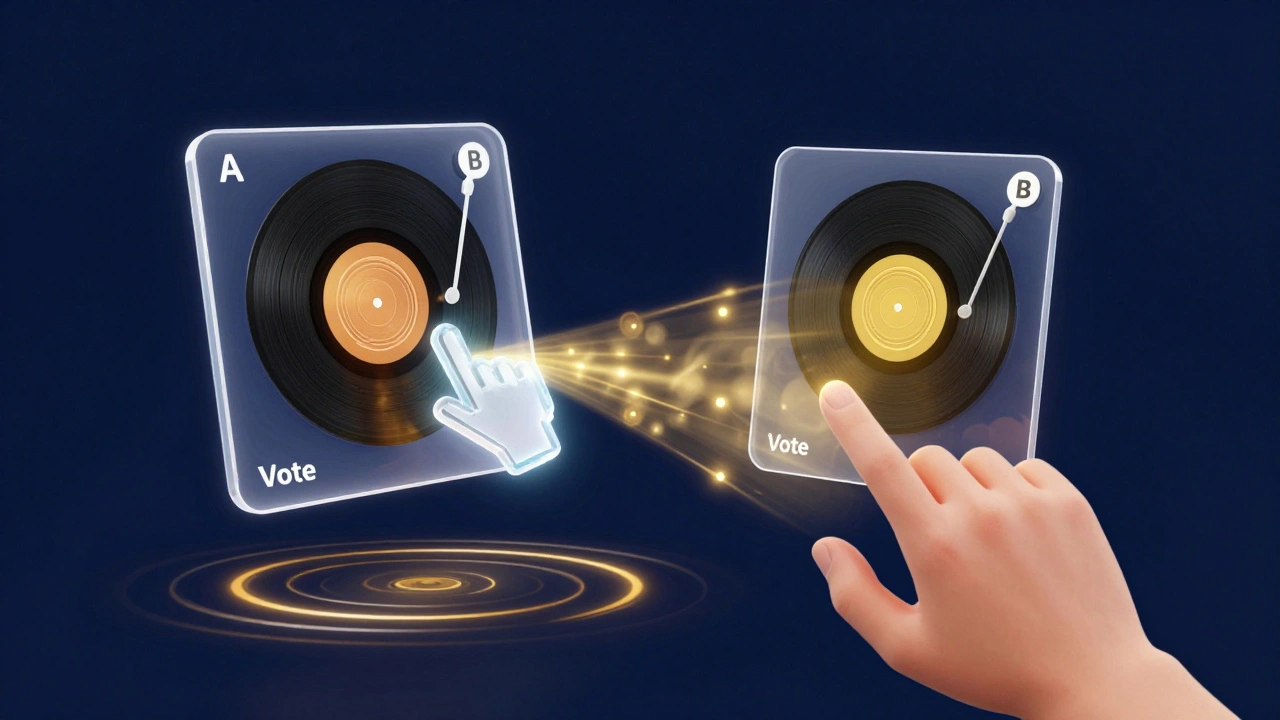
Polls are the lowest-friction way to get a fan to interact. It takes one tap. But most musicians use them for boring things like "Do you like this song?" (The answer is always yes, or they aren't following you). To actually gain insights, you need to give them a real choice in your creative process.
Consider using A/B Testing for your visual identity. Put two different cover art options for a single in a poll. When a fan votes for Option A, they aren't just picking a picture; they are subconsciously investing in the success of that release because they helped "create" it. This is a psychological trigger called the IKEA effect-people value things more when they have a hand in building them.
| Poll Type | Example Question | Goal |
|---|---|---|
| Creative Input | "Should the bridge of this song be a solo or a breakdown?" | Investment/Co-creation |
| Logistical Research | "Which city should I hit first on the Fall tour?" | Market Demand Validation |
| Personality Build | "Coffee or Energy Drinks during a 6 AM load-in?" | Relatability |
Managing Live Requests Without the Chaos
The dream of "playing whatever the crowd wants" can quickly turn into a nightmare if you're playing a song you hate for the tenth time in a row. The secret to successful fan engagement is curated freedom. You give the fans a choice, but you define the boundaries.
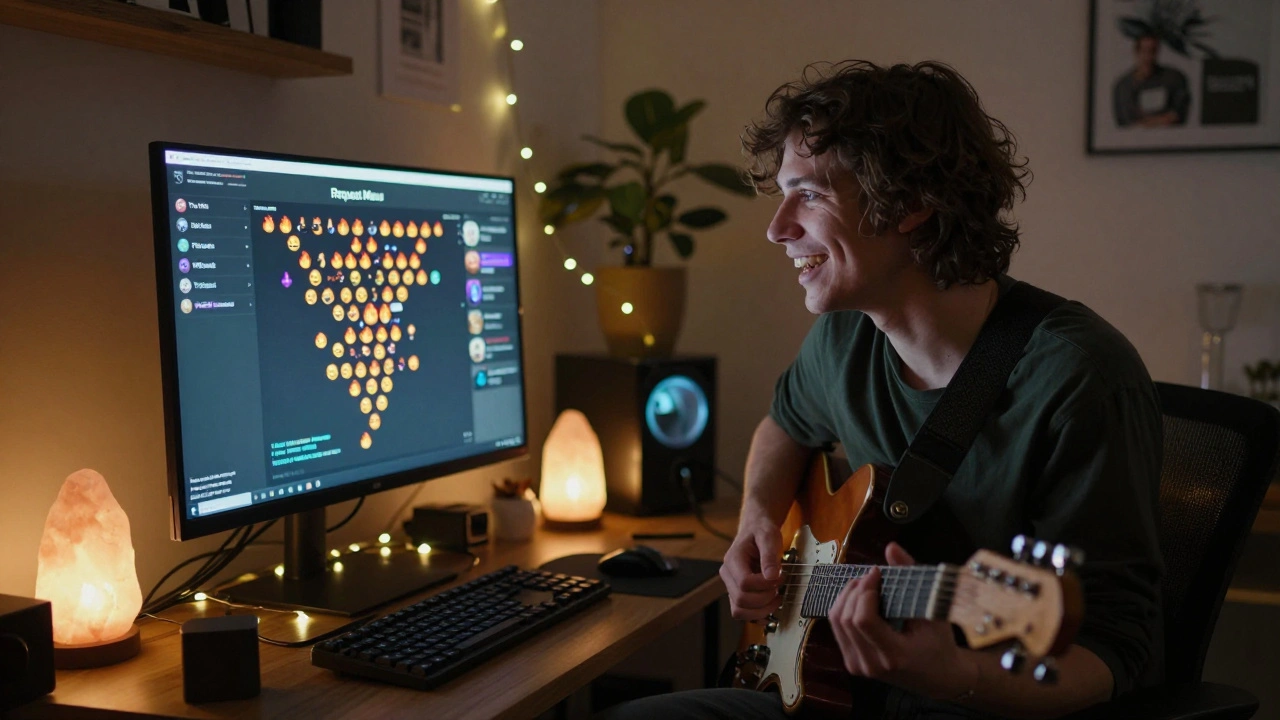
If you're doing a Livestream on Twitch or YouTube Live, don't just say "Request anything." Instead, create a "Request Menu." Give them three categories: "The Hits," "Deep Cuts," and "Wildcards" (covers or improvisations). This prevents the momentum from dying while you spend five minutes trying to remember the chords to a random song from 1974.
For those using Discord, set up a dedicated #requests channel. Let the community vote on the songs using reactions. The song with the most "fire" emojis gets played next. This turns a simple request into a competitive game, increasing the time users spend in your server and talking to each other, not just to you.
Turning Interactions into Revenue
Engagement is great, but it needs to fuel your career. You can't pay rent with "likes." The bridge between a poll and a paycheck is the Conversion Funnel. Once a fan has interacted with a poll or a Q&A, they are in a "high-intent" state. This is the perfect moment to move them toward a transaction.
For example, if a fan requests a specific song during a live stream and you play it, that is the peak moment of their emotional connection. Right after the song, mention that the sheet music or the backing track for that song is available on your website. You aren't selling; you're providing a solution to the desire they just felt.
Another tactic is the "Voter's Reward." If you let fans poll for a tour T-shirt design, give the voters a 10% discount code for the first 24 hours after the shirt drops. You've rewarded their participation and created an immediate incentive to buy. This turns a casual scroller into a customer through a simple loop of interaction and reward.
Common Pitfalls to Avoid
The biggest mistake artists make is "The Ghosting Effect." You start a Q&A, get a bunch of great questions, answer three of them, and then disappear for a month. This tells your fans that their input is only valuable when you're bored. If you can't commit to a daily routine, go weekly. Consistency is more important than frequency.
Avoid the "Ego Trap" as well. Don't use polls just to validate things you've already decided. If you ask fans which song to release as a single and then release a different one, you've just told your audience that their opinion doesn't actually matter. If you change your mind, explain why. "I know most of you voted for Song A, but I realized Song B fits the album's mood better because..." This transparency actually builds more trust than blindly following a poll.
The Interaction Checklist
- Did I provide a clear call-to-action (CTA) in the poll?
- Am I replying to the comments on my Q&A answers to keep the thread alive?
- Is the live request system easy for the fan and sustainable for me?
- Have I thanked the fans for their input publicly?
- Is there a logical next step for the fan (e.g., a link to a song or a mailing list)?
What is the best time to post a Q&A for maximum reach?
It depends on your specific audience, but generally, mid-week evenings (Tuesday through Thursday) between 6 PM and 9 PM work best. This is when people are winding down from work and scrolling. Check your specific analytics on Instagram or TikTok to see when your followers are most active.
How do I handle negative or trolling requests during a live stream?
The best approach is a mix of humor and boundaries. If a request is slightly annoying, make a joke about it. If it's malicious, use your moderator tools to mute or ban the user immediately. Never let a troll derail the energy of the room; your loyal fans will actually appreciate it when you keep the environment positive.
Should I answer every single question in a Q&A?
No. If you answer 50 questions in one go, you'll burn out and the content will become repetitive. Pick 5-10 of the most interesting or common questions. This keeps the quality high and gives you a reason to do another session next week.
Can polls actually hurt my organic reach?
On the contrary, polls usually boost reach. Algorithms prioritize "active engagement" over "passive views." A click on a poll tells the platform that the user is interested in your content, which makes the algorithm more likely to show your future posts to that person.
How do I transition a fan from a social media poll to an email list?
Use the "Exclusive Result" strategy. Run a poll on social media, then tell your followers that the full detailed breakdown of the results (or a special reward for those who voted) will be sent out via your newsletter. This gives them a concrete reason to give you their email address.
Next Steps for Your Growth
If you're just starting out, don't try to do all of this at once. Pick one tool-maybe the weekly poll-and do it for a month. Once that feels natural, add the Q&A. The goal is to build a system that doesn't feel like a second job.
For established artists with a larger following, the focus should shift toward automation. Use tools like Discord bots to manage requests and automated welcome messages to guide new fans toward your current interaction event. The more you can systematize the "community" part of your brand, the more time you have to focus on the "music" part.