When you listen to a folk ballad, you are not just hearing a song. You are listening to a story that has survived because it was useful, memorable, and deeply human. In the specific context of Robert Hill and the Muskogee Few era, these songs take on a sharper edge. They become records of survival, identity, and community resilience during a time when those things were under constant threat.
This isn't about pop hits or radio-friendly choruses. It is about how ordinary people used simple musical structures to preserve their history when written records were either destroyed or ignored by the dominant culture. If you want to understand the soul of this era, you have to look at the form-the shape of the verses, the rhythm of the storytelling, and the silence between the notes.
The Anatomy of a Folk Ballad
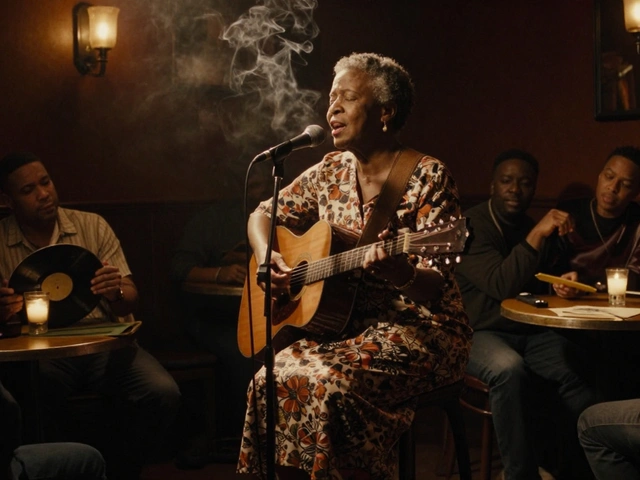
To understand what made the music of Robert Hill and his contemporaries unique, we first need to strip away the romance and look at the mechanics. A folk ballad is a narrative song that tells a story, often using a repetitive structure to aid memory and communal singing. Unlike art songs or operatic arias, which rely on complex harmonies and trained vocalists, folk ballads are designed for the untrained voice. They are meant to be sung around a campfire, in a field, or while working.
The structure is usually rigid but flexible enough to allow for improvisation. Most traditional ballads follow a four-line stanza pattern, known as a quatrain. The rhyme scheme is typically ABCB or AABB. This simplicity is not an accident; it is a feature. When you only have three lines out of four rhyming, your brain locks onto the pattern. It makes the story easier to remember after just one hearing.
- Repetition: Refrains or repeated lines act as anchors. They give the singer a moment to breathe and the listener a chance to process the plot.
- Economy of Words: Every word must carry weight. There is no room for filler. If a line doesn't advance the story or deepen the emotion, it gets cut.
- Dialectic Tone: The language mirrors everyday speech, making the characters feel real and immediate rather than distant or mythological.
In the hands of someone like Robert Hill, this basic structure became a vessel for profound cultural commentary. He didn't just tell stories; he encoded the experiences of his people into these verses.
Robert Hill: The Voice of the Narrative
Robert Hill stands out in this landscape not because he invented a new genre, but because he mastered the existing forms with a clarity that cut through noise. Born into a tradition where oral history was the primary method of record-keeping, Hill understood that a song was a library. His voice was steady, unadorned, and direct. He didn't use vibrato or dramatic flourishes to impress. He used tone to convey truth.
Hill's approach to the ballad form was characterized by a strict adherence to meter. Meter is the heartbeat of a song. If the beat drags, the story loses its urgency. If it rushes, the details get lost. Hill kept the tempo consistent, allowing the lyrics to do all the heavy lifting. This restraint is rare in modern music, where production often overwhelms the message. In Hill's work, the message was everything.
Consider his handling of tragedy. In many folk traditions, tragic events are softened by melody. Hill did the opposite. He used stark, minor-key progressions that mirrored the harshness of the events described. Whether he was singing about loss, displacement, or injustice, the music never offered false comfort. It offered witness. This honesty resonated deeply with audiences who were living through similar struggles.
The Context of the Muskogee Few Era
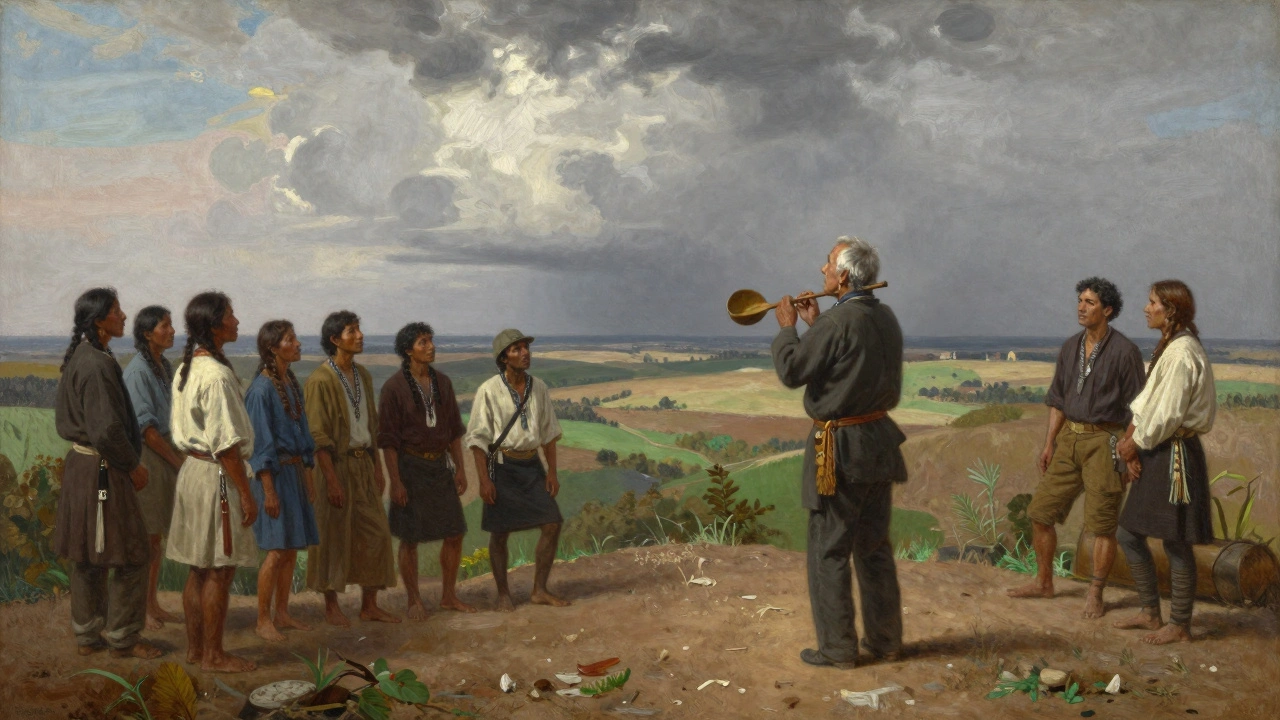
The term "Muskogee Few" refers to a specific historical and cultural period involving the Muscogee (Creek) Nation and other indigenous groups in the southeastern United States. This era was marked by forced removals, treaty violations, and the systematic dismantling of traditional social structures. For the few who remained or managed to adapt, music became a crucial tool for maintaining identity.
During this time, the concept of "the few" implies scarcity-scarcity of land, scarcity of safety, and scarcity of future generations. The ballads from this era reflect that scarcity. They are often shorter, more intense, and focused on immediate concerns rather than abstract legends. The grand epics of earlier times gave way to intimate portraits of daily struggle.
The Oklahoma Territory, which became the backdrop for much of this activity, was a place of flux. As settlers poured in, the indigenous population had to navigate a world that was rapidly changing around them. Songs became a way to map this new reality. They documented the names of rivers that were being renamed, the locations of ancestral burial grounds, and the faces of those who were gone.
| Feature | Traditional Folk Ballad | Muskogee Few Era Ballad |
|---|---|---|
| Length | Often long, multi-stanza narratives | Shorter, concise stanzas for quick transmission |
| Subject Matter | Legends, romance, historical battles | Personal loss, displacement, survival tactics |
| Emotional Tone | Varied, often romanticized | Somber, urgent, documentary-style |
| Audience Role | Passive listeners | Active participants in memory preservation |
Oral Tradition as Resistance
In an era where literacy was often suppressed or discouraged among indigenous populations, oral tradition was not just a cultural preference-it was an act of resistance. To sing a ballad was to assert that your story mattered. It was to claim space in a world that tried to erase you. Robert Hill and his peers understood this implicitly. Their performances were not entertainment in the commercial sense; they were rituals of continuity.
The power of the oral ballad lies in its variability. Unlike a printed book, which remains static, a sung story changes with each telling. This allows the community to update the narrative to reflect current realities. A song about a river crossing might originally refer to a specific event in 1830, but by 1900, the same tune could be used to describe a different migration. The melody stays the same, but the meaning evolves. This fluidity ensured that the culture remained alive and relevant, even as external pressures mounted.
Hill’s mastery lay in his ability to balance this fluidity with structural integrity. He knew which parts of the song were sacred and which parts could be adapted. This discernment prevented the stories from becoming distorted beyond recognition while still allowing them to speak to the present moment.
Structural Nuances in Hill’s Work
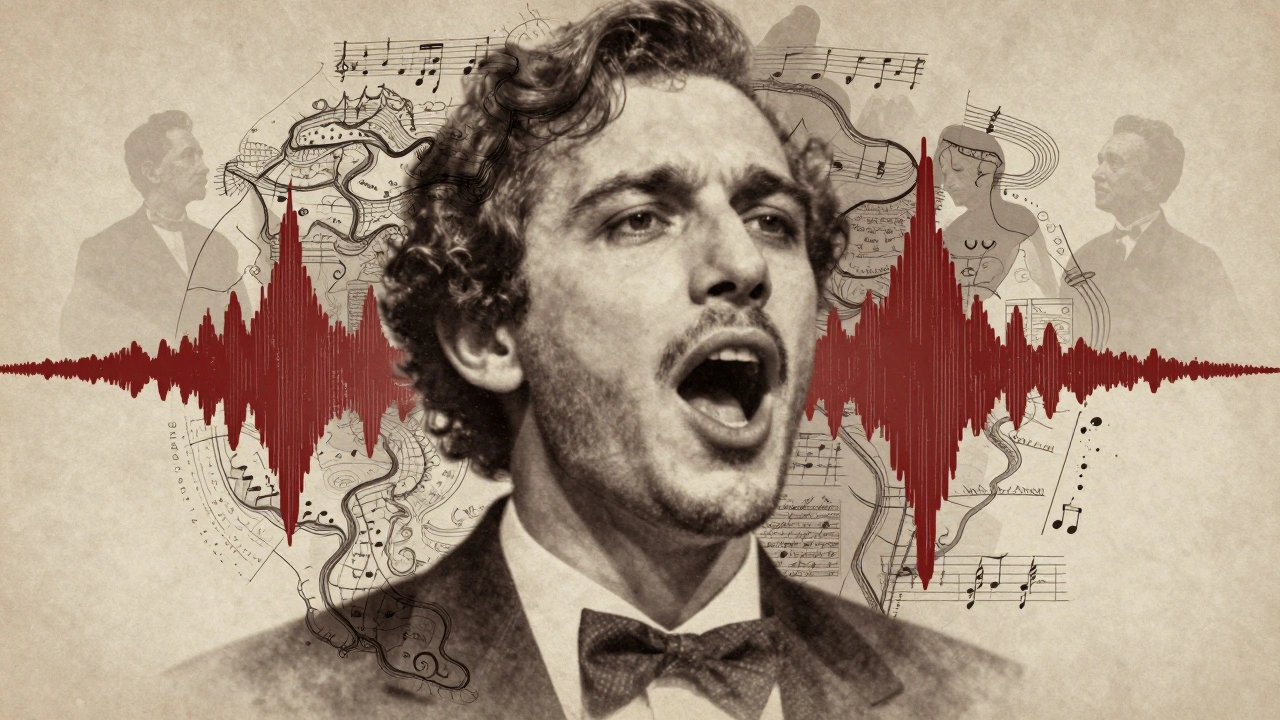
If you analyze the transcripts of Robert Hill’s recordings, certain patterns emerge. One notable feature is the use of internal rhyme within the lines, not just at the end. This creates a denser texture of sound, making the lyrics more memorable. For example, instead of relying solely on the end words to connect, Hill would weave rhymes throughout the sentence, creating a web of sound that held the listener’s attention.
Another key element is the strategic use of pauses. In written poetry, punctuation dictates the flow. In oral performance, silence does the work. Hill was a master of the pause. He would leave a gap after a particularly devastating line, allowing the weight of the words to sink in before moving on. This technique transformed the audience from passive listeners into active mourners. They were forced to sit with the pain of the story, rather than rushing to the next verse.
Furthermore, Hill often employed call-and-response elements, even in solo performances. He would pose a question in one line and answer it in the next, mimicking the dialogue of community gatherings. This structure invited the listener to participate mentally, filling in the gaps and completing the thought. It reinforced the idea that the story belonged to everyone, not just the singer.
Legacy and Modern Relevance
Why does this matter today? In an age of digital streaming and algorithmic playlists, the slow, deliberate pace of the folk ballad seems almost archaic. Yet, the core function of these songs remains vital. We still need ways to tell our stories, to process our traumas, and to connect with our communities. The techniques used by Robert Hill and the Muskogee Few era singers offer a blueprint for authentic communication.
Modern musicians can learn from this era by focusing on substance over style. By stripping away unnecessary production and returning to the raw power of narrative, artists can create work that resonates on a deeper level. The ballad form reminds us that music is not just about vibration and frequency; it is about meaning and memory.
Preserving these forms is not just an academic exercise. It is an act of cultural stewardship. By studying and performing these songs, we keep the voices of the past alive. We ensure that the struggles and triumphs of the Muskogee Few are not forgotten, but integrated into the broader tapestry of human history.
Who was Robert Hill in the context of folk music?
Robert Hill was a prominent figure in the folk ballad tradition, known for his clear, unadorned vocal style and his ability to encode complex cultural narratives into simple song structures. He served as a custodian of oral history during a turbulent period for indigenous communities.
What defines the "Muskogee Few" era?
The "Muskogee Few" era refers to the period following the forced removal of the Muscogee (Creek) Nation and other tribes, characterized by scarcity, displacement, and the struggle to maintain cultural identity in the face of systemic oppression. Music during this time became a tool for survival and memory.
How do folk ballads differ from other types of songs?
Folk ballads are narrative-driven, focusing on storytelling rather than emotional abstraction. They use repetitive structures, simple rhyme schemes, and economical language to make the story easy to remember and share orally, unlike art songs which prioritize musical complexity.
Why is oral tradition important in indigenous cultures?
Oral tradition serves as the primary method of record-keeping and cultural transmission in many indigenous societies. It allows for the preservation of history, laws, and values without reliance on written text, which may be inaccessible or suppressed. It also enables the adaptation of stories to reflect current realities.
What role did repetition play in Hill's ballads?
Repetition acted as an anchor for both the singer and the listener. It aided memory, provided rhythmic stability, and allowed for moments of reflection on key themes. In Hill's work, refrains often highlighted the central emotional conflict of the narrative.