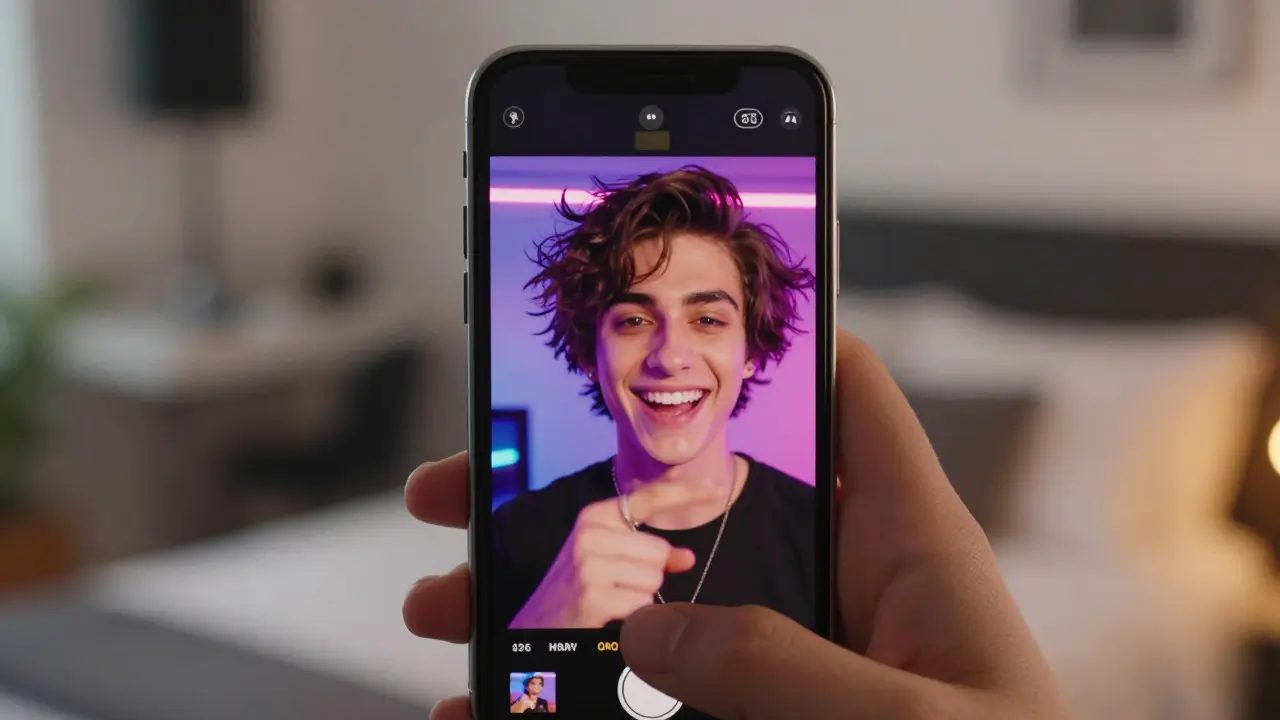
Imagine this: a simple 15-second clip of a singer hitting a high note goes live on TikTok. By morning, half your followers are trying to replicate it. That’s the power of a hashtag challenge. For artists like Robert Hill is an independent musician whose authentic storytelling and distinctive vocal style have cultivated a dedicated but niche online following., these digital movements aren’t just fun; they are strategic tools to break out of algorithmic silos and turn passive listeners into active community members.
Many musicians assume that going viral requires a massive budget or a celebrity endorsement. The reality is different. Success in the current social landscape depends on low-friction participation and emotional resonance. If you’re managing a profile or a label looking to amplify specific tracks, understanding the mechanics of user-generated content (UGC) is no longer optional-it’s essential.
Why Hashtag Challenges Work for Niche Artists
The core mechanism of a hashtag challenge is simplicity. Unlike complex video editing contests that require professional software, a good challenge can be executed with a smartphone and basic creativity. This lowers the barrier to entry, which is critical for growing an audience. When fans create content using your audio, the platform’s algorithm treats their post as fresh, relevant material. This creates a feedback loop where every new participant pushes the song further up the recommendation feed.
For an artist with a specific fan base, this means reaching people who haven’t discovered the music yet. The key attribute here is shareability. A track needs a distinct hook-a memorable melody, a catchy lyric, or a unique beat drop-that fits naturally into short-form video formats. If the song feels forced into a dance trend, it will flop. If it complements the visual action, it spreads.
Choosing the Right Track for Maximum Impact
Not every song is built for virality. Before launching a campaign, analyze your catalog. Look for tracks with these specific attributes:
- Short Hooks: A 10-15 second segment that stands alone without needing the full context of the lyrics.
- Rhythmic Clarity: Beats that make it easy for users to time their movements or transitions.
- Emotional Versatility: Audio that works for both happy moments and dramatic storytelling.
Consider the difference between a ballad and an upbeat pop track. While ballads work for "storytime" or aesthetic edits, upbeat tracks drive physical participation like dancing or lip-syncing. Data from recent social media trends suggests that tracks with a clear tempo change or a sudden silence (a "drop") tend to generate higher completion rates because users wait for the payoff.
Designing the Challenge: Format and Mechanics
Once you’ve selected the track, you need to define the rules. Vague instructions lead to confusion and low participation. Be specific about what the user should do. Here are three proven formats that work well for mid-tier artists:
- The Transition Challenge: Users start in one state (e.g., messy hair, casual clothes) and transition to another (glamorous, formal) exactly when the beat drops. This format is visually satisfying and highly shareable.
- The Skill Display: If the song has a fast tempo, ask users to show off a quick skill-cooking, drawing, or juggling. The music provides the pacing for the activity.
- The Storytelling Prompt: Use a lyrical line as a prompt. Ask users to caption their video with a memory related to that phrase. This builds emotional connection and encourages comments.
Keep the duration under 30 seconds. Attention spans are shrinking, and shorter videos are more likely to be watched multiple times, boosting engagement metrics. Also, ensure the audio file is easily accessible on all major platforms. If users have to search for the sound manually, friction increases and participation drops.
Amplifying Reach Through Influencer Seeding
You don’t need mega-influencers to kickstart a challenge. In fact, micro-influencers (those with 10k-50k followers) often yield better results for niche artists because their audiences are more engaged and trust their recommendations. Identify creators whose content style aligns with the vibe of the song. If Robert Hill’s music leans towards indie-pop aesthetics, partner with lifestyle vloggers or fashion influencers rather than pure gaming streamers.
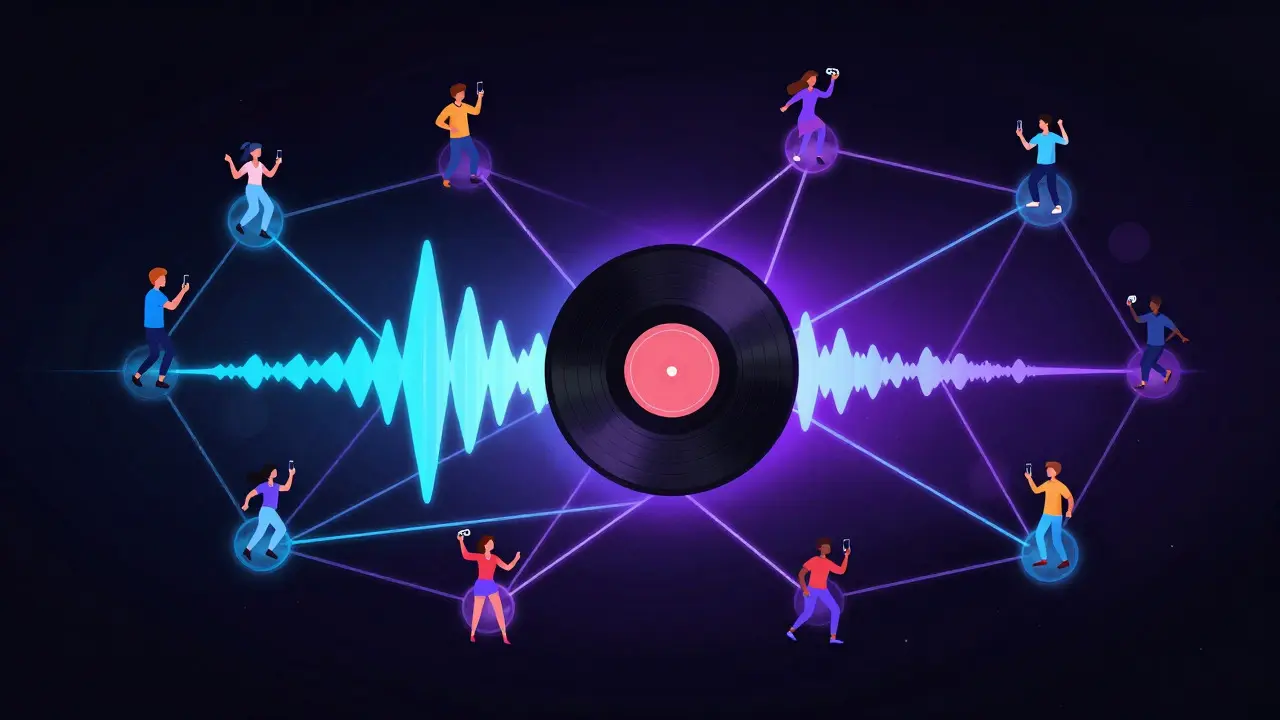
The strategy involves "seeding" the audio. Send the track to 10-20 selected creators with a brief brief: "Here’s our new single. Try making a transition video with it. No pressure, just having fun." When several creators post within a 48-hour window, the algorithm detects a pattern. It starts suggesting the sound to similar users. This organic surge is far more credible than a paid ad.
| Format Type | Best For | Production Effort | Viral Potential |
|---|---|---|---|
| Dance/Movement | Upbeat, rhythmic tracks | Low | High |
| Transition | Songs with strong beats/drops | Medium | Very High |
| Lip-Sync/Acting | Lyric-heavy, emotional tracks | Low | Medium |
| Skill/Activity | Fast-paced, energetic tracks | Medium | Medium-High |
Measuring Success Beyond View Counts
It’s tempting to obsess over raw view counts, but that metric can be misleading. A video might get millions of views but result in zero streams. To truly measure the impact of your social campaign, focus on conversion metrics. Track the number of saves, shares, and most importantly, the click-through rate to the streaming platform.
Use UTM parameters on links shared in bios or pinned comments to trace where traffic is coming from. If a specific influencer’s post drives 40% of your new Spotify follows, that’s a valuable data point for future collaborations. Additionally, monitor the growth of your hashtag. Are users creating variations? Are they adding their own twists? Creative adaptation indicates that the challenge has resonated deeply with the community.

Common Pitfalls to Avoid
Even well-funded campaigns fail if they ignore basic human psychology. Here are the mistakes that kill momentum:
- Overcomplicating Instructions: If users need a tutorial to understand the challenge, it’s too hard. Keep it intuitive.
- Ignoring Comments: Engage with early participants. Repost their content to your stories. This validates their effort and encourages others to join.
- Timing Issues: Launching on a Tuesday night is less effective than Friday afternoon when users are scrolling for weekend entertainment.
- Lack of Consistency: One post isn’t enough. Maintain presence by sharing behind-the-scenes content and reacting to fan submissions throughout the week.
Remember, the goal isn’t just to get one viral hit; it’s to build a habit. Each successful challenge reinforces the idea that your music is part of the viewer’s daily creative expression. Over time, this transforms your fan base from consumers into collaborators.
Frequently Asked Questions
How long should a hashtag challenge last?
Ideally, keep the initial push between two to four weeks. After this period, if momentum stalls, introduce a variation or a prize draw to re-energize the community. If it takes off, let it run organically as long as users keep posting.
Do I need to pay influencers to participate?
Not necessarily. Micro-influencers often accept product seeding (sending them the song or merchandise) in exchange for a post. However, for larger creators, a small fee ensures priority placement and higher quality production. Always disclose partnerships to maintain transparency.
What if my song doesn't have a catchy hook?
Focus on the visuals rather than the audio's catchiness. Use the song as background ambiance for a storytelling or aesthetic challenge. Alternatively, consider remixing the track specifically for social media, isolating the most engaging instrumental section.
Which platform is best for launching music challenges?
TikTok remains the leader for discovery due to its algorithm favoring new sounds. However, Instagram Reels and YouTube Shorts are crucial for cross-platform reach. Ensure the audio is available on all three to maximize exposure.
How do I encourage fans to use the exact audio file?
Create a branded sound page on TikTok and link it in your bio. Encourage users to use the official sound rather than uploading their own version. This aggregates all usage under one tag, making it easier for the algorithm to recognize the trend and for you to track performance.