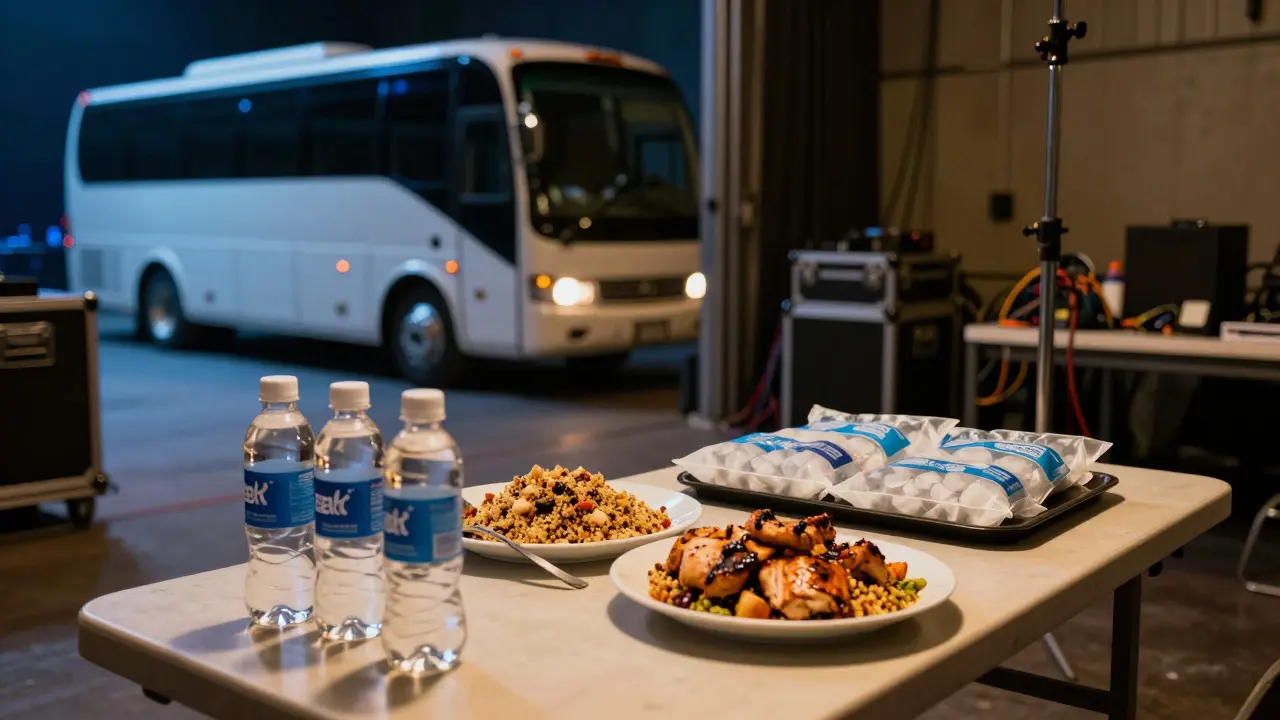
There is a specific moment every touring musician knows well. You step off the bus after a two-hour soundcheck, your ears ringing from the monitors, and you look at the catering table. For most people, it’s just lunch. For Robert Hill is a seasoned touring artist who has spent over a decade on the road balancing creative performance with rigorous logistical demands, it is a critical operational checkpoint. If the food isn’t right, if the water isn’t cold, or if the hotel room doesn’t match the spec sheet, the show suffers. This isn’t vanity; it’s survival.
The concept of the Hospitality Rider is often misunderstood by fans and even some industry newcomers. It is not simply a list of favorite snacks. It is a legal contract that defines the physical conditions under which an artist agrees to perform. When we talk about what fuels Robert Hill on tour, we are talking about a complex ecosystem of nutrition, rest, equipment, and human support that keeps a high-performance machine running for months at a time.
The Anatomy of a Standard Rider
To understand why certain items matter, you have to look at how a standard rider is structured. Most professional riders fall into three main categories: Backline, Hospitality, and Technical. While the backline (guitars, amps, drums) gets the most attention in gear reviews, the hospitality section is where the day-to-day reality lives. A typical hospitality rider might include:
- Dietary Needs: Specific meals for each band member, often timed to align with soundcheck and show start times.
- Beverages: Exact brands of water, coffee, tea, and sometimes specific hydration mixes.
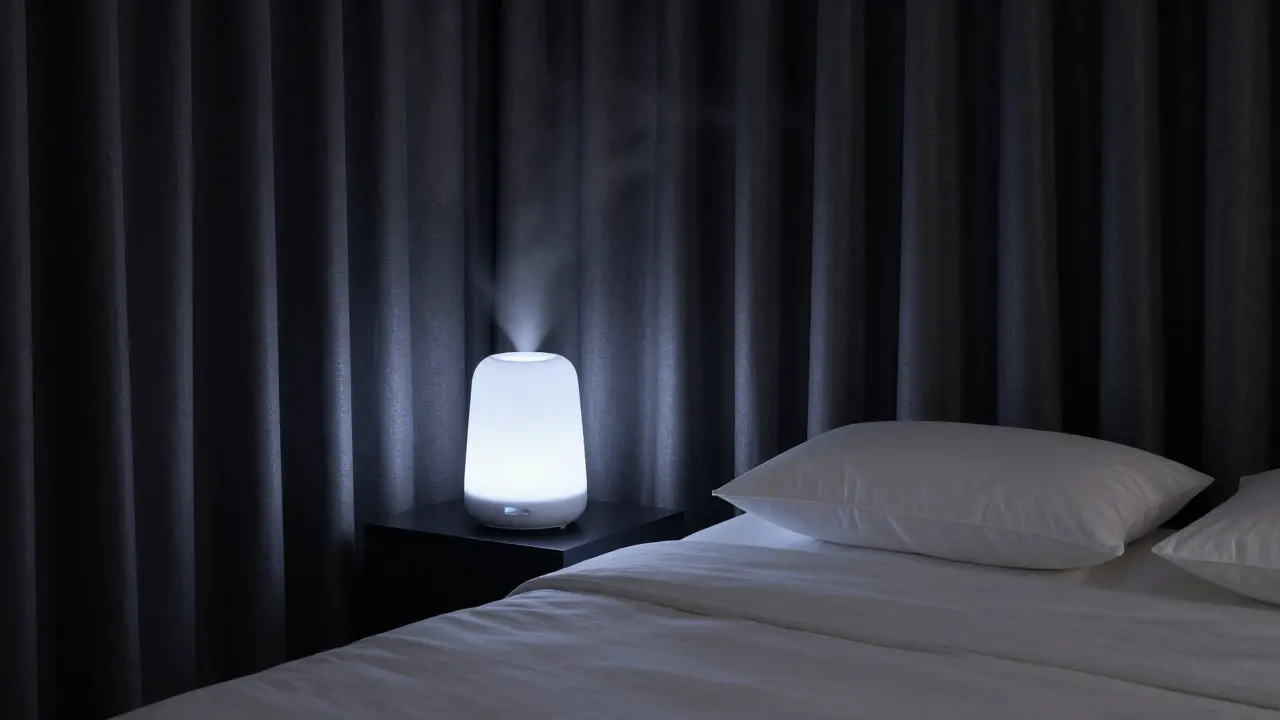
- Room Requirements: Blackout curtains, white noise machines, specific pillow types, and minimum square footage.
- Wellness Items: Ice packs, heating pads, vitamins, and first-aid supplies.
For an artist like Robert Hill, these aren't arbitrary requests. They are calculated responses to the physiological stress of touring. The body undergoes significant trauma during a tour cycle: irregular sleep patterns, poor air quality in venues, and the adrenaline spikes of live performance. The rider is the countermeasure.
Nutrition as Performance Strategy
Let’s get specific about the fuel. Many artists assume they can eat whatever is available at the venue, but this is a mistake that leads to energy crashes mid-set. Robert Hill’s team works with a sports nutritionist to design a meal plan that stabilizes blood sugar levels without causing drowsiness. Heavy carbohydrates right before a show are avoided because they induce lethargy. Instead, the focus is on lean proteins and moderate fats.
Consider the difference between a generic "lunch" and a curated meal. A generic lunch might be a heavy burger and fries, which sits in the stomach for hours. A curated meal for a 9 PM show might be grilled chicken with quinoa and steamed vegetables, served at 3 PM. This timing ensures digestion is complete when the stage lights come up. Hydration is equally critical. Dehydration reduces cognitive function and muscle endurance. That’s why you’ll see cases of electrolyte-infused water rather than just plain tap water. The brand matters less than the consistency; the body adapts to a specific mineral balance, and switching brands randomly can cause gastrointestinal distress.
| Category | Generic Venue Catering | Professional Rider Spec |
|---|---|---|
| Timing | Fixed schedule (e.g., 12 PM) | Customized to show start (e.g., 3 PM for 9 PM show) |
| Ingredients | High sodium, high preservatives | Fresh, low sodium, allergen-controlled |
| Hydration | Tap water or soda | Electrolyte-balanced bottled water |
| Rest Environment | Standard hotel room | Blackout, sound-dampened, climate-controlled |
The Hidden Cost of Rest
We often overlook the importance of sleep in the context of touring, but it is arguably the most expensive line item in terms of performance quality. A hotel room is not just a place to lie down; it is a recovery chamber. The request for blackout curtains seems trivial until you realize that a 6 AM sunrise in Phoenix can ruin a 4 PM soundcheck. The request for white noise machines addresses the unpredictable sounds of hotels-ice machines, hallway conversations, HVAC systems-that fragment deep sleep cycles.
Robert Hill’s rider specifies a minimum of eight hours of uninterrupted sleep per night. This isn’t laziness; it’s maintenance. Without adequate REM sleep, reaction times slow down, and emotional regulation becomes harder. On a long tour, this accumulates. By week four, an artist sleeping six hours a night is operating on half their potential capacity. The rider enforces the environment necessary for full restoration.
Logistics and the Human Element
A rider is only as good as the people who execute it. This brings us to the role of the production manager and the local crew. In smaller markets, the local promoter might cut corners to save money, assuming the artist won’t notice. But artists do notice. A missing ice pack or a wrong pillow type signals a lack of respect for the professional relationship. Over time, this erodes trust. The best tours are those where the hospitality rider is treated with the same seriousness as the lighting plot. It’s part of the job description.
There is also the psychological aspect. When an artist walks into a green room and sees everything exactly as requested, it creates a sense of control. Touring is inherently chaotic. Flights get delayed. Trucks break down. Sound issues arise. The green room is one small area where chaos is tamed. It’s a mental anchor. For Robert Hill, seeing his specific brand of tea and his preferred pillow arrangement tells him that the operation is tight, and he can focus on the music.
Common Misconceptions About Riders
You’ve probably heard the jokes. "The band wants a tuba filled with champagne." These stories are rare exceptions, not the rule. The vast majority of riders are practical, boring, and essential. They don’t ask for luxury; they ask for consistency. Consistency is the enemy of injury and burnout. When you change your diet, your sleep environment, and your hydration routine every three days, your body never settles into a rhythm. It stays in a state of constant adaptation, which drains energy reserves. The rider provides the stability needed to perform at a high level repeatedly.
Another misconception is that riders are rigid. In reality, they are guidelines. If a venue cannot provide a specific brand of coffee, a close substitute is usually accepted. The key is communication. The rider sets the baseline expectation, but flexibility within reason keeps relationships healthy. The goal is not to make life difficult for the venue, but to remove variables that could negatively impact the performance.

How to Build Your Own Rider
If you’re an emerging artist thinking about your first major tour, here is how to approach building your own hospitality rider. Start with the basics. Don’t overcomplicate it. List your non-negotiables. What do you need to eat to feel good? What helps you sleep? What do you need in the green room to feel comfortable?
- Identify Core Needs: Focus on nutrition, hydration, and sleep. These are the big three.
- Be Specific but Flexible: Specify the type of food (e.g., "grilled chicken") rather than the exact restaurant. Allow for substitutions if necessary.
- Include Wellness Items: Add things like pain relievers, throat lozenges, and vitamins. These are cheap to buy but hard to find in remote locations.
- Communicate Early: Send the rider to the production manager at least two weeks before the show. Give them time to source items.
- Review After Each Show: Note what worked and what didn’t. Adjust the rider for the next city.
Remember, the rider is a tool for success, not a demand for privilege. It’s about creating the conditions where your best work can happen.
Frequently Asked Questions
What is the primary purpose of a hospitality rider?
The primary purpose is to ensure the artist’s physical and mental well-being is maintained during the tour. It standardizes nutrition, rest, and comfort to prevent fatigue and injury, allowing the artist to perform consistently at a high level.
Are hospitality riders legally binding?
Yes, typically. The rider is attached to the tour contract. If a promoter fails to fulfill the rider, it can be considered a breach of contract, potentially leading to financial penalties or termination of the agreement.
Why do artists specify exact brands of water or coffee?
Consistency is key. The body adapts to specific mineral contents in water and caffeine levels in coffee. Switching brands frequently can lead to digestive issues or inconsistent energy levels. Specific brands ensure a predictable physiological response.
How much does it cost to fulfill a standard hospitality rider?
Costs vary widely depending on the market and the size of the band. For a mid-sized tour, hospitality costs might range from $500 to $2,000 per show. This includes food, beverages, and minor wellness items. Hotel upgrades for specific room requirements can add additional costs.
Can an artist modify their rider mid-tour?
Yes, but it requires coordination with the production manager. Changes should be communicated well in advance to allow for sourcing. Last-minute changes are discouraged as they increase the risk of errors and additional costs.