Imagine this: a journalist from a major music blog has just discovered your latest single. They love the track. They want to write a feature story. But when they click through to your website looking for background info, quotes, or a quick bio, they hit a dead end. Or worse, they find a wall of text that reads like it was written by your mom in 2014.
This is where most independent artists lose momentum. A Press Q&A page is a dedicated section on a musician's website that provides journalists and bloggers with ready-to-use questions and answers about their career, sound, and upcoming projects. It’s not just a nice-to-have; it’s a professional courtesy that makes your life easier and theirs even easier. When you hand a writer a polished narrative, you increase the chances of getting published-and getting published correctly.
Why Journalists Need a Head Start
Let’s be real about how modern music journalism works. Editors are drowning in content. They have five minutes to decide if your band is worth covering. If they have to dig through three social media posts and an old MySpace archive to figure out who you are, you’re already behind.
A well-structured Q&A page acts as a shortcut. It gives the writer the "soundbite" they need without forcing them to schedule a 30-minute phone call that might get rescheduled twice. Think of it as a menu. You can’t expect a chef to cook a meal if you don’t tell them what ingredients you have. By providing clear, concise answers, you control the narrative while saving everyone time.
Consider the difference between a vague Instagram caption and a structured interview response. The caption says, "New vibes coming soon." The Q&A answer says, "We recorded our new EP in a converted barn in Portland because we wanted the natural reverb to mimic the isolation felt during lockdown." See the difference? One is noise; the other is a story hook.
Gathering Your Core Story Elements
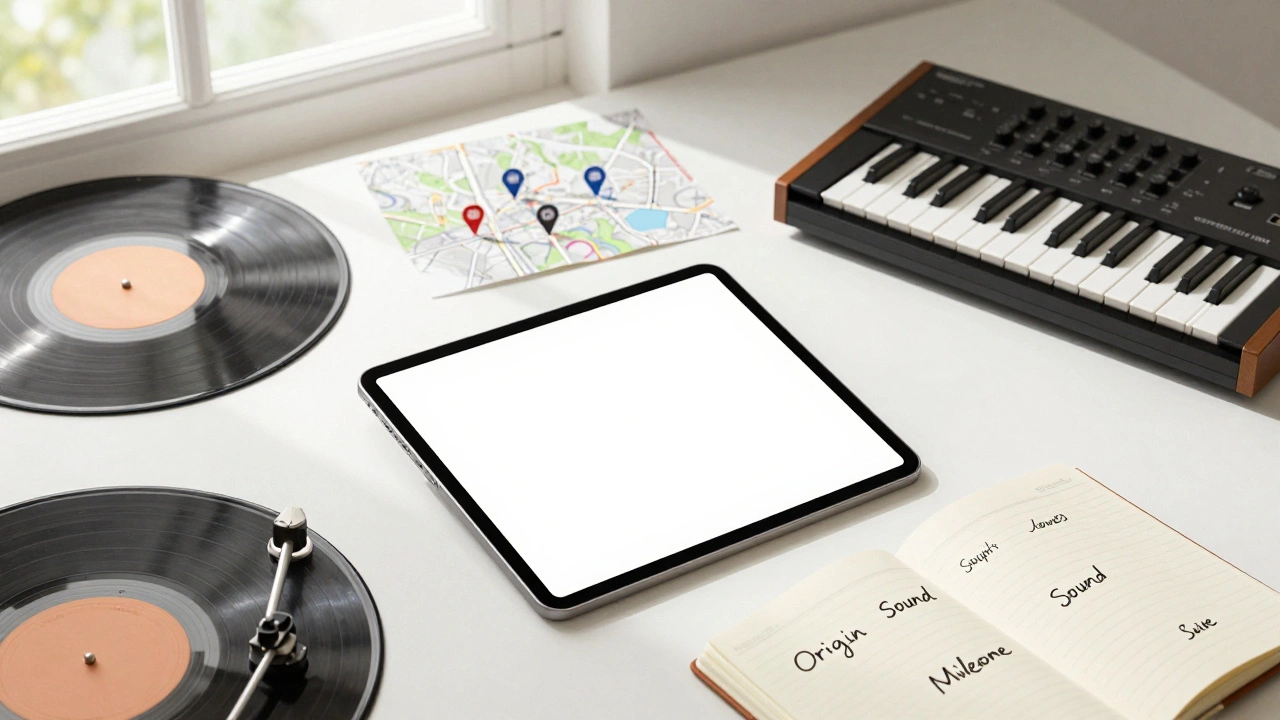
Before you write a single word, you need to gather your raw materials. Don’t start typing yet. Open a blank document and list out the key facts that define your current era as an artist. These are your building blocks.
- The Origin Story: How did you start making music? Was it a childhood obsession, a college experiment, or a mid-life crisis? Keep it brief but human.
- The Sound: Avoid generic terms like "indie pop" or "rock." Describe the texture. Do you use analog synthesizers? Do you sample vinyl records from thrift stores? Mention specific influences, like "the melancholy of early Radiohead mixed with the energy of Arcade Fire."
- The Recent Milestone: What is the news? Did you just release an album? Are you touring Europe? Did you collaborate with a producer you admire?
- The Future: Where are you headed next? This shows ambition and keeps the story moving forward.
Once you have these points, you can begin drafting the actual Q&A. Aim for five to seven questions. Any more than that, and journalists will skim. Any less, and you won’t cover enough ground.
Drafting Questions That Actually Get Asked
The biggest mistake artists make is writing questions no one would ever ask. "What is your favorite color?" is useless. "How does living in Seattle influence your lyrical themes?" is useful. You need to anticipate the angles a critic might take.
Here is a framework for crafting high-value questions:
- The Process Question: "Can you walk us through how you wrote the title track?" This allows you to discuss creativity and technique.
- The Influence Question: "Who were you listening to when you started this project?" This connects you to musical lineage.
- The Live Show Question: "What do you hope fans feel when they see you perform live?" This sells tickets.
- The Personal Question: "How has your perspective changed since your last release?" This adds emotional depth.
- The Industry Question:** "What’s the biggest challenge you’ve faced as an independent artist right now?" This resonates with peers and industry insiders.
For each question, write an answer that is two to four sentences long. Use active voice. Include specific details. If you mention a place, name it. If you mention a person, name them. Specificity breeds credibility.
Formatting for Readability and Speed
Journalists scan. They do not read every word. Your formatting needs to respect their time. Use bold headers for the questions so they stand out. Keep paragraphs short. Avoid dense blocks of text.
Here is how a good layout looks visually:
| Element | Do This | Avoid This |
|---|---|---|
| Questions | Bold, concise, direct | Italicized, vague, overly poetic |
| Answers | 2-4 sentences, specific details | Paragraphs longer than 5 lines |
| Tone | Conversational but professional | Arrogant or overly self-deprecating |
| Contact Info | Clear email link at the top and bottom | Hiding contact details in the footer |
Also, consider adding a "Quick Bio" box at the very top of the page. This should be a 50-word elevator pitch. Name, genre, origin, latest release, and one unique selling point. Many writers will only look at this box before deciding whether to read the rest.
Integrating With Your Electronic Press Kit (EPK)
Your Electronic Press Kit (EPK) is a digital package containing essential promotional materials for musicians, including bios, photos, music samples, and technical rider information. The Q&A page is a critical component of this kit. In fact, many booking agents and festival programmers check the Q&A first to gauge your professionalism.
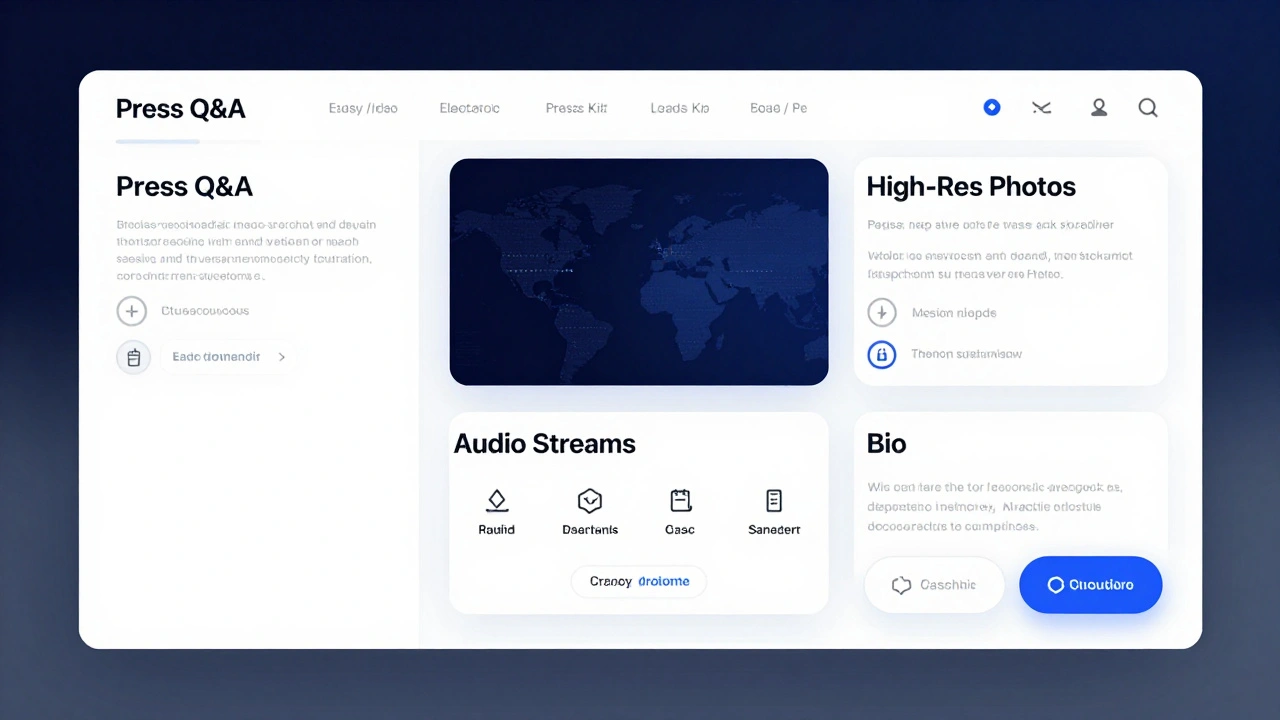
Ensure your website links directly to your EPK download. If you use a platform like Bandcamp, SoundCloud, or a dedicated site builder like Squarespace or Wix, create a separate page called "Press" or "Media." On this page, include:
- The Q&A text (copy-paste friendly)
- High-resolution photos (with captions)
- Links to streamable audio files
- A downloadable PDF version of the EPK
Having a copy-paste friendly text version is crucial. Journalists hate having to screenshot text or manually type out quotes. Make it easy for them to steal your words.
Maintaining Freshness and Accuracy
A stale Q&A page is worse than no Q&A page. If your last answer mentions an album released in 2022, and it’s now 2026, you look disorganized. Set a reminder to update this page every time you release a significant body of work or go on tour.
Review the questions annually. Are they still relevant? Has your sound evolved? Maybe you used to play solo, but now you have a full band. Update the answers to reflect your current reality. If you’ve moved cities, change the location references. If you’ve dropped a former collaborator, remove their name.
Think of your Q&A page as a living document. It evolves with you. Every six months, read it aloud. Does it sound like you? If it sounds like corporate speak, rewrite it. Authenticity is your currency in the music industry. Protect it.
Common Pitfalls to Avoid
Even experienced PR managers make mistakes here. Here are the traps to watch out for:
- Being Too Humble: Don’t say, "I’m just a kid trying my best." Say, "I’m a singer-songwriter exploring themes of identity." Confidence attracts interest.
- Being Too Arrogant: Don’t say, "I’m the next Beatles." Say, "We draw inspiration from classic rock harmonies." Let the music prove your greatness.
- Ignoring Local Context: If you’re based in Portland, mention the local scene. It helps local blogs connect with you. "Playing venues like Doug Fir Lounge has shaped our stage presence..."
- Overloading with Jargon: Avoid niche terms that only other musicians understand. Explain concepts simply. Instead of "polyrhythmic grooves," try "complex, layered rhythms."
Finally, always proofread. Typos suggest carelessness. Ask a friend or a manager to review the page before publishing. Two sets of eyes are better than one.
Next Steps for Implementation
If you don’t have a Q&A page yet, start today. Draft five questions. Answer them honestly. Format them clearly. Upload them to your site. Link to them from your homepage under a "Press" tab. Then, send the link to every blogger who covers your genre. You’ll be surprised at how much easier your life becomes when you make it easy for others to talk about you.
Should I hire a PR agent to write my Q&A?
Not necessarily. While a PR agent can polish your language, the core stories must come from you. DIY artists often write more authentic responses because they know their journey best. Hire help only if you struggle with clarity or structure, not for the creative content itself.
How often should I update my Press Q&A page?
Update it with every major release or tour cycle. At minimum, review it once a year to ensure dates, locations, and biographical details are accurate. Stale information damages credibility with journalists.
Can I use the same Q&A for all my social media profiles?
No. Social media requires brevity and engagement. Use snippets from your Q&A for Instagram captions or Twitter threads, but keep the full detailed version on your website for serious media inquiries. Tailor the tone to fit each platform’s audience.
What if a journalist asks a question not covered in my Q&A?
That’s normal. The Q&A is a starting point, not a script. If a journalist has a specific angle, offer to hop on a quick call or respond via email. Be flexible, but use your prepared answers as a foundation for consistency.
Is it okay to include humor in my Press Q&A?
Yes, if it fits your brand. Comedy musicians should lean into it. Serious classical pianists might want to avoid it. Know your audience. Humor can make you memorable, but forced jokes can make you seem unprofessional. Keep it natural.