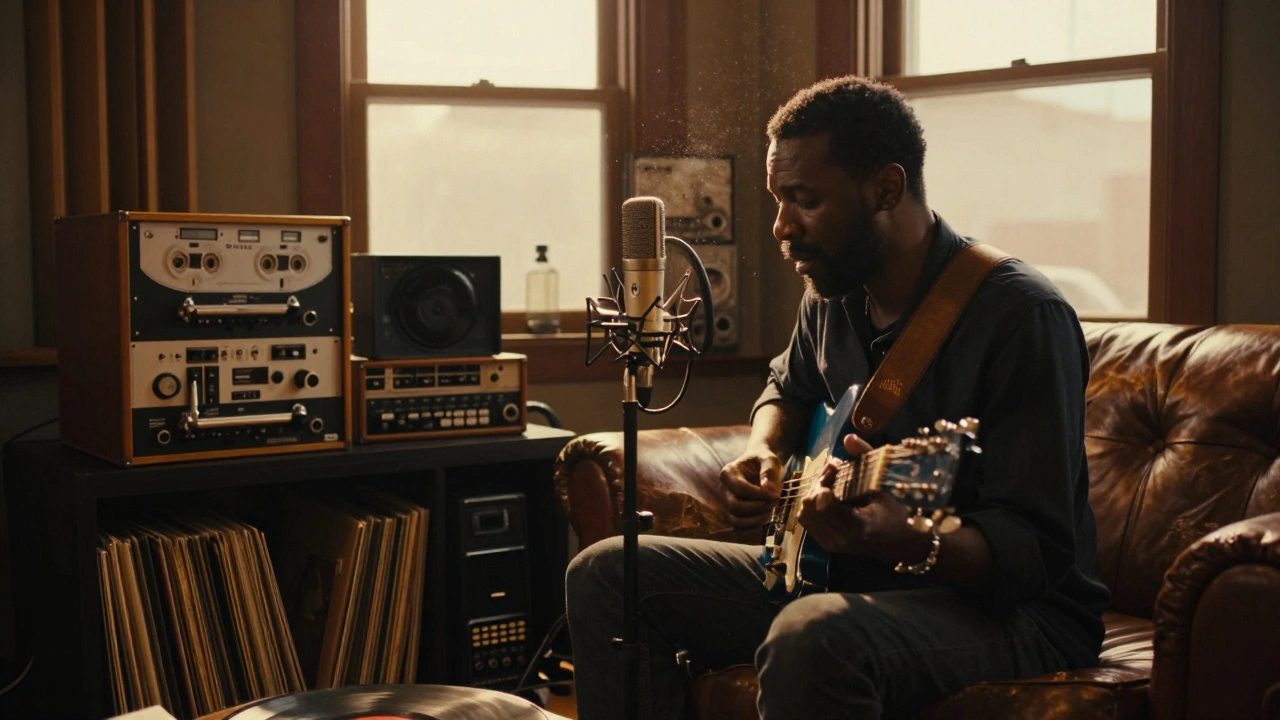
Blues music has always lived in the raw, the real, the unfiltered. It’s not just notes on a page-it’s sweat, soul, and stories carried on a guitar string. And for blues artists looking to capture that truth in a recording, New York City isn’t just a place-it’s a machine built for the job.
Why NYC Still Holds the Weight for Blues
You might think Nashville or Memphis are the natural homes for blues. But NYC? It’s where the genre didn’t just survive-it evolved. The city doesn’t just host blues. It redefines it. From the smoky clubs of the Village in the 1950s to today’s high-end studios in Brooklyn, the city’s energy pulls in players who’ve lived the music. You’re not just recording here-you’re joining a lineage.
There’s a reason legends like B.B. King, John Lee Hooker, and Muddy Waters cut landmark tracks here. It wasn’t luck. It was access. Access to players who’ve played with everyone. Access to engineers who’ve heard every tone ever made. Access to a press that doesn’t just cover music-it shapes it.
The Studios That Know Blues
Not every studio in NYC is made for blues. But the ones that are? They’re built like temples. Take Electric Lady Studios is a legendary recording facility originally built by Jimi Hendrix in 1970, known for its analog warmth and vintage gear. It’s not just a room with microphones-it’s a sound library. The Neumann U47s? They’ve captured Howlin’ Wolf’s growl. The Ampex tape machines? They’ve held the echo of Buddy Guy’s scream.
Then there’s The Hit Factory Criteria is a high-end recording studio in New York with a history of working with blues, R&B, and soul artists. It’s not flashy. No LED walls. No auto-tune pods. Just a live room with 20-foot ceilings, a 1972 SSL console, and a collection of tube preamps older than most engineers. Blues thrives here because it needs space-the kind that lets a slide guitar ring out like a church bell in an empty cathedral.
Smaller studios like Stratosphere Sound is a Brooklyn-based studio known for its analog-focused workflow and experienced engineers in blues and roots music in Brooklyn are where indie blues artists find their voice. They don’t push you to sound like a pop hit. They ask: “What’s the story behind this note?”
Session Players Who’ve Played It All
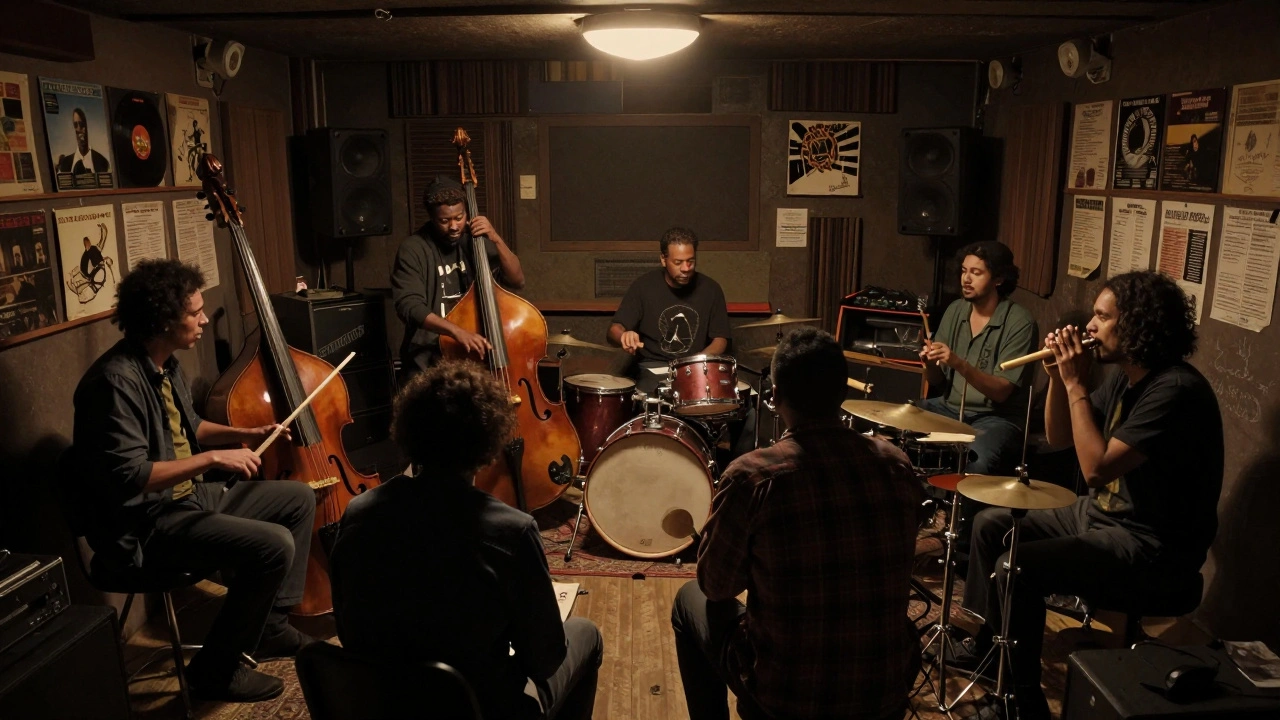
Here’s the secret: NYC has more blues session musicians per square mile than any other city in the world. Not because they’re all from Mississippi. Because they’ve been everywhere else-and came here to keep playing.
You want a bassist who’s held down the groove for Otis Rush and played with Robert Cray? Jerry Jemmott is a legendary New York-based bassist who played on blues and soul recordings with B.B. King, Aretha Franklin, and many others is still in the city. He doesn’t have a website. You find him through a producer who’s been in the game since the ’80s.
Drummers? Steve Jordan is a New York-based drummer known for his work with John Mayer, Keith Richards, and blues artists, blending groove with soul might not be your first call-but if you’re serious, you’ll get him. He doesn’t play “blues.” He plays truth. And he’s been doing it since he was 17, sitting in with Junior Wells on the West Side.
Harmonica players? Saxophonists? Gospel singers? They’re all here. You don’t hire them-you invite them. Because they’re not session players. They’re archivists. They’ve heard the original 78s. They know the difference between a 1952 Chicago shuffle and a 1965 Detroit slow drag. They can play it without a demo.
The Press That Actually Listens
Most cities have music blogs. NYC has institutions.
DownBeat is a prestigious American music magazine focused on jazz and blues, founded in 1934, with deep influence in the blues industry doesn’t just review albums. It archives them. A feature in DownBeat can turn a regional artist into a national name. And they don’t just pick the flashy ones. They look for the ones who’ve been playing for 20 years and still sound like they’re about to break something.
Blues Magazine is a U.S.-based publication dedicated to blues music, artists, and culture, with a strong readership among collectors and industry professionals is still printed on real paper. It’s mailed to collectors in Tokyo, London, and Austin. If your album shows up here, you’re not just heard-you’re remembered.
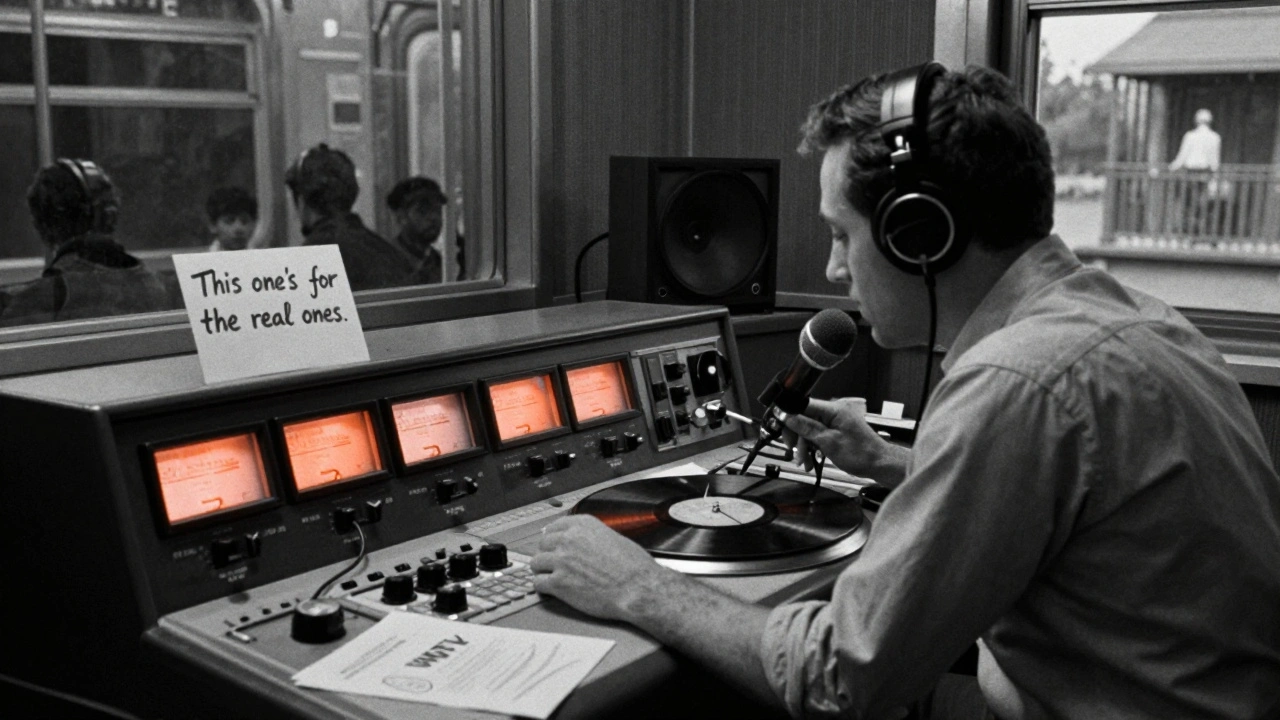
And then there’s the radio. WFUV is a non-commercial radio station based in New York City, known for its blues, folk, and Americana programming doesn’t play Top 40. It plays what matters. A single spin from their Sunday night blues show can send your record into rotation across 30 other stations in the Northeast.
It’s Not About the Scene-It’s About the Network
New York doesn’t have a “blues scene.” It has a system.
There’s no club where you play on Tuesday and get discovered. But there’s a chain: a producer you meet at a studio session, a bassist who recommends you to a journalist, a radio DJ who hears your track in the back of a van on the way to a gig in Albany. It’s not glamorous. But it’s real.
Blues artists who succeed here aren’t the ones with the biggest social media following. They’re the ones who showed up. Who learned the names of the engineers. Who showed up early. Who didn’t ask for a deal-they asked for a chance.
And here’s the kicker: once you record in NYC, you’re in the system. Your name gets passed around. You’re no longer “that guy from Ohio.” You’re “the guy who cut the record at Stratosphere with Jerry Jemmott.” That’s currency.
What You Need to Know Before You Go
If you’re thinking of recording in NYC, here’s what actually matters:
- Don’t come for the vibe. Come for the people.
- Don’t book the biggest studio. Book the one with the engineer who’s played with blues legends.
- Don’t hire the hottest session player. Hire the one who’s played the most live gigs in the last 10 years.
- Don’t chase press. Build relationships. Send a copy of your demo to the DownBeat editor. Not a pitch. Just the music.
- Stay local. Don’t try to be a rock star. Be a musician.
The city doesn’t care about your YouTube views. It cares about your last note. Does it hang in the air? Does it make someone pause? That’s all.
Real Talk: Who It’s For
NYC isn’t for everyone. If you want quick, cheap, and easy-you’ll get frustrated. If you want to be heard by 10,000 people tomorrow-you’ll leave.
But if you’ve been playing blues for five years or more. If you’ve got a story that’s been worn thin by years of late-night gigs. If you believe your music deserves to be heard by people who know the difference between a real slide and a fake one-then NYC isn’t a destination. It’s a next step.
The city doesn’t give you fame. It gives you credibility. And in blues? That’s worth more than a million streams.
Do you need to be signed to a label to record in NYC blues studios?
No. Most top blues studios in NYC work with independent artists. Studios like Stratosphere Sound and Electric Lady have long histories of recording self-funded projects. What matters is your sound, your commitment, and your willingness to work with the engineers and musicians on their terms. Labels are not gatekeepers here-experience is.
How much does it cost to record a blues album in NYC?
Rates vary widely. A basic 3-day session at a mid-tier studio like Stratosphere Sound can start around $1,500-$2,500. Higher-end studios like The Hit Factory Criteria charge $1,000+ per day. Session musicians typically cost $300-$600 per session. Most artists budget $8,000-$15,000 for a full album, including tracking, mixing, and mastering. It’s not cheap-but it’s an investment in legacy.
Can you find blues session players without a manager or agent?
Yes. Many top NYC blues session players don’t use agents. They work through word-of-mouth, studio referrals, and personal networks. The best way to find them is to show up at sessions, ask around, and build trust. Bring your music. Play live. Be humble. Most will say yes if you show up ready and respectful.
Is NYC still relevant for blues in 2026?
More than ever. While blues scenes have grown in cities like Chicago and Austin, NYC remains the only place where you can record with musicians who’ve played with legends, work with engineers who’ve mastered analog tone, and get press from institutions that still value authenticity over algorithms. The city’s blues infrastructure-studios, players, press-is deeper and more connected than anywhere else.
What’s the best way to get noticed by NYC blues press?
Send a high-quality, unmastered demo directly to editors at DownBeat, Blues Magazine, and WFUV. Don’t pitch. Don’t beg. Just send the music with a short note: “Here’s my new record. I’d be honored if you listened.” If it moves them, they’ll respond. If it doesn’t, you’ll still have a recording you’re proud of.