Trying to keep up with Robert Hill can feel like chasing a moving target if you're relying on third-party aggregators or outdated links. Whether he's releasing new music, launching a podcast, or sharing behind-the-scenes content, the landscape of his digital presence across various platforms shifts constantly. If you've clicked a link that led to a dead page or an impersonator account, you're not alone. The goal here is simple: get you connected to the real thing so you don't miss out on what matters.
This guide cuts through the noise. We aren't just listing handles; we're mapping out where the actual value lies for fans and how to navigate the specific quirks of each platform. You'll learn which channels are best for deep dives versus quick updates, and how to avoid the common traps that waste your time. Let’s make sure your feed is filled with signal, not static.
Identifying the Real Presence
The biggest hurdle in following any public figure online is verification. Impersonation is rampant, especially for names as common as Robert Hill. Before you hit that follow button, you need to look for the blue checkmark or equivalent verification badge. But even that isn't foolproof if the account was verified years ago under different ownership rules. Always cross-reference the bio. A legitimate account will usually have a link to an official website or a consistent email address format (like [email protected]) rather than a generic Gmail or Yahoo address.
Here is a quick checklist to verify authenticity before committing your attention:
- Check the handle consistency: Does @RobertHillMusic match @RobertHillPodcast? Inconsistent handles often signal a fake.
- Look at the follower-to-following ratio: Legitimate artists usually follow far fewer people than they are followed by. A 1:1 ratio suggests a bot or a fan account pretending to be the artist.
- Examine the posting history: Fake accounts often have gaps of months with no posts, or they post only stolen content from other platforms without original captions.
If you find an account that looks suspicious, don't just ignore it. Report it. Platforms rely on user reports to clean up their ecosystems. By reporting fakes, you help ensure that when *you* search for him next time, the results are cleaner.
Platform-Specific Strategies
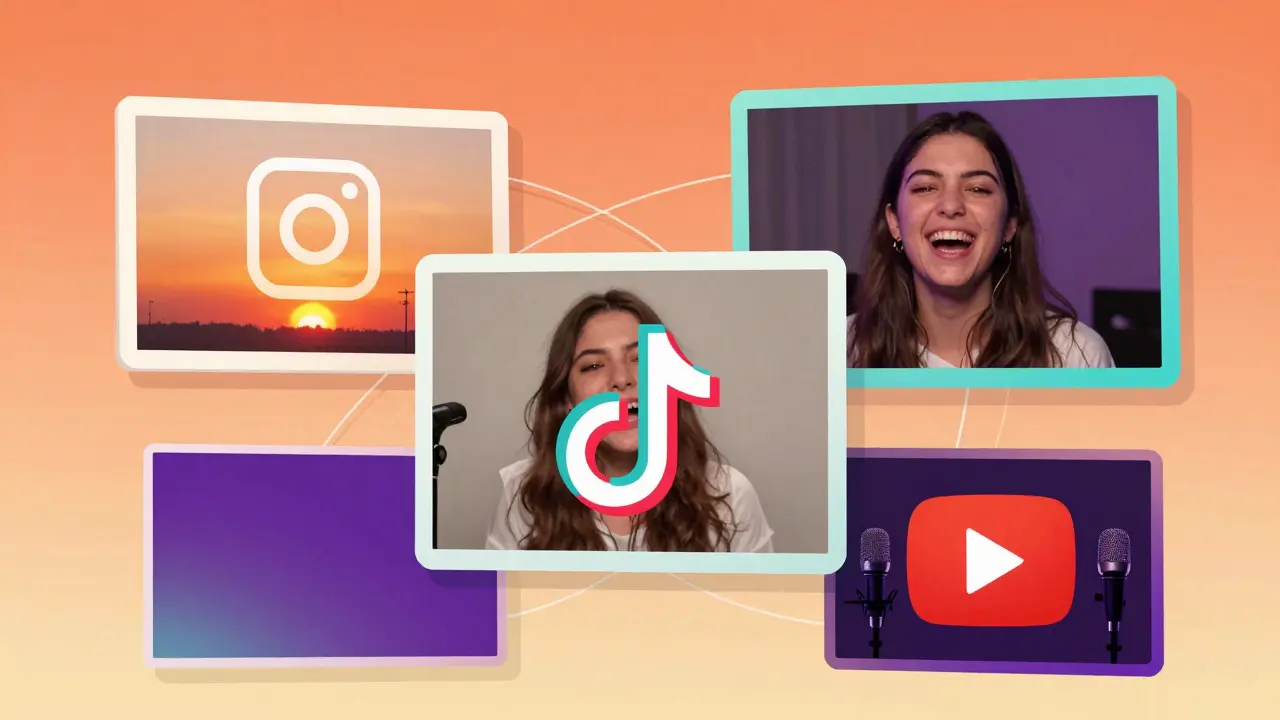
Not every social media channel serves the same purpose. Treating them all the same means missing out on unique content types. Each platform has its own culture and algorithm, so your approach should adapt accordingly.
| Platform | Primary Content Type | Best For | Engagement Tip |
|---|---|---|---|
| Visuals, Stories, Reels | Daily life, aesthetic updates | Turn on post notifications for Stories | |
| TikTok | Short-form Video | Humor, trends, quick clips | Comment early to boost visibility |
| YouTube | Long-form Video, Vlogs | In-depth interviews, full episodes | Subscribe and hit the bell icon |
| X (Twitter) | Text, Threads, Live Updates | Real-time news, direct Q&A | Follow the list, not just the main account |
| Professional Updates | Career milestones, industry insights | Connect with a personalized note |
Instagram remains the hub for visual storytelling. If Robert Hill shares photography, fashion, or daily snippets, this is where it lives. The "Stories" feature disappears after 24 hours, so if you want to catch everything, enable the notification bell specifically for Stories, not just posts. Many fans miss out because they only watch the permanent grid and forget about the ephemeral content.
TikTok operates differently. It’s less about curated perfection and more about raw, unfiltered moments. This is often where you’ll find the most authentic interactions. The algorithm here is interest-based, so if you engage with his content early, you’re more likely to see it again. Don’t be afraid to comment with something specific; generic likes get lost in the shuffle.
For deeper dives, YouTube is unbeatable. Whether it’s a full-length podcast episode or a vlog documenting a project, the long-form nature allows for context that short-form video simply can’t provide. Make sure you’re subscribed to the main channel and any secondary channels he might use for b-roll or behind-the-scenes footage.
Building Your Personal Feed
Passive following is fine, but active curation makes the experience better. Instead of letting the algorithms decide what you see, take control. On X (formerly Twitter), create a dedicated List for Robert Hill. Add his main account, plus any collaborators, producers, or frequent interviewers. This creates a focused stream where you won’t drown in unrelated noise.
On Instagram, consider using a separate profile or utilizing the "Close Friends" feature if he ever opens it up for fans. Some creators use Close Friends for exclusive polls or pre-release announcements. Keep an eye on the bio for any mentions of private groups or Discord servers, which are becoming increasingly popular for niche communities.
Don’t underestimate the power of hashtags. While less effective on TikTok, hashtags still work on Instagram and X. Searching #RobertHillContent or similar variations can surface older posts that might have been buried by newer activity. This is particularly useful if you’re catching up after a hiatus.

Avoiding Common Pitfalls
Even with the right accounts, you can still fall into traps. One major issue is "link rot." Links in bios change frequently. If you saved a URL from two years ago, it might now lead to a broken page or a different person entirely. Always click through from the current bio to ensure you’re going to the latest destination.
Another pitfall is over-engagement. Posting too frequently or leaving repetitive comments can sometimes trigger spam filters, causing your interactions to be hidden. Quality beats quantity. Leave thoughtful comments that show you actually watched or read the content. This builds a genuine connection rather than just inflating numbers.
Finally, beware of paywalls disguised as social media. Sometimes, the "best