The Core of Blues Media Strategy
Before you send a single email, you have to understand that Media Relations is the professional practice of managing the relationship between an artist and the journalists, critics, and broadcasters who cover their genre . In the blues world, this is less about viral trends and more about trust and authenticity. Blues curators aren't looking for a polished pop star; they're looking for soul, grit, and a story that fits the tradition of the music.
To get traction, you need a high-quality Electronic Press Kit a digital package containing promotional materials like bios, high-res photos, and music links used to pitch to media outlets , often called an EPK. If you send a DJ a generic link to your social media profile, you've already lost. They want a single destination where they can find your best track, a professional headshot, and a short bio that tells them exactly why your sound matters right now.
Building Relationships with Music Reviewers
Reviewers are the gatekeepers of credibility. A glowing write-up in a respected blues publication can be the difference between playing a local bar and landing a spot at a major festival. However, the biggest mistake artists make is treating reviewers like vending machines-you put in a CD and expect a review to pop out. It doesn't work that way.
Start by identifying the critics who actually love your specific style. If you play Delta Blues, don't waste your time pitching to someone who only covers Modern Blues-Rock. Look for journalists at publications like Living Blues a premier magazine dedicated to the documentation and promotion of the blues or specialized regional blogs. Read their work. When you finally reach out, mention a specific article they wrote. Telling a reviewer, "I loved your piece on the revival of electric slide guitar," shows you're a human, not a bot sending a mass email.
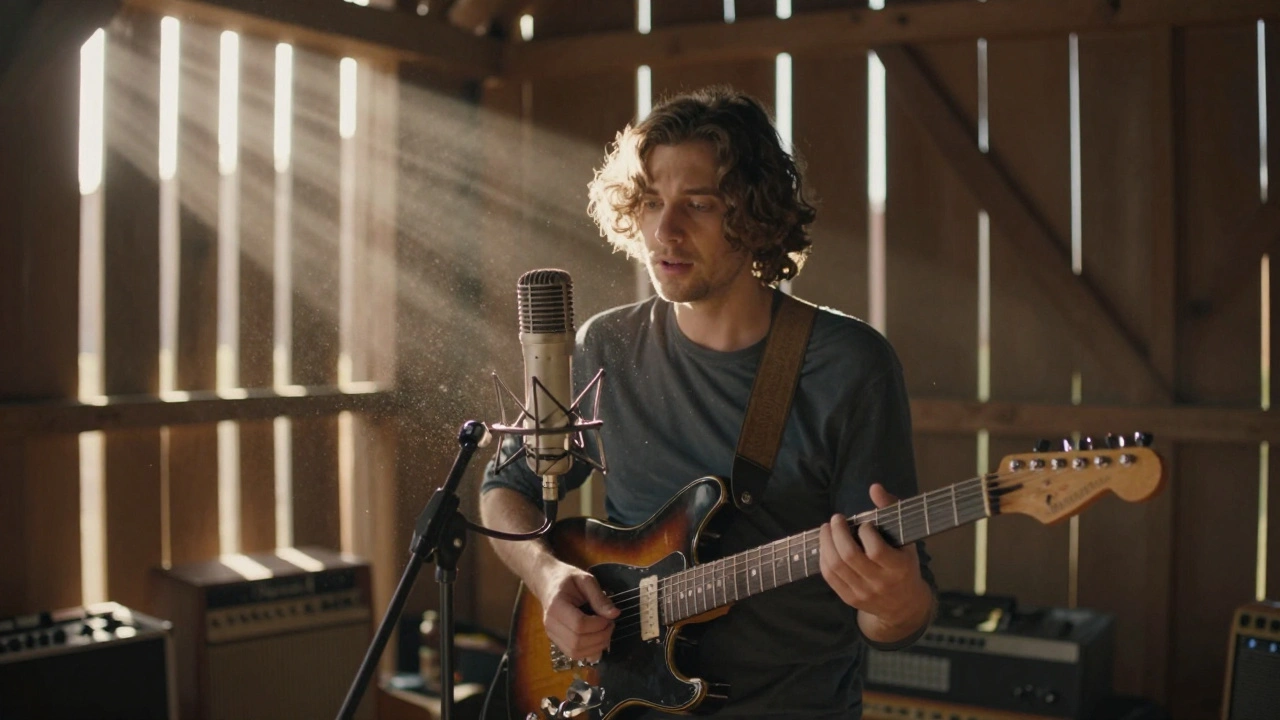
When pitching for a review, keep it brief. The "hook" should be about the music's emotional core or a unique recording process. For example, instead of saying "my album is great," try "I recorded these tracks in a converted barn using only vintage 1950s ribbon mics to capture that raw, pre-war sound." That gives the reviewer a narrative angle to write about.
Winning Over the DJs
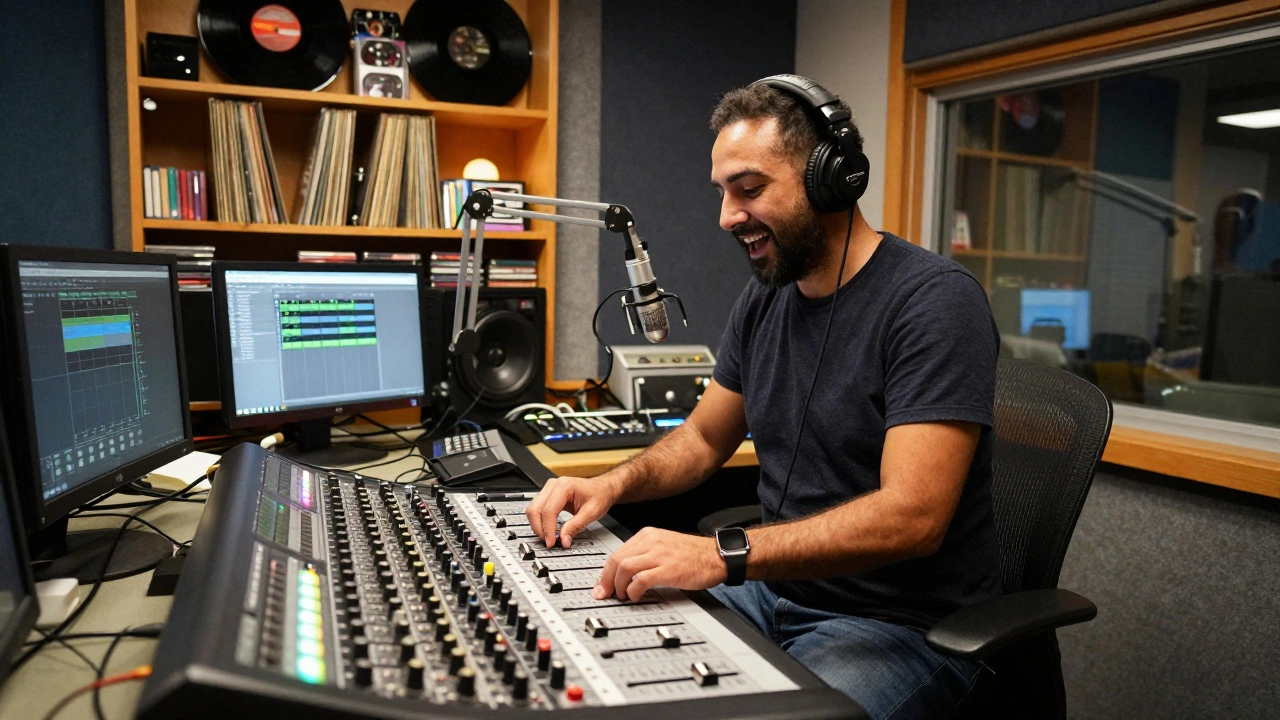
DJs operate on a completely different frequency than reviewers. While a reviewer wants a story, a DJ wants a "hit"-something that keeps their listeners from changing the station. In the world of Community Radio non-commercial radio stations operated by local communities, often the primary home for niche genres like blues , the DJ is often a passionate enthusiast who knows the history of the music better than anyone.
| Feature | Music Reviewers | Radio DJs / Curators |
|---|---|---|
| Primary Goal | Critical analysis & storytelling | Audience engagement & flow |
| Key Asset | Full album + detailed bio | Radio-ready single (high quality) |
| Communication | Detailed, narrative emails | Short, direct, and efficient |
| Success Metric | Publication of a written piece | Airplay & listener requests |
When sending music to a DJ, provide the track in a format they can actually use. Most still prefer high-quality WAV or 320kbps MP3 files. Avoid sending links to a private SoundCloud page that requires a login. The fewer clicks it takes for them to hear your music, the better. Also, provide a "one-sentence liner." This is a short blurb the DJ can read on air to introduce your song, such as: "This is the new single from Chicago-based artist John Doe, bringing a heavy stomp back to the Delta sound."
The Art of the Follow-Up
The silence after sending a pitch is the most stressful part of blues music media relations. Many artists either give up after one email or become pests by emailing every day. The secret is the "gentle nudge." Wait about ten days before following up. Your second email should add new value-perhaps you just booked a new show, or you've released a music video.
If a reviewer doesn't like the album, don't lash out. The blues community is small. A professional response to a negative review-or even just a "thank you for listening"-can keep the door open for your next project. Remember, the goal isn't to get every single person to love you; it's to find the people who genuinely connect with your sound.
Leveraging Digital Distribution for Media Visibility
You can't ignore the role of Digital Distribution the process of delivering music to streaming platforms like Spotify, Apple Music, and Amazon Music via an aggregator . Using services like DistroKid or TuneCore is the baseline, but the real power lies in the metadata. When you upload your music, ensure your genre tags are precise. Don't just put "Blues"; use "Texas Blues" or "Electric Blues" if those fit. This helps the algorithms suggest your music to the same listeners who follow the DJs you're trying to reach.
Furthermore, use Spotify for Artists a tool provided by Spotify for musicians to manage their profiles and pitch songs to official playlists to pitch your tracks to official editorial playlists. While this isn't "media relations" in the traditional sense, getting on a "Blues Classics" or "Fresh Blues" playlist provides the social proof that makes a DJ more likely to spin your record. They want to know that people are already listening.
Avoiding Common PR Pitfalls
One of the fastest ways to get blacklisted by the music press is to send a mass CC'd email. When a journalist sees 50 other people on the email chain, they know they aren't special, and your email goes straight to the trash. Every single outreach must be personalized. Use the person's name and reference their specific work.
Another mistake is the "over-promise." Don't claim you're the "next B.B. King" or that your album is "the most important blues record of the decade." Let the music speak for itself. Instead of using superlatives, use descriptive language. Instead of "amazing guitar work," use "aggressive, distorted slide work influenced by the 1960s British invasion." Be specific, be honest, and be brief.
When is the best time to start pitching to media?
You should start pitching 4 to 6 weeks before your official release date. Reviewers need time to listen to the album and write the piece, and DJs need to slot your track into their programming schedule. If you wait until the day of release, you've missed the window for most coordinated media coverage.
Do I need to pay for a PR agent to get reviews?
Not necessarily. While a professional publicist has existing relationships with editors, many independent blues artists successfully get coverage by doing the legwork themselves. If you have the time to research the right bloggers and DJs and write personalized pitches, you can achieve great results without the heavy cost of a firm.
What should I include in my bio for a blues DJ?
Keep it focused on your sound, your location, and your influences. Mention where you're from (as regionality is huge in blues), a few key artists who shaped your style, and any notable venues you've played. Avoid long lists of every gig you've ever done; just give them the highlights that prove you're a working musician.
How do I handle a negative review?
Remain professional. Publicly arguing with a critic rarely ends well for the artist and often makes you look difficult to work with. The best approach is to thank them for their time and for listening to the music. Some of the most famous blues records were panned upon release but became classics later; don't let one bad review discourage you.
Is it better to send a physical CD or a digital link?
In 2026, digital is the standard for first contact. Sending an unsolicited physical CD can be seen as intrusive or wasteful. Always start with a digital pitch (EPK or streaming link). If the reviewer or DJ expresses genuine interest, then offer to send a physical copy or a signed vinyl for their archives.
Next Steps for Your Campaign
If you're just starting out, your first move is to audit your online presence. Make sure your Instagram and website look professional and that your music is easily accessible. Once that's done, spend one week researching 20 targeted reviewers and 20 targeted DJs. Don't just look for the biggest names; look for the people who are consistently championing new artists in your specific sub-genre.
For those who already have an album out, start a "gratitude campaign." Reach out to the people who have already played your music and ask if they know anyone else who might enjoy your sound. Word-of-mouth referrals from one DJ to another are incredibly powerful and often carry more weight than a cold email.